

The Rivet You Never Noticed Is Now the Detail Everyone Wants
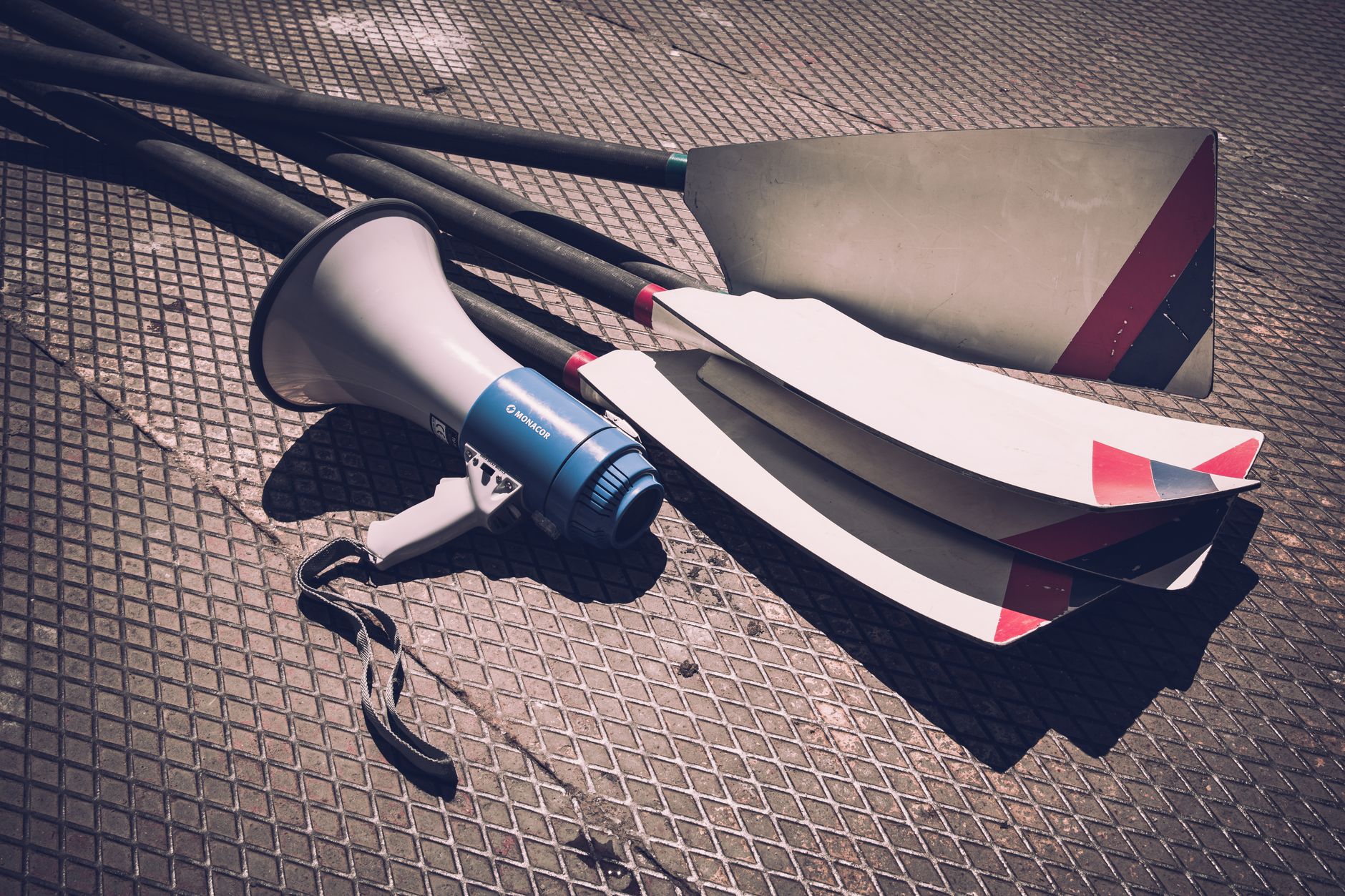
Loom pins are a rowing club staple – small, cylindrical metal fasteners used to secure the oar in the oarlock, keeping the stroke consistent under pressure and repetition. They are functional to the point of being invisible, the kind of hardware that lives in boathouses and gear bags and nowhere else. Until now. A growing number of accessories designers have started pressing these narrow metal pins directly into the woven edges of leather and canvas belts, treating them less as structural elements and more as a recurring decorative motif that signals something specific about where fashion is looking for its next reference points.
The effect is subtle but unmistakable up close. Loom pins placed along a belt edge create a rhythm of exposed metal against woven textile – staggered or evenly spaced, sometimes oxidized, sometimes polished bright. The visual language borrows from athletic equipment rather than traditional leatherwork, and that distinction matters. This is not the usual equestrian or military hardware that has been cycling through accessories for the past several seasons. Rowing club gear has its own aesthetic grammar: utilitarian, repetitive, water-resistant, built for endurance rather than display.
That grammar is exactly what makes it interesting to designers working in structured accessories right now.
Why Woven Belts Became the Right Canvas
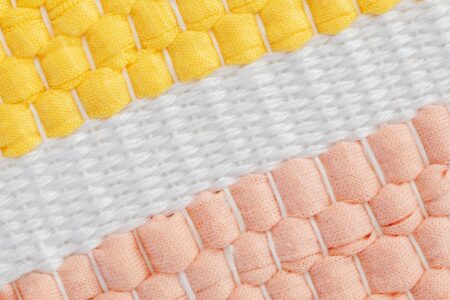
Woven belts – traditionally associated with sailing clubs, preppy American sportswear, and British country dressing – already carry a built-in texture that flat leather cannot replicate. The interlaced structure of canvas or cotton webbing creates natural grooves and ridges, and loom pins pressed into those edges interact with that texture in a way that feels earned rather than applied. The pin does not sit on top of the material like a stud or rivet; it tucks into the weave, creating a flush finish that reads as part of the belt’s construction. That integration is what separates this detail from ordinary hardware embellishment.
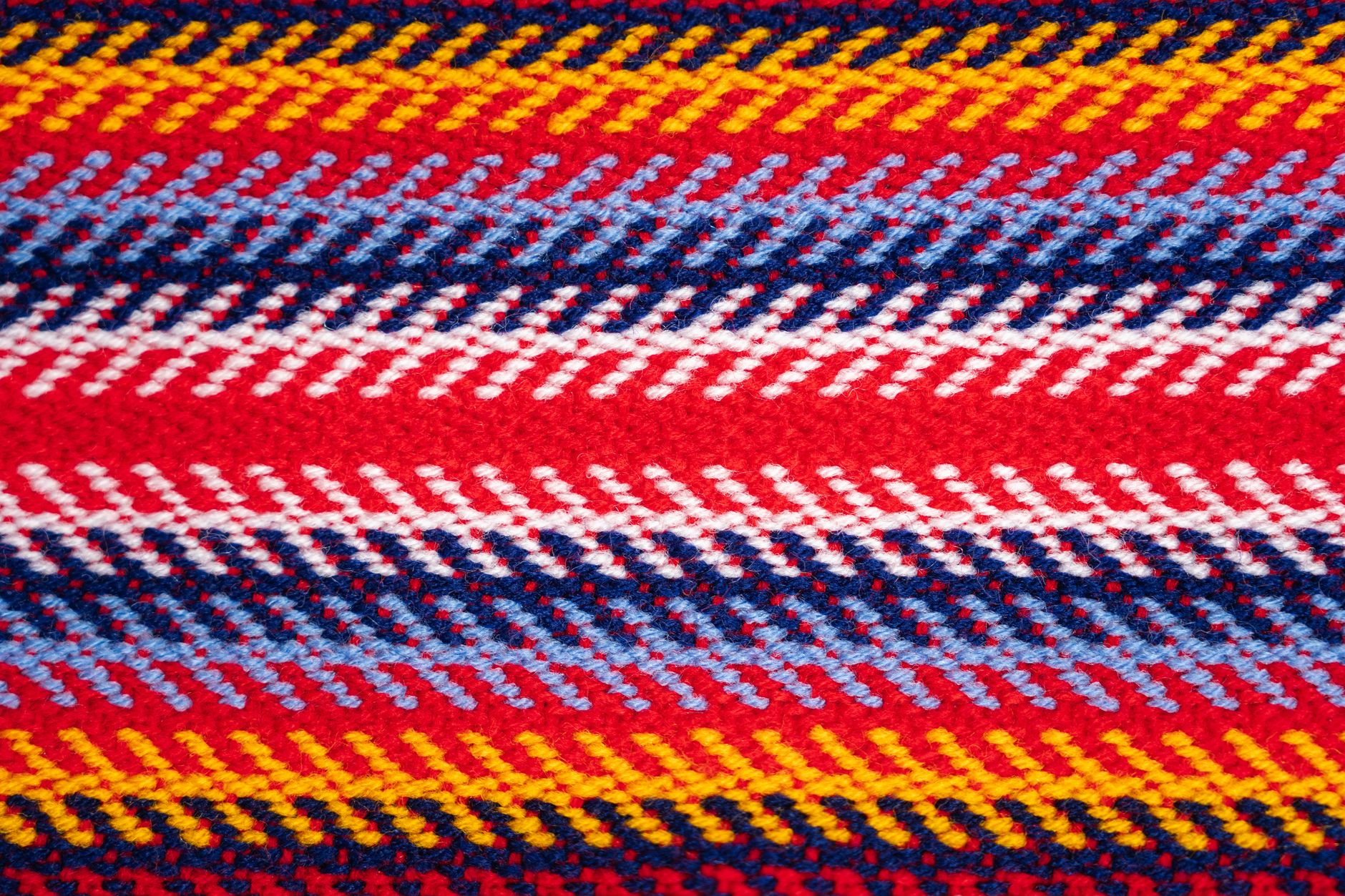
There is also a tonal argument for why this pairing works. Woven belts in navy, cream, olive, and rust have been moving back into serious accessories collections for a few seasons now, partly as a reaction against the dominance of smooth, logo-heavy leather goods. The return of texture-forward accessories opened the door for hardware that matched that low-key, material-first approach. Loom pins, typically made from stainless steel or brass, sit comfortably within that palette – they do not overwhelm the weave but they do catch light differently than the surrounding textile, which gives the piece a quiet complexity.
Designers pulling from athletic archives rather than military or equestrian ones are also responding to a specific cultural pressure. Rowing occupies a particular social register – associated with Ivy League boathouses, British university rivalries, and a strain of patrician athleticism that is both old money and genuinely physical. That combination of privilege and rigor gives rowing club hardware a different charge than, say, a polo saddle fitting or a yacht cleat. It signals effort inside the elegance, which is the exact tension that drives a lot of where accessories design is currently pointed.
How the Detail Is Being Worn and Styled
On the floor, the belts carrying loom pin edges are appearing with relaxed tailoring more than anything else – wide-leg trousers in linen or cotton twill, unstructured blazers, the kind of warm-weather suiting that has been pulling athletic and club references into office-adjacent dressing. The belt becomes the most specific thing in an otherwise intentionally vague outfit, the one element that names a very particular world without spelling it out. Paired with a cream Oxford shirt and straight-cut chinos, a woven belt with loom pin edges at the sides reads as considered without being costumed.
Styling the pins toward the visible edge rather than the reverse side of the belt has become the dominant approach – designers are treating the hardware as a front-facing detail that frames the buckle zone rather than hiding in the construction. Some versions place pins only at the tip and loop end, bracketing the belt visually; others run them along the full side edge as a continuous border, which gives a longer, more architectural impression. Both approaches work, but the bracketed version tends to age better because it does not rely on the hardware staying uniformly polished over time.
The hardware intersection happening in accessories right now is worth watching across categories. Belts are leading, but the loom pin logic – taking a specific athletic fastener and relocating it as an edge detail rather than a central fixture – is showing up in bag handles and strap ends as well. The movement of club sport hardware into jewelry and accessory construction has been building steadily, and rowing is the latest source category to get absorbed into the mix.

The Margin Where This Goes Next
Loom pins pressed into woven belt edges are a genuinely small detail, and their staying power will depend on whether the broader rowing aesthetic can hold attention long enough to move from an insiders-only reference into something the wider accessories market recognizes without needing to be told where it comes from – which is a harder test than it looks, and one most borrowed club aesthetics quietly fail.