


The Hardware Crossover Nobody Saw Coming
Rowing club equipment has a visual language all its own – cleats, oarlocks, tension pegs, loom fittings – and for decades that language stayed firmly dockside. The aesthetic was functional, marine-grade, and entirely indifferent to what was happening on a runway. That indifference is dissolving. Slider buckle hardware, a category that spans everything from luxury bag closures to performance outerwear adjusters, is borrowing directly from the tension peg designs found on rowing club saxboards, and the results are landing in collections from streetwear to high-end accessories.
The saxboard loom tension peg, for those outside the rowing world, is the small cylindrical or ridged fitting used to maintain consistent line pressure along a loom’s outer rail. It holds things exactly where they need to be under sustained stress. That mechanical principle – controlled grip, precise release – is exactly what slider buckle designers have been chasing for years without a clean reference point.
Now they have one.

Why Tension Peg Geometry Works for Buckle Design
The physical form of a saxboard tension peg is deceptively straightforward: a short cylindrical shaft with either a knurled surface or a flanged collar, seated into a housing that allows minimal lateral movement. When translated into slider buckle hardware, that geometry produces a closure that feels categorically different from standard box-frame or roller-bar designs. The grip is more distributed. The release is more deliberate. Wearers describe it as a buckle that communicates – there is a tactile confirmation when it locks that cheaper hardware simply cannot replicate.
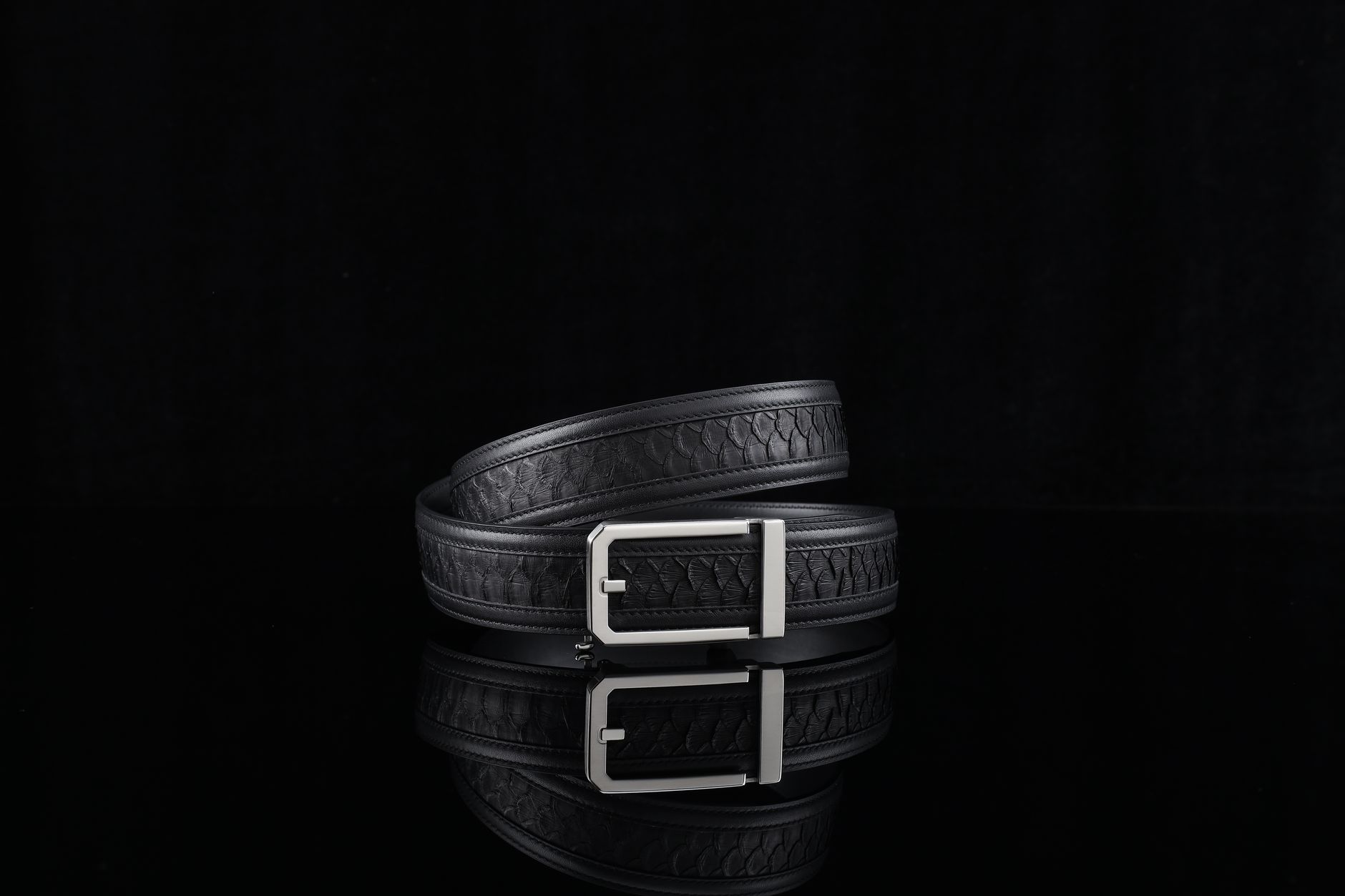
Bag hardware is where this crossover is most visible right now. A growing number of small-batch accessory labels are commissioning custom slider buckles that reference the flanged collar of tension peg fittings, finished in oxidized brass or matte nickel rather than the raw aluminum common to marine applications. The proportions stay true to the rowing original – slightly thicker than a standard buckle shaft, with a collar that sits proud of the strap surface – but the materiality is entirely fashion. Worn leather straps pulled through a peg-style slider develop a crease pattern that standard hardware never produces, and that crease has become its own desirability signal.
Performance outerwear is following a parallel path. Chest cinch systems and hem adjusters on technical jackets have historically been dominated by injection-molded plastic buckles with no particular visual identity. Some outerwear labels are now prototyping metal slider assemblies drawn directly from marine hardware catalogs, scaling the tension peg collar design down to a 20mm strap width and anodizing in colors that sit comfortably within a seasonal palette. The structural logic is sound – marine fittings are engineered for wet, high-stress environments, which means their failure tolerances exceed anything a jacket cinch will ever encounter.
The Equestrian Hardware Parallel
This is not the first time sporting equipment hardware has migrated into fashion accessories. Equestrian fittings have been crossing into accessory design for years – the way polo club breastplate chest rings have quietly anchored layered collar hardware shows exactly how specialist ring and clasp forms move from stable to street when the geometry is right. The rowing crossover follows the same logic but arrives from a different material culture – one built around aluminum, stainless steel, and nylon cord rather than nickel-plated brass and leather.
What makes the saxboard derivation distinct is its relationship to tension rather than pure connection. Equestrian hardware is largely about linking two fixed points. Tension peg design is about maintaining a gradient – the fitting holds not just position but pressure. That functional difference produces a different visual grammar. Where a D-ring reads as a static anchor, a peg-derived slider reads as active, adjustable, alive to the body wearing it. That quality is genuinely difficult to engineer into a standard buckle without the conceptual scaffolding that marine equipment provides.
The timing also matters. Rowing as an aesthetic reference has been building quietly in menswear for several seasons – varsity crew jackets, club crests, blade colors showing up in stripe patterns on knitwear. Hardware has lagged behind that visual trend simply because sourcing bespoke metal fittings takes longer than adapting a woven pattern. Now that the supply chain is catching up, the hardware is arriving with a specificity that surface-level rowing references lacked.
Where This Goes Next
The tension peg’s move from saxboard to slider buckle is a case study in how functional specificity becomes fashion currency – once a detail is understood deeply enough to be stripped of its original context and rebuilt in a new material register, it stops being a reference and starts being a design language. The labels doing this work carefully are not branding their hardware as “nautical” or “maritime.” They are simply building closures that perform differently, and letting the form speak without explanation. Whether that restraint holds as the trend broadens is the real question – because the moment a tension peg buckle appears on a fast-fashion strap adjuster in injection-molded zinc, the signal that made it worth borrowing disappears entirely.
Frequently Asked Questions
What is a saxboard loom tension peg?
It is a ridged or flanged cylindrical fitting used in rowing equipment to maintain consistent line pressure along a loom’s outer rail, prized for its controlled grip and precise release mechanics.
How are tension peg designs being used in fashion hardware?
Accessory and outerwear labels are adapting the flanged collar and cylindrical shaft geometry of tension pegs into custom slider buckles, finished in brass or matte nickel for a tactile, high-performance closure feel.