


When Fencing Equipment Meets Fashion Craft
Fencing lame fabric – the metallic, electrically conductive mesh worn by competitive fencers to register scoring touches – has spent decades living exclusively inside gymnasiums and competition halls. It is a highly technical textile: woven from stainless steel or silver-coated threads, designed to conduct electrical current precisely and withstand the repeated impact of a blade. Fashion has never had much reason to borrow from it. Until recently.
A quiet shift is happening at the intersection of technical sportswear and structured tailoring. Outerwear designers are pulling from the visual and material vocabulary of fencing lame – its distinctive metallic weave, its fine mesh density, its cold, almost industrial luminosity – and working it into coats, blazers, and structured jackets that bear almost no resemblance to athletic gear. The source material is niche enough that most wearers won’t recognize it, which is partly the point.
The appeal is textural contrast.
Why Lame Weave Works in Structured Tailoring
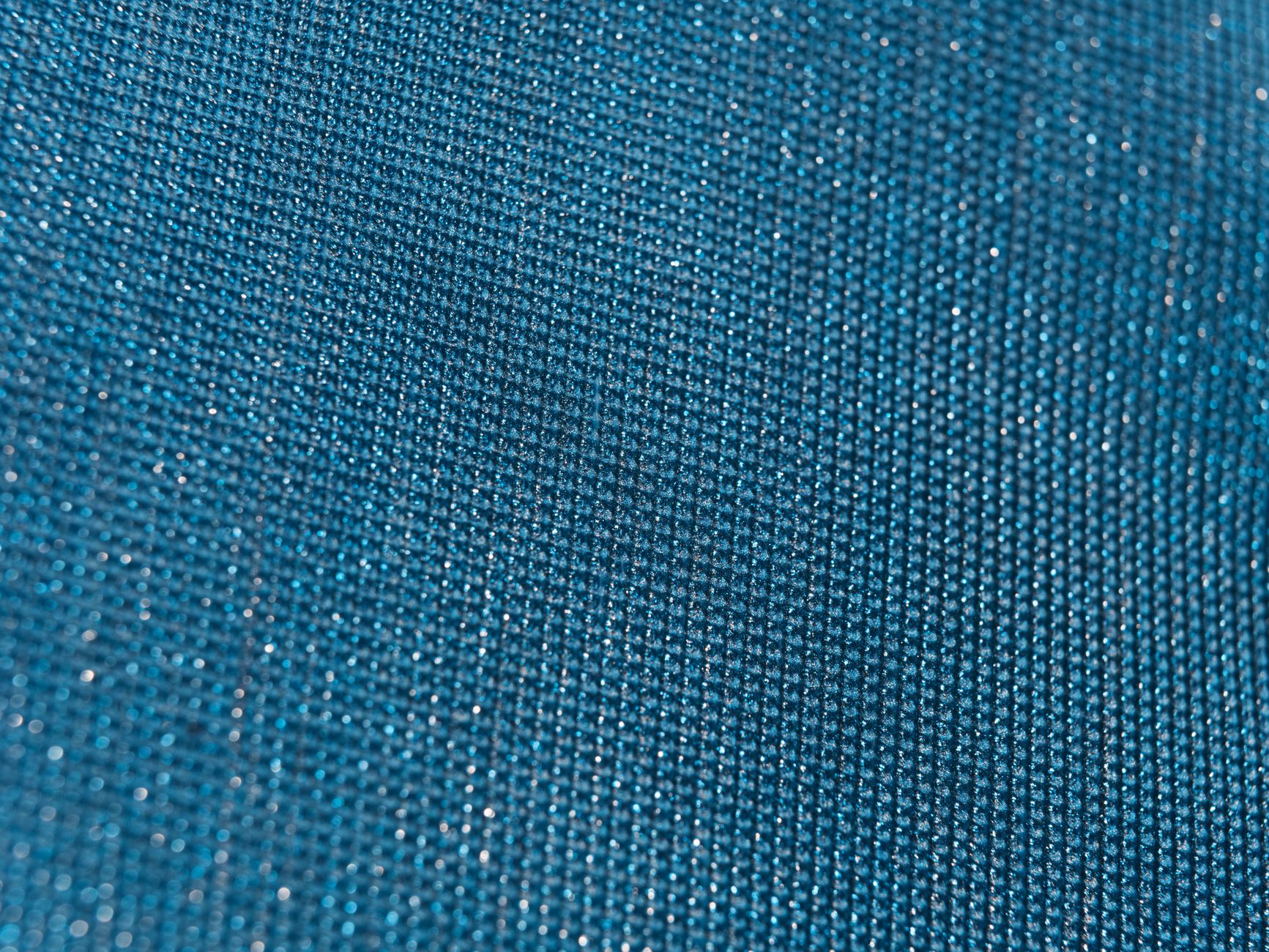
The construction of fencing lame fabric creates a surface that behaves unlike most metallic textiles used in fashion. Standard lamé – the decorative fabric used in evening wear since the early twentieth century – achieves its shimmer through woven metallic yarns laid over a base of silk or synthetic fibers. The result tends toward softness and drape. Fencing lame is different: its weave is tighter, its hand is firmer, and its metallic content is far higher, giving it a weight and structural integrity that most decorative metallic fabrics cannot match. For outerwear applications, that rigidity is an asset rather than a limitation.
Tailoring depends on a garment holding its shape. Most outerwear achieves structure through interfacing, boning, or heavy wool. A fencing lame-derived fabric introduces structure through the weave itself – the textile is doing work that normally requires additional construction layers. Designers working with these materials can reduce the internal scaffolding of a coat while maintaining a sharp silhouette, which allows for cleaner lines at the shoulder and collar where structure tends to collapse in lighter fabrics. It is an engineering solution borrowed from a sport that has nothing to do with fashion.
The visual result reads differently depending on lighting conditions, which gives lame-woven outerwear an unusual range. In flat daylight, a coat cut from this fabric holds a muted, almost graphite quality – more industrial than ornamental. Under directional light, the metallic weave activates and the garment reads as distinctly luxurious. That dual character is difficult to achieve with most fabrics, and it explains why the material is finding traction in tailored contexts where a piece needs to work across multiple settings without being obviously occasion-specific.
How Designers Are Applying the Technique
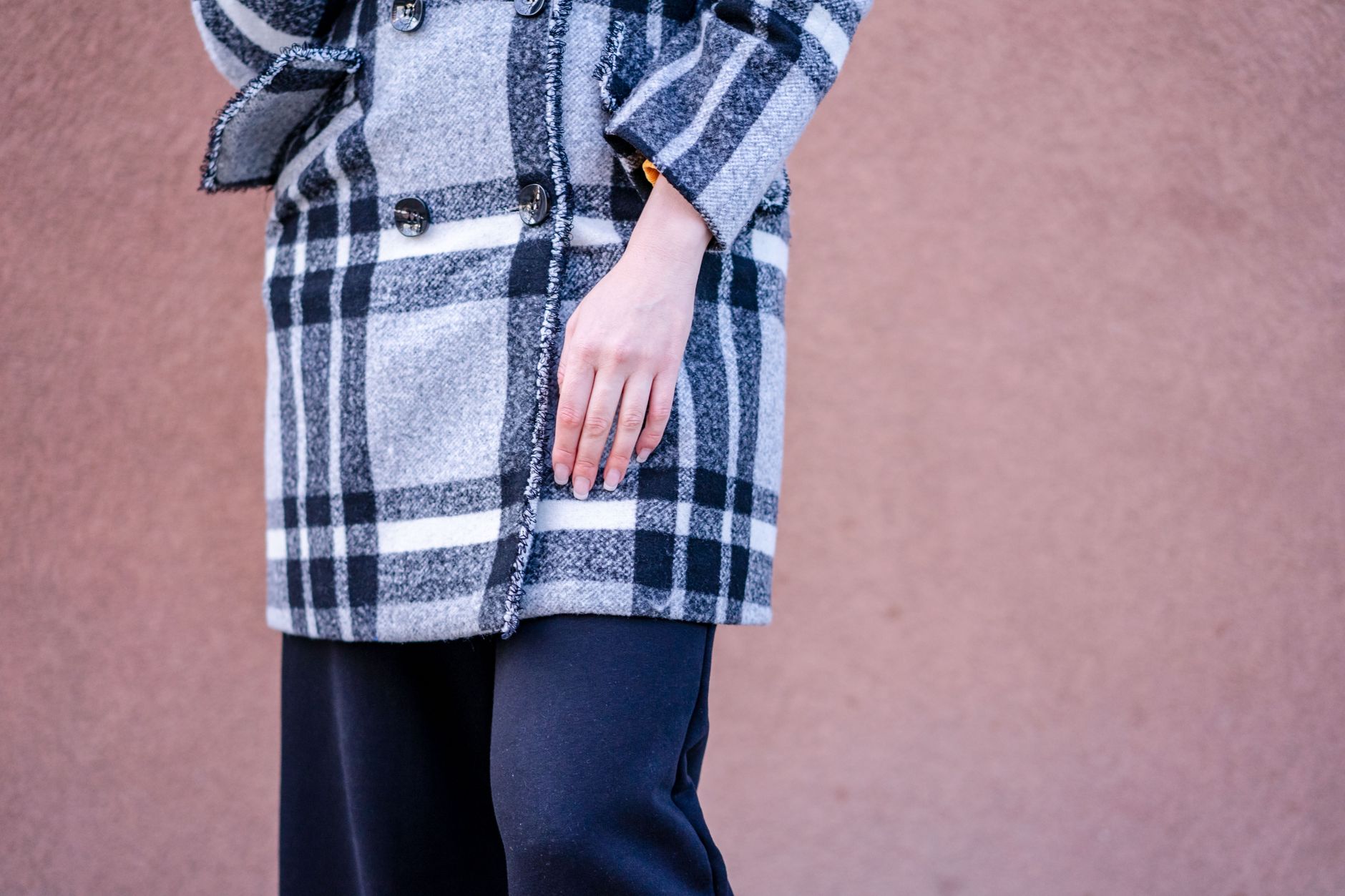
The application is not about replicating the look of a fencing jacket. Designers are not placing chest bibs or targeting panels onto tailored coats. Instead, the influence is at the material level: the weave structure itself is being adapted, often blended with wool, cotton canvas, or technical nylon to make it wearable in conventional outerwear construction. A growing number of small production houses and independent tailors are sourcing modified versions of lame weaves from industrial textile suppliers – fabrics that carry the structural and visual properties of competition-grade lame without the full electrical conductivity specifications.
The silhouettes favored for this treatment tend to be precise and minimal. Oversized or deconstructed cuts fight against the fabric’s inherent stiffness and end up looking unresolved. The lame weave works best in single-breasted coats with clean lapels, structured blazer-length jackets with suppressed waists, and collarless coats where the fabric’s surface can read without interruption. Color selection is almost exclusively staying in the metallic neutrals – silver, pewter, pale gold – though there are early experiments with colored metallic yarns woven into the base structure that produce tonal effects rather than flat color.
What makes this trend worth watching is that it is arriving without the usual fashion-industry fanfare. There has been no major runway moment credited with starting it, no celebrity placement that pushed it into wider visibility. It is spreading through material experimentation – through tailors and small labels discovering the same textile properties independently and arriving at similar conclusions about where the fabric belongs.

The Staying Power of Functional Textiles in Fashion
Fencing lame fabric joining tailored outerwear is not the first time competitive sport has handed fashion a material worth keeping. The tension to watch is whether the weave stays in the hands of smaller labels working with intention, or gets flattened into a surface-level metallic trend the moment a larger brand decides the timing is right.
Frequently Asked Questions
What is fencing lame fabric?
Fencing lame is a metallic, electrically conductive mesh worn in competitive fencing to register scoring hits. It is woven from stainless steel or silver-coated threads and is notably stiffer and more structured than decorative fashion lamé.
How is fencing lame being used in fashion outerwear?
Designers are adapting the weave structure of fencing lame – often blended with wool or technical nylon – into tailored coats and blazers, using its inherent rigidity to create sharp silhouettes without heavy internal construction.