

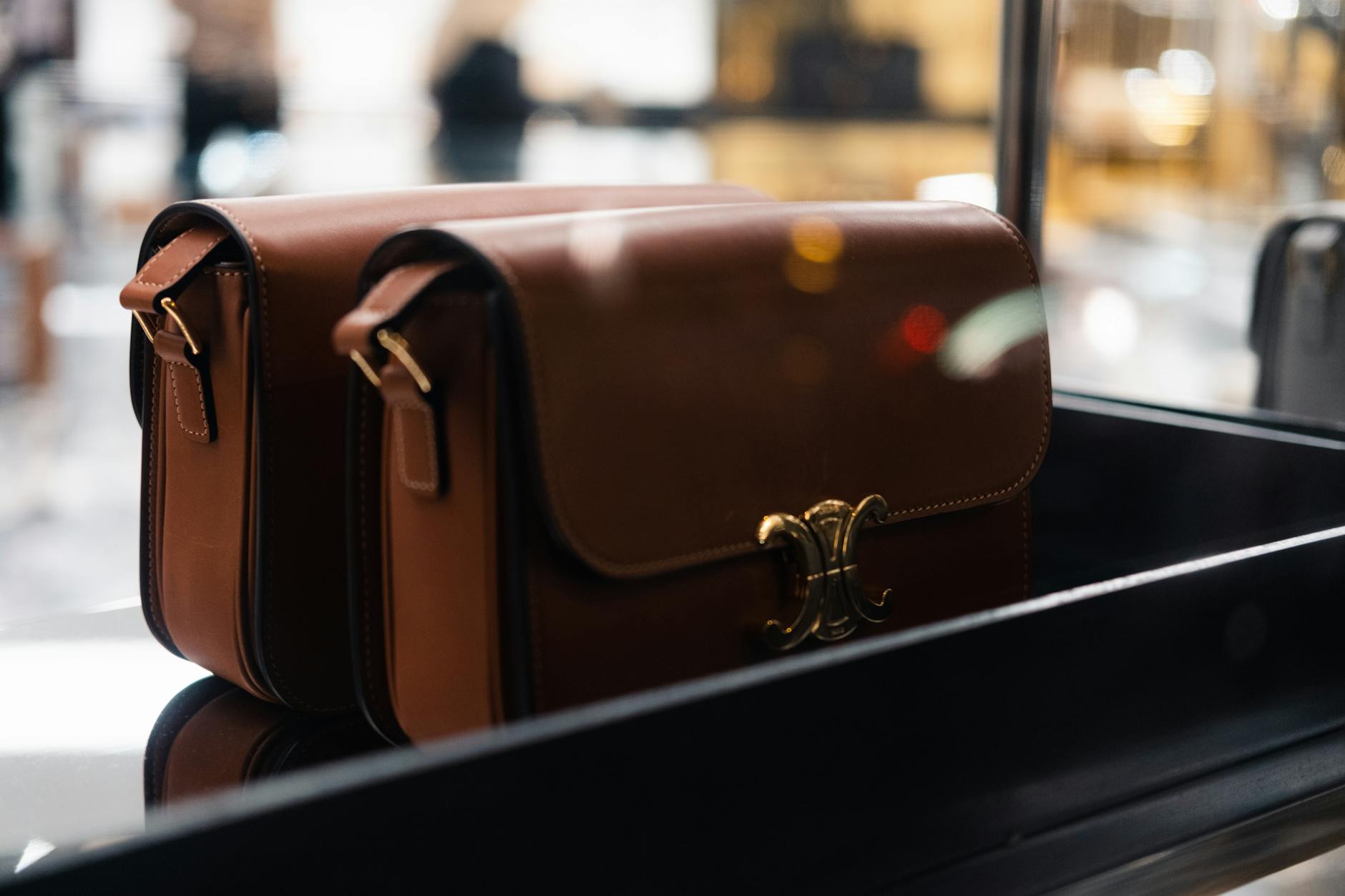
McDonald’s golden arches adorning a Balenciaga handbag. Louis Vuitton’s iconic monogram splashed across a Taco Bell cup holder. These aren’t fever dreams from a fashion editor’s nightmare – they’re real collaborations reshaping how luxury brands connect with younger consumers. The once-unthinkable marriage between haute couture and fast food has become fashion’s hottest trend, with prestigious houses abandoning their ivory towers for drive-thru windows.
The phenomenon exploded in 2023 when Gucci partnered with McDonald’s for a limited collection featuring the fast-food giant’s signature red and yellow colors reimagined through the Italian house’s luxury lens. The collaboration sold out within hours, proving that Gen Z’s appetite for ironic luxury knows no bounds. Fashion insiders initially dismissed these partnerships as publicity stunts, but sales figures tell a different story.
Breaking Down Brand Barriers
Traditional luxury marketing relied on exclusivity and aspiration – the idea that owning a designer piece elevated your social status. Fast food represents the opposite: accessibility, convenience, and mass consumption. This stark contrast creates an irresistible tension that resonates with a generation raised on internet culture and meme-worthy moments.
Jeremy Scott, former creative director of Moschino, pioneered this aesthetic with his McDonald’s-inspired 2014 collection. Models strutted down Milan runways wearing Happy Meal purses and french fry phone cases, transforming everyday objects into high fashion statements. The collection sparked controversy among fashion purists but generated massive social media buzz and sales.
Young consumers today view fashion as a form of self-expression and storytelling rather than pure status signaling. A Supreme x White Castle collaboration doesn’t just provide a product – it creates a cultural moment that participants can share, photograph, and discuss online. The limited-edition nature of these drops adds urgency that traditional luxury marketing often lacks.
The Economics of Unlikely Partnerships
Behind the Instagram-worthy aesthetics lies sound business strategy. Luxury brands face increasing pressure to attract younger customers as their traditional clientele ages. Fast food partnerships provide immediate access to Gen Z and millennial consumers who might never step foot in a boutique but spend hours on social media discovering new brands.
For fast food chains, luxury collaborations elevate brand perception beyond their typical market position. When KFC partnered with Crocs for chicken-scented clogs, the unlikely duo generated millions in earned media value. The $59.99 shoes sold out instantly, proving that novelty combined with brand recognition creates powerful purchasing motivation.
These partnerships also solve practical marketing challenges. Traditional luxury advertising costs have skyrocketed as platforms like Instagram and TikTok become increasingly competitive. A viral collaboration generates organic content from consumers, influencers, and media outlets without requiring massive advertising spend.
Data supports the strategy’s effectiveness. Research from McKinsey shows that 73% of Gen Z consumers are willing to pay more for products from brands that align with their values or create meaningful cultural moments. Fast food collaborations tap into this desire for authentic brand experiences while providing the shareability that drives organic marketing.
Cultural Impact and Consumer Psychology
The appeal runs deeper than novelty. These collaborations represent a democratization of luxury that speaks to changing social attitudes about wealth and status. Wearing a $300 McDonald’s-themed designer hoodie signals cultural awareness and humor rather than traditional affluence. It’s luxury with a wink rather than a sneer.
Pop culture has embraced this ironic luxury aesthetic. Celebrities like Travis Scott have built entire brand empires around fast food partnerships, with his McDonald’s collaboration generating $20 million in merchandise sales. The success demonstrated that food partnerships could transcend novelty to become serious business ventures.
Social media amplifies every collaboration into a cultural event. Limited drops create artificial scarcity that drives immediate action, while the visual contrast between luxury craftsmanship and fast food imagery generates endless content opportunities. A single Instagram post featuring a Louis Vuitton x Pizza Hut concept piece can generate thousands of likes and shares, extending the campaign’s reach far beyond traditional advertising.
The psychology also taps into nostalgia and comfort. Fast food brands represent childhood memories and guilty pleasures, emotions that luxury brands traditionally couldn’t access. By associating with these comfort foods, high-end labels add warmth and relatability to their typically cold, aspirational image.
The Future of Food-Fashion Fusion
Early partnerships focused primarily on apparel and accessories, but brands are expanding into experiential collaborations. Pop-up restaurants featuring designer table settings, limited-edition menu items inspired by fashion collections, and branded experiences that blend dining with shopping represent the next evolution.
Technology will likely enhance these partnerships. QR codes on fast food packaging could unlock exclusive digital fashion items for virtual worlds, while augmented reality filters might allow customers to “try on” luxury items while eating. As fashion continues embracing digital innovation, food partnerships provide familiar touchpoints for introducing new technologies.
The trend shows no signs of slowing. Industry insiders predict we’ll see more unexpected pairings as brands realize that shock value and cultural relevance often matter more than logical brand alignment. The key is maintaining authenticity while pushing boundaries – a balance that successful collaborations have mastered.
These partnerships fundamentally challenge traditional notions of luxury while creating new pathways for brand discovery and consumer engagement. As fashion continues evolving beyond its traditional boundaries, the marriage of haute couture and fast food represents not just a trend, but a fundamental shift in how luxury brands connect with modern consumers. The golden arches may never look the same again.
Frequently Asked Questions
Why are luxury brands collaborating with fast food chains?
To reach younger consumers who value cultural moments and ironic luxury over traditional status symbols.
Do luxury fast food collaborations actually sell well?
Yes, most limited-edition collaborations sell out quickly and generate significant social media buzz and sales.