

Rowing club stroke coach lanyards are being worn as standalone necklaces, stripped of their whistles and reframed as minimalist cord jewelry with functional appeal.


Rowing club stroke coach lanyards are being worn as standalone necklaces, stripped of their whistles and reframed as minimalist cord jewelry with functional appeal.

Rowing club rigger bracket bolts are moving from boathouses to minimalist jacket hardware, bringing marine-grade precision to outerwear closures. Here’s why the fit is so exact.

Polo breastplate bib stitching is moving from horse gear into structured bib necklaces, borrowing functional construction logic to create architectural jewelry with real surface dimension.

Polo breastplate running rings are crossing into minimalist chain jewelry and bag hardware, offering structural weight without ornamentation. Here’s why designers are reaching for them.

Curb bit port curves from polo tack are shaping structured collar hardware in tailoring and coats, translating equestrian mechanics into fashion architecture.
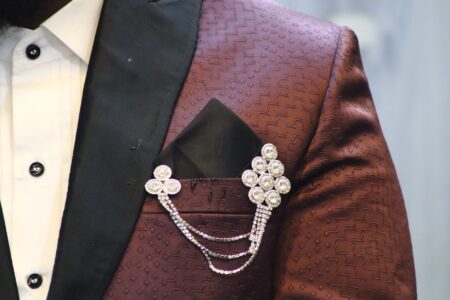
Browband rosette studs from polo tack are appearing on minimalist blazer lapels – here’s why the detail works and where to find the real thing.

Polo tack’s crupper dock loop is influencing how minimalist belt designers build and stabilize arched silhouettes. Here’s why the hardware detail matters.

Saddle pad binding tape from polo club gear is reappearing on athleisure waistbands, offering structural hold and quiet equestrian credibility that standard elastic bands can’t match.
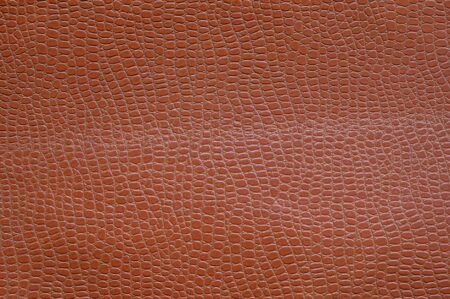
Saddle seat leather from polo club tack rooms is now texturing structured midi skirts, delivering shape and patina that fashion leather rarely achieves.

Polo club throat lash billet construction is influencing layered cuff tab design, bringing equestrian hardware logic into serious leather accessories.