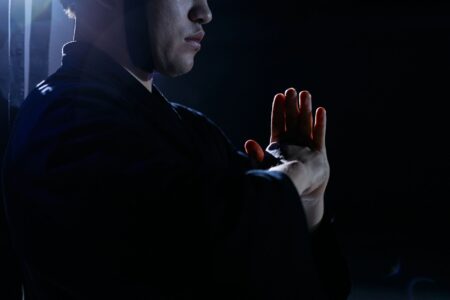


When Martial Arts Equipment Meets Evening Bag Design
Kendo’s protective armor has always carried a particular visual authority – the rigid, lacquered panels of the men (the face and head guard) are built to absorb impact while projecting an almost ceremonial formality. Those panels, constructed from layered bamboo or fiberglass and finished with a high-gloss urushi-style lacquer, have a surface quality that sits somewhere between ancient craft and industrial precision. Fashion has noticed.
A quiet but deliberate movement is running through the structured bag category right now, with designers borrowing the visual logic of kendo men lacquer panels – their segmented geometry, their deep gloss, their hard-edged rigidity – and translating it into resin clutch construction. The result is an evening accessory that reads as armor-adjacent without ever announcing it directly.
This is not a costume reference. It is a materials conversation.
The Structural Appeal of Lacquer Logic
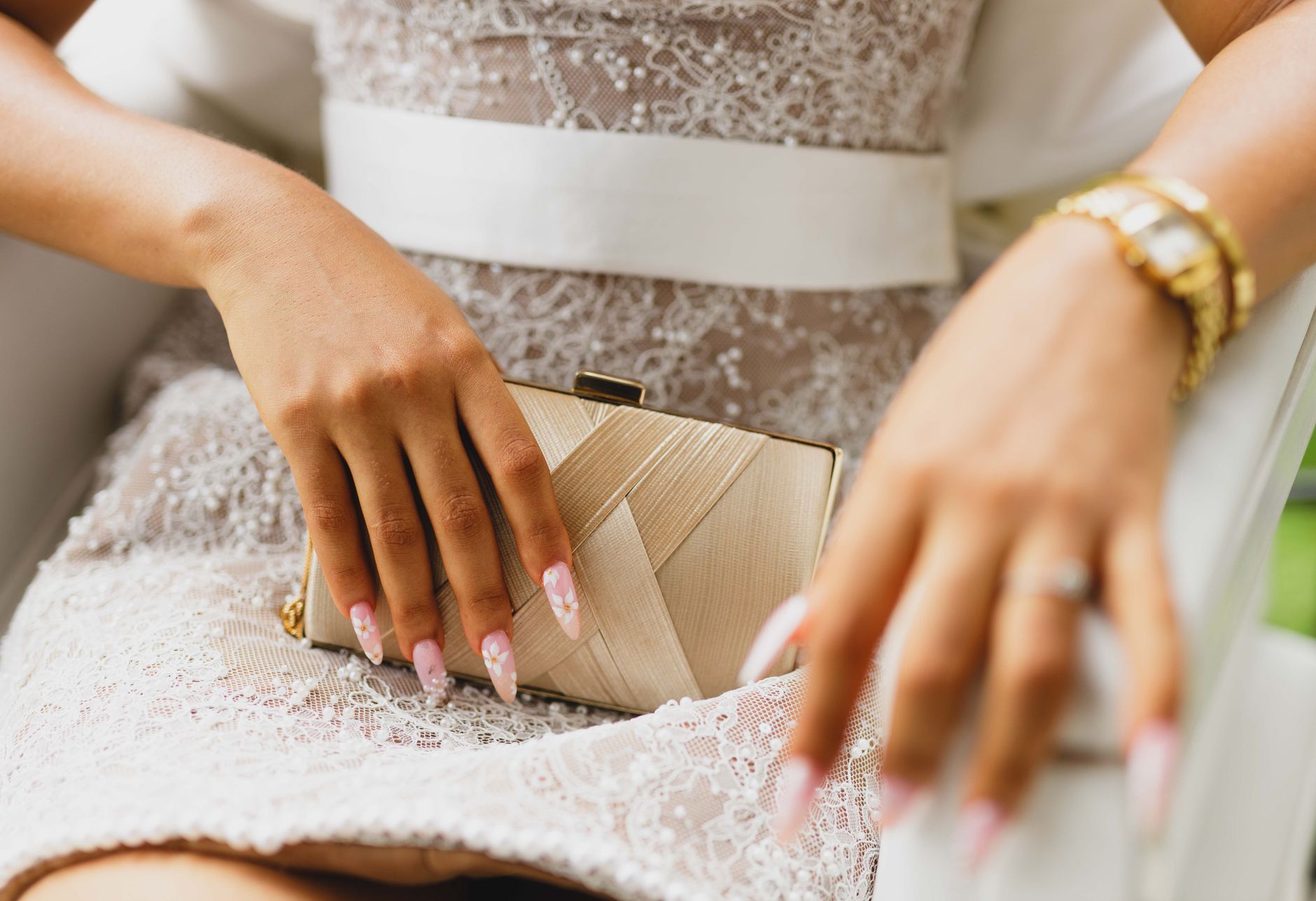
What makes kendo men panels so visually compelling as a design source is their combination of contradictions. They are rigid but articulated – the horizontal bands across the face guard flex slightly at their joints while each individual panel remains completely stiff. That push and pull between movement and stillness, between flexibility and hardness, is exactly the tension that makes a well-constructed resin clutch feel alive rather than simply solid. Designers working in structured accessories have historically reached for shell, tortoiseshell-effect acetate, or polished horn to achieve that quality. Lacquered panel segmentation offers a different path.
The construction method drawing the most attention takes individual resin panels – cast in rectangular or slightly trapezoidal forms – and lacquers them with multiple poured coats to build up depth and sheen. The panels are then mounted in sequence along a rigid clutch frame, separated by thin metal dividers that echo the titanium or leather lacing that holds kendo men plates together. When light hits the finished piece, each panel reflects independently, creating a fractured, layered glow that a single solid resin body simply cannot produce.
Color is doing serious work in this category. The lacquer finishes that resonate most with the kendo reference are deep black, vermillion, and a very specific dark navy that sits close to the color of traditional indigo-dyed kendo practice uniforms. These are not bright or showy choices – they are saturated, serious, and they read differently under warm tungsten light than they do in daylight, which is precisely the right behavior for an evening clutch.
Why Resin Is the Right Material for This Moment
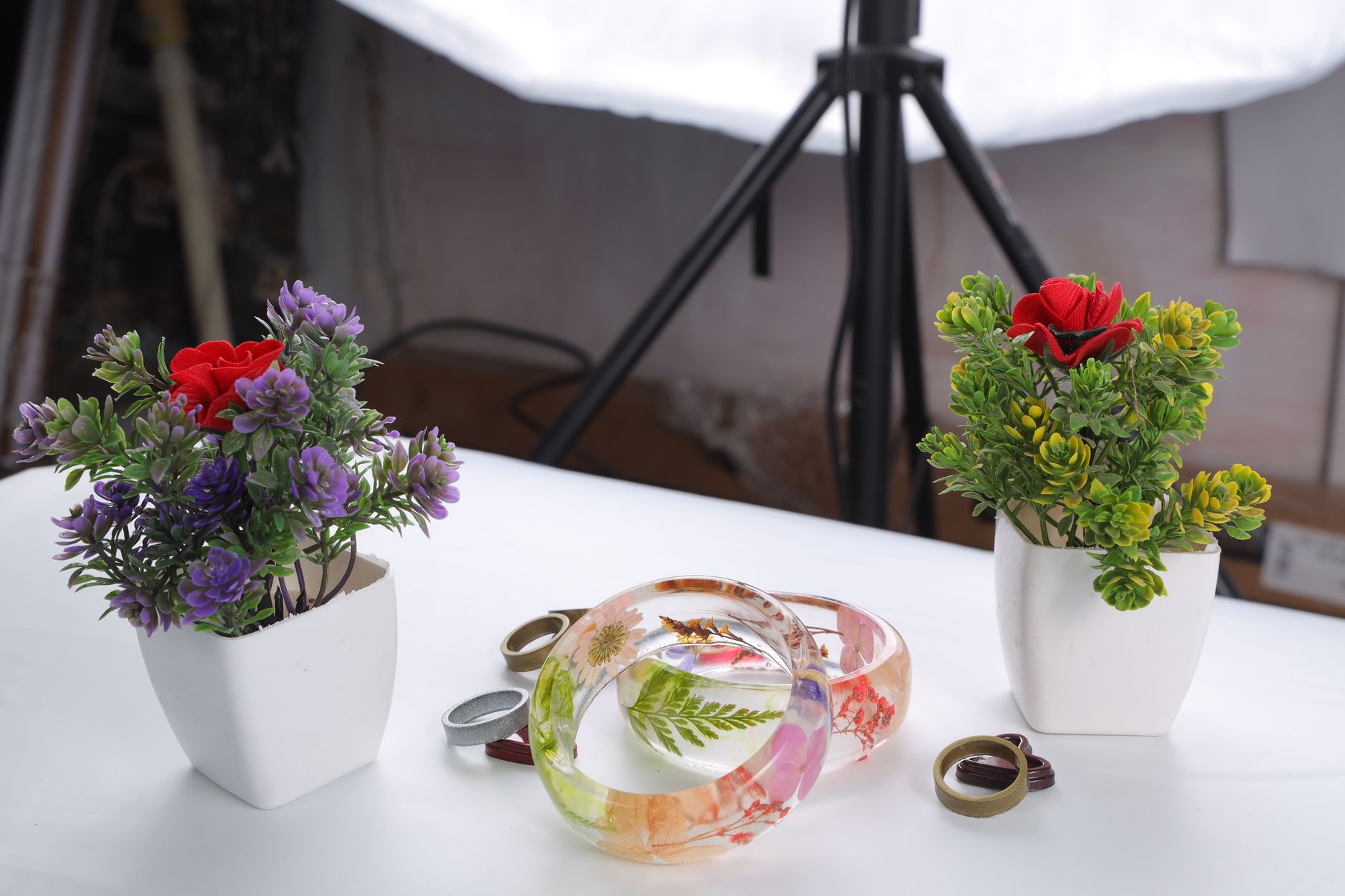
Resin has spent several seasons repositioning itself. After a period where it appeared mainly in chunky, translucent costume jewelry and novelty objects, the material has been reformulated and refined to support genuinely architectural bag construction. Its capacity for surface customization – it can be poured, pigmented, layered, and polished to almost any finish specification – makes it ideal for translating the specific quality of urushi lacquer without requiring the years of specialist training that genuine lacquerwork demands.
The weight profile of resin also works in its favor for this particular design direction. A segmented resin clutch built on the kendo panel model carries a satisfying heft without crossing into impractical territory. It feels like an object, not a pouch. That substantiality is part of the appeal – structured clutches are having a moment precisely because they push back against the limp, logo-heavy bags that dominated for several years. Something that feels as though it was engineered, rather than assembled, commands a different kind of attention at a dinner table or on a red carpet step-and-repeat.
Some designers are also experimenting with translucent resin panels set over metallic foil liners, so that the lacquer effect sits on top of a reflective interior layer. This creates a depth that reads as almost liquid from certain angles – the light appears to move inside the panel rather than simply bouncing off its surface. It is a technical trick borrowed directly from traditional lacquerware technique, where metallic powder is suspended within the lacquer layers themselves.
Carrying the Reference Without Wearing the Sport
The risk with any armor-derived accessory is literalism – the piece tips from reference into cosplay and loses the tension that made it interesting. The kendo men clutch avoids that problem because the source material is genuinely obscure to most western fashion audiences. A customer carrying one of these bags almost certainly does not know she is wearing a structural nod to Japanese martial arts headgear. She knows she is carrying something that looks severe and precise and very finished, something that does not soften at the edges the way a leather pouch does. The reference operates below the surface of conscious recognition, which is where the strongest design references tend to live.
Styling these clutches requires a degree of restraint. Because the bag itself carries so much visual weight through its surface geometry and gloss level, the surrounding look needs to give it room. A clean column silhouette in matte fabric – crepe, duchess satin, or even a heavy wool – lets the clutch function as the only structured element in the outfit. Introducing competing hardware or surface texture at the clothing level collapses the hierarchy. The bag needs to win that negotiation.
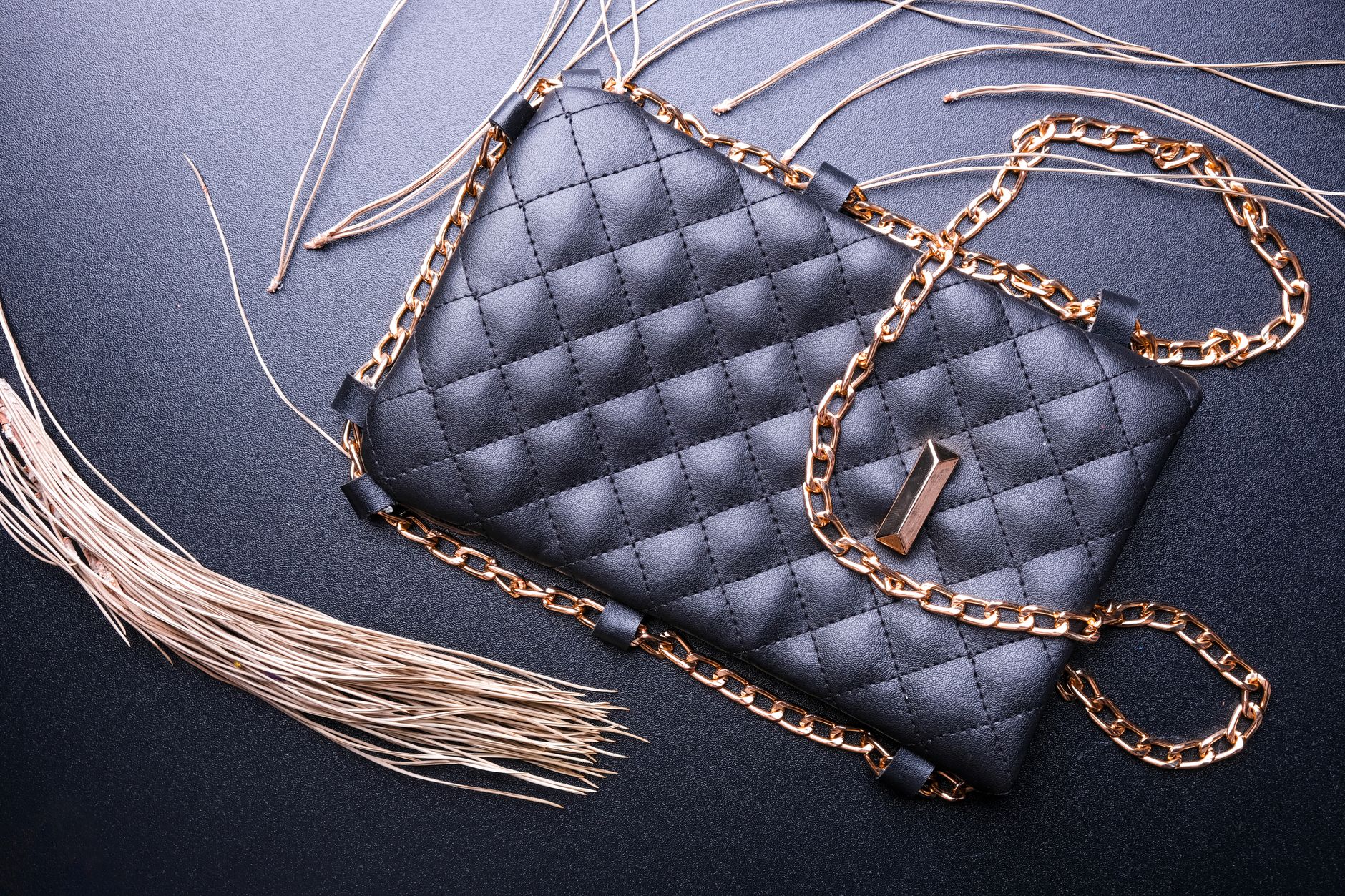
The designers most effectively executing this direction understand that the lacquer panel clutch is not a statement piece in the traditional sense – it does not shout. It simply refuses to disappear, which, at the right dinner or opening, is considerably more effective.