

Wearing the same outfit twice used to be a problem to solve. Now it is increasingly the point.
For years, the capsule wardrobe was the tidy answer to closet overload: a small set of neutral, interchangeable pieces that promised a fresh outfit every morning without the clutter. It worked for plenty of people, and it still does. But a different idea has taken hold in its place, one that skips the inventory and focuses on the finished look. Instead of asking how many outfits a few pieces can produce, a growing number of dressers are asking which single outfit they would happily wear again and again, and then letting that repetition become part of how they are recognized.
The Capsule Started to Feel Like Homework
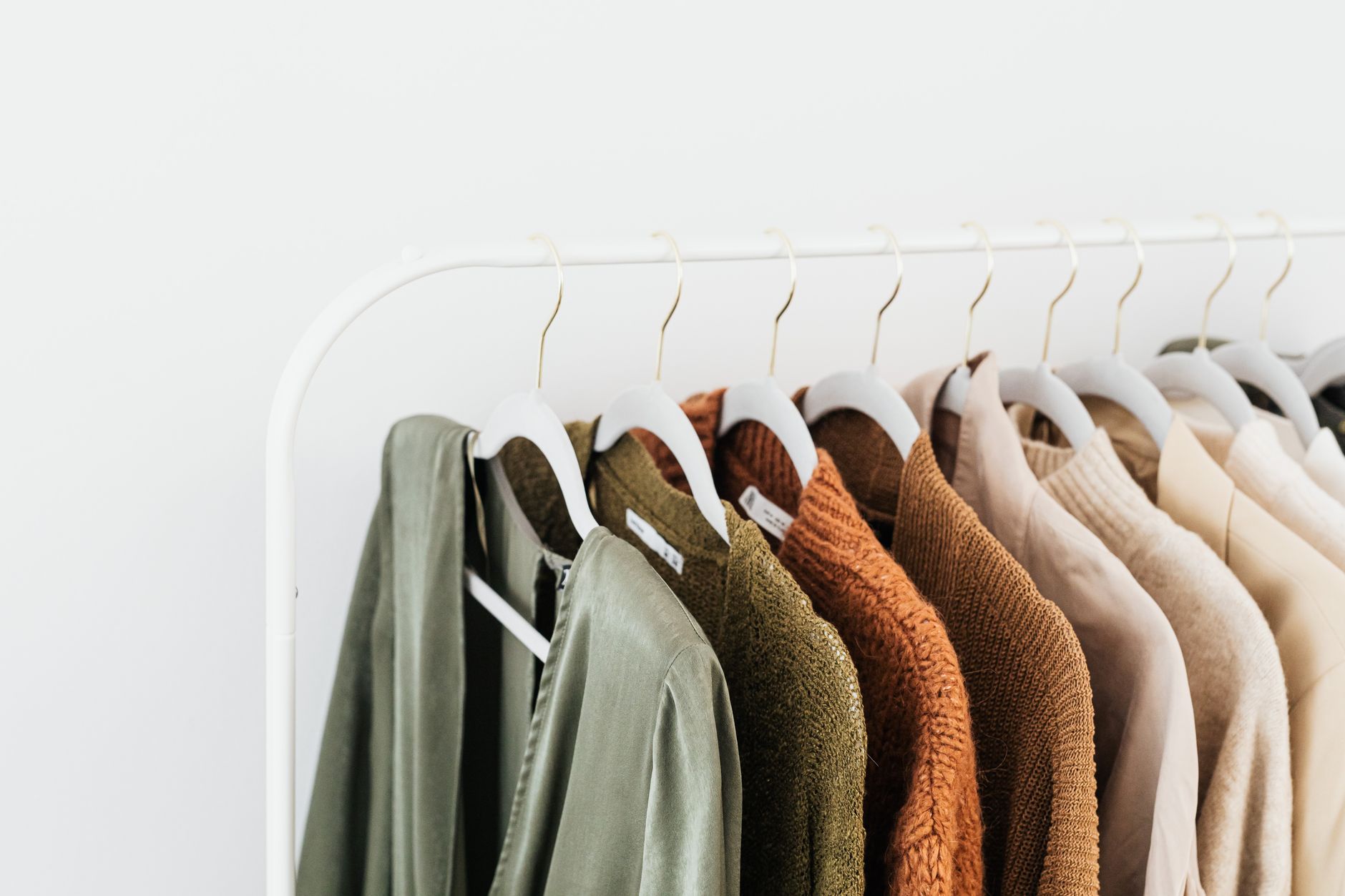
The capsule wardrobe is built on arithmetic. You pare the closet down to a fixed count, stick to a restrained palette, and choose pieces that all pair with each other. The logic is sound, but it carries a hidden demand: before the system pays off, you often have to buy a new round of “perfect basics” to fill the framework. The result tends to be a closet of beige knits, navy trousers and white shirts that looks remarkably similar from one person to the next.
It also treats personal style as a puzzle to be optimized. Someone who loves a slightly odd jacket, or a pair of boots that only works with two outfits, finds that those pieces do not fit the formula. Outfit repeating starts from the opposite end. It begins with a look that already feels right and asks only that you keep wearing it, which is a far lower barrier than rebuilding a wardrobe from scratch.
Repetition as a Signature
A repeated outfit works the way a signature lipstick or a consistent haircut does. It becomes shorthand. People remember the colleague in the olive trench and striped shirt, or the friend who always turns up in the same wide belt and loafers, and they remember them fondly because the choice reads as deliberate.
Social media has pushed this into the open. A growing number of creators now post the same outfit across several days or weeks, sometimes keeping a running tally. What was once a private habit has become a small public performance, and the format carries its own message: this is what I like, and I am not apologizing for wearing it again.
The format also does something a capsule guide cannot. When the same outfit appears at a Tuesday meeting, a Saturday market and a late dinner, the versatility is demonstrated rather than explained. Imagine a charcoal blazer, a white tee and straight-leg trousers appearing in three settings with only the shoes changed. Nobody has to be told the look is flexible, because they have watched it move.
There is a quieter argument underneath, too. When micro-trends can rise and fade within weeks, repeating an outfit is a small refusal to keep pace. It signals that the wearer is not chasing newness for approval. That confidence is the real statement, and it is why the practice reads as stylish rather than lazy.
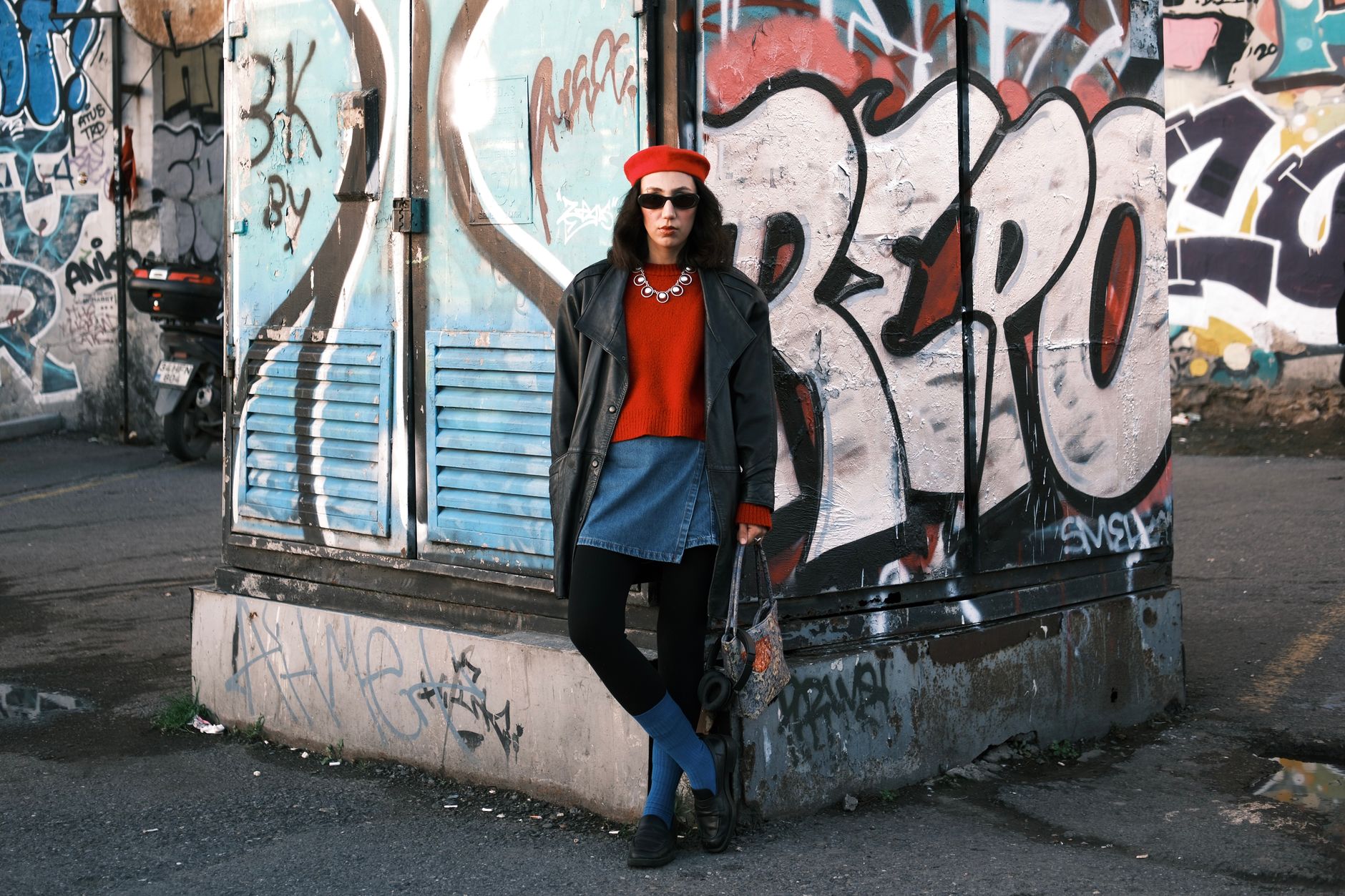
What Makes an Outfit Worth Repeating
Not every look survives a second outing. The ones that do tend to share a structure: one anchor piece with real personality, supported by pieces with simple, clean shapes. A sculptural coat, a bold print shirt or a distinctive pair of shoes can carry the outfit, while everything around it stays quiet enough not to compete. Fit and fabric matter far more than novelty. A rumpled outfit repeated looks tired, while a well-pressed, well-fitted one looks chosen.
Season is the other test. The most repeatable outfits lean on fabrics and cuts that stay comfortable across a wide range of weather. A suit in a breathable weave, like the pieces covered in Linen Suiting Is Getting a Second Look for Year-Round Wardrobes, can anchor a look through more of the year than its summer reputation suggests. Layering a thin knit underneath or a coat over the top extends it further without changing the core.
Repeating Without Looking Like a Uniform
The line between a signature and a uniform is thin, and small variations are what keep you on the right side of it. Swap the shoes, change the bag, push the sleeves up, add a scarf. The skeleton stays the same while the details shift enough to show a thinking person made the choices, not a routine.
Rhythm matters as well. Wearing a look on consecutive days can read as a deliberate experiment, while returning to it after a week or two feels more like a favorite resurfacing. Photographs help here: a quick snapshot of the outfit in different lighting shows you which version of it feels strongest, and which small adjustments are worth keeping.
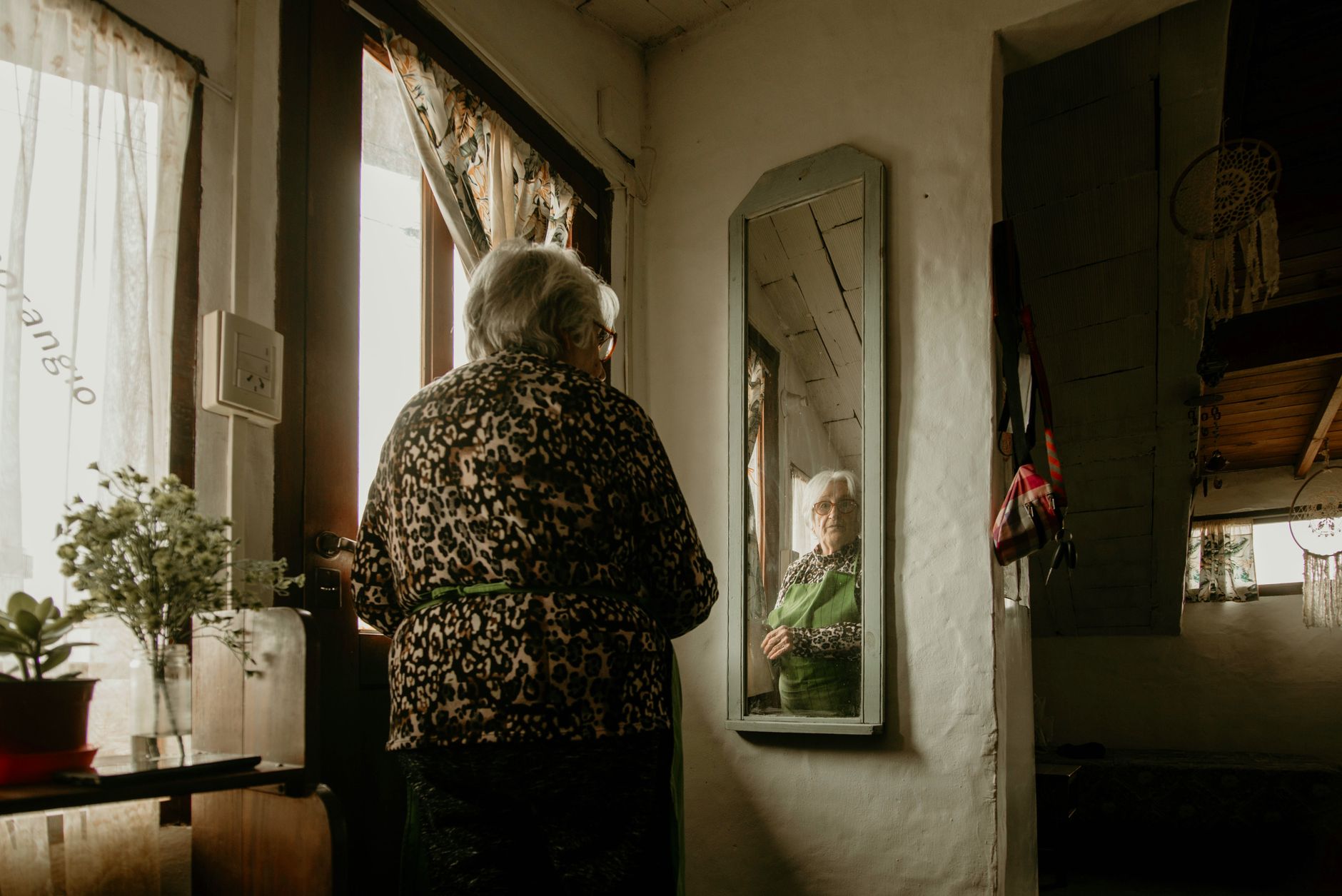
The best repeat outfits are usually the ones where the details have already been settled, such as the exact break of the trouser hem over the shoe or the precise spot where the jacket sleeve ends at the wrist. Those are not things a capsule checklist can tell you. They only show up after the third or fourth wear.