

A slip dress is about as soft as clothing gets: bias-cut satin, spaghetti straps, a hem that moves a half-second after you do. Add a tailored vest on top and the whole sentence changes. The result reads less like evening wear and more like a deliberate argument between two wardrobes, one fluid and one structured.
That argument is playing out on sidewalks, in office lobbies, and at dinner reservations this season. The vest in question is rarely a costume piece. It borrows from the waistcoat of a three-piece suit, with a V-shaped front, a row of buttons, and often a back panel in lining fabric. Worn open or buttoned, it gives a slip dress what it usually lacks: a clear waistline, a bit of weight, and a reason to be worn at 10 a.m. instead of only at 10 p.m.

Why the Contrast Works
The appeal starts with texture. A slip dress is nearly all drape, and drape with nothing to interrupt it can slide into shapelessness, especially in lighter colors. A vest introduces a hard edge at the torso, with seams, darts, and a structured hem that hold their shape. The eye gets two different messages at once, and that tension is what makes the outfit look styled rather than simply put on. Satin against wool has always worked because each fabric makes the other look more like itself.
Proportion does the rest. Most vests end somewhere between the natural waist and the top of the hip, which leaves the slip’s skirt free to fall below. That break creates a defined upper half and a flowing lower half, a silhouette that flatters without requiring anything to cling. A longline vest stretches the torso and almost reads as a second dress layer, while a cropped one sits at the ribs and lets the bias cut do the talking. Neither is right for everyone, and that flexibility is part of why the combination travels so easily across body types and ages.
Fabric choice shifts the mood considerably. Pinstripe and herringbone wool push the look toward the office, especially over a slip in navy, charcoal, or chocolate brown. Leather and suede vests lean toward evening, while denim or washed cotton keeps things casual enough for a weekend. Some brands are experimenting with vests in knit and even sheer organza, which soften the menswear reference without erasing it. One rule holds across most of them: a matte finish on the vest. A shiny vest over a shiny slip flattens the contrast that makes the outfit interesting in the first place.
Borrowed, Not Stolen
Neither piece is new, but their meeting feels fresh.
The slip dress has been a minimalist staple since the 1990s, usually worn with a plain tee underneath or a slim cardigan on top. The waistcoat is older still, a fixture of formal menswear for generations. What has changed is the willingness to mix registers within a single outfit, and the vest is an easy entry point because it asks for so little commitment. There are no blazer-sized shoulders to manage, no sleeves to coordinate, and no need for matching trousers.
How to Wear It Without Looking Costumed
Start with the vest and work outward. The most reliable approach is a vest cut true to size or slightly roomy over a slip that skims the body rather than clings to it. If both pieces are fitted, the contrast disappears and the outfit starts to look like a uniform. Buttoning is a decision too. Fully buttoned, the vest hides most of the slip and the look becomes a dress with a top layered over it. Leaving the bottom button or two undone, or wearing the vest fully open, lets the neckline and fabric of the slip show, which is usually the point.
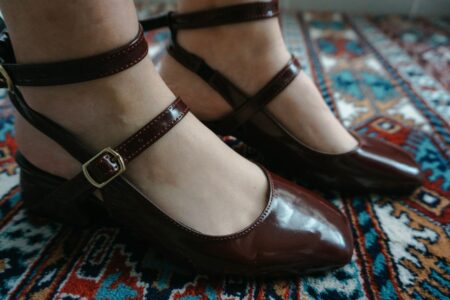
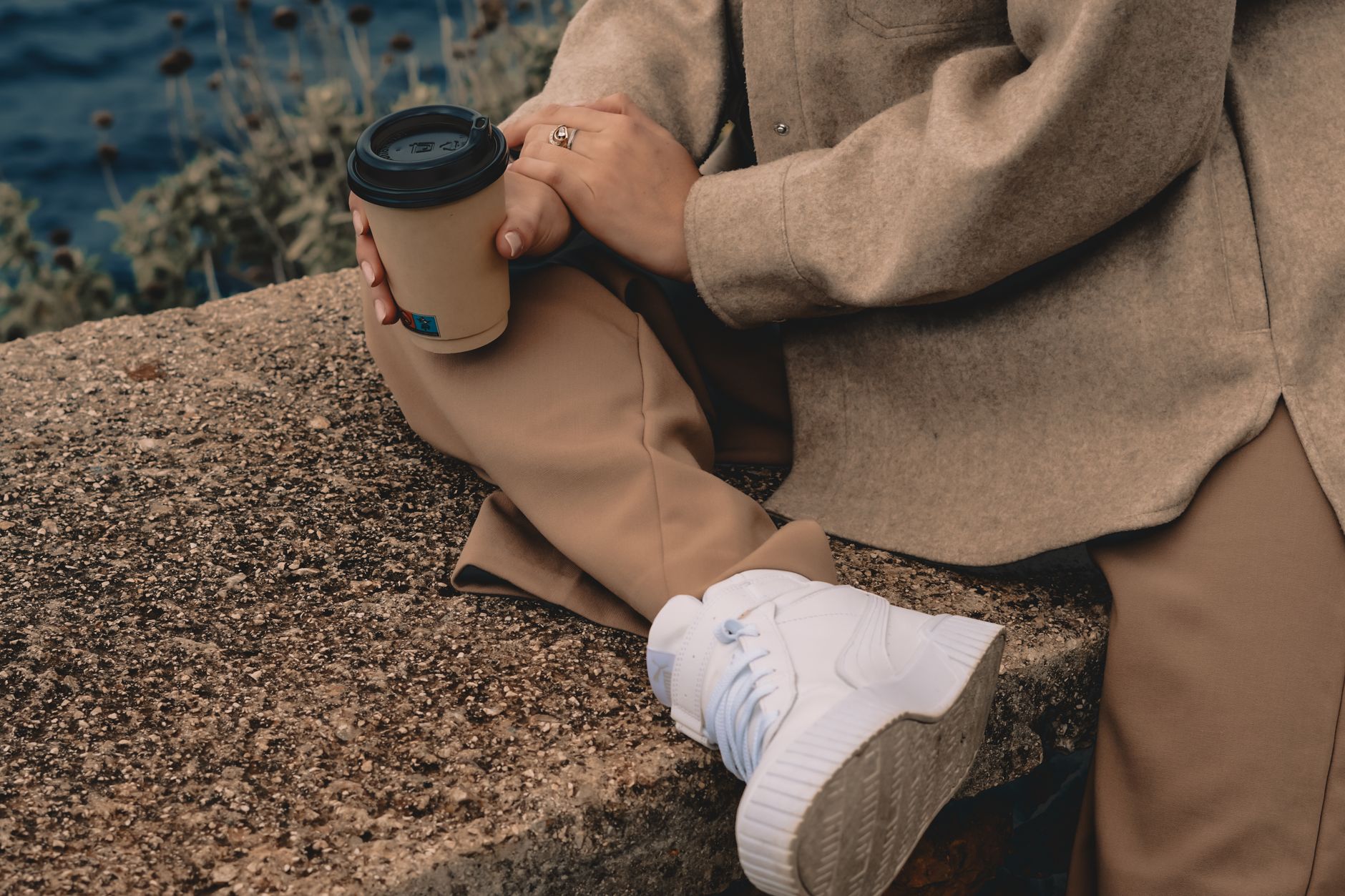
Layering underneath is optional but useful. A fine-gauge turtleneck or a crisp white shirt beneath the slip makes the combination workable in cooler weather and in offices with stricter dress codes. A white collar worn outside the vest adds a literal menswear cue, while bare shoulders take the look in the opposite direction. Footwear controls the tone more than most people expect. Loafers and lace-up oxfords underline the tailoring, ankle boots split the difference, and strappy sandals or kitten heels pull the outfit back toward the slip’s softer side.

Accessories should be few. A slim belt over the vest can work if the vest is longline, but it tends to clutter the waist on a cropped one. A watch on a leather strap, small hoops, or a plain chain keeps the look from tipping into costume. Outerwear deserves a thought as well, since a vest adds bulk at the torso. A cropped jacket or a long coat both work, and the same logic is behind why barn jackets are replacing trench coats as a spring layer: pieces with a workwear backbone sit comfortably over soft fabrics.
Tailoring is the quiet secret. A vest that gapes at the armhole or rides up in the back will look borrowed in the wrong way, and a small adjustment from a tailor, often just a nip at the center back, can make a thrifted or men’s-department find look made for the wearer. Vintage men’s vests are a natural starting point because the cut is already structured and the armholes are usually generous enough to sit over slip straps without dragging them off the shoulder. Check the back panel before buying. A torn or stained lining is the one flaw that can’t hide when the vest is worn open.