


The Unlikely Accessory Taking Over Minimalist Hat Pin Culture
Croquet lawn boundary flag spike caps – the small, often rubber or brass-tipped covers that protect the pointed ends of boundary marker stakes – were never designed with fashion in mind. They exist to keep groundskeepers from puncturing their palms and to preserve field equipment between matches. That very purposefulness, that total indifference to aesthetics, is exactly what makes them so interesting right now.
Hat pins have been cycling back through fashion circles for several seasons, moving away from ornate enamel designs and novelty shapes toward something harder to define: objects that feel sourced rather than purchased. The croquet spike cap fits that profile with unusual precision. Its form is cylindrical, blunt, and undecorated. In brass, it reads as architectural. In matte rubber, it reads as utilitarian-chic. Neither interpretation was intentional, which is the point entirely.
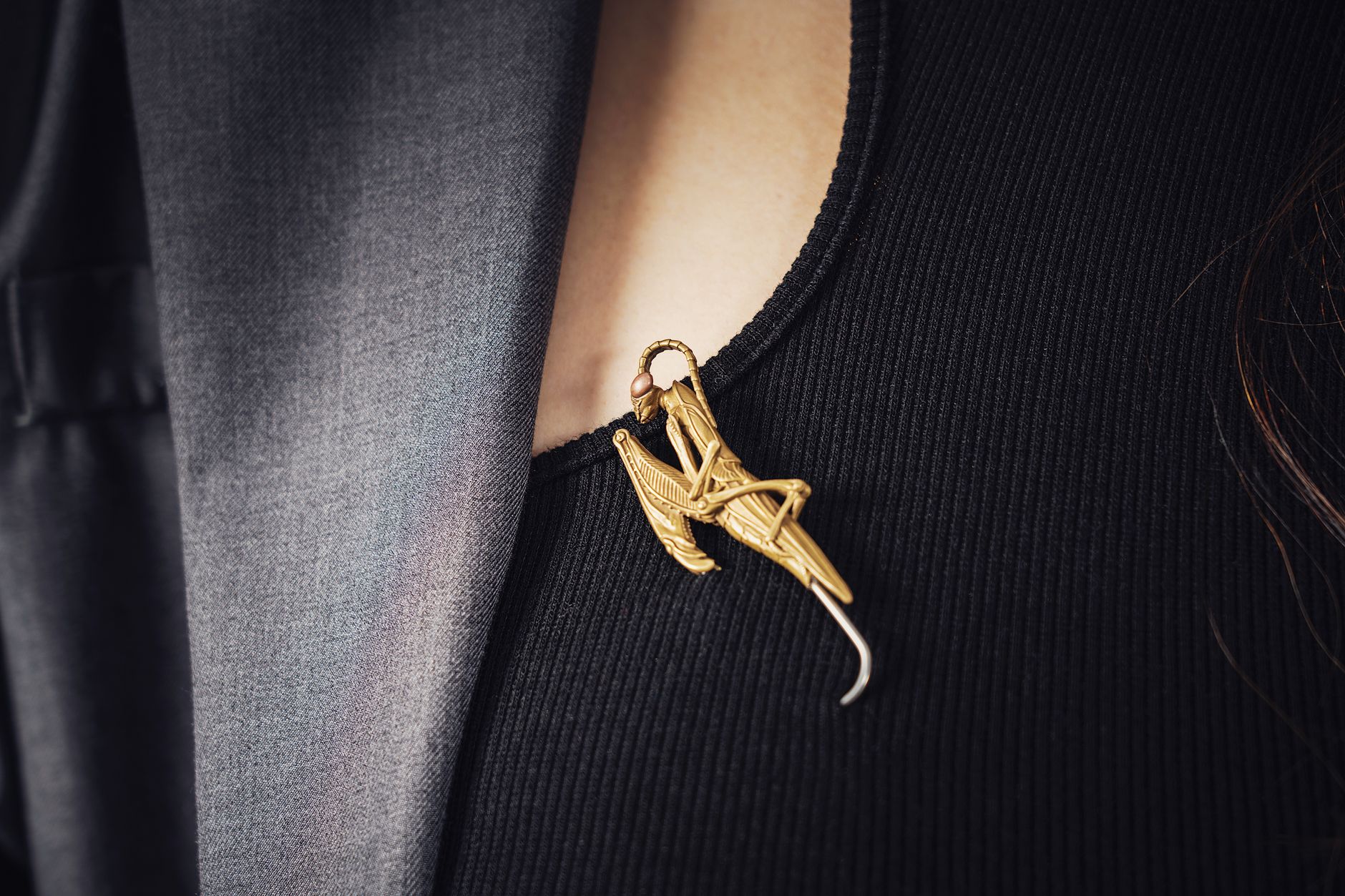
1. The Form Does the Work
Most hat pin trends rise and fall on the strength of their graphic appeal – a small enamel strawberry, a vintage cameo, a tiny sculptural hand. The croquet spike cap inverts that logic. There is no graphic. The form itself carries all the visual information: a short tube, slightly tapered at the base, with a domed or flat cap at the top depending on the manufacturer.
That restraint is doing serious heavy lifting in the context of current minimalist dressing. When your outfit is a single-color column or a clean-lined blazer with no visible hardware, you want an accessory that adds presence without noise. The spike cap, worn through the brim of a felt fedora or a structured wool cap, reads as a deliberate interruption rather than a decoration. It stops the eye without explaining itself.
The color range available through sporting goods suppliers – gunmetal, aged brass, white rubber, forest green – maps almost perfectly onto the neutral palettes that have dominated accessories for the past two years. This is not a coincidence born of design collaboration; it is a coincidence born of function. Sports equipment does not need to match outfits. It just needs to be durable and visible on grass. The fact that those requirements produce tones that work beautifully against camel wool and slate linen is one of those rare accidental alignments that fashion tends to exploit very quickly once noticed.
2. Sourcing Friction Creates Perceived Value
There is a specific cultural currency attached to accessories that require some effort to find. Enamel pins are available in every format imaginable, from airport gift shops to fast-fashion checkout lanes. The croquet spike cap is not. You are looking at sporting goods suppliers, croquet club equipment catalogs, and occasionally estate sale lots from British country houses clearing out storage sheds. That sourcing path has friction, and friction creates perceived rarity.
This is not about exclusivity in the traditional luxury sense – the actual cost of these caps is negligible. A set of replacement spike caps for a croquet set runs a few dollars at most. The value is not monetary. It is about the knowledge required to know what you are looking at, and the effort required to obtain it outside of conventional retail. Wearing one signals a particular kind of looking-at-the-world, an attention to objects that exist outside the fashion supply chain.
3. The British Country Sports Aesthetic Has Reached Critical Mass
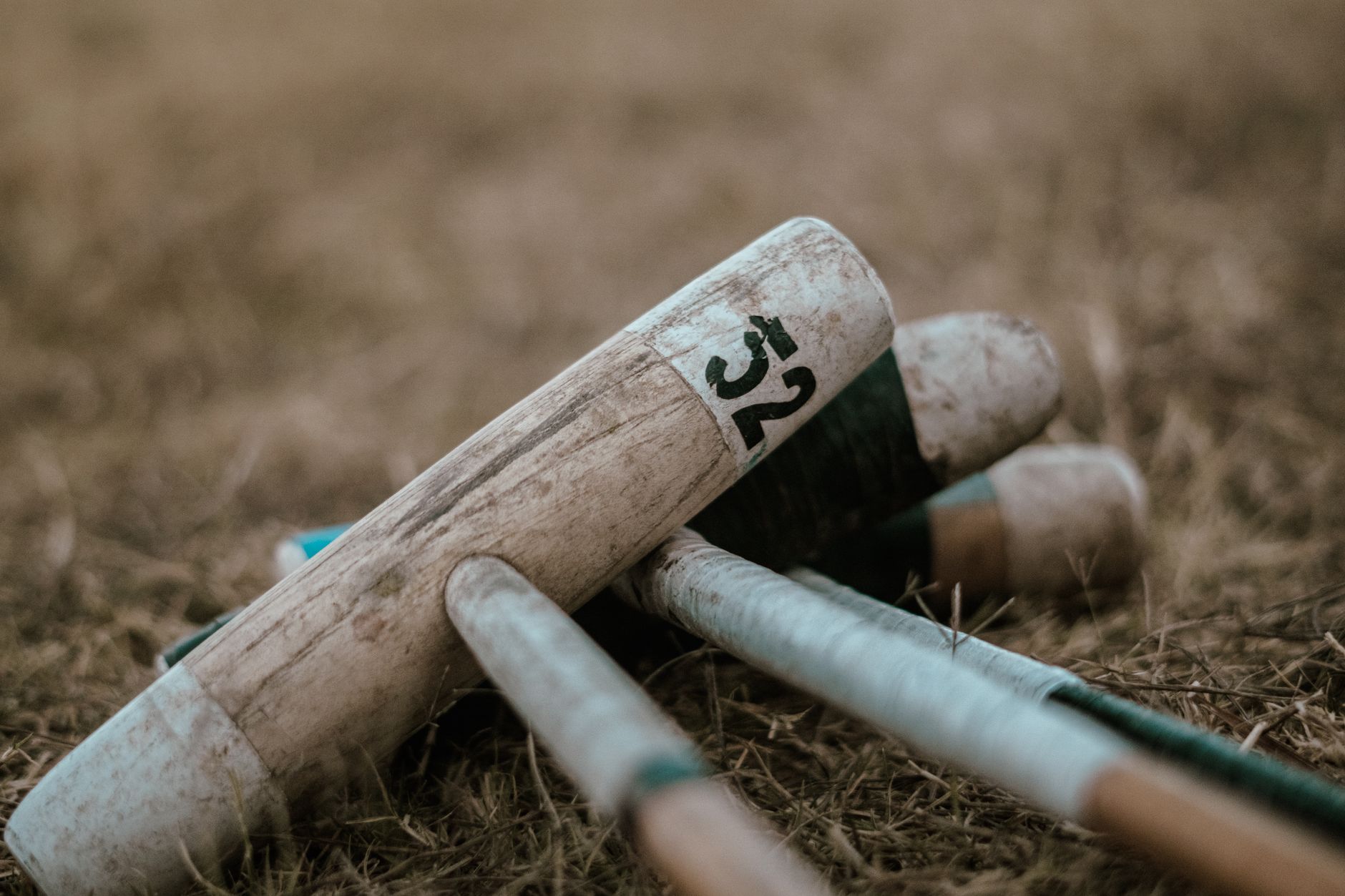
The broader aesthetic context matters here. British country sports – shooting, fishing, croquet, lawn bowls – have been feeding into fashion’s visual vocabulary steadily, producing a sensibility built around worn waxed cotton, wooden-handled tools, and equipment that looks like it has been in a family shed for forty years. Croquet specifically carries a very particular tonal register: formal enough to require whites, informal enough to take place on a lawn with a glass of something cold nearby.
That register has become genuinely desirable in fashion circles that are tired of streetwear references and looking for something with different cultural coordinates. The croquet spike cap, as a hat pin, is a compressed version of that entire aesthetic. It requires no explanation if you know, and it requires no branding if you understand what you are wearing.
A growing number of vintage dealers in London and New York have started pulling croquet equipment accessories into their accessory cases alongside hunting horn pendants and sailing brass rings. The spike cap sits naturally in that company – small, metal, functional in origin, and completely stripped of any attempt to be fashionable. That quality of not trying is, perennially, the hardest thing to fake.
4. Pin Placement Is Becoming Its Own Conversation
Where you put a hat pin matters as much as what the pin is. The traditional placement – through the crown near the brim – is the baseline. What is happening now with spike caps specifically is a pushback against that convention.
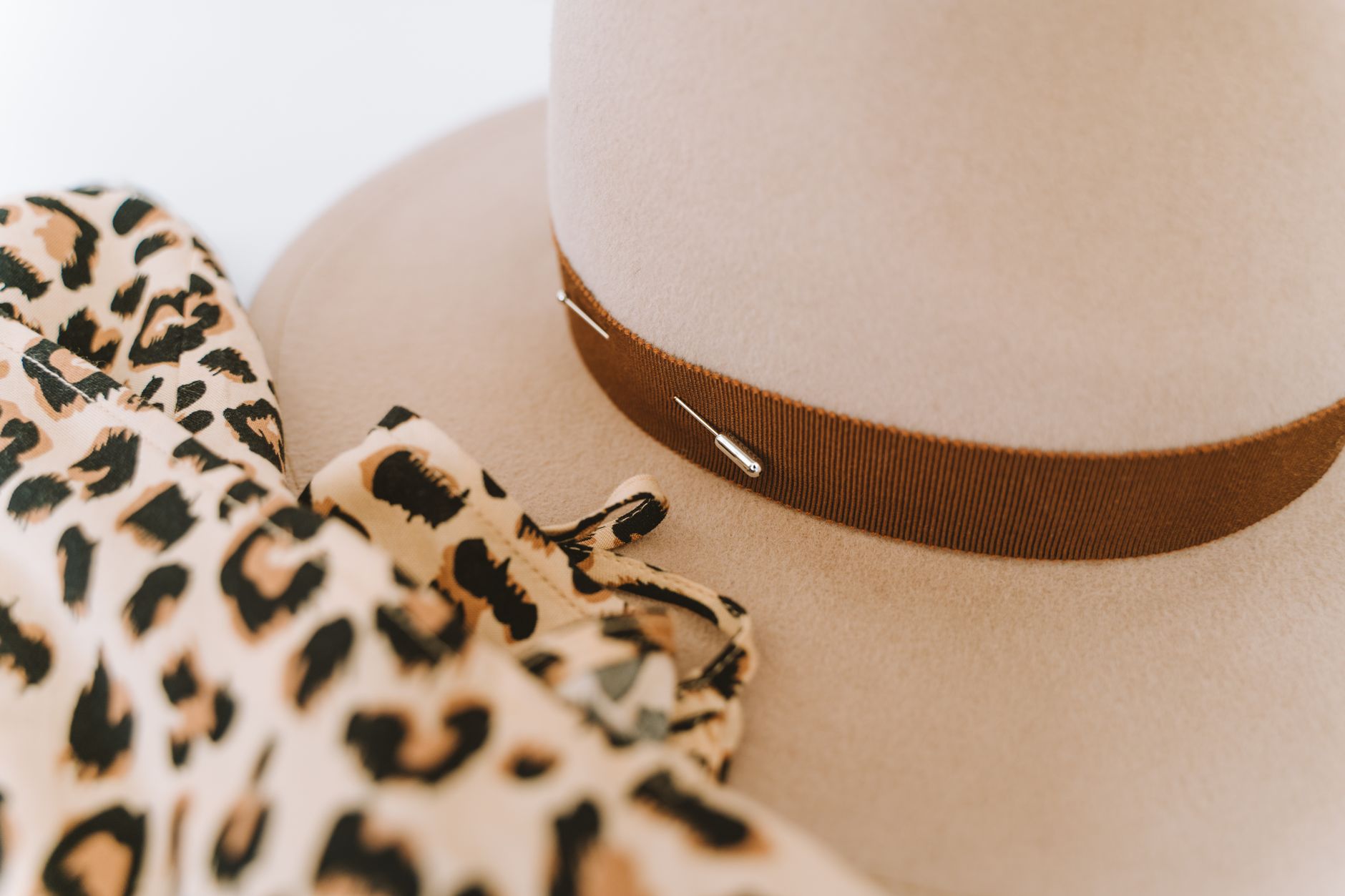
Because of the spike cap’s cylindrical shape and relatively blunt profile, it reads differently depending on placement angle and hat material. Through the brim at a flat horizontal angle on a straw hat, it resembles a small architectural detail, almost like a rivet. Angled upward through the crown of a bucket hat, it reads more assertive, closer to a military reference. Placed through a double layer of felt at the back of a wide-brimmed felt hat, it becomes barely visible from the front – a discovery rather than a statement. Each placement communicates something different, and the same object can serve completely different stylistic purposes depending on how it is used.
This flexibility is relatively rare in hat pin culture, where most pieces are designed for a single, obvious application. The spike cap’s geometric neutrality means it does not impose a reading; the wearer generates the meaning through context. That is a much more sophisticated accessory dynamic than it appears on the surface.
5. The Tactile Element Is Non-Negotiable
Handling a brass croquet spike cap is a distinct physical experience. The weight is concentrated, the surface is smooth but not polished to gloss, and the form fits between two fingers in a way that feels resolved rather than decorative. There is a reason certain objects become talismans – they feel right in the hand before they mean anything visually.
This tactile quality translates into wear in ways that are hard to articulate but easy to notice. A well-weighted pin on a hat brim shifts the drape of the hat very slightly, adding structure at the point of attachment. With a soft felt or canvas hat that tends to lose shape over the course of a day, this is practically useful as well as aesthetically interesting. The spike cap, which is literally designed to anchor things into the ground, performs a miniature version of that function on fabric.
6. The Price Point Keeps the Trend Accessible
Most micro-accessory trends eventually price themselves into irrelevance. A small brass pin becomes a collectible, then a status object, then a boutique product with a margin that has nothing to do with the object itself. The croquet spike cap has not reached that point yet, and there is a structural reason it may not: the supply source is sporting goods infrastructure, not fashion infrastructure, and sporting goods suppliers have no particular incentive to raise prices on items that cost pennies to manufacture.
The window in which an accessory is genuinely cheap, genuinely hard to find through normal retail channels, and genuinely interesting to a style-conscious audience is narrow. That window is open right now for the spike cap.
7. What Comes After Function-Sourced Accessories?
The croquet spike cap belongs to a broader pattern in accessory culture: the mining of functional objects from sports and trades for their incidental aesthetic properties. The question worth sitting with is whether this pattern has a natural ceiling, or whether the supply of overlooked functional objects is effectively unlimited.
Rowing culture has been a parallel source – rowing club leather rigger glove cuffs have been moving through the same minimalist accessories conversation for similar reasons: specificity of origin, zero design intent, and a material quality that happens to reward close attention. The croquet spike cap and the rigger glove cuff are coming from the same cultural impulse, even though they originate in completely different activities.
Whether this impulse produces a genuine lasting accessory category or cycles through and disappears probably depends on whether any brand decides to deliberately manufacture something that mimics the look. The moment that happens, the original sourced version loses exactly the quality that made it interesting. Until then, you are looking for them in the sporting goods aisle, not the accessories cabinet.