


When Lawn Sports Meet Leather Goods
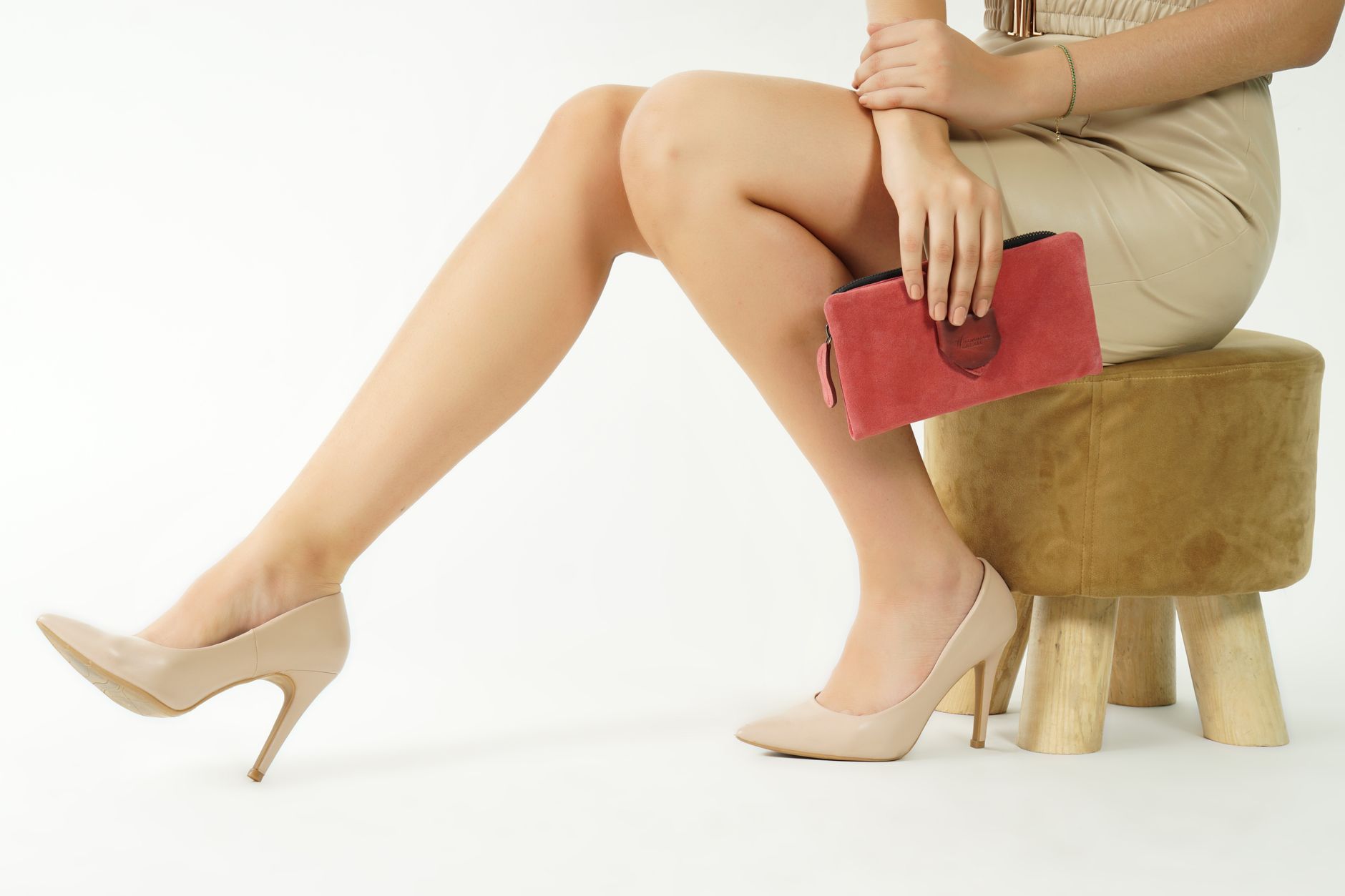
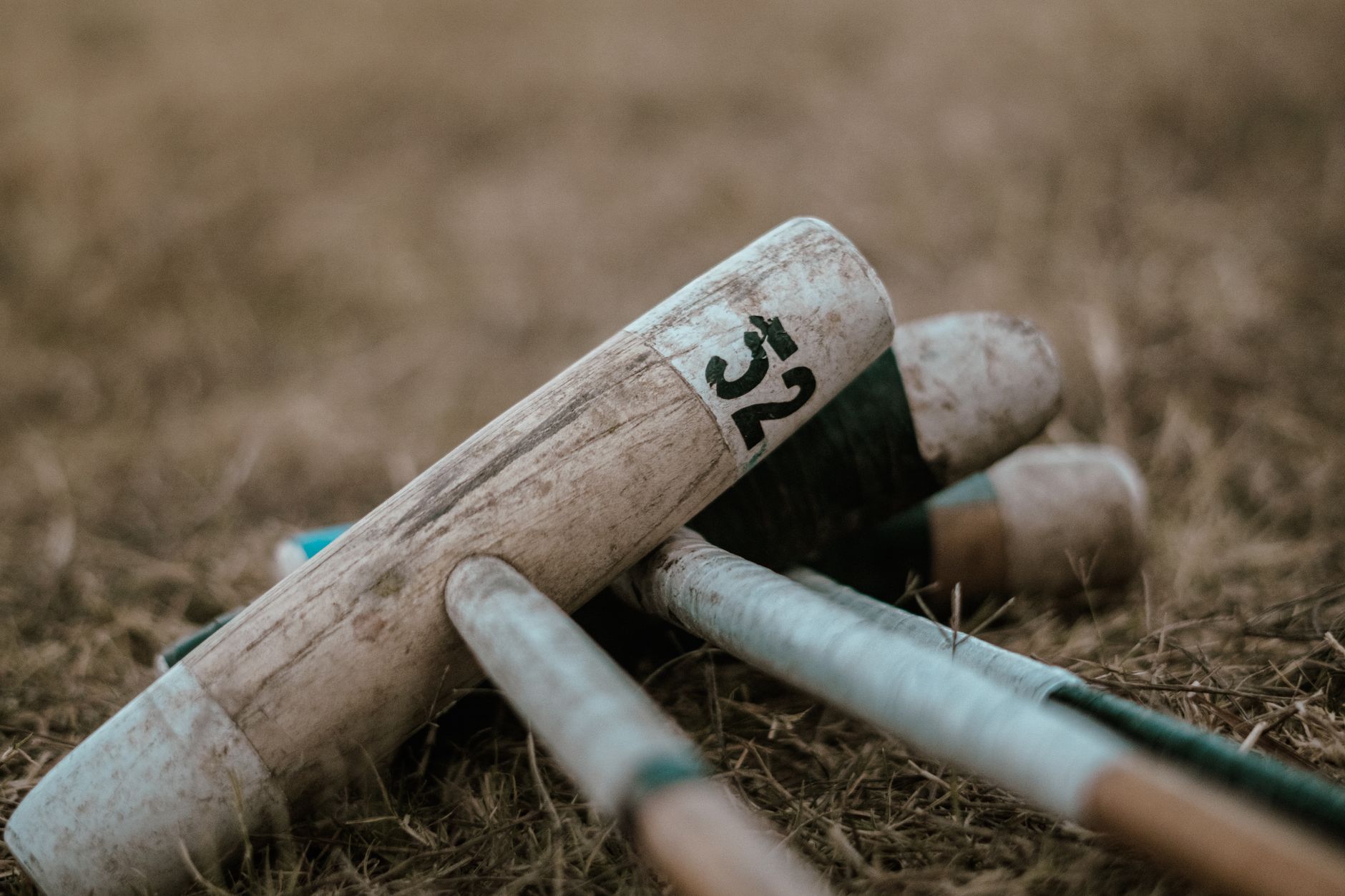
Croquet is not a sport typically associated with high fashion. Its equipment – heavy hardwood mallets, painted hoops, colored balls – belongs to the afternoon lawn, not the runway. But the scoring lines scored into the face of a croquet mallet, those clean parallel grooves cut into the wood to improve ball contact, are turning up as a decorative and structural motif on a new wave of leather clutches. The translation is precise: shallow, evenly spaced ridges pressed or laser-etched directly into the leather face, running horizontal or diagonal across the bag’s front panel.
What makes this particular crossover worth watching is how non-obvious it is. Sports-to-fashion borrowing usually pulls from visible, glamorous equipment – the curve of a tennis racket, the stitch of a football. A mallet face is a quiet, utilitarian detail, noticed mainly by people who play the game or maintain the equipment. That obscurity is exactly the point. The clutches carrying this influence don’t announce it. They simply feel more considered, more textured, more purposeful than a plain leather surface.
The Geometry Behind the Groove
A mallet face scoring pattern is not random. Traditional croquet mallet faces are scored in a tight grid or parallel line formation, cut at controlled depth to grip the ball without distorting the strike. On leather, that same geometry produces a surface that catches light differently depending on angle – shadow pooling in the grooves, the raised ridges picking up a subtle sheen. The visual effect is closer to architectural ribbing than to conventional bag embossing, which tends toward floral or logo-driven motifs.
Leather responds to this treatment particularly well because the material holds a pressed or etched line with permanence. Unlike fabric, which softens and blurs over time, full-grain or vegetable-tanned leather will deepen in color along the groove as it ages, making the pattern more visible with wear rather than less. The clutch essentially develops alongside its owner, the scoring lines becoming more pronounced the longer the bag is used.
The structured clutch format – rigid body, defined edges, no drape – is the right canvas for this kind of surface detail. A soft hobo or a draped evening bag would lose the geometry to the fabric’s movement. A rigid leather clutch holds the lines flat and taut, so the scoring pattern reads as a deliberate surface design rather than an accidental texture. Designers working in this space are pairing the grooved face with clean, unadorned hardware: simple turn-lock closures, minimal edge piping, no tassels. The scoring does the visual work on its own.
Why Structured Bags Are the Right Vehicle
The structured clutch has been cycling through a quiet revival that has nothing to do with nostalgia and everything to do with functionality. Rigid bags organize. They sit upright. They work at dinner and at a formal meeting and in a photograph without looking like they’re trying too hard. Adding a surface detail drawn from sports equipment gives the silhouette an additional layer of visual interest without making the bag louder or more decorative in the conventional sense.
This is a different approach from the embellishment trend that dominated evening bags for several seasons – crystal hardware, feather trim, chain fringe. Those details announced themselves immediately. The mallet-face scoring line is a detail you notice on closer inspection, which positions the clutch as something for a buyer who wants to be observed rather than obvious. The appeal is more aligned with the polo and equestrian aesthetic that has been filtering through ready-to-wear, where the technical stitching and structural details of sport equipment inform accessories without making the sporting reference explicit.
Material, Scale, and Execution
The scoring line detail works across a range of leather types, but the results differ meaningfully depending on material choice. On smooth, tight-grain leather, the grooves read as a sharp, architectural pattern – high contrast between ridge and channel. On pebbled or tumbled leather, the scoring softens, blending with the surface’s existing texture and producing something more organic. Both approaches are appearing in the market, serving different customer profiles: the smooth version skews formal and precise, the pebbled version works across more casual contexts.
Scale is the other variable. A scoring pattern set at tight intervals – lines close together, shallow cuts – reads as texture rather than motif. Wider spacing, deeper grooves, and the effect becomes graphic, functioning more like a pattern than a surface treatment. A growing number of designers are playing with asymmetric scoring – lines that run at a slight diagonal or vary in spacing across the face – which breaks the uniformity of the mallet reference while keeping the geometric character intact.
Color choices are running toward tones that maximize the shadow play within the grooves: warm tans, dark chocolates, olive greens, and bone whites. Black leather is a more complicated call because the shadow contrast in the grooves is minimal; the pattern reads mainly as texture rather than light-and-shadow geometry. Cognac and caramel shades are performing best visually, where the depth of the groove pulls the leather a full shade darker and creates a natural gradient across the bag’s face without any additional dye or treatment.
Pricing for clutches at this level of surface craftsmanship typically falls well above mass market, because the scoring process – whether done by hand tool, die press, or laser etcher – adds production time and requires consistent leather quality to execute cleanly. A single flaw in the hide will interrupt the line and compromise the whole panel. That quality threshold is raising the floor on what the clutch category can command at retail, and it’s pushing buyers toward independent leather artisans and small-run designers who can control their source material closely enough to maintain consistency across a batch.
Frequently Asked Questions
What are scoring lines on a croquet mallet?
Scoring lines are shallow parallel grooves cut into the mallet face to improve ball contact. On leather clutches, the same grid or line pattern is pressed or etched into the surface as a decorative and textural detail.
What type of leather works best for scored clutch designs?
Smooth, tight-grain leather produces the sharpest contrast between groove and ridge, while pebbled leather softens the effect. Warm tones like cognac and caramel maximize shadow depth within the scoring lines.