

The Buckle That Time Forgot – Until Now
There is a particular piece of hardware that has fastened the knickerbockers of Eton College field game players for well over a century – a small, functional side buckle that cinches trouser fabric at the calf, keeps the garment in place during a scrummage, and otherwise asks very little of the wearer. It is not decorative by design. It does not advertise itself. And that, apparently, is precisely why a growing number of menswear designers are fascinated by it right now.
The Eton field game knicker buckle is migrating from its original context – muddy college pitches in Berkshire, England – into a far more visible one: the trouser tab. Designers working across tailored, workwear-adjacent, and even streetwear categories are incorporating this side-cinching hardware into waistbands, calf openings, and leg hems. The movement is quiet, which makes it worth watching closely.
What the Buckle Actually Is
The field game itself is a form of football played exclusively at Eton, with rules that exist nowhere else on earth. The knickers – a term used in the British sporting sense, referring to knee-length breeches – are part of the traditional kit. The buckle at the side of the calf is not ornamental; it exists to keep the trouser snug against the leg during physical play, preventing fabric from catching or dragging. It is, in pure design terms, a problem-solving object.
That utilitarian origin is the key to understanding why this detail translates so well into contemporary fashion. The buckle carries no lifestyle branding, no logo, no obvious cultural shorthand that needs to be bought into or decoded. It simply does what it does – it adjusts, it holds, it closes – and that mechanical honesty is something tailoring circles have been returning to repeatedly as a counter-move against overly finished, overly smooth garment construction.
How It Translates to the Trouser Tab
The trouser tab is itself a heritage detail – a small strap and buckle or button positioned at the back of the waistband, allowing for minor adjustments in fit without a belt. It was standard on military trousers and working-class workwear for much of the early twentieth century before largely disappearing from mainstream tailoring. The revival of the tab has been building quietly for several seasons, particularly among brands interested in archival menswear construction.
What designers are doing now is applying the same logic of the field game buckle – side placement, functional cinching, metal hardware – to trousers in ways that go beyond the waistband. Buckled tabs are appearing at the calf opening of tapered trousers, at the knee on wide-leg cuts, and along the outer leg seam on more adventurous silhouettes. The detail reads as intentional and specific rather than decorative, which keeps it from tipping into costume territory.
The hardware itself matters. The field game buckle is typically a simple roller buckle – the same mechanism you would find on a watch strap or a riding stirrup. When translated into fashion, that same restraint in hardware choice signals knowledge rather than novelty. Chunky, oversized buckles carry a different cultural weight; they signal punk or maximalism. The small roller buckle signals something else – precision, function, history.
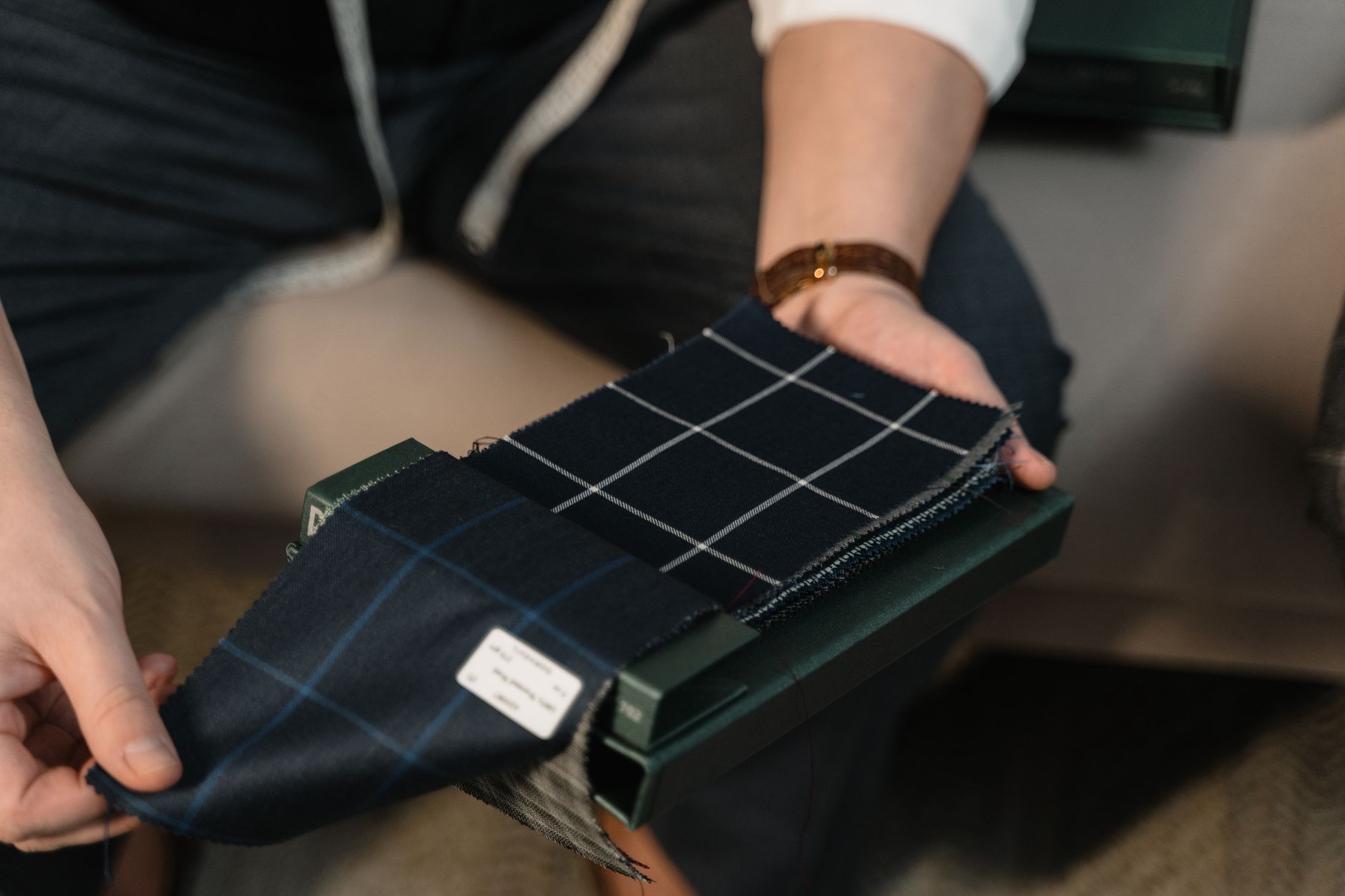
Fabric choice amplifies the effect. The detail works best on heavier materials: wool flannel, waxed cotton, heavy linen, technical canvas. On these surfaces, the buckle looks like it belongs. On lightweight fabrics, it risks looking applied rather than structural, which defeats the purpose of referencing functional sportswear in the first place.
The Appeal of Institutional Sportswear
Eton’s sporting kit is not the only institutional uniform to have generated fashion interest. Rugby shirts, cricket whites, and rowing shorts – including Eton College rowing shorts – have all filtered through fashion cycles at various points. What these garments share is a design logic governed entirely by the demands of the sport rather than by aesthetic fashion. That makes them extraordinarily stable references: the garments have not been changed by trends, so they arrive into the fashion conversation with an integrity that purely stylistic references often lack.
Institutional sportswear also carries a class dimension that fashion has long been drawn to, for both flattering and critical reasons. Eton in particular sits at the center of a very specific British mythology. Designers referencing its kit are making a choice about what that mythology means – whether they are celebrating the craftsmanship of the uniform, subverting its social associations by placing it in a different context, or simply extracting the hardware detail from its context entirely and letting it stand alone as form. All three approaches are visible in current collections, and they produce very different garments.
Why This Moment, Why This Detail
Menswear has been working through a sustained interest in construction visibility – in showing the mechanisms of how a garment holds together rather than concealing them under clean linings and smooth seams. Buckles, straps, visible button fastenings, exposed bar tacks – these are all part of the same tendency. The field game knicker buckle fits directly into that logic. It is a mechanism that was never hidden to begin with, and transporting it into tailoring simply makes it visible in a new context.
There is also a wearability argument. A trouser with a side-calf buckle tab can be adjusted across a meaningful range of leg widths, which matters in a market where wide and tapered silhouettes are both in circulation simultaneously and where customers increasingly expect garments to work across different styling choices. Function and aesthetics are making the same case at the same time, which is not always how fashion trends operate.
The detail also travels quietly. Unlike a statement silhouette or a graphic print, a small metal buckle on a trouser leg does not announce itself across a room. It rewards attention – it is the kind of thing another well-dressed person notices and asks about. That word-of-mouth quality is something tailoring brands specifically tend to value, and it explains why this detail is moving through that world rather than through louder fashion categories. The question is whether the buckle stays in that register or gets amplified into something more obvious – because the moment it does, it loses the quality that made it interesting to begin with.