

The Unlikely Tailoring Reference Dominating Trouser Design
Knee breeches have not been standard dress outside of ceremonial or theatrical contexts for well over a century. Yet the specific cut associated with Eton College’s historic formal uniform – a garment that terminates precisely at the knee with a fitted, structured taper – is showing up in the silhouette logic of some of the most talked-about trouser hems this season. The connection is not accidental. Designers working in tailored menswear and crossover womenswear are deliberately studying historical garments for their structural precision, and Eton’s knee breeches offer something that contemporary sportswear and casualwear rarely do: a hem that does intentional, architectural work.
The appeal is rooted in proportion. Eton knee breeches were designed to terminate at a moment of visual tension – just below the widest point of the thigh, pulling inward toward the knee – creating a silhouette that emphasizes leg shape without relying on stretch fabric or visible construction. That same logic is now being applied to full-length tapered trousers, where the hem is treated not as an afterthought but as the visual anchor of the entire garment. The hem width, its exact placement on the ankle, the subtle flare or clench at the cuff: all of it borrows from the deliberate precision that breeches required.
What “Breech Logic” Actually Means in Modern Tailoring
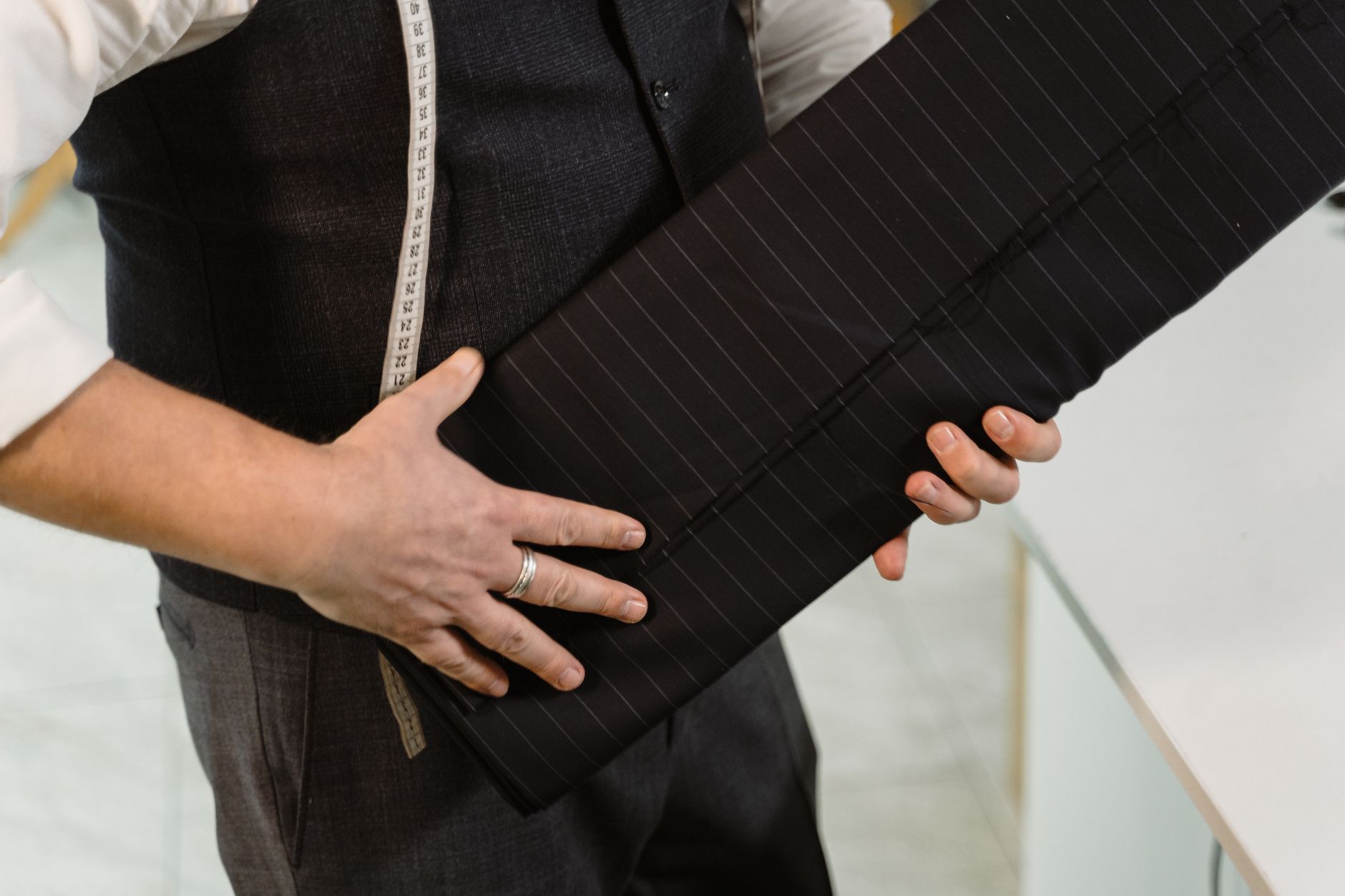
The term “breech logic” has started circulating among tailoring-forward designers to describe a specific approach to trouser construction: building the garment from the hem upward rather than from the waistband down. Traditional trouser design often treats the waistline and seat as the primary fit zones, leaving the hem to be adjusted at the last stage. Breech logic inverts this, establishing the hem width and position first, then engineering the inseam and thigh to lead naturally to that conclusion. The resulting trouser tends to feel more intentional through the lower leg, and the hem sits with a particular stillness – it does not shift or bunch.
Eton breeches in their traditional form were buckled or buttoned just below the knee, which meant the terminus of the garment had to be finished with care. There was no cuff folded up for convenience, no raw hem hemmed up last minute. The bottom of the garment was a considered, structural endpoint. Modern tapered trousers borrowing this reference are adopting that same finishing ethos – heavier interfacing at the hem, a slight inward roll rather than a sharp crease, and a break that hovers deliberately above the shoe rather than resting on it.
The silhouette that results reads as narrow without reading as tight. This is the key distinction. Slim trousers that depend on stretch or a very close cut through the thigh create a different visual effect – one that is body-dependent and often reads as casual or athletic. The breech-influenced taper, by contrast, holds its shape independent of the body underneath. A trouser cut with this method looks the same on a hanger as it does on a person, which is precisely the quality that formal tailoring has always prized.
Fabric selection matters enormously here. Eton breeches were traditionally made in heavy wool or worsted, materials that hold a pressed shape. Contemporary versions of this silhouette are appearing in similar weights – structured wool crepe, mid-weight gabardine, pressed cotton twill – with designers actively avoiding the lightweight performance fabrics that would make the hem collapse under its own logic. The weight of the fabric is what allows the hem to function architecturally rather than decoratively.
How the Hem Became the Focal Point
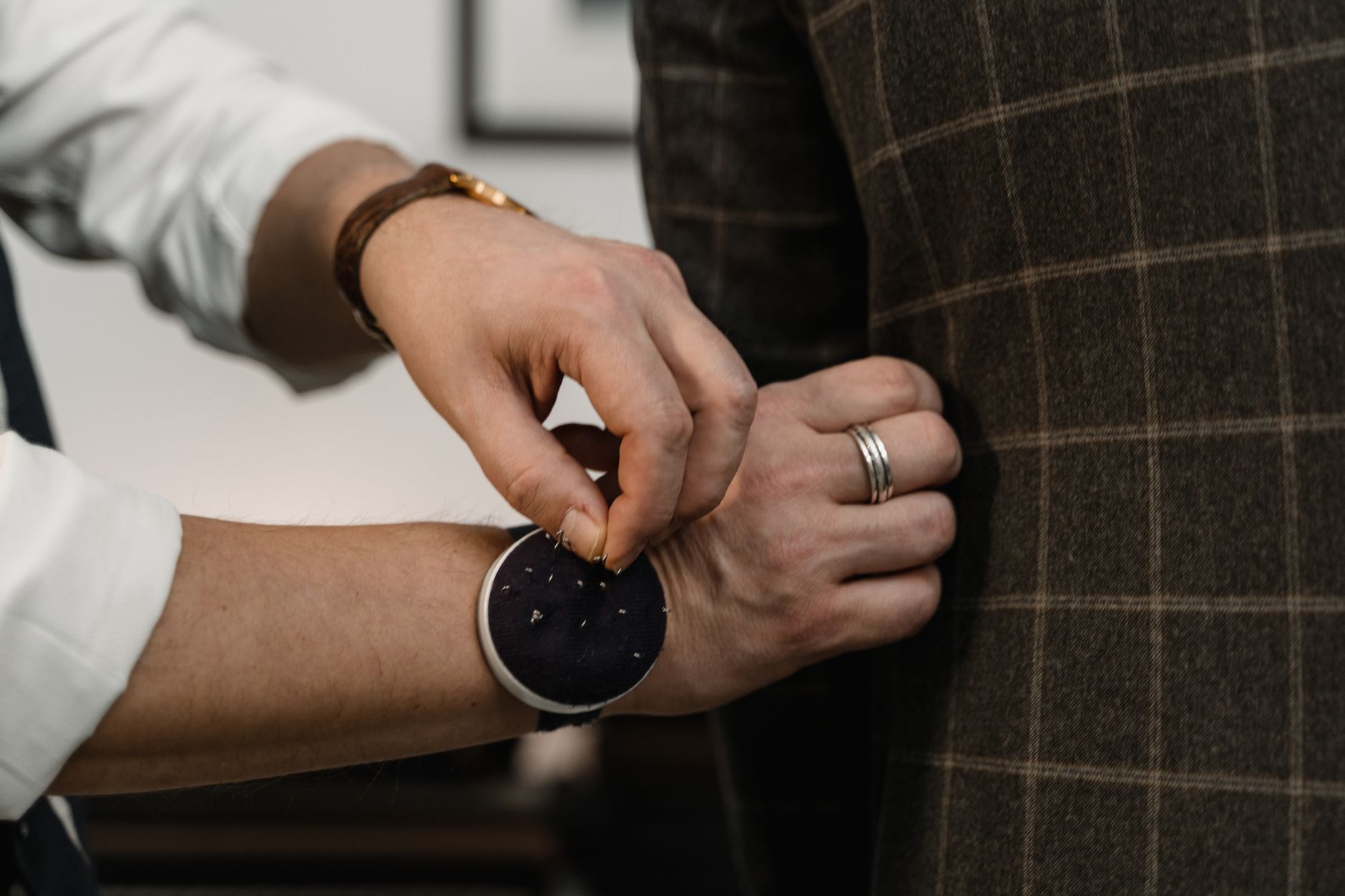
For most of the 2010s, trouser hems were defined by the cropped silhouette: a clean, high cut above the ankle that showed sock and created a casual, abbreviated line. That moment is not entirely over, but a different conversation has started. The hem is no longer just about where the trouser stops – it is about how it stops. A growing number of tailors and ready-to-wear labels are treating the final two to three inches of the trouser leg as a design zone in itself, adding structure, adjusting width, and specifying whether the hem should break forward or fall straight.
This attention to the hem as an expressive endpoint connects directly to historical tailoring traditions that the breech silhouette represents. When the endpoint of a garment is as constructed as its origin point, the whole piece reads differently – as something with a beginning and an end, rather than fabric that simply runs out.
The Crossover Into Womenswear
The breech-influenced taper is not staying within the boundaries of menswear. Several womenswear collections have incorporated the same structural logic into wide-leg and straight-leg trouser cuts, where the hem narrows only in the final few inches to create a subtle pull toward the ankle. The effect is different from a traditional tapered trouser because the narrowing happens late rather than gradually – the leg stays relatively full through the thigh and knee before making its structural move.
This approach works particularly well in suiting contexts. A wide trouser that maintains its width until the hem arrives creates a floor-length silhouette that reads as formal without being stiff. The breech reference – that precise, deliberate terminus – gives the garment a sense of conclusion. It tells the eye where to stop looking, which is something that a trouser with a raw or hemmed-flat bottom in the same fabric does not do as clearly.
The styling that accompanies these trousers in editorial and runway contexts has also shifted. Rather than pairing tapered hems with bulky sneakers that interrupt the line, or with ankle boots that chop the leg, the breech-influenced trouser tends to be shown with a slim shoe – a pointed flat, a low heel, a simple loafer – that allows the hem to land cleanly on the foot without visual disruption. The shoe becomes an extension of the trouser’s logic rather than a counterpoint to it.
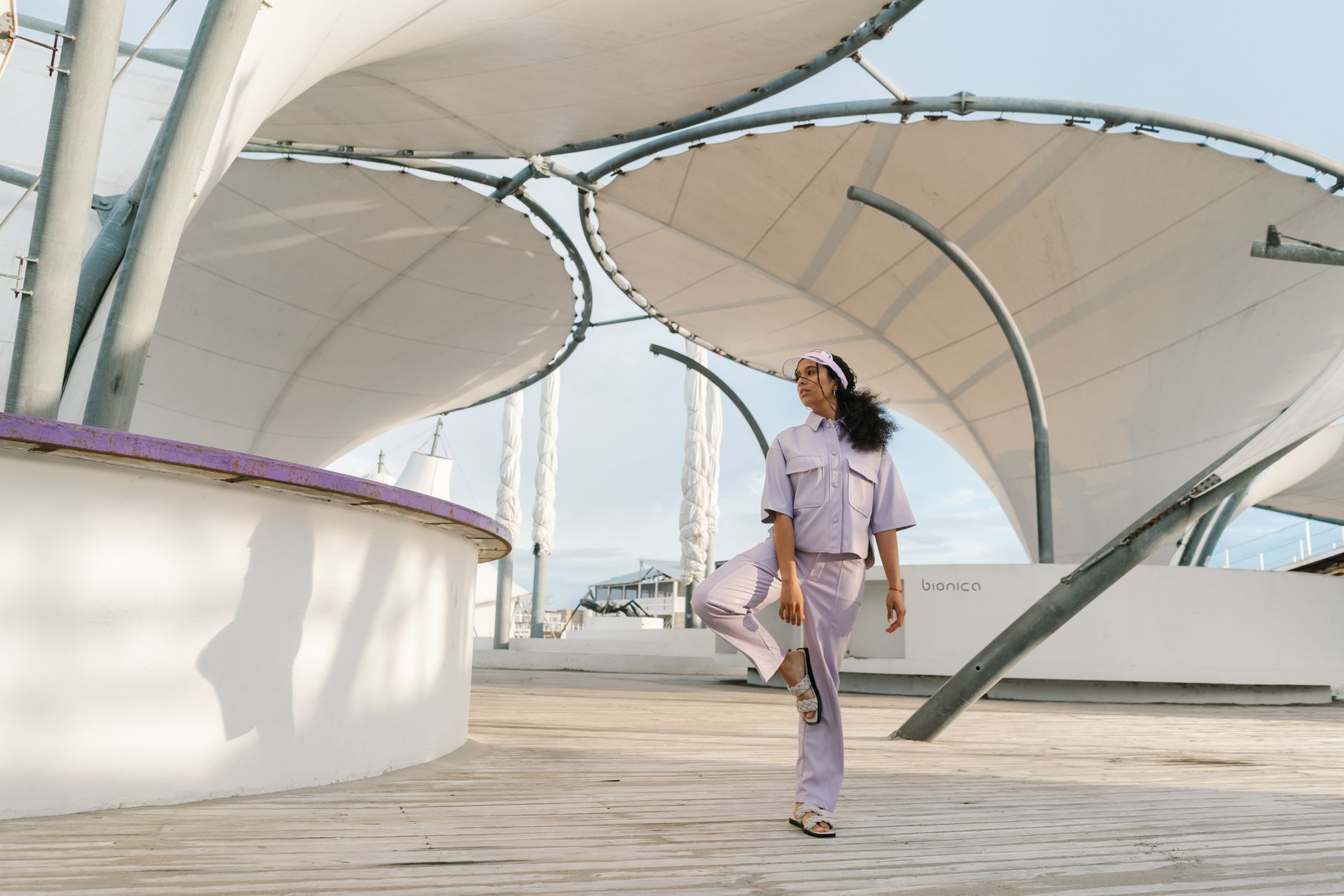
The Eton reference – whether designers name it explicitly or simply absorb it through archival research – carries something that purely contemporary silhouettes often lack: the understanding that a garment should know where it is going before it gets there. The Eton College aesthetic has proven more generative as a design source than most would have predicted, with its structured garments offering a geometry that modern fashion keeps returning to. In the case of the knee breeches, the specific lesson is about the hem – and what it means to end a garment with intention rather than convention. Whether that lesson holds as fast fashion catches up and begins mass-producing “structured tapered” trousers in polyester crepe is the more uncomfortable question.