

A stitching technique borrowed from fencing protective gear is finding its way into the sleeve hems of structured jackets, blazers, and dress shirts – and it is doing so with very little fanfare. The gauntlet cuff welt, a reinforced edge construction traditionally used to protect the wrist in sport fencing uniforms, is being adapted by tailors and ready-to-wear designers alike to add definition, durability, and a subtle architectural quality to tailored sleeves.
What the Gauntlet Cuff Actually Does to a Sleeve
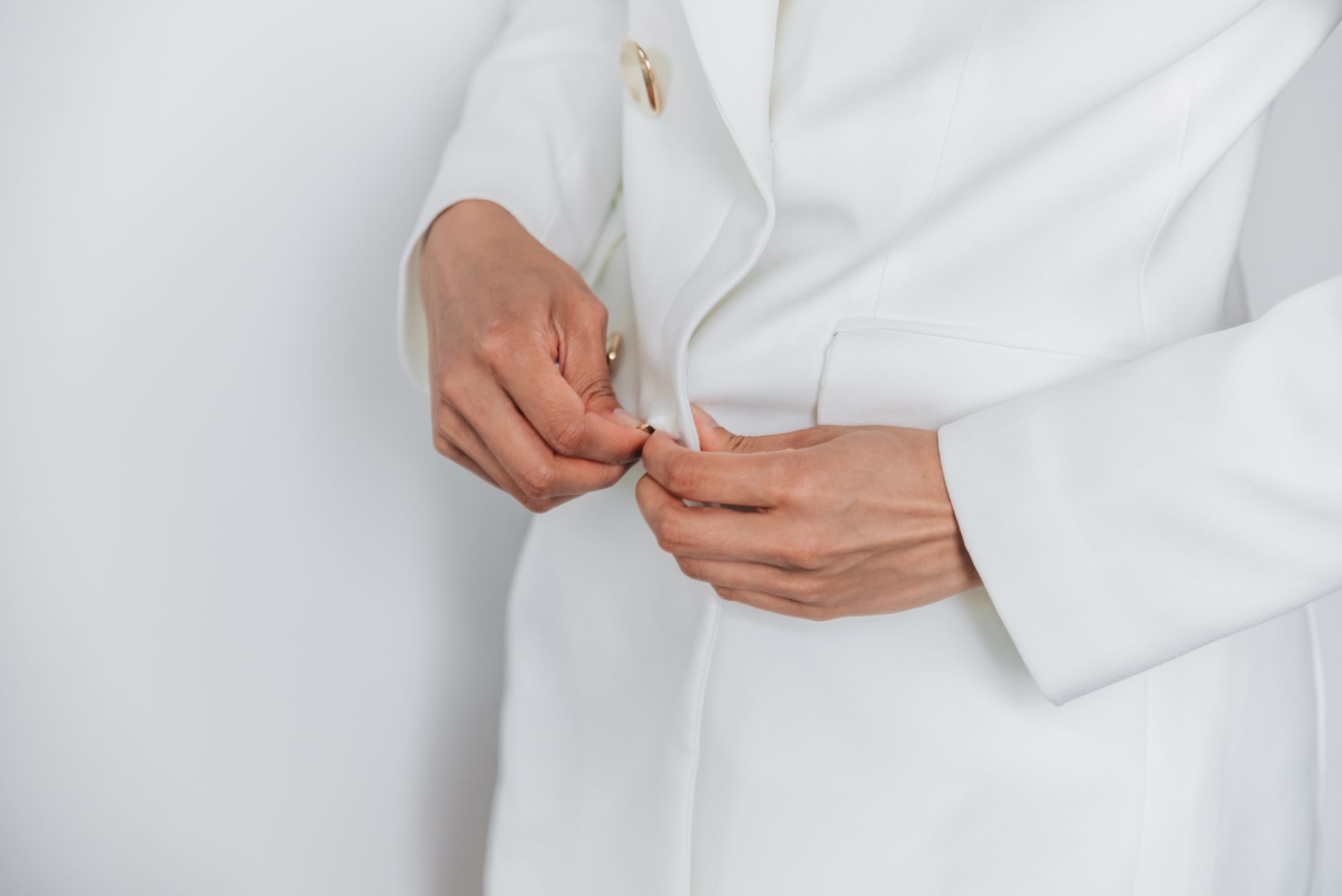
The welt stitch in fencing gear exists for a functional reason: it creates a raised, reinforced seam along the cuff opening that resists fraying and holds its shape under repeated stress. When translated into civilian tailoring, that same structural logic applies differently. The welt creates a visible ridge at the sleeve hem that acts like a frame, giving the cuff a finished edge that is sharper than a simple turned hem and more tactile than a standard fused interfacing treatment.
Traditional sleeve hems in tailored jackets rely on either hand-stitched pick stitching, machine blind hems, or iron-bonded tape to keep the lining and shell fabric together. These methods work, but they tend to disappear into the garment. Welt stitching, by contrast, sits on top of the fabric in a way that announces itself – not loudly, but visibly. A neat double row of parallel stitching running along the outer edge of the sleeve cuff changes the silhouette of the whole arm, making the sleeve look more intentional from a distance and more interesting up close.
The technique also interacts with fabric differently depending on the material. On a heavy wool suiting cloth, welt stitching compresses the fibers at the cuff edge and creates a slightly stiffer, more defined line. On a lighter cotton or linen blend, the same stitch pattern adds structure without weight, which is particularly useful for warm-weather tailoring where interfacing can feel stifling. That adaptability is a large part of why this detail is crossing over from its niche origins into broader tailoring practice.
There is also a practical argument for it beyond aesthetics. Welt stitching holds the cuff hem in place more reliably than most bonding methods, particularly in garments that are dry-cleaned repeatedly. The stitching distributes stress along the seam rather than concentrating it at a single fold point, which means the cuff is less likely to separate or buckle after extended wear. For garments that are expected to last years rather than seasons, that kind of construction logic matters.
How Tailors Are Working With the Detail Now
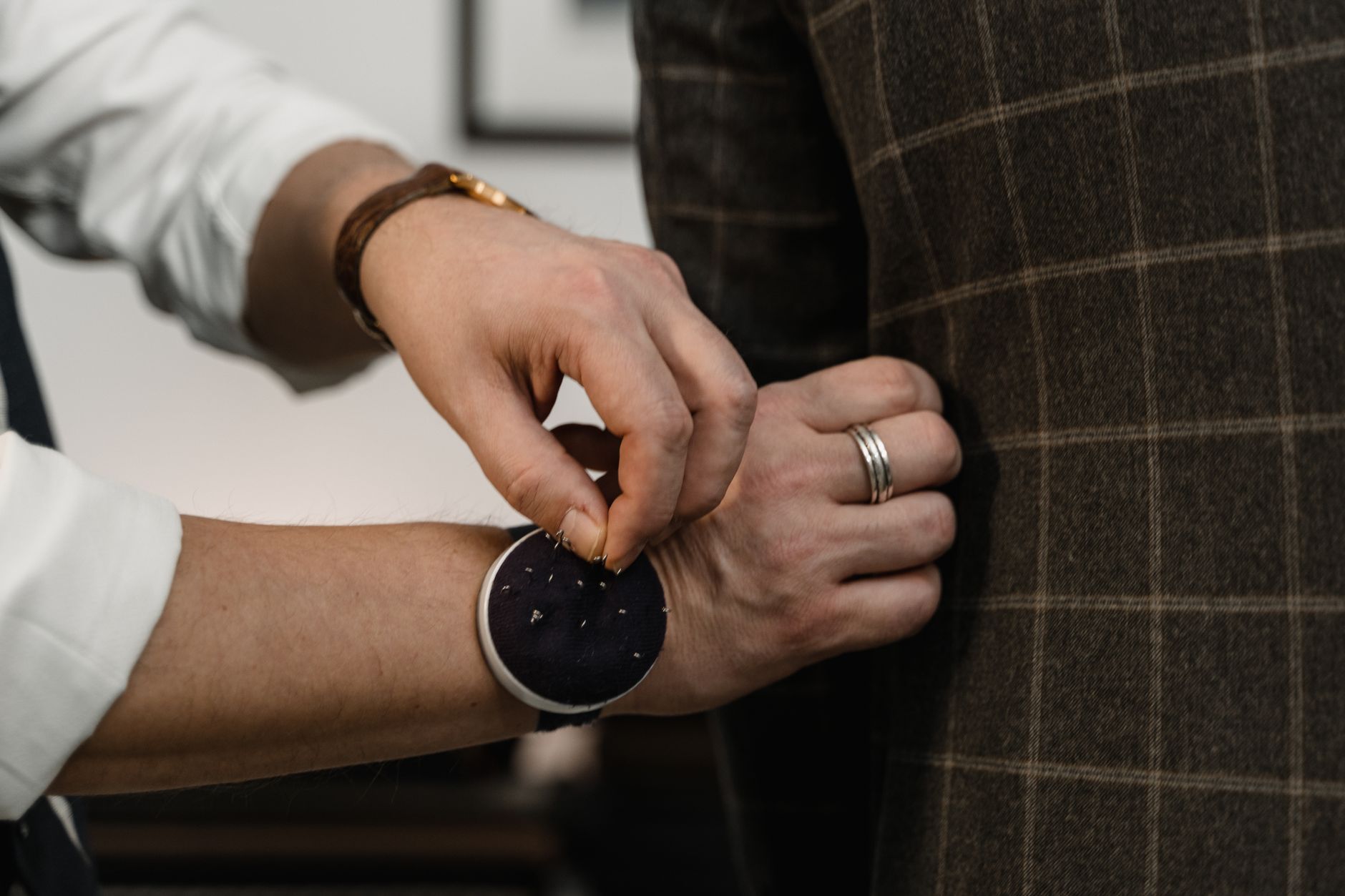
Bespoke and made-to-measure tailors working in cities with active suiting cultures – London’s Savile Row, Naples, New York’s garment district – have quietly incorporated welt-finished sleeve hems into their standard offering for clients who want something beyond the conventional. The appeal is partly about heritage signaling: the fencing gauntlet connection carries an association with old-money sport and military dress uniform construction that resonates with a certain clientele. But the tailors driving this approach are not doing it purely for the reference. They are doing it because it solves a construction problem cleanly.
The welt can be executed in matching thread for a tonal, almost invisible effect, or in a contrasting color that reads as a deliberate decorative choice. Navy stitching on a charcoal sleeve, or a deep burgundy thread on a camel overcoat, gives the cuff a finishing detail that reads as considered without crossing into costume territory. Some tailors are pairing the welt-stitched cuff with billet loop stitching patterns borrowed from equestrian gear, building a vocabulary of sport-derived construction details that feels cohesive rather than eclectic.
Ready-to-wear brands working at the higher end of the market are picking this up more slowly, partly because automated production lines are not naturally suited to the kind of manual welt work that defines the technique at its best. But a growing number of independent labels are using small-batch manufacturing to incorporate hand-finished welt hems into their sleeve construction. The result is a cuff that photographs well and holds up better than most factory-finished alternatives.
Shirting is also entering the picture. Dress shirts with welt-stitched cuff hems occupy an interesting space between casual construction and formal intention. A barrel cuff finished with a double-needle welt looks cleaner than a standard turned hem under the sleeve of a jacket, and the raised edge means the cuff sits more precisely against the wrist. This matters to anyone who has watched a shirt cuff disappear into a jacket sleeve by mid-afternoon.
The detail is also being applied at different scales. Some tailors are using a narrow single-needle welt for a minimal, almost invisible finish. Others are working with a wider two-row welt that reads as a design element in its own right, almost like topstitching but with more dimensional presence. The width of the welt, the tension of the stitch, and the thickness of the thread all affect how the finished cuff reads – which makes this a detail with more creative range than its understated reputation might suggest.
The Broader Context in Structured Dressing

This shift toward sport-derived construction details in tailoring does not exist in isolation. Equestrian hardware, military seam finishing, and athletic reinforcement techniques have been informing structured dressing for several seasons, driven by a wider interest in clothes that carry their construction logic visibly rather than hiding it behind pressed surfaces and clean linings. The gauntlet cuff welt fits neatly into that conversation because it is functional, historically grounded, and visually specific without being theatrical.
What makes the fencing connection particularly durable as a reference point is that it is not tied to a single sport’s current cultural moment – fencing is not trending in the way that, say, cycling or golf has recently influenced streetwear. It pulls from something older and more niche, which gives tailors and designers room to use the construction detail on its own merits without it reading as trend-chasing. Whether a client knows the stitch came from a fencing gambeson or simply notices that the sleeve looks sharper than usual, the detail does its work either way.