

Coffee grounds once destined for the trash are now making their way into dermatology clinics across the country. What started as a DIY beauty hack has caught the attention of board-certified dermatologists who are incorporating professionally formulated coffee scrubs into clinical treatments for everything from cellulite reduction to acne management.
The shift represents a broader trend in dermatology toward evidence-based natural ingredients. While coffee scrubs have long been popular in home skincare routines, clinical applications require standardized formulations, specific particle sizes, and controlled pH levels that differ significantly from kitchen-counter versions.
The Science Behind Coffee in Clinical Settings
Dermatologists point to caffeine’s proven vasoconstrictive properties as the primary mechanism driving clinical interest. When applied topically, caffeine temporarily tightens blood vessels near the skin’s surface, creating a firming effect that can reduce the appearance of cellulite and improve skin texture.
Dr. Rachel Morrison, a board-certified dermatologist in Beverly Hills, has been incorporating medical-grade coffee scrubs into body contouring treatments since early 2023. “The key difference between what we use clinically and what people make at home is standardization,” Morrison explains. “Our coffee scrubs contain specific concentrations of caffeine, controlled particle sizes to prevent micro-tears, and pH balancing agents.”
The caffeine content in clinical formulations typically ranges from 2-5%, significantly higher than most over-the-counter products. This concentration allows for measurable vasoconstrictive effects while remaining within safe parameters for topical application.
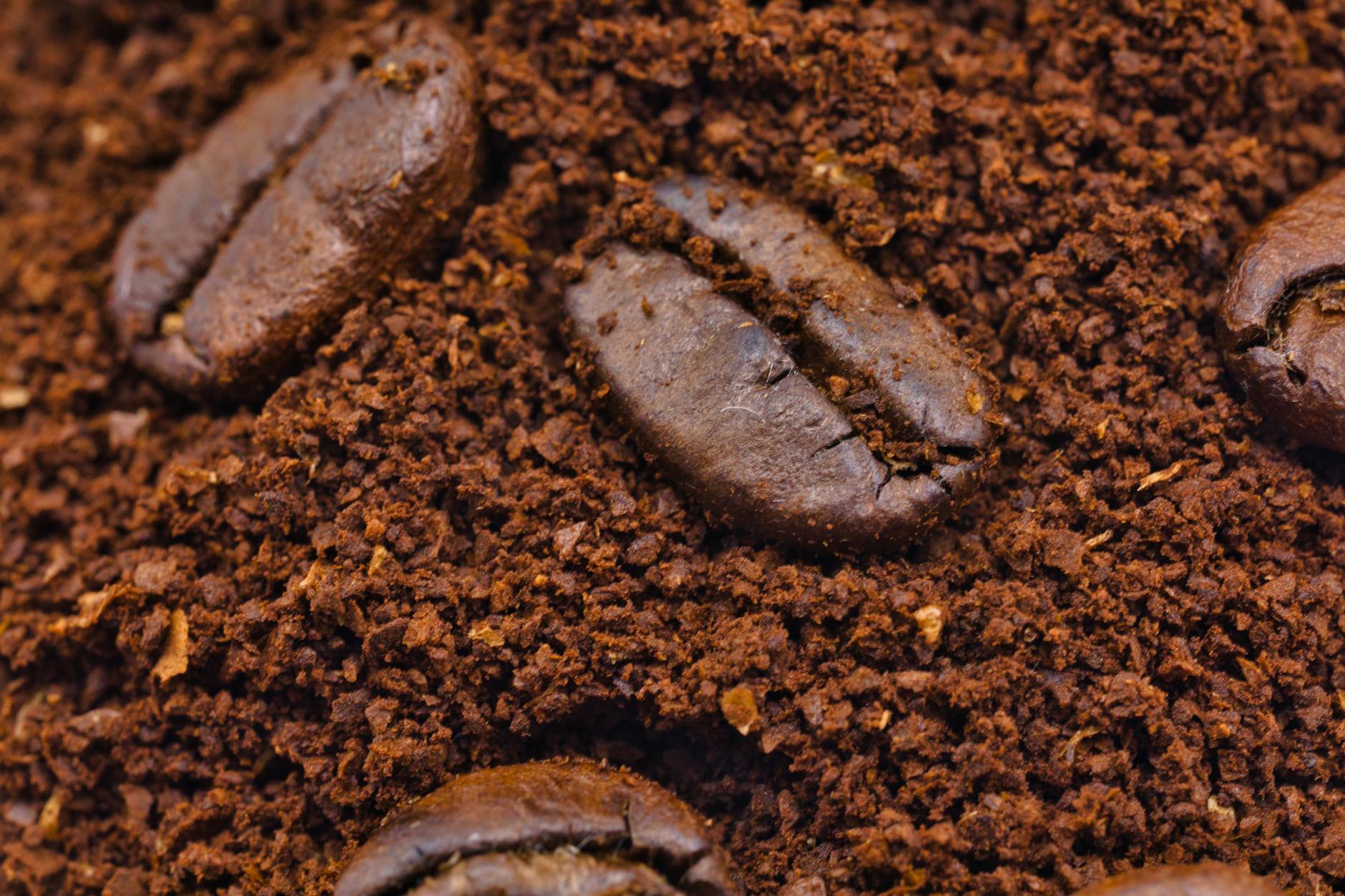
Coffee grounds also provide mechanical exfoliation through their granular texture. In clinical settings, dermatologists use specific grind sizes – typically medium to coarse – to achieve optimal exfoliation without causing irritation. The antioxidant properties of coffee, including chlorogenic acids and quinides, provide additional anti-inflammatory benefits.
Integration with Advanced Dermatological Procedures
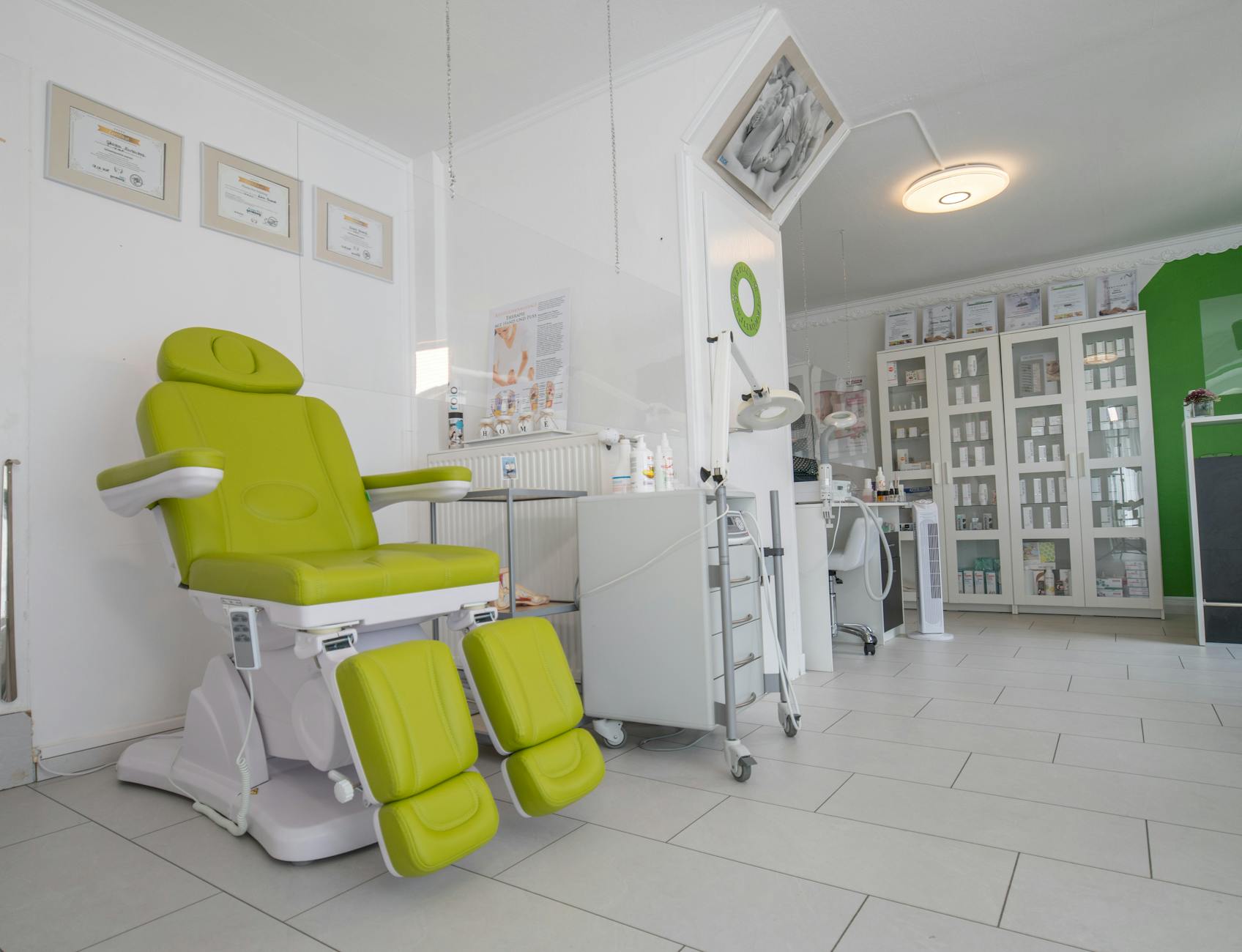
Several dermatology practices are combining coffee scrub treatments with established procedures like microdermabrasion and radiofrequency therapy. The coffee scrub serves as a preparatory treatment, removing dead skin cells and temporarily increasing circulation before more intensive procedures.
Dr. Jennifer Chen at Manhattan Dermatology Associates uses coffee scrubs as part of a multi-step cellulite treatment protocol. “We apply the coffee scrub first to exfoliate and increase circulation, follow with radiofrequency treatment for deeper tissue heating, then finish with a caffeine-infused serum for sustained effect,” Chen says.
The combination approach has shown promising results in clinical observations, though dermatologists emphasize that coffee scrubs are not miracle treatments. “Patients need realistic expectations,” Morrison notes. “Coffee scrubs can improve skin texture and temporarily reduce the appearance of cellulite, but they’re not going to eliminate it permanently.”
Some dermatologists are also exploring coffee scrubs for acne-prone skin. The mechanical exfoliation helps unclog pores, while coffee’s anti-inflammatory properties may reduce redness associated with breakouts. However, this application requires careful patient selection, as the scrubbing action can potentially irritate inflamed acne lesions.
Quality Control and Safety Protocols
The transition from home remedy to clinical treatment has necessitated strict quality control measures. Medical-grade coffee scrubs undergo testing for bacterial contamination, heavy metals, and pesticide residues. Many dermatology clinics source their coffee grounds from certified organic suppliers to minimize chemical exposure risks.
Particle size consistency is another critical factor. Clinical coffee scrubs typically use grounds that have been sieved to ensure uniform particle distribution. This prevents overly large particles that could cause micro-abrasions or overly fine particles that provide insufficient exfoliation.
Storage and preparation protocols in clinical settings also differ from home use. Coffee grounds are stored in controlled environments to prevent rancidity, and scrubs are typically prepared fresh for each patient to minimize contamination risk.
Patient screening is essential before coffee scrub treatments. Dermatologists assess for caffeine sensitivity, skin conditions that might contraindicate exfoliation, and medications that could affect skin sensitivity. Patch testing is often performed before the first treatment.
Professional Formulations vs. DIY Approaches
The growing popularity of DIY beauty treatments, including fermented rice water applications used by celebrity makeup artists, has prompted dermatologists to emphasize the differences between professional and home formulations. While DIY coffee scrubs may provide basic exfoliation, clinical versions offer several advantages.
Professional formulations often include complementary ingredients like hyaluronic acid for hydration, niacinamide for pore refinement, or botanical extracts for additional antioxidant benefits. These additions are carefully balanced to work synergistically with caffeine and coffee’s natural compounds.
The pH level of clinical coffee scrubs is carefully controlled, typically ranging from 5.0 to 6.5 to match the skin’s natural acid mantle. Home preparations often lack this pH consideration, potentially disrupting the skin barrier.
Dermatologists also emphasize proper application technique. Clinical treatments involve specific massage patterns, pressure levels, and timing that maximize benefits while minimizing irritation risk. Many practices provide patient education on modified techniques for at-home maintenance between clinical sessions.
Looking Forward: Research and Development
As coffee scrub treatments gain acceptance in clinical dermatology, research into optimizing formulations and applications continues. Several dermatology practices are collecting patient outcome data to better understand which skin types and conditions respond best to coffee-based treatments.
Future developments may include encapsulated caffeine systems for sustained release, combination products that integrate coffee scrubs with other evidence-based ingredients, and standardized treatment protocols that could be adopted more widely across dermatology practices.
The integration of coffee grounds into clinical dermatology represents a broader shift toward evidence-based natural ingredients in professional skincare. As dermatologists continue to refine techniques and formulations, coffee scrub treatments are likely to become increasingly sophisticated and targeted, offering patients the benefits of this time-tested ingredient with the safety and efficacy standards of modern medical practice.
Frequently Asked Questions
How are clinical coffee scrubs different from homemade versions?
Clinical coffee scrubs use standardized caffeine concentrations, controlled particle sizes, pH balancing, and undergo contamination testing for safety.
What skin conditions do dermatologists treat with coffee scrubs?
Dermatologists primarily use coffee scrubs for cellulite reduction, skin texture improvement, and some acne treatments as part of multi-step protocols.