


Fishing vests have traded their riverbank origins for runway recognition. What once belonged exclusively to anglers casting lines at dawn now commands premium prices at luxury boutiques and fills the closets of fashion’s most influential tastemakers.
The transformation mirrors broader shifts in contemporary fashion, where functionality meets high design. Brands like Prada, Ganni, and Sandy Liang have reimagined the utilitarian staple, stripping away its purely practical origins while preserving the multi-pocket aesthetic that defines the silhouette. These aren’t merely costume pieces – they represent a genuine evolution in how designers approach workwear-inspired fashion.
The shift gained momentum during the pandemic when comfort-focused dressing collided with a renewed appreciation for outdoor activities. As people rediscovered hiking, camping, and yes, fishing, the boundaries between performance gear and everyday fashion began to blur permanently.
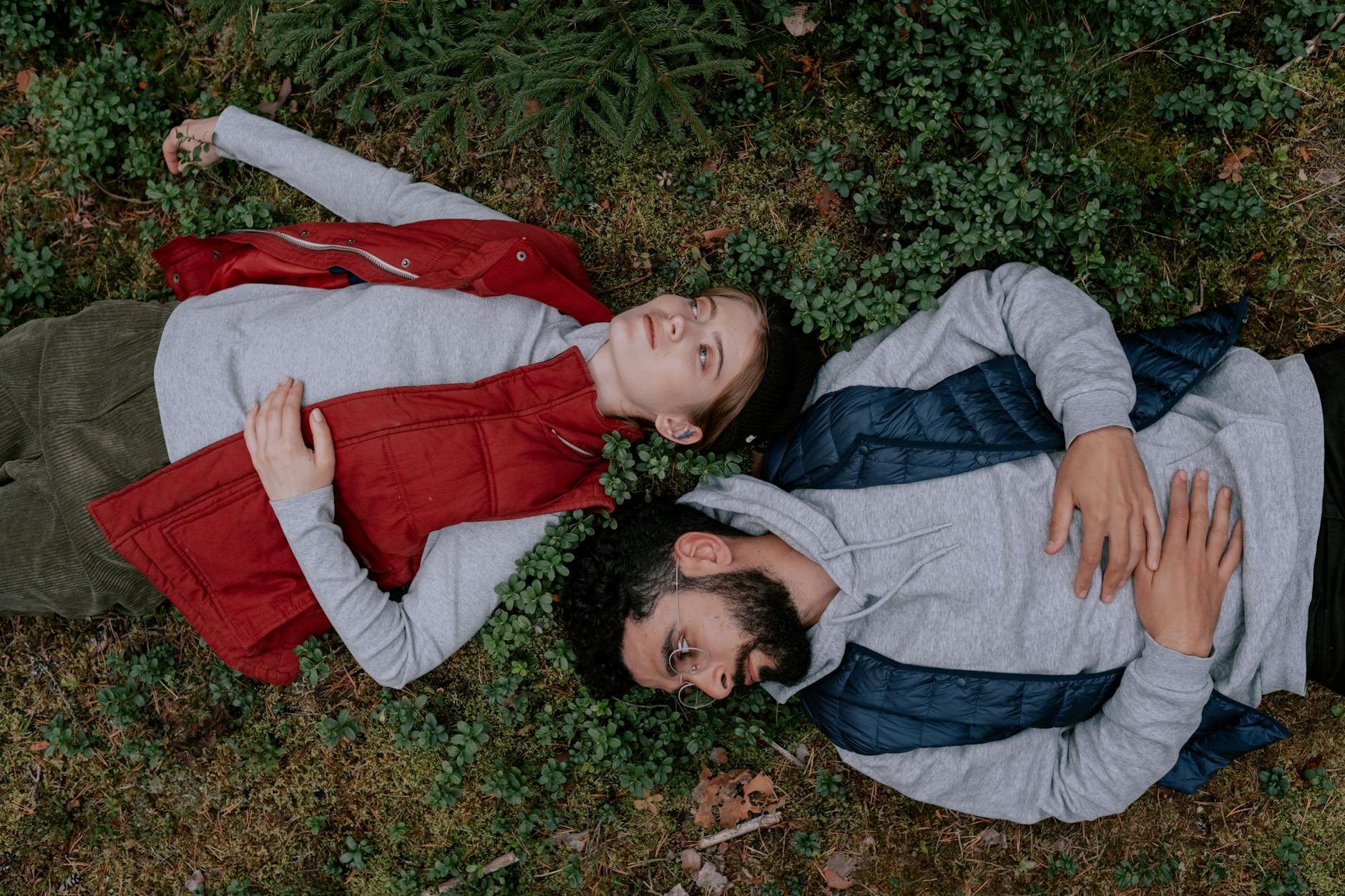
From Function to Fashion: The Design Evolution
Traditional fishing vests prioritize utility above all else. Multiple pockets accommodate tackle boxes, spare reels, and sundry gear essential for successful angling. The loose fit allows for layering over jackets, while lightweight materials ensure comfort during long days outdoors.
High fashion versions maintain these structural elements while elevating materials and construction. Luxury brands substitute technical nylon with premium cotton canvas, upgrade hardware to brushed metal finishes, and refine proportions for urban environments. Some designers add unexpected details – contrast stitching, bold colorways, or architectural pocket placement – that signal fashion intent over pure function.
The pocket configuration remains central to the aesthetic appeal. Fashion enthusiasts appreciate the organizational possibilities these multiple compartments offer in daily life. Phone, wallet, keys, lip balm, and earbuds all find dedicated spaces, eliminating the need for bulky handbags in many situations.
Sizing has evolved significantly from the original loose-fitting outdoor gear. Contemporary fashion versions often feature more tailored silhouettes that work over fitted tops or lightweight sweaters. This refinement makes them suitable for office environments, weekend outings, and casual dinner settings where traditional fishing vests would appear out of place.
Celebrity Endorsement and Social Media Amplification
Fashion’s fishing vest renaissance gained significant momentum through celebrity adoption. Bella Hadid popularized the trend early, frequently photographed wearing vintage-style fishing vests over cropped tops and low-rise jeans. Her styling choices demonstrated how the piece could anchor Y2K-inspired outfits while adding contemporary edge.
Rihanna elevated the trend further by incorporating fishing vests into more polished ensembles, pairing them with tailored trousers and statement accessories. Her approach showed fashion audiences how utilitarian pieces could enhance rather than diminish sophisticated outfits.
Social media platforms amplified these celebrity moments into broader cultural phenomena. Instagram and TikTok users began experimenting with their own fishing vest styling, sharing outfit combinations that ranged from cottagecore-inspired looks to urban streetwear aesthetics. The hashtag #fishingvestoutfit accumulated millions of views as users documented their creative interpretations.
The trend resonated particularly strongly with Gen Z consumers, who embrace fashion’s cyclical nature while prioritizing practical functionality in their wardrobe choices. This generation appreciates clothing that serves multiple purposes – looking stylish while offering genuine utility for their active lifestyles.
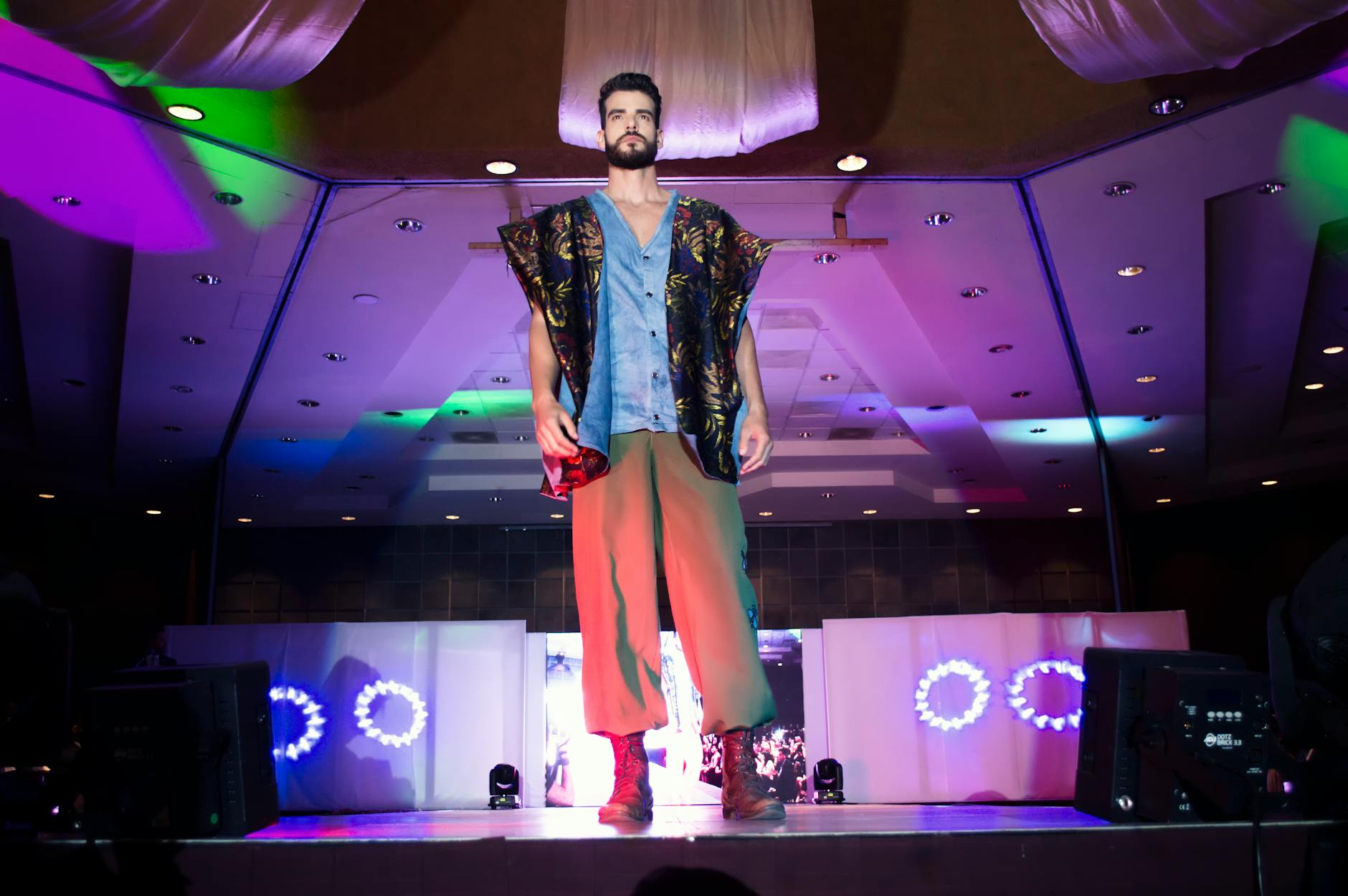
Fashion weeks in New York, Paris, and Milan began featuring fishing vest-inspired pieces on major runways. Designers recognized the commercial potential of workwear-influenced fashion, especially pieces that offered clear practical benefits alongside aesthetic appeal. This professional validation helped cement fishing vests as legitimate fashion items rather than temporary novelties.
The Sustainability Connection and Material Innovation
The fishing vest trend intersects meaningfully with fashion’s growing sustainability movement. Many consumers now prioritize purchasing versatile pieces that serve multiple functions, reducing overall consumption while maximizing wardrobe utility. Fishing vests exemplify this approach – functioning equally well for outdoor activities, daily errands, work environments, and social occasions.
Vintage and secondhand fishing vests have become particularly sought-after items. Thrift stores and online resale platforms report increased demand for authentic outdoor gear from brands like L.L.Bean, Eddie Bauer, and Patagonia. These pieces often feature superior construction compared to fast fashion alternatives, aligning with consumers’ desires for durable, long-lasting garments.
Contemporary brands have responded by developing new materials that honor fishing vests’ utilitarian heritage while meeting modern fashion standards. Some incorporate recycled fishing nets and ocean plastic into their constructions, creating meaningful connections between the garment’s origins and environmental consciousness. This approach appeals to consumers who want their fashion choices to reflect broader values about conservation and responsible consumption.
The relationship between fashion and outdoor activities continues evolving as urban dwellers seek authentic connections to nature. Fishing vests represent this desire – allowing wearers to embody outdoor adventuring spirit even during city-based activities. This psychological component adds depth to the trend beyond surface-level aesthetic appeal.
Material innovations have enabled designers to create pieces that maintain fishing vests’ practical benefits while meeting contemporary quality expectations. Water-resistant treatments, reinforced stitching, and improved pocket designs ensure these fashion pieces actually function effectively for their intended purposes, whether fishing or daily urban navigation.
Market Response and Future Trajectory
Major retailers have embraced the fishing vest trend with dedicated collections and expanded outdoor-inspired offerings. Zara, H&M, and Urban Outfitters feature multiple fishing vest interpretations each season, while premium brands like Stussy and Noah create elevated versions that command significantly higher price points.
The trend’s commercial success demonstrates fashion consumers’ increasing appetite for practical luxury – items that provide genuine utility alongside style credentials. This shift reflects broader cultural changes prioritizing experiences over purely aesthetic considerations, especially among younger demographics who value authenticity and functionality in their purchasing decisions.
The trajectory suggests fishing vests will maintain relevance beyond typical trend cycles. Unlike purely aesthetic fashion moments that burn bright and fade quickly, utility-driven trends often establish permanent footholds in consumer wardrobes. The practical benefits these pieces provide ensure continued wear even after initial fashion excitement diminishes.
As fashion continues embracing workwear and outdoor-inspired designs, fishing vests represent just one example of how utilitarian pieces can successfully transition into mainstream fashion. Similar to how corporate executives are embracing visible tattoos in professional settings, traditional boundaries between different lifestyle categories continue blurring in contemporary culture.
Looking ahead, expect continued innovation in fishing vest design as brands explore new materials, silhouettes, and styling possibilities. The fundamental appeal – multiple pockets, versatile layering potential, and authentic outdoor heritage – provides a strong foundation for ongoing fashion relevance. Smart designers will continue finding fresh ways to interpret these classic elements for evolving consumer preferences.
Frequently Asked Questions
How do you style a fishing vest fashionably?
Pair with fitted underlayers, tailored bottoms, and statement accessories to balance the vest’s utilitarian proportions with polished elements.
What makes fashion fishing vests different from outdoor gear?
Fashion versions feature refined materials, improved fit, upgraded hardware, and design details that work better for urban environments than pure outdoor use.