

Pregnancy has long meant putting skincare goals on hold, particularly when it comes to anti-aging treatments. The gold standard ingredient retinol, beloved for its ability to smooth fine lines and boost cell turnover, sits firmly on the pregnancy no-fly list. But 2024 has brought a wave of scientifically-backed alternatives that promise similar results without the safety concerns.
After years of disappointing substitutes that barely moved the needle, these new formulations are finally delivering visible improvements. Dermatologists report patients achieving significant skin transformation using pregnancy-safe ingredients that work through different pathways than traditional retinoids. The breakthrough lies in understanding how alternative compounds can stimulate similar cellular processes without the risks associated with vitamin A derivatives.
The Science Behind New Retinol Alternatives
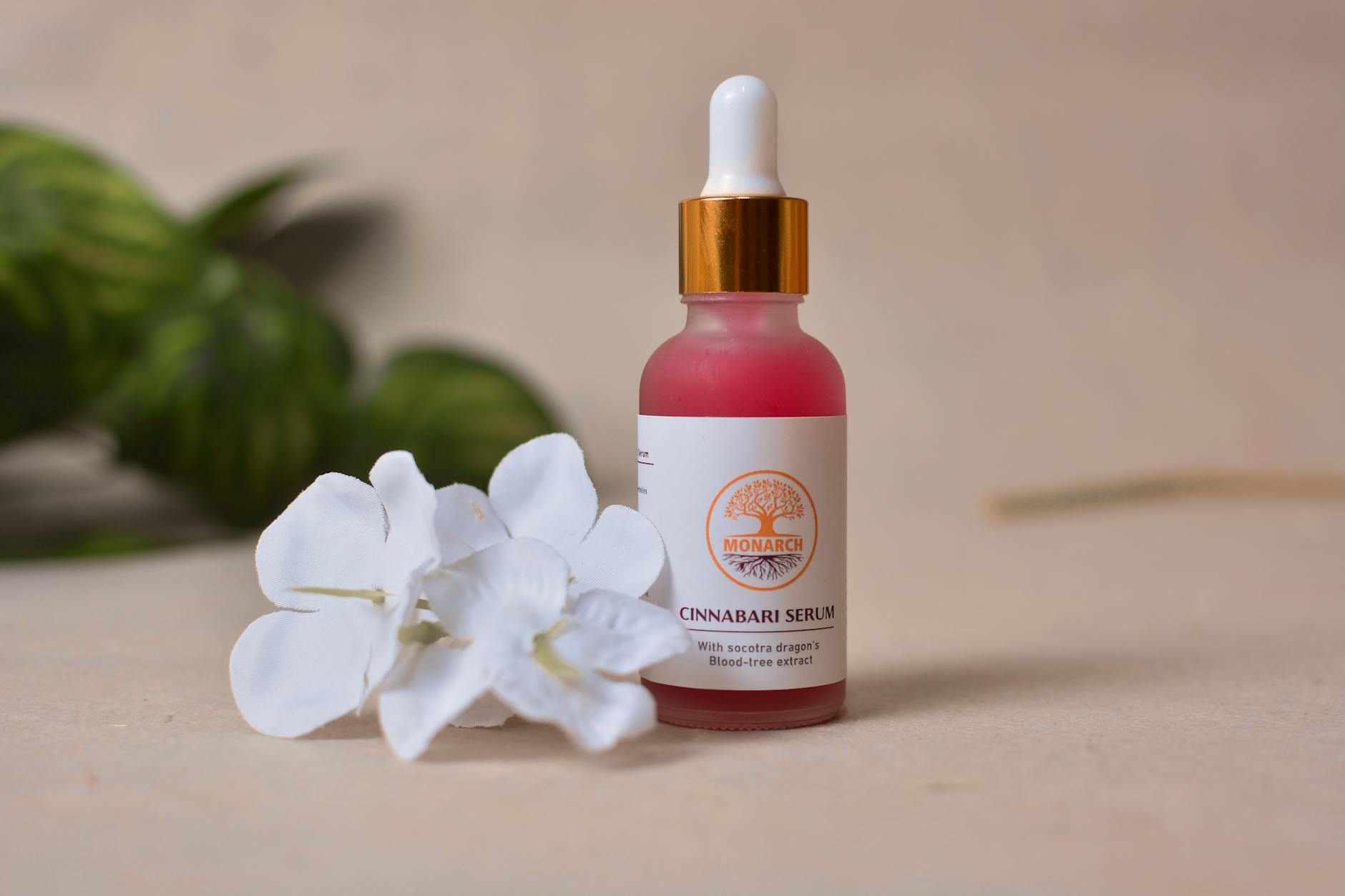
Bakuchiol leads the charge among these alternatives, extracted from the seeds and leaves of the Psoralea corylifolia plant. Clinical studies from leading dermatology journals show bakuchiol produces comparable improvements in skin elasticity and wrinkle reduction as retinol, but through a completely different mechanism. Instead of increasing cell turnover through vitamin A receptors, bakuchiol works as an antioxidant that stimulates collagen production directly.
Dr. Joshua Zeichner, director of cosmetic and clinical research at Mount Sinai Hospital, has documented significant patient improvements using bakuchiol-based treatments. “We’re seeing 20-30% improvement in skin firmness after 12 weeks of consistent use,” he notes. The ingredient works particularly well when combined with other pregnancy-safe actives like vitamin C and niacinamide.
Azelaic acid represents another game-changing option. Originally used to treat acne and rosacea, dermatologists discovered its anti-aging properties almost by accident. The ingredient gently exfoliates while reducing inflammation and boosting collagen synthesis. Unlike retinol, azelaic acid can be used during pregnancy and breastfeeding without safety concerns.
Recent formulations combine these alternatives with peptides that signal skin cells to produce more collagen and elastin. Copper peptides, in particular, have shown remarkable results in clinical trials, with participants experiencing improved skin texture and reduced hyperpigmentation after eight weeks of use.
Brands Leading the Innovation
The Inkey List’s bakuchiol-based serum has become a cult favorite among pregnant women seeking retinol alternatives. Their formulation combines bakuchiol with squalane and hyaluronic acid, creating a gentle yet effective treatment that doesn’t cause the irritation often associated with traditional retinoids.
Paula’s Choice has reformulated their azelaic acid products specifically for anti-aging purposes, moving beyond acne treatment. Their latest serum incorporates 10% azelaic acid with antioxidants and peptides, creating a comprehensive alternative to retinol-based night treatments.
Biossance made waves with their bakuchiol-centered line that includes not just serums but moisturizers and eye creams. Their approach focuses on creating complete routines around retinol alternatives rather than single-product substitutions. The brand reports 40% of their customers are pregnant or breastfeeding women who previously felt excluded from effective anti-aging skincare.
European brands like Medik8 and Allies of Skin have pushed the boundaries further, creating complex formulations that combine multiple retinol alternatives. These products work on different aspects of skin aging simultaneously – addressing texture, tone, and firmness through complementary pathways.
The innovation extends to delivery systems as well. Encapsulated bakuchiol and time-released azelaic acid formulations ensure these gentler ingredients can work more effectively over extended periods, maximizing their anti-aging benefits without causing irritation.
Real Results from Real Users
Social media has become a testing ground for these new formulations, with thousands of pregnant and breastfeeding women documenting their results. The before-and-after photos tell a compelling story of alternatives that finally work as promised.
Beauty influencer James Welsh, known for his honest product reviews, tested bakuchiol products for three months and documented significant improvements in his skin’s texture and brightness. His experience mirrors reports from dermatologists who note consistent positive outcomes when patients switch from retinol to well-formulated alternatives.
Professional estheticians report similar enthusiasm from clients. As noted in recent industry discussions about evolving facial treatments, practitioners find these alternatives integrate well into comprehensive skincare routines without the downtime or sensitivity issues that sometimes accompany retinol use.
The results extend beyond just pregnant women. Sensitive skin types who couldn’t tolerate retinol are finding success with these gentler alternatives. Dermatologists report treating patients with rosacea, eczema, and other inflammatory conditions who can now access effective anti-aging treatments for the first time.
Clinical data supports these anecdotal reports. Studies measuring skin density, elasticity, and wrinkle depth show statistically significant improvements with consistent use of bakuchiol and azelaic acid formulations. The timeline for visible results mirrors that of retinol – typically 6-8 weeks for initial improvements and 3-4 months for maximum benefits.
The Future of Pregnancy-Safe Skincare
This breakthrough represents more than just pregnancy-safe alternatives – it signals a broader shift toward inclusive skincare that works for diverse needs and life stages. The success of these ingredients has prompted major beauty companies to invest heavily in research beyond traditional vitamin A derivatives.
Emerging ingredients like plant-derived growth factors and fermented botanical extracts are showing promise in early trials. These compounds work through novel pathways that don’t exist in current skincare categories, potentially offering benefits that surpass traditional anti-aging ingredients.
The integration with other trending treatments also shows promise. Some estheticians are combining bakuchiol-based treatments with techniques like those evolving in Korean glass skin methodologies, creating comprehensive approaches that work within pregnancy safety guidelines.
As research continues and formulations improve, the gap between traditional retinol and its alternatives continues to narrow. Some dermatologists predict that within five years, these alternatives may become the preferred choice even for non-pregnant users, simply because they deliver similar results with fewer side effects and greater compatibility with other skincare ingredients.
Frequently Asked Questions
What are the best retinol alternatives for pregnancy?
Bakuchiol and azelaic acid are the most effective pregnancy-safe alternatives, offering similar anti-aging benefits without retinol’s risks.
How long do retinol alternatives take to show results?
Most users see initial improvements after 6-8 weeks of consistent use, with maximum benefits appearing after 3-4 months.