

When Athletic Gear Stops Being Athletic
The lacrosse pinnie – that loose mesh vest worn over pads on prep school and college fields across the Northeast – was never supposed to leave the grass. It was functional equipment, designed for airflow and team identification, not sidewalk credibility. But something has shifted in how New York’s downtown crowd approaches athletic references, and the pinnie is arriving in SoHo, the Lower East Side, and Williamsburg on people who have never picked up a stick.
This is not the first time a niche sport’s uniform crossed over. Rowing club aesthetics have been quietly reshaping preppy dressing for a few seasons now, pulling from a similarly regional, largely New England tradition. The lacrosse pinnie carries a comparable cultural weight – coded with private school associations, summer leagues, and a very specific kind of East Coast upbringing – which is precisely why wearing one off-field reads as a deliberate choice rather than an accident.
How the Silhouette Actually Works on a Body
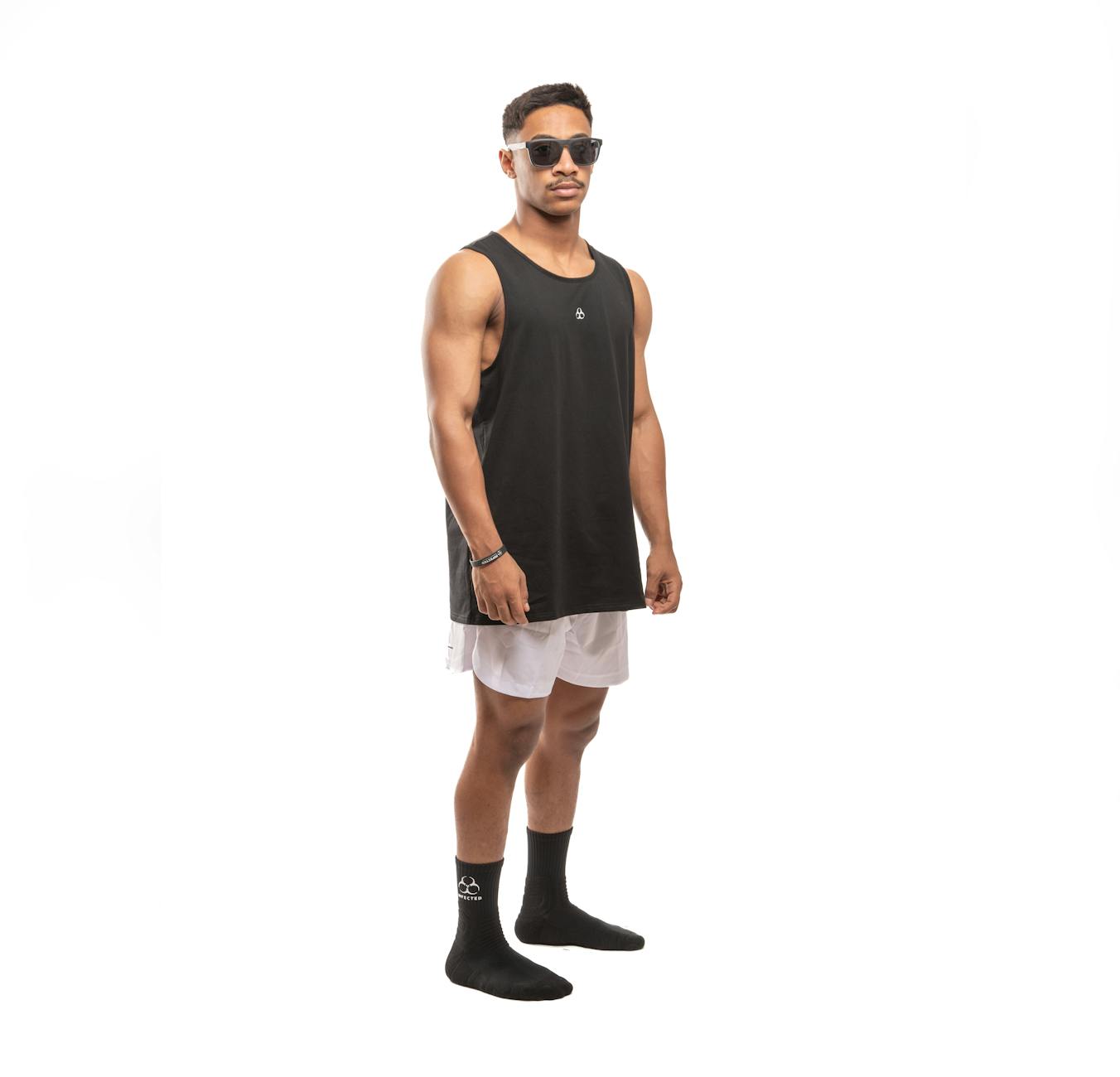
The pinnie’s construction is what makes it surprisingly adaptable. The wide armholes that allow a player to swing a stick overhead also create a slouchy, oversized drape when worn as a standalone top. The mesh fabrication – open-weave polyester in most cases – sits light against the skin and layers over long sleeves without adding bulk. These are qualities that streetwear has been chasing through technical fabrics and relaxed-fit tailoring for years. The pinnie achieves them incidentally.
The styling logic downtown tends to follow a contrast principle. A numbered mesh pinnie in a team colorway – navy and gold, forest green and white – worn over a fitted white long-sleeve, tucked loosely into wide-leg trousers or left out over cargo pants, creates the kind of layered, borrowed-from-somewhere-else look that resonates with how younger New Yorkers are currently dressing. The number on the chest adds the same visual punctuation that a graphic tee would, without the graphic tee’s ubiquity. Nothing about the construction was designed with street styling in mind, but the results are difficult to argue with.
The Prep School Pipeline and Its Complications
Lacrosse carries specific social baggage that other sports, say basketball or soccer, do not. It is historically associated with elite private schools, wealthy suburbs, and a narrow demographic slice of American life. That history does not disappear when a pinnie leaves the field. Wearing one in downtown New York is, consciously or not, engaging with those associations – which is part of the draw for some people and a legitimate point of friction for others.
The irony is that the aesthetic appeal comes partly from that coded exclusivity. Streetwear has always borrowed from closed-off worlds – military surplus, workwear, country club tennis, prep school rowing – and recontextualized those references by placing them on different bodies in different neighborhoods. A vintage lacrosse pinnie from a Long Island prep school, worn by someone in a Chinatown apartment, means something categorically different than it did on the field in 1994. That recontextualization is the point.
Still, the conversation around who gets to wear what, and what it signals when they do, is active and unresolved. Some people wearing pinnies have direct biographical connections to the sport. Others are drawn purely to the visual – the number, the mesh, the color blocks. Both motivations produce the same outfit, which is part of what makes the trend interesting to watch from a cultural perspective, not just a style one.
What separates this from simple costume or ironic dressing is that the pinnie does not require much explanation. Unlike, say, a full lacrosse helmet worked into an editorial look, the pinnie reads as a top first. The sport-specific context is secondary, available as subtext for those who recognize it, invisible to those who do not.
Where People Are Actually Finding Them
The pinnie economy operates primarily through thrift channels and vintage resale at the moment. Depop and eBay listings for lacrosse pinnies from specific school programs, organized by color and number, have multiplied over the past two years. The appeal of a real game-worn pinnie over a retail approximation is consistent with how streetwear culture assigns value – provenance and specificity matter more than newness.
Some sportswear brands and small independent labels are beginning to produce pinnie-adjacent pieces that borrow the mesh construction and numbered chest without the direct sport reference. These tend to attract a different buyer – someone who wants the silhouette without the thrift store effort. Whether those interpretations carry the same weight as an actual team pinnie is a question the market is still working out.
The Seasonal Logic
Lacrosse is a spring sport, which gives the pinnie a natural seasonal entry point. As temperatures rise in March and April, the layering opportunity – pinnie over long-sleeve, then transitioning to pinnie as a sole layer in May – maps cleanly onto how New Yorkers actually dress through the unpredictable weeks between winter and summer. The mesh functions as a practical textile choice, not just an aesthetic one.
Summer wears the pinnie differently. Worn alone over shorts, the sport-to-street read becomes more direct, more committed. There is less visual complexity to the look, which means the pinnie has to carry more weight on its own. Whether the trend can sustain that simpler, more exposed styling into June and July will say something about whether this is a layering-season novelty or a genuine wardrobe addition.
Right now, the strongest looks are still built around that contrast principle – the mesh over cotton, the athletic over the refined. A pinnie tucked into pleated trousers with leather loafers is doing something specific and intentional. The same pinnie with matching athletic shorts is just wearing a sports uniform, which is a different conversation entirely, and a less interesting one.