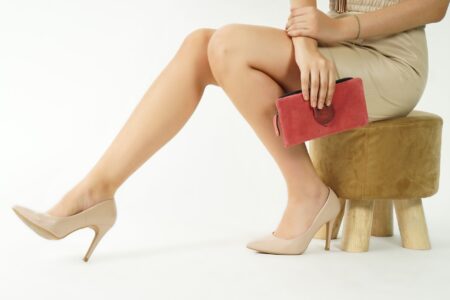


The pandemic didn’t just change where we work – it revolutionized what we wear on our feet. As millions traded daily commutes for video calls from home offices, traditional dress shoes collecting dust in closets sparked an unexpected fashion evolution. Enter the comfortable formal shoe movement, where Italian leather meets athletic technology, and boardroom meetings happen in footwear that feels like sneakers.
This shift represents more than convenience. It signals a fundamental change in professional dress codes, driven by remote workers who refuse to sacrifice comfort for appearance. Major footwear brands have responded with hybrid designs that blur the lines between dress shoes and athletic wear, creating a new category that serves both in-person meetings and all-day home office comfort.
The Great Shoe Liberation of 2020
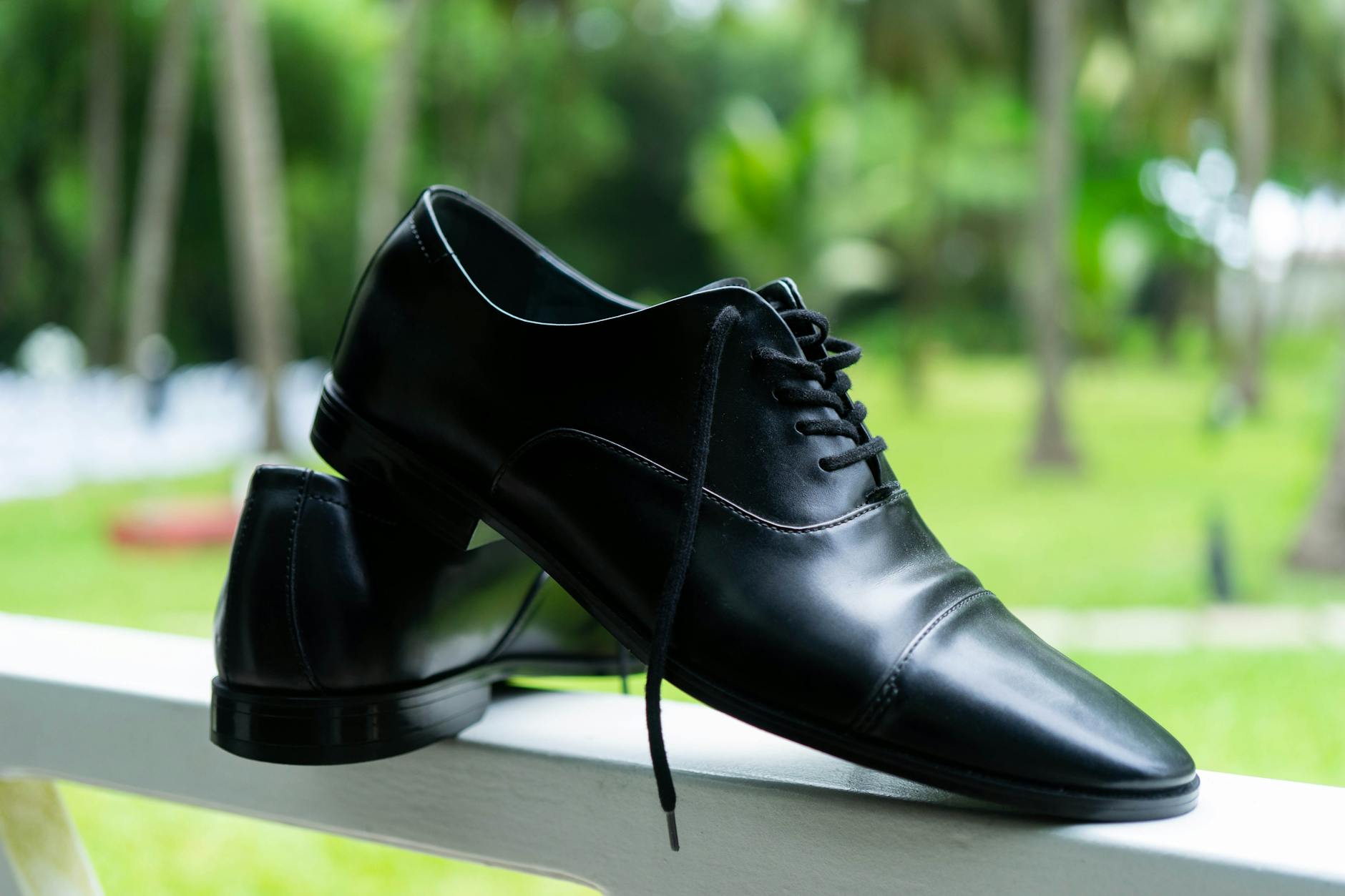
When offices emptied in March 2020, so did the demand for traditional formal footwear. Sales data from major retailers showed dress shoe purchases plummeted by over 70% during the first year of widespread remote work. Meanwhile, comfortable shoe categories – athletic sneakers, loafers, and slip-on styles – surged.
The change wasn’t temporary. As hybrid work models became permanent, professionals found themselves splitting time between home offices and occasional in-person meetings. This created demand for shoes that could transition seamlessly between environments without requiring a complete wardrobe change.
Brands like Cole Haan and Rockport, already pioneering comfort technology in dress shoes, saw their hybrid models become bestsellers. Cole Haan’s ZeroGrand collection, which incorporates Nike Air cushioning into oxford and loafer silhouettes, experienced triple-digit growth during this period. The message was clear: professionals wanted shoes that looked appropriate for client meetings but felt comfortable enough for 12-hour workdays.
Technology Meets Traditional Craftsmanship
The comfortable formal shoe movement sparked innovation across the footwear industry. Brands began incorporating athletic shoe technologies into traditional dress shoe designs, creating hybrids that maintain professional aesthetics while delivering sneaker-level comfort.
Memory foam insoles, once exclusive to athletic shoes, became standard in many dress shoe lines. Lightweight materials replaced heavy leather soles, while flexible outsoles borrowed from running shoe design allowed for natural foot movement. Some brands introduced moisture-wicking linings and antimicrobial treatments, addressing the reality of longer wear times in home offices.
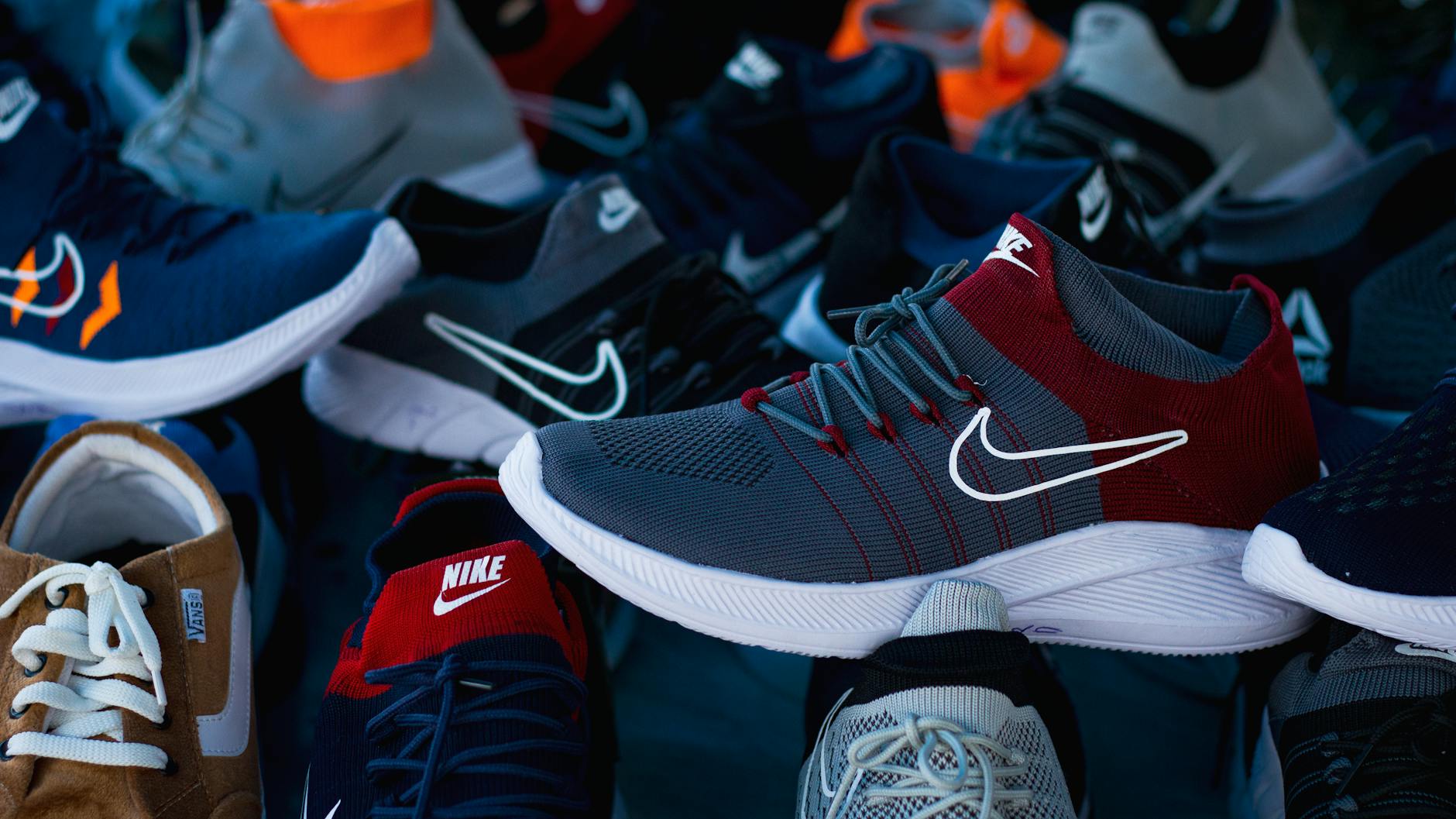
Allbirds expanded beyond their sustainable sneaker reputation to create the Tree Lounger, a slip-on that works for video calls and casual office visits. Similarly, Everlane launched their Day Glove flat, marketed specifically to remote workers seeking professional-looking shoes with all-day comfort. These weren’t traditional dress shoes with minor comfort improvements – they represented entirely new design philosophies.
The luxury market responded too. Italian shoemakers began offering collections with hidden comfort features, maintaining their aesthetic standards while incorporating modern materials and construction techniques. These shoes looked identical to traditional formal footwear but felt dramatically different on the feet.
Redefining Professional Appearance Standards
Remote work culture didn’t just change shoe preferences – it challenged fundamental assumptions about professional dress codes. As video meetings became the norm, the focus shifted from full outfit coordination to “camera-ready” appearance from the waist up. This created space for more comfortable footwear choices that remained largely invisible during virtual interactions.
Companies began updating their dress codes to reflect new realities. Many organizations that previously required traditional business attire adopted “business comfortable” policies, explicitly allowing athletic-inspired shoes in professional settings. This shift extended beyond remote-first companies to traditional industries recognizing the productivity benefits of comfortable employees.
The change influenced broader fashion trends as well. Just as luxury watch brands began creating fitness tracker collaborations to merge traditional craftsmanship with modern functionality, shoe brands started blending formal and casual elements in unexpected ways. This crossover approach appealed to professionals seeking versatile pieces that worked across multiple contexts.
Fashion weeks began featuring collections that embraced this new aesthetic. Designers showcased suits paired with minimalist sneakers, and business dresses worn with sophisticated slip-on shoes. The message was clear: comfort and professionalism weren’t mutually exclusive.
The Business Impact and Market Response
The comfortable formal shoe movement created new market opportunities while disrupting traditional footwear categories. Established dress shoe brands had to innovate rapidly or risk losing relevance, while athletic and casual shoe companies found unexpected entry points into professional markets.
Direct-to-consumer brands capitalized on this shift by targeting remote workers specifically. Marketing campaigns featured home office scenarios and emphasized all-day comfort over traditional formal shoe selling points. These brands used social media to showcase their products in real work-from-home environments, connecting with customers who valued authenticity over aspirational imagery.
Retail strategies evolved too. Department stores reorganized footwear sections to highlight hybrid categories, while online retailers developed new filtering options for “comfortable dress shoes” and “office-appropriate casual” styles. The success of these categories demonstrated that consumer priorities had permanently shifted.
Investment in comfort technology increased across the industry. Companies allocated more resources to research and development focused on ergonomic design, sustainable materials, and multi-purpose functionality. This innovation cycle continues to drive new product launches and patent applications in the footwear space.
Looking Forward: The New Normal
The comfortable formal shoe movement represents more than a temporary pandemic response – it reflects lasting changes in how we think about professional attire. As hybrid work models become permanent fixtures in many industries, the demand for versatile, comfortable professional footwear will likely continue growing.
Future developments may include even more advanced comfort technologies, sustainable materials that don’t compromise durability, and designs that seamlessly transition between different professional contexts. The success of this movement demonstrates that when consumer needs change fundamentally, entire industries must adapt or risk obsolescence.
The comfortable formal shoe trend shows no signs of slowing. As more companies embrace flexible work arrangements and prioritize employee well-being, footwear that supports both professional appearance and personal comfort will remain essential. This shift has permanently altered the landscape of professional fashion, proving that comfort and style can successfully coexist in the modern workplace.
Frequently Asked Questions
What are comfortable formal shoes?
Hybrid footwear that combines traditional dress shoe aesthetics with athletic comfort features like memory foam and flexible soles.
Why did remote work spark this shoe trend?
Remote workers needed shoes comfortable for all-day wear at home but professional enough for video calls and occasional office visits.