


The Kendo Knot’s Unexpected Journey Off the Dojo Floor
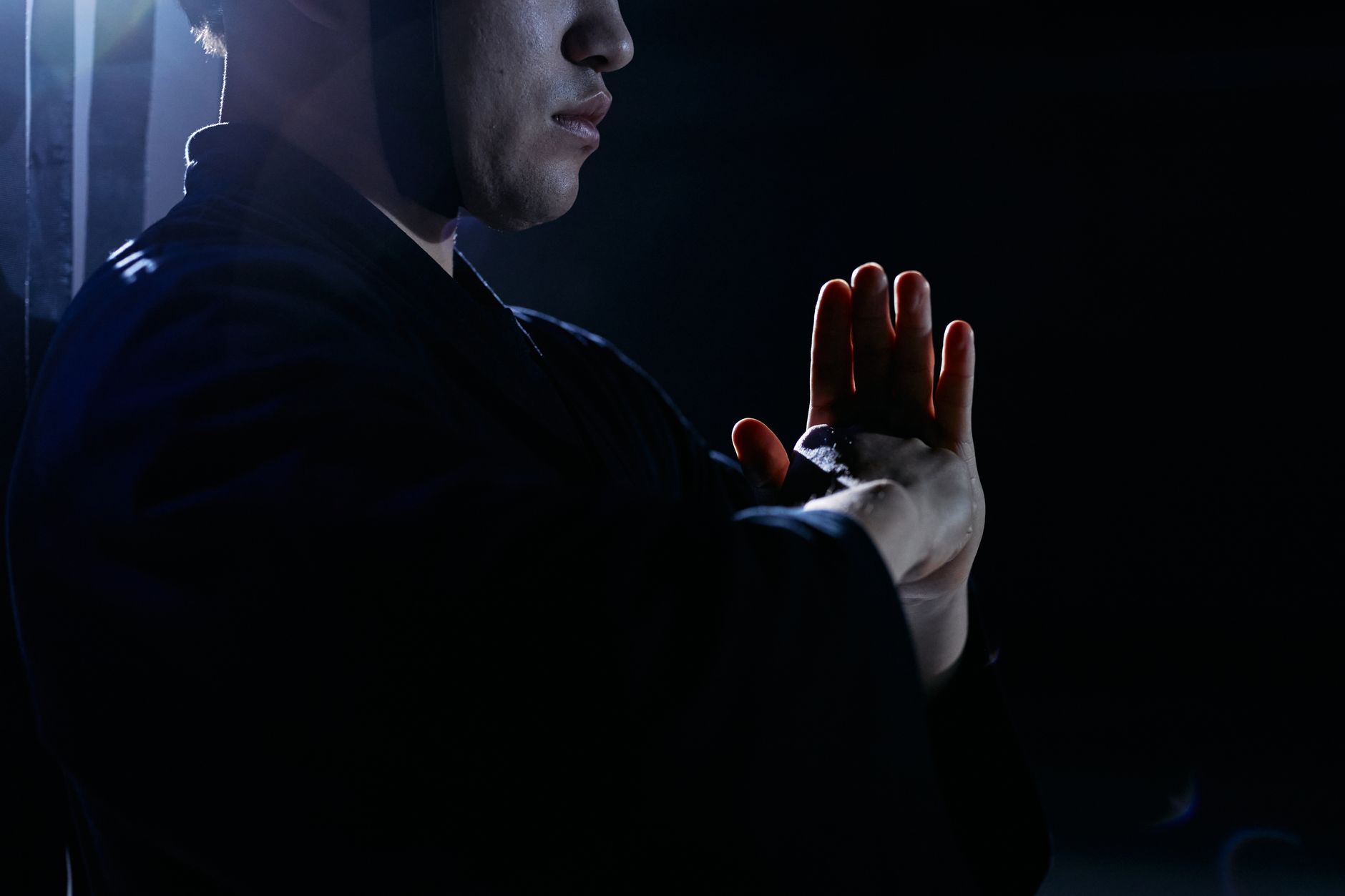
Kendo armor is not typically where fashion editors look for inspiration. The men’s do – the lacquered bamboo or leather chest protector worn in Japanese sword-fighting practice – is lashed together with a specific style of knot: tight, flat, and deliberately structured to stay fixed under extreme physical stress. That functional requirement is now driving one of the more specific aesthetic shifts happening in high-end sandal design.
A growing number of footwear designers are borrowing the visual logic of do lace knots – their compressed, layered geometry and the way cords cross and anchor at precise intervals – and applying it directly to sandal strapping systems. The result is a silhouette that reads as both athletic and architectural, a combination that sits comfortably at the intersection of craft footwear and contemporary styling.
This is not a trend born from a single runway moment.
What Makes the Do Lace Knot Distinct
To understand why this knot translates so well to sandal design, it helps to understand what makes it structurally different from standard lacing. A do lace knot is not a bow and it is not a simple loop. It involves wrapping cords around a central point in a way that distributes tension across the entire length of the lace rather than concentrating it at a single tie point. The knot sits flat against the surface rather than protruding, which gives it a clean, almost graphic appearance when viewed head-on. That flatness is exactly what makes it useful for footwear, where a bulky knot would create pressure points or visual noise against the foot.
The knot’s origins are tied to necessity. In kendo practice, armor must be secured quickly and stay secure through rapid movement, so the system is built for reliability over elegance. The do plates are held in place by lacing that wraps from the back around to the front and terminates in this distinctive flat knot at the center or sides of the chest plate. Footwear designers adapting this reference are not copying the knot exactly but working from its core principles – the horizontal wrap, the anchored terminal point, the visible cord geometry – and translating those into leather straps and waxed linen cords.
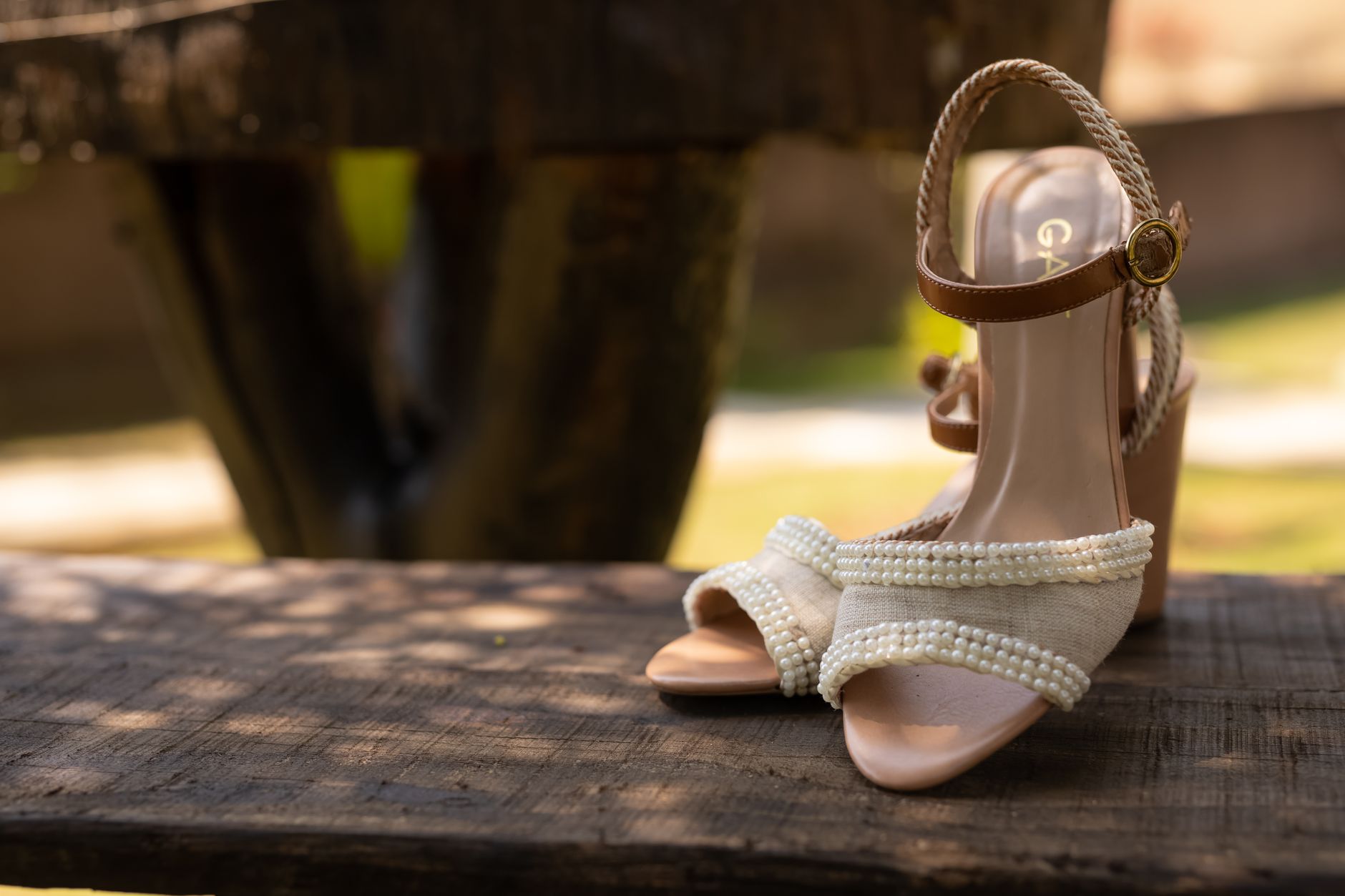
The aesthetic that results is notably different from standard sandal construction. Where most strapped sandals rely on a buckle or a simple overhand knot at the ankle, do-inspired designs use the wrapping sequence itself as the visual centerpiece. The straps are wider, the crossings are deliberate, and the terminal knot is positioned to be seen rather than tucked away.
How Designers Are Working With the Reference
The adaptation process is less about literal reproduction and more about extracting a principle. Footwear designers working in this space are studying how the do lace system manages cord tension and applying those mechanics to straps that need to stay put on a moving foot without relying on metal hardware. Some are using flat braided leather, others are working with waxed cotton cord in heavier gauges, and a smaller group is experimenting with synthetic materials that mimic the sheen of traditional kendo lacing.
The sandals that result tend to share certain visual characteristics: a relatively minimal footbed, straps that wrap around the ankle or lower calf in a specific sequence, and a terminal knot that is finished by hand. That last point matters more than it might seem. Because the do knot requires a particular wrapping technique to achieve its flat profile, these sandals cannot be entirely machine-produced. The knot has to be tied correctly by someone who knows the sequence, which gives each pair a degree of handcraft that is becoming a selling point in itself.
This connects to a wider interest in footwear hardware that carries a functional history. Sculptural boot hardware drawn from unexpected utilitarian sources has been building momentum across multiple categories, and the do lace knot fits that same logic – an attachment mechanism that was never designed to be decorative, now being reconsidered entirely on aesthetic terms.
The Styling Implications of a Structured Tie
What does this look like on an actual person? The silhouette created by do-inspired strapping reads as significantly more intentional than a standard ankle-tie sandal. The wrapping creates a visual anchor point at the foot that draws the eye downward, which works particularly well with wide-leg trousers, midi skirts, and any hem that hovers above the ankle and lets the shoe become part of the look rather than a footnote. The structured knot also holds its shape over the course of a full day in a way that a standard bow simply does not, which means the sandal looks as deliberate at the end of the evening as it did at the start.
Styling these sandals requires a degree of restraint elsewhere. Because the foot becomes a focal point, the rest of the outfit benefits from relative simplicity – clean lines, minimal detailing, nothing that competes with the strapping work happening at ground level. They pair naturally with linen, with unlined cotton, with any fabric that carries a similar handcraft register. They look unconvincing with heavily embellished or synthetic pieces because the reference point is too specific to survive tonal mismatch.
Color matters too. Most do lace knots in kendo practice are rendered in black, dark navy, or deep burgundy – colors that read as serious and martial. Footwear versions working directly from this palette have a very specific severity to them that not every wardrobe can absorb. Designers who have shifted the color range toward natural cord tones, undyed leather, and warm taupes have found a version of the aesthetic that travels more broadly without losing the structural integrity of the original reference.
The real test for this trend is whether the knot itself becomes a recognized design signature or whether it stays embedded in the broader category of artisan footwear without its specific origin becoming visible to the wearer. Right now, most people buying sandals built around this tying system have no idea they are wearing something derived from sword-fighting armor – and the question of whether that knowledge changes the appeal, or whether the object works entirely on its own terms without the backstory, is one the market has not answered yet.