

When School Uniform Details Become Fashion Currency
The Eton tails coat is not a subtle garment. Its white waistcoat, stiff collar, and silk-faced lapels have signaled institutional prestige for centuries, worn by boys at one of England’s oldest schools and almost nowhere else on earth. That extreme specificity – the way the garment belongs so completely to a single context – is exactly what makes its details so potent when they escape into the broader fashion conversation.
Right now, those silk lapels are escaping.
Across tailoring collections and independent menswear labels, a quiet tension is building between the soft, light-catching silk revers traditionally reserved for formal evening dress and the harder geometry of structured blazer lapels. The Eton tails coat sits at the center of that tension – not as a costume reference, but as a sourcebook for a specific kind of lapel construction that many designers are pulling apart and rebuilding for contemporary suiting.
The Construction Logic Behind the Silk Lapel
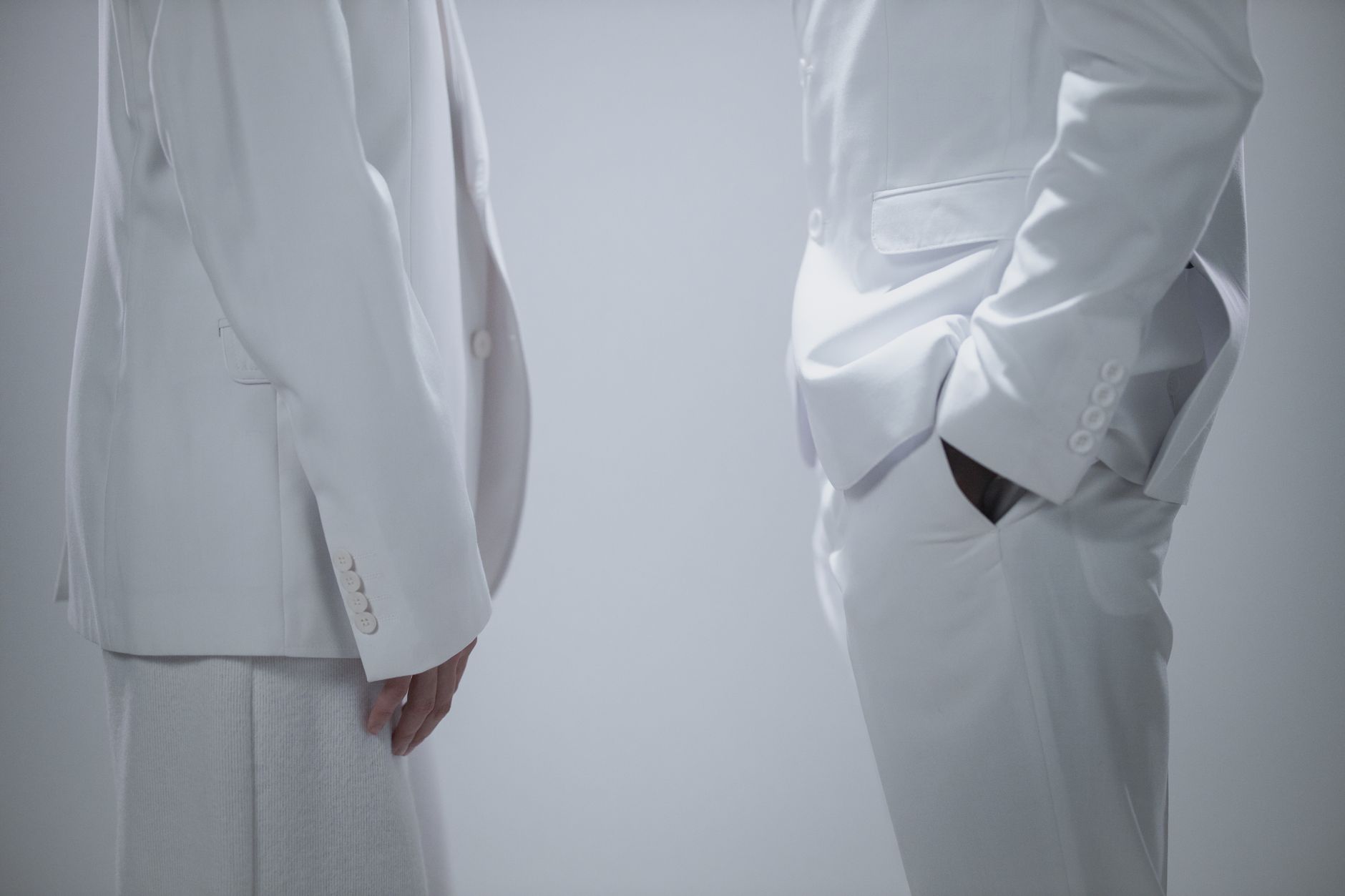
A silk lapel on a tails coat is not decorative accident. The fabric choice – typically a grosgrain or satin-faced silk – serves a functional purpose: it catches candlelight differently than wool, creating visual contrast against the coat’s body and signaling the garment’s ceremonial register at a glance. On the Eton coat specifically, the lapel rolls with a certain softness, a gentle curve that resists the sharp, pressed fold you see on a modern suit jacket. That roll is a byproduct of the coat’s historical construction, where horsehair canvas and hand-stitching allow the chest to breathe and move rather than hold a rigid line.
Structured blazer lapels work from the opposite principle. A contemporary peaked or notch lapel on a tailored blazer is built for precision – fused or firmly canvassed to hold its angle through a long day, its geometry a deliberate visual statement about modernity and control. The lapel lies flat against the chest, its width and angle chosen for proportion rather than ceremonial association. It does not roll; it holds.
The interesting design territory opens up when these two logics are applied to the same garment. Some tailors are experimenting with silk-faced lapels cut and canvassed with the structural discipline of a modern blazer – keeping the material heritage of the formal coat while forcing it to behave with contemporary rigidity. Others are doing the reverse: cutting a structured modern lapel shape but finishing it in grosgrain silk, borrowing the surface quality without the soft roll. Both approaches produce something that reads as neither schoolboy formality nor standard suiting, which is precisely the point.
Why Formalwear Details Are Filtering Into Everyday Tailoring
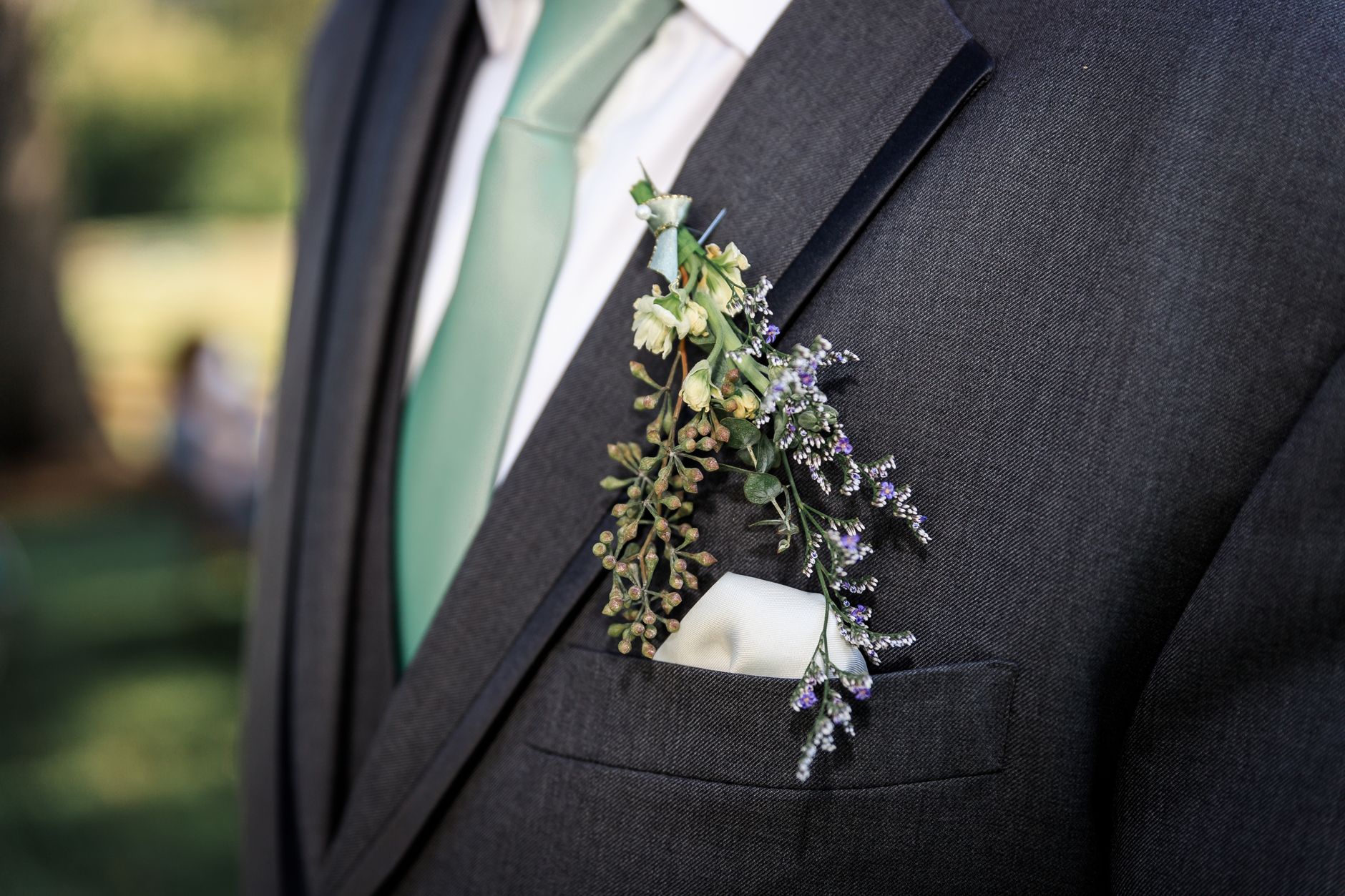
The appetite for ceremonial garment details in non-ceremonial contexts has been building steadily through menswear. Grosgrain ribbon trim, peak lapels borrowed from white tie, side-stripe trouser seams lifted from military dress uniforms – these elements have been moving from occasion wear into daily tailoring for several seasons now. The Eton silk lapel sits within this pattern, but it carries a particular weight because of how visually specific it is. Anyone with knowledge of British institutional dress reads it immediately; everyone else simply sees a luxurious surface treatment that elevates an otherwise standard jacket.
That dual legibility is a significant advantage for designers working across international markets. A silk lapel reads as “formal” and “considered” without requiring the viewer to decode any specific cultural shorthand. The Eton reference is available for those who catch it, invisible to those who don’t, and the garment functions at both levels without contradiction. This is not nostalgia dressing – it is structural borrowing, using the school uniform as a technical library rather than a mood board.
The blazer itself has been the primary vehicle for this kind of experimentation because it occupies a flexible position in the wardrobe. Unlike a suit jacket, which is bound to its trousers and its occasion, the blazer exists in negotiation with whatever surrounds it. Putting a silk lapel on a blazer rather than a suit jacket signals that the designer is playing with register, deliberately mixing the codes of formal and casual in a garment that is already designed to move between them. The Eton tails coat, which does exactly the same thing in its own context – formal enough for school ceremonies, worn by teenagers walking to class – turns out to be a surprisingly useful template for that negotiation.
What This Means for How You Buy and Wear Tailoring
If you are shopping for a blazer and you encounter a silk-faced lapel, the question worth asking is whether the construction underneath matches the ambition of the surface. A silk lapel bonded to a fully fused chest is a shortcut – it delivers the visual signal without the structural integrity that makes the original garment worth referencing. A half-canvassed or fully canvassed chest with a properly rolled lapelline, finished in grosgrain or satin silk, is a different object entirely: it will age differently, drape differently, and hold its shape across years of wear rather than seasons.
The width and roll point of the lapel matter as much as the fabric. An Eton tails coat lapel rolls from relatively high on the chest, creating a long, narrow V that emphasizes height and formality. A modern structured blazer lapel typically rolls lower, opening the chest and reading as more relaxed. Designers who are genuinely engaging with the Eton reference tend to play with this roll point deliberately – either lifting it to introduce ceremony, or keeping it low while using silk to introduce luxury. The two choices produce very different garments, and the distinction is visible even across a room.

The silk lapel blazer also forces a rethinking of what goes underneath it. A grosgrain-faced lapel worn with a casual shirt and no tie creates a specific kind of friction – the formality of the lapel reading against the informality of the open collar – that requires confidence to carry. Worn with a high-neck knit or a crisp white shirt and no tie, it resolves differently, the luxury surface sitting more comfortably against a clean base. The Eton coat itself was always worn with very precise accompaniments; pulling one element of that system into a new context means accepting that you will need to solve the rest of the equation yourself.
That unresolved equation – the silk lapel sitting on a structured blazer, waiting for the wearer to decide what it means in their particular wardrobe – is exactly where the most interesting tailoring tends to live.