

When a Muddy Field Sport Becomes a Footwear Reference
The Eton College Wall Game is not a sport most people have watched, let alone researched for style cues. Played on a narrow strip of ground beside a centuries-old brick wall, it produces a very particular kind of physical evidence: deep, mottled bruising along the forearms and shins, strapping bound tight over laced boots, and a visible layering of pressure marks where leather meets skin under repeated contact. That visual language – compressed, methodical, almost architectural in its patterning – is now finding its way into structured boot design, specifically in the way eyelets are being arranged, weighted, and finished along the ankle column.
This is not a seasonal mood board lifted directly from the playing fields of Windsor. It arrives more indirectly, through archival research into English collegiate sportswear, a renewed appetite for hardware that carries physical logic rather than decoration, and a quiet shift in how designers are approaching the eyelet row as a design element in its own right. The bruise-lacing aesthetic – named for the deliberate, close-knit tension patterns left by game-day strapping – is showing up on ankle boots and tall riding-influenced styles where structured eyelets are spaced to suggest compression rather than convenience.
The Visual Logic Behind Bruise Lacing
In the Wall Game, players lace their boots with particular tightness around the lower ankle, using strapping that creates a banding effect across the instep and up toward the shin. The pressure marks left behind are not random – they follow the geometry of the lace path, producing a ladder-like sequence of compressed marks that sits between functional and ornamental. What designers are now drawing from is not the bruising itself but the underlying principle: that a lacing system can read as structural architecture when its intervals are deliberate and its hardware carries visual weight.
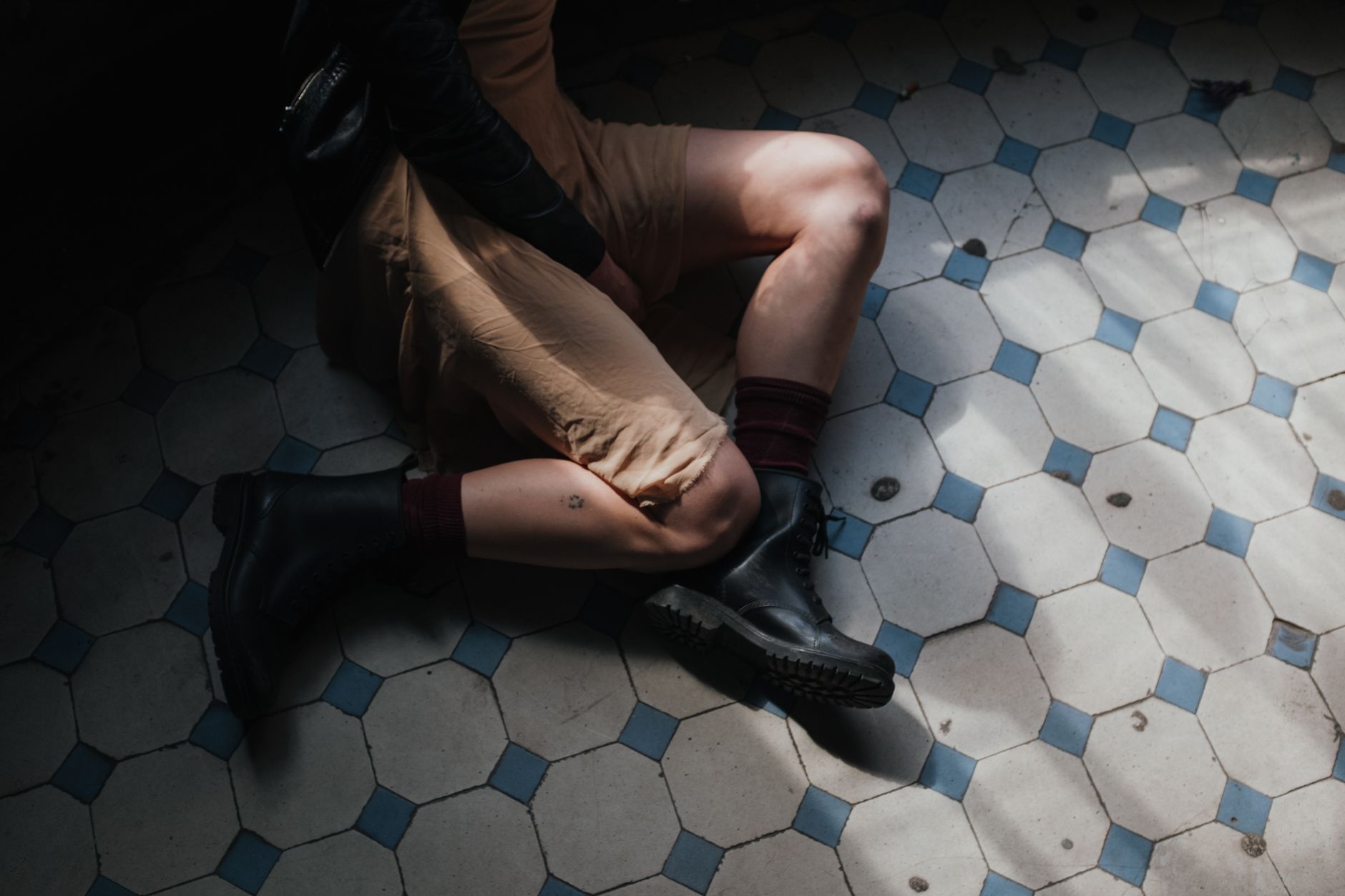
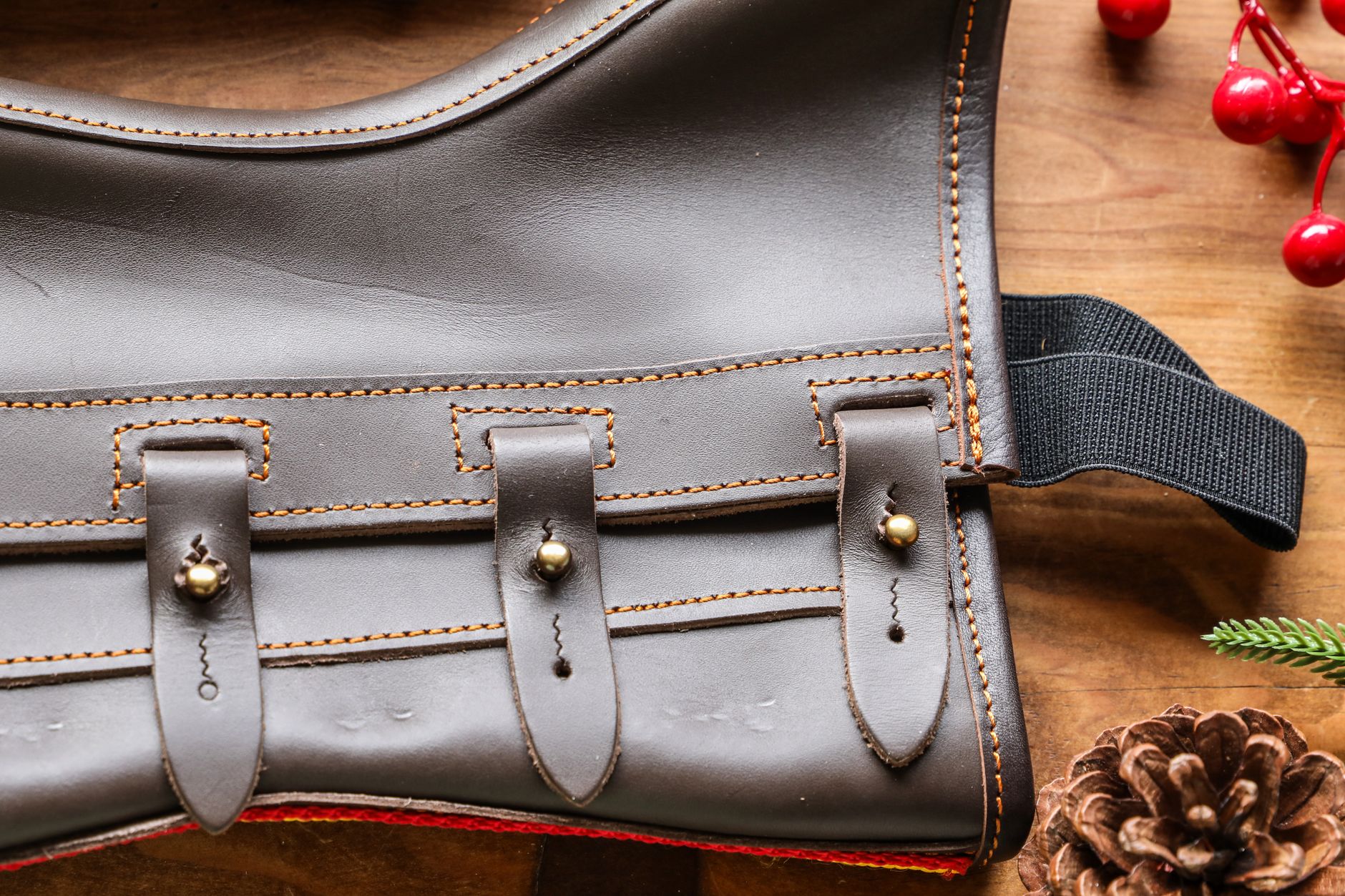
That principle translates to footwear through eyelet placement that mimics load-bearing rather than decorative intent. Eyelets in this aesthetic tend to be spaced more closely than standard boot construction, set in pairs that suggest a binding function. The hardware itself leans toward flat, wide configurations rather than the raised grommets common in heritage workwear. Some styles are incorporating rectangular eyelets – a detail more common in equestrian and orthopedic boot traditions – which read as restraint rather than embellishment. The overall effect is a boot that looks like it has been laced for a specific physical purpose, not assembled for visual variety.
How This Works in Contemporary Boot Construction
Structured boot design has been moving toward hardware austerity for several seasons. The shift away from decorative buckles and chain detailing has opened space for eyelet rows to carry more visual responsibility, and the bruise-lacing reference fits precisely into that opening. When the eyelet column becomes the dominant graphic element on a boot’s shaft, its geometry matters more than its finish. This is where the Wall Game aesthetic contributes something specific: a logic of intervals derived from physical necessity rather than styling convention.
Ankle boots with a lower shaft are adopting this approach through close-set eyelet pairs that terminate sharply at the top of the ankle, producing a column that reads almost like a seam. The lacing itself – often in a flat, matte cord rather than a polished round lace – reinforces the compressed quality by lying flat against the leather rather than sitting proud of it. On taller boots, the same principle extends up the shaft in a way that draws the eye along a vertical ladder, creating length through repetition rather than through exaggerated heel height or stacked sole.
The construction implications are more involved than they first appear. Closer eyelet spacing requires the underlying leather or textile to carry additional reinforcement at each punch point, otherwise the material distorts under tension. This is pushing some manufacturers back toward traditional techniques – stitched eyelet backing, hand-set hardware, double-layer panels behind the lacing column – that had been largely abandoned in favor of faster production methods. The result is a boot that costs more to make and wears with noticeably more structural integrity.
Color plays a supporting role. The bruise-lacing reference carries most clearly in boots where the leather tone is already in a compressed, low-contrast palette: deep plum, aged oxblood, grey-tinged navy, or a muted tobacco that reads almost olive in certain light. These are shades that suggest something absorbed rather than applied, which is consistent with the Wall Game’s visual world of mud, old brick, and dark cloth.
Where This Sits in the Wider Footwear Conversation
Boot design has been drawing from English sporting heritage for several cycles, but the references have tended toward the overtly recognizable – the Chelsea boot’s equestrian origins, the brogue’s country-house associations. The Wall Game reference operates at a different level of obscurity, which is precisely what makes it useful to designers working in a market where immediate legibility can feel like a liability. A boot that carries an archival sporting reference without announcing it allows the wearer to project knowledge without performing it.
This sits alongside a broader pattern in which collegiate and institutional clothing systems are being mined for their functional logic rather than their visual iconography. Rowing club hardware traditions have moved similarly into jewelry and accessory design, where the physical purpose of the original object informs the final form. What these references share is a preference for things that were designed to do a job, and whose appearance is a direct outcome of that job, rather than a styling decision layered on afterward.
Who Is Wearing It and How
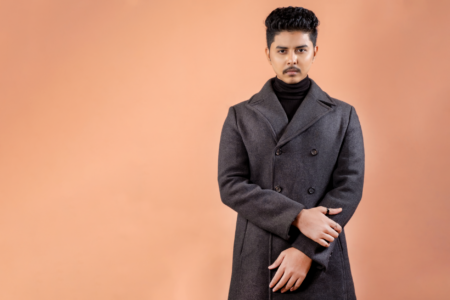
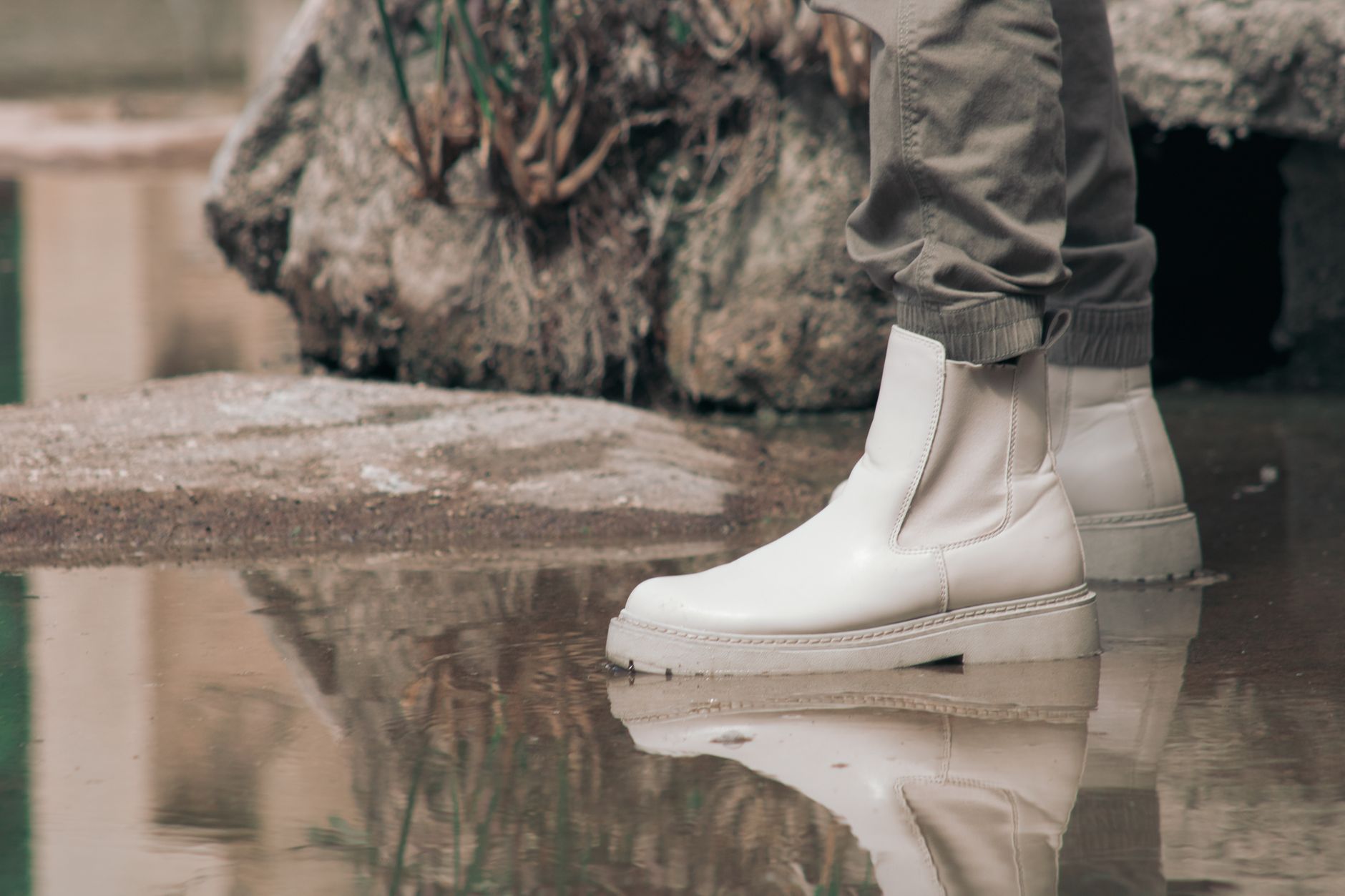
The styling context for bruise-laced boots is deliberately spare. They are appearing with straight-leg trousers cut to just above the ankle so that the full eyelet column remains visible, paired with minimal upper bodies – a tailored overcoat, a plain knit, a structured wool jacket that does not compete with the boot’s detail. The point is to let the hardware row read without interference. Socks, when visible, tend to be fine-gauge and dark, functioning as a transition rather than an accent.
Women’s styling has taken this further by pairing the boots with longer skirts that skim the top of the shaft, producing an effect where the eyelet column appears to anchor the hem to the foot. This works particularly well with heavier fabrics – thick wool, boiled fleece, dense cotton canvas – where the weight of the skirt and the structural quality of the boot feel proportionally matched. The overall effect is one of calculated heaviness: everything earning its place through utility of form.
The men’s approach is simpler and arguably more direct. Slim-cut trousers, the boot worn over rather than under, the eyelet column fully exposed from ankle to mid-shin. Some styling combinations are pairing the boots with cropped tailoring – a jacket that falls at the hip rather than the thigh – which puts the boot in visual dialogue with the jacket’s own structured detail. What is notably absent in most of these combinations is anything that softens or romanticizes the reference. This is not a countryside aesthetic or a heritage cosplay. The Wall Game connection remains beneath the surface, known to those who recognize it, invisible to those who do not, and wholly unnecessary to the boot’s appeal either way.
Frequently Asked Questions
What is bruise lacing in fashion?
Bruise lacing refers to the closely-spaced, tension-driven lacing patterns drawn from English collegiate sport strapping, now applied to structured boot eyelet arrangements for a compressed, architectural look.
What boot styles suit the bruise-lacing aesthetic?
Ankle boots and taller riding-influenced styles work best, particularly in muted tones like oxblood, plum, or aged tobacco, with flat matte lacing and closely-set rectangular eyelets.