


Linen has long been treated as a seasonal guest: pulled out for beach weddings and July lunches, then folded away by September. That habit is loosening.

Why Linen Outgrew Its Season
The old rule made sense on paper. Linen comes from the flax plant, absorbs moisture readily and dries fast, which made it the default cloth for hot climates and hot months. But the fiber is only one part of what a suit does. Weave, weight and blend shape how a garment drapes, how much air it traps and how it handles a cold commute. A featherweight plain-weave linen and a dense linen twill share a name and almost nothing else in how they behave on the body. Once “linen” stops being treated as a single material, the summer-only restriction starts to look arbitrary.
Blends do much of the heavy lifting. Linen woven with wool gains some of wool’s resilience and warmth while keeping the dry, slightly rough hand that makes linen recognizable. Linen with silk takes on a softer drape and a faint sheen, which suits evening tailoring. Linen with cotton gives a more forgiving, less crisp surface. Each pairing tempers the fabric’s best-known flaw, its tendency to collapse into creases within an hour of wearing.
Habits have shifted too. Many wardrobes are smaller and more deliberate than they were a decade ago, and shoppers want fewer pieces that work across more situations. A hard-finished worsted suit can feel stiff and heavy for a week split between home, office and dinner. Linen suiting reads as dressed without reading as armored, and that ease is a large part of the current appeal.
Then there is texture. Under winter’s flatter, grayer light, the slubby, irregular surface of linen looks richer than a smooth flannel or gabardine, especially in dark shades.
How to Wear It When the Temperature Drops
Start with color. Summer linen tends toward cream, sand and washed blue, shades that look wrong against bare branches. The cold-weather version works in navy, charcoal, olive, chocolate brown and deep bottle green. In darker tones, the weave shows up as depth rather than rumple, and the creases that look careless on a pale suit look more like character on a dark one.
Layering is where the suit becomes a winter piece. A fine-gauge merino turtleneck under an unstructured linen jacket gives the outfit warmth without bulk, and the contrast between smooth knit and coarse weave is the point. A brushed cotton or flannel shirt does similar work for anyone who prefers a collar. The principle is to let the suit be the lighter element and build warmth underneath it, rather than expecting the cloth alone to insulate.

Outerwear finishes the job. A linen suit is not a coat, and it shouldn’t pretend to be. Think of an olive linen two-piece sitting under a camel wool overcoat, or a charcoal one beneath a heavy navy topcoat. The suit becomes the interior layer, and the coat handles the weather.
Shoes and accessories carry the seasonal message. Canvas sneakers and woven belts belong to July, while suede loafers, leather boots and Chelsea boots pull the same trousers firmly into October. A knit tie, a wool scarf or a leather-strapped watch makes the shift even clearer. These swaps cost little and change the whole mood of the outfit.
Breaking up the suit stretches its usefulness even further. Linen trousers look sharp with a tweed or wool-blend blazer, and a linen jacket sits comfortably over flannel trousers. For women, wide-leg linen trousers work with a fitted knit vest and ankle boots, while a linen blazer over a slip dress, opaque tights and heeled boots turns a warm-weather staple into a cold-weather uniform. Each half of the suit earns its place in more outfits this way, and the cost per wear drops accordingly. One caution applies: in deep winter, linen is a layering fabric and not a primary source of warmth, so the surrounding pieces have to be chosen with the thermometer in mind.
What to Look for Before You Buy
Weight and weave matter more than the label. For colder months, look for heavier cloth, ideally a twill or hopsack, rather than an open plain weave that lets wind and light pass straight through. Hold the fabric up to a window: if you can see the outline of your fingers clearly, it belongs to summer. Check the lining as well. A half-lined or fully lined jacket in a smooth viscose or cupro adds a thin barrier against cold and helps the jacket slide over knitwear.
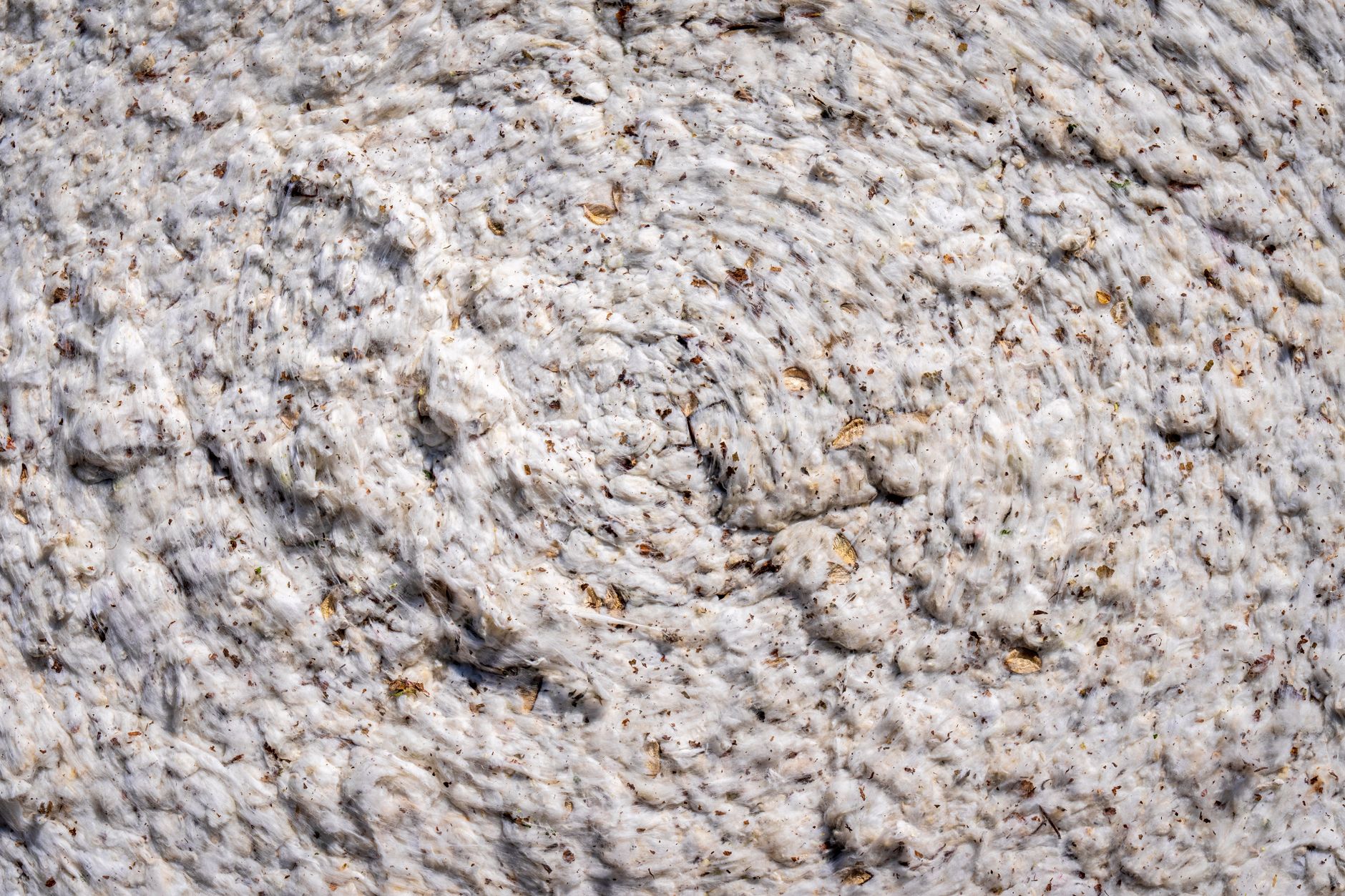
The crush test is the simplest quality check. Squeeze a fistful of the fabric for a few seconds and let go. A good linen blend relaxes and recovers, while a poor one stays crumpled. Even the best will crease by the time you reach the train platform, and the winter version is no different. Steam it, hang it on a wide-shouldered hanger and rest it a day between wears. Pressed flat, it looks like every other suit in the closet, and the creases are either the reason to buy one or the reason to walk away.