

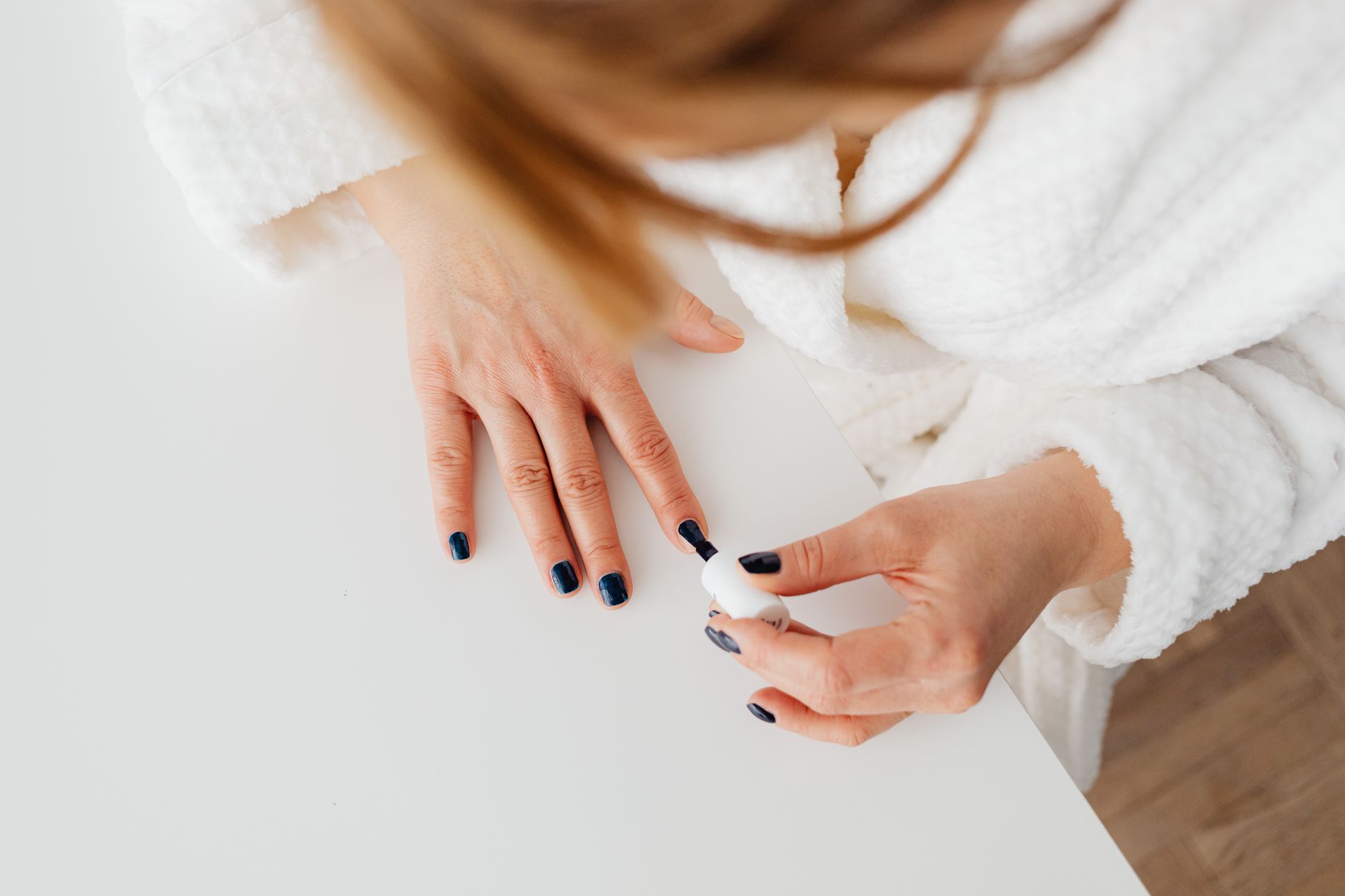
What happens when a manicure stops being about length? For years, the nail salon chair was the place to add inches: acrylic extensions, stiletto points, and coffin shapes sturdy enough to open a soda can and photograph well from every angle. Now a different request is showing up at the front desk. Clients are asking for nails trimmed near the fingertip, shaped into soft squares or gentle ovals, and finished with sheer color or a high-shine clear coat. The appointment is quicker, the result looks almost effortless, and the nails look like the client’s own on their best day.
The shift is visible on social feeds and in the way salons describe their services. Menus that once led with extensions now give equal billing to “short and natural” options, and some technicians are building their entire reputation around strengthening and shaping the nails a client already has. The appeal is easy to understand. Short nails fit around keyboards, baby care, workouts, and instrument practice without a second thought. They also let the details of a manicure, like a crisp edge or a glossy finish, do the talking. The trend is less about doing less than about doing a smaller canvas very well.
Why Shorter Nails Are Winning
Practicality is the obvious driver, but it isn’t the only one. Long extensions demand a certain lifestyle: careful typing, workarounds for buttons and zippers, and regular fill appointments to keep the shape intact. Many clients who wore them for years describe the same moment of fatigue, when the novelty fades and the maintenance starts to feel like a part-time job. Short nails remove that friction. A set can go through a busy week of cooking, lifting, and commuting without chipping at the free edge or catching on a sweater.
There is also a style argument. The polished, minimalist look that has dominated beauty feeds, with glowing skin, brushed-up brows, and slicked-back hair, pairs naturally with a clean, neat nail. A long, heavily decorated set can compete with that look, while a short milky-pink nail completes it. Short manicures also read as grooming rather than decoration, which suits clients who want to look put together without announcing a salon visit.
What Clients Are Actually Booking
The most visible service behind the trend is gel applied directly to the natural nail, often in a thicker “builder” formula. Builder gel is a strengthening layer sculpted over the nail plate to add structure, which helps thin or peeling nails hold up without any extension at all. Clients who have struggled with splitting after years of acrylics often choose it as a bridge, since it protects the nail while it grows out. The result looks smooth and slightly rounded, with a subtle apex that keeps the nail from bending at the tip.
Prep is the other half of the service, and many salons now sell it as the main event. A careful short manicure involves gentle cuticle cleanup, shaping the sidewalls, buffing out ridges, and checking that the nail plate is clean before any product goes on. Because short nails leave so little room to hide mistakes, uneven cuticle lines and lifted edges show up quickly. Clients curious about more intensive cuticle techniques should ask how a technician was trained and which tools are used, since aggressive work on the skin around the nail can cause irritation or infection.
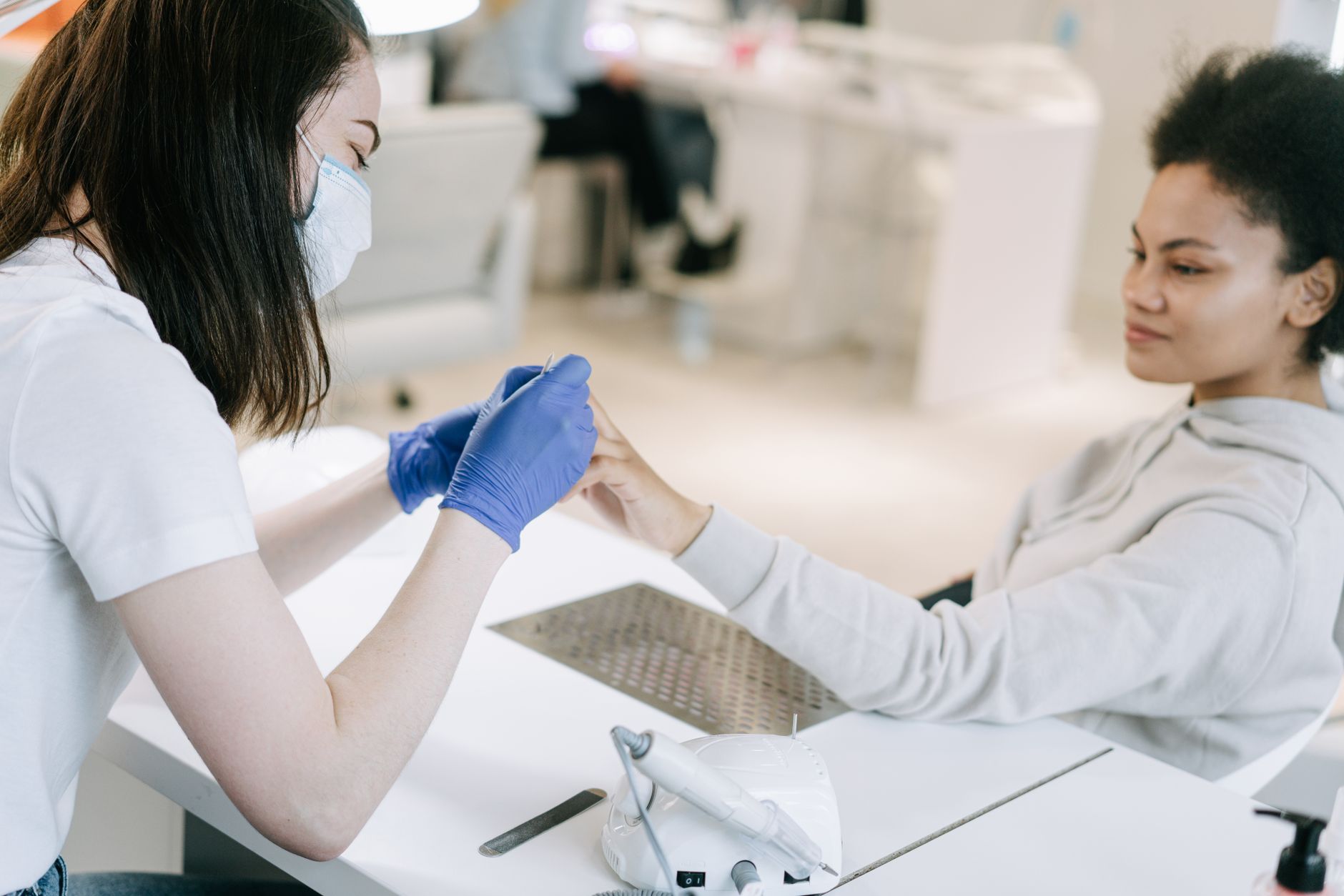
A short set also changes the economics of upkeep. Fills come less often, and breakage is a smaller drama.
Color choices lean soft. Sheer pinks, milky whites, and barely-there beige tints are the backbone of the trend, along with glossy clear coats that make bare nails look healthier. The micro French, with a thin line of white or a pastel along the very tip, has become a favorite for clients who want a little definition without going back to a bold statement. Deeper shades have not disappeared. A short sheer red or a dark chocolate brown looks sharper on a trimmed nail than it often does on a long one.
Shapes and Finishes Setting the Tone
Shape matters more when length is off the table. The most requested outlines are the squoval, a square with softened corners, and a short, rounded oval that follows the curve of the cuticle. Both are forgiving and strong, since they avoid sharp corners that snag and crack. A short almond is the choice for clients who want a little elegance and have enough free edge to taper. Wide nail beds tend to look longer with an oval, while narrow ones can carry a squoval without looking boxy, so a good technician will often adjust the shape to the hand rather than copy a photo.
Nail art has adapted rather than vanished. Instead of full-surface designs, clients are choosing a single dot at the cuticle, a fine line along the edge, a tiny star, or one accent nail with a subtle shimmer. Chrome and pearl powders in pale tones add reflectivity that looks expensive on a short nail, and a glossy top coat can do more for a plain manicure than extra decoration.
Making a Short Manicure Last
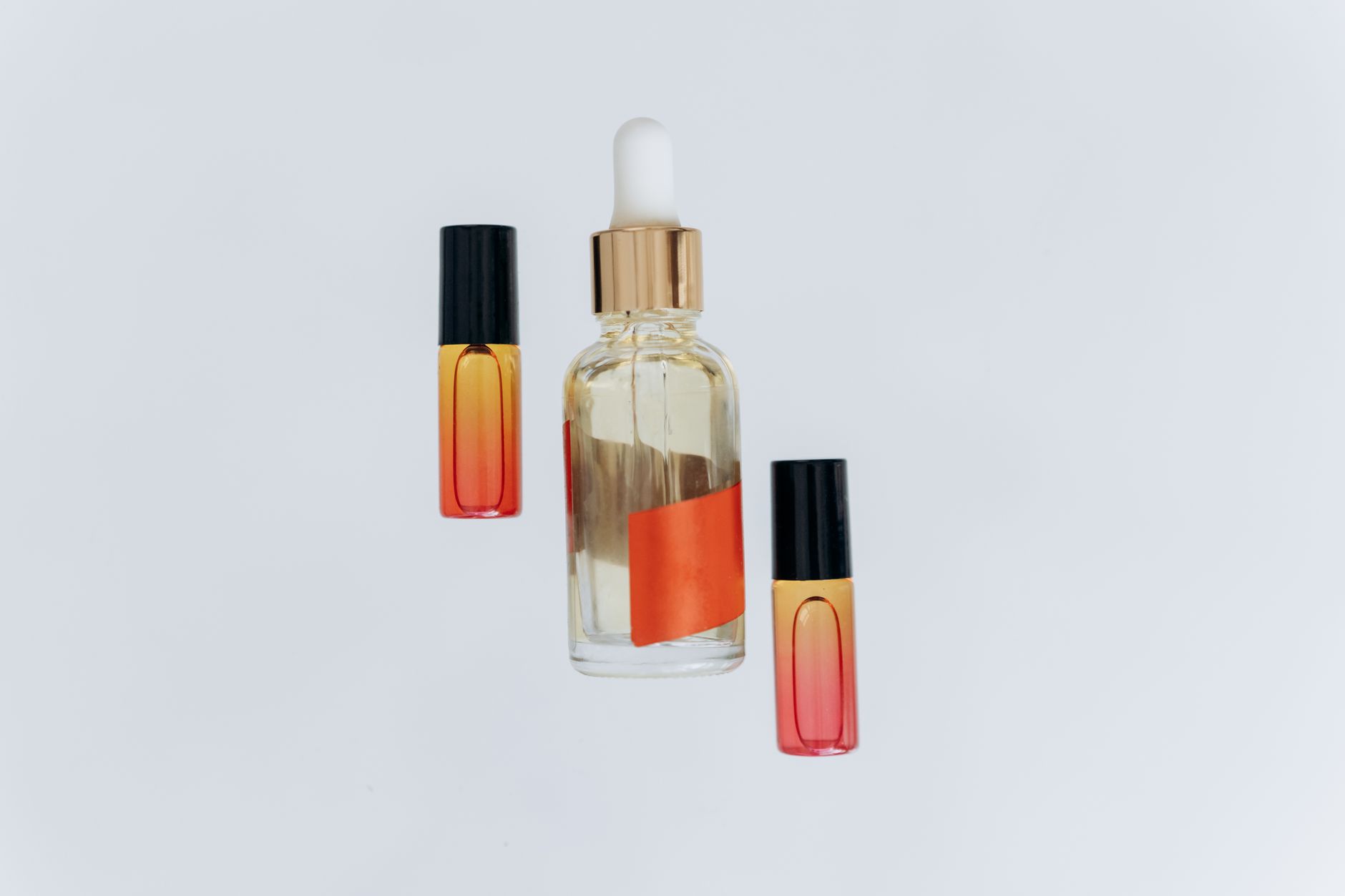
The upkeep is simple, but it works best when it’s consistent. Cuticle oil applied daily keeps the skin around the nail flexible, which reduces hangnails and helps gel sit cleanly at the edge. Hand cream matters nearly as much, because dry hands make even a perfect manicure look tired. Filing in one direction, rather than sawing back and forth, helps prevent the layers of the nail from splitting, and a fine-grit file is gentler than a coarse one.
Removal is where many clients undo their own progress. Peeling gel off lifts layers of the nail plate with it, leaving thin, flaky spots that take months to grow out, and that is exactly the damage many short-nail converts are trying to escape. Soaking off properly, either at the salon or with the right products at home, keeps the nail intact. Giving nails an occasional break between gel sets, with a plain strengthening base coat or a bare buffed finish, also helps them recover.
The irony of the short manicure is that it exposes everything. A glossy, even surface shows off healthy nails, but it also shows ridges, dryness, and uneven cuticles in a way a long, opaque set never would. That makes the cheapest tools the most valuable ones: a glass file, a bottle of cuticle oil kept by the bed, and a clear top coat reapplied every few days.