


Skinny jeans have been declared dead so many times that their comeback was always going to feel a little ironic. The silhouette is now creeping back into rotation, showing up in styling videos and on store tables, and the obituary for wide-leg denim has been drafted right alongside it. Except the wide leg hasn’t gone anywhere. It’s still in the same closets, on the same commuters, and on the same denim walls as its slimmer rival.
What looks like a trend war is closer to a standoff. Neither shape is winning outright, and that stalemate says more about how people actually shop than any runway report could.
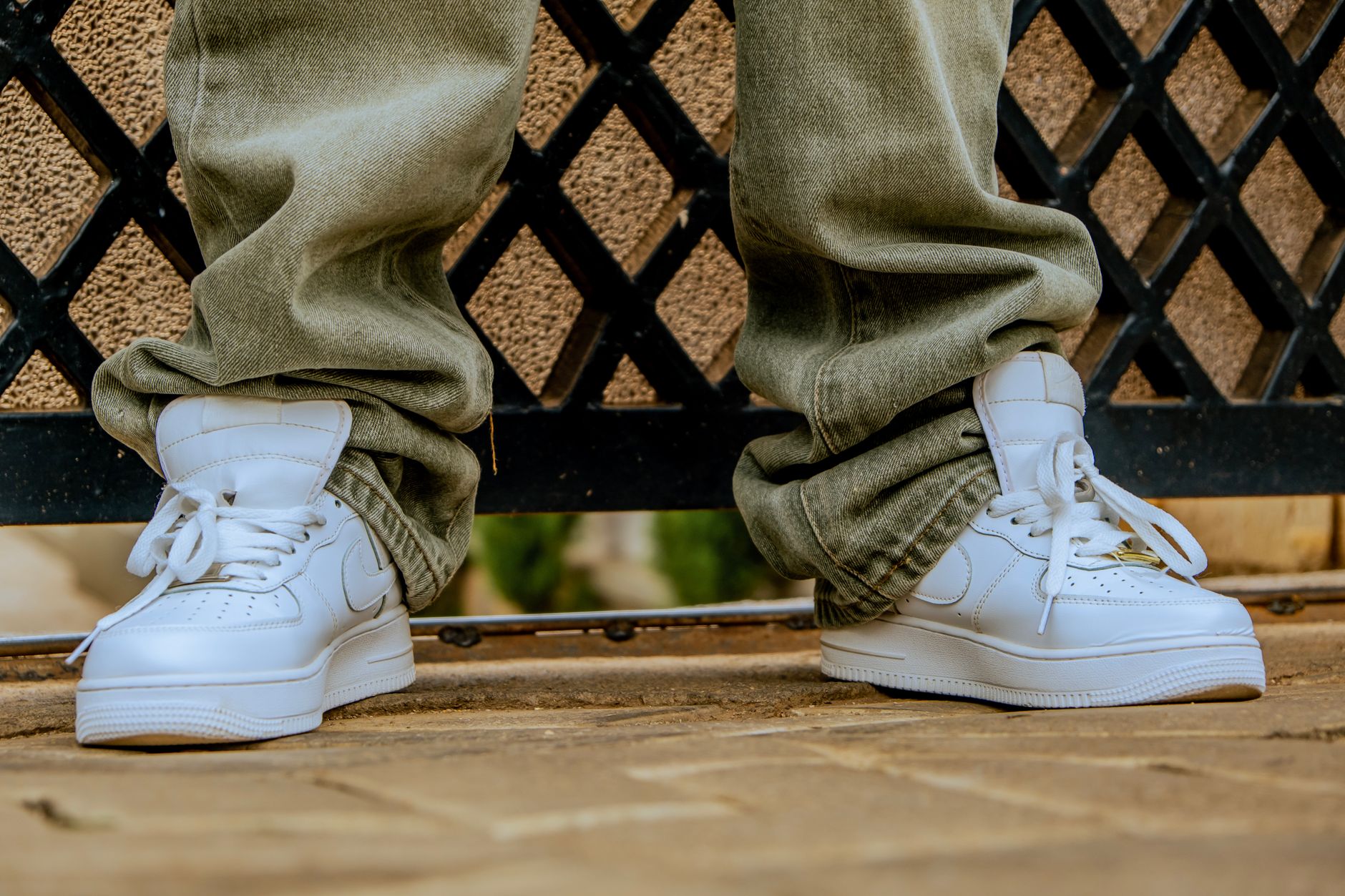
Why Skinny Denim Is Getting a Second Look
Fashion runs on contrast. After years of one dominant silhouette, the eye gets tired, and the opposite shape starts to look fresh. Wide-leg and baggy denim had a long stretch as the default, so a narrow leg now reads as a deliberate choice rather than a leftover from 2014. Shoppers who skipped the first skinny wave entirely see it as new. Others are drawn by nostalgia for a era when a fitted jean and a slouchy knit felt like the whole uniform. Add the fact that stretch denim has improved considerably, and the case for a close fit gets easier to make.
The version coming back isn’t an exact replay. It tends to sit at the mid or high rise, with cleaner washes, less distressing, and a fabric that holds its shape instead of bagging at the knee. Styling has changed too: chunky loafers, ballet flats, and long tailored coats now sit where pointed ankle boots and fitted tees once did.
Why the Wide Leg Isn’t Going Anywhere
Comfort is the simplest answer. Once a wardrobe has adjusted to room around the thigh and knee, going back to a fitted leg feels like a step backward for anyone who commutes, sits at a desk all day, or chases a toddler. Fabric that moves and doesn’t cling is a hard thing to give up, and fashion rarely wins arguments against comfort.
Proportion is the second reason. A wide leg balances almost everything else in a modern outfit: cropped jackets, oversized shirts, bulky knitwear, and heavy outerwear. It also gives the legs a long, continuous line, particularly when the hem skims the floor. That visual effect works across heights and body types, which helps explain why the shape has lasted so long.
Then there’s the job the wide leg has quietly taken on. Rigid, dark-wash versions with a trouser-style crease and a clean hem can pass in offices where a skinny jean never could. A pair like that sits somewhere between denim and tailoring, and that crossover territory is difficult for a narrow leg to occupy.
Finally, there’s simple wardrobe math. Many shoppers bought several wide-leg pairs over the past few years, and jeans are a purchase people tend to wear for a long time. Nobody clears out a drawer of well-made denim because a new silhouette started circulating online.

The Quiet Rise of the In-Between
The most telling development isn’t happening at either extreme. Straight-leg, slim-straight, relaxed taper, and barrel shapes are filling the space between the two camps, and a lot of denim walls now look like a spectrum rather than a choice between two opposing styles. These cuts offer a bit of structure without squeezing and a bit of room without swallowing the shoe.
That range suggests shoppers aren’t switching sides so much as choosing by outfit. A person might reach for a narrow leg when wearing a long coat and boots, then a wide leg on a day built around a fitted top and sneakers. Denim is becoming less about allegiance and more about what the rest of the look needs.
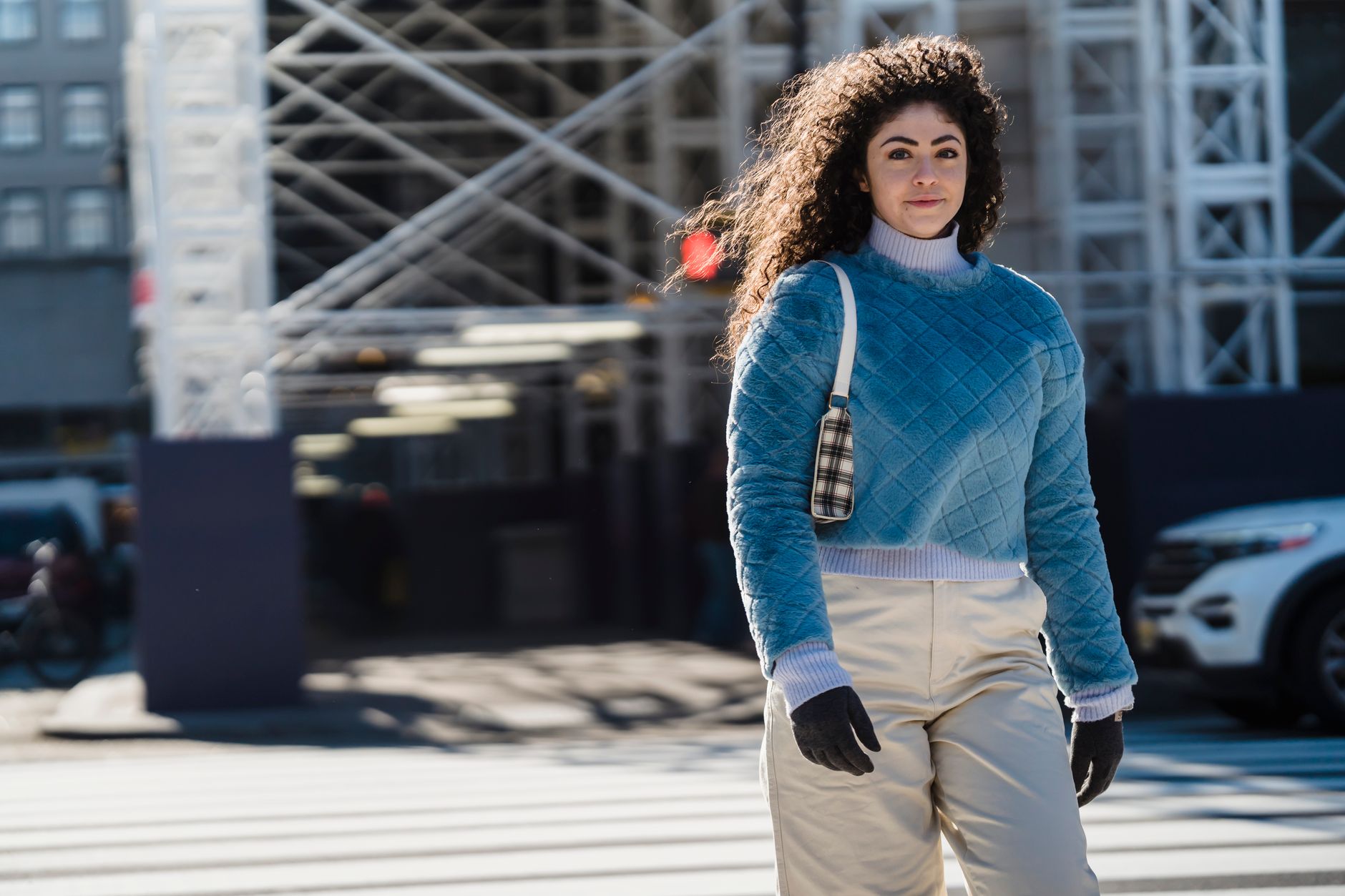
How to Wear Both Without Overthinking It
The easiest rule is to put volume in one place only. Skinny jeans pair best with something oversized on top, such as a boxy blazer, a chunky sweater, or a long open coat. Wide-leg jeans do the reverse: a fitted bodysuit, a slim knit, or a cropped jacket keeps the outfit from turning into a pile of fabric.
Shoes do a lot of the remaining work. A narrow leg can handle a substantial sole, like a lug-soled boot or a chunky loafer, because the jean doesn’t compete with it. A wide leg usually needs something more streamlined underneath, like a low-profile sneaker, a pointed flat, or a sleek heeled boot, so the hem doesn’t swallow the whole foot.
Hem length is where most wide-leg outfits succeed or fail. With flats, a hem that just grazes the floor at the back looks intentional, while one that drags and frays tends to look accidental. With a heel, the same pair can be tailored an inch higher and still look right. Getting that single measurement correct matters more than the choice between wide and skinny.