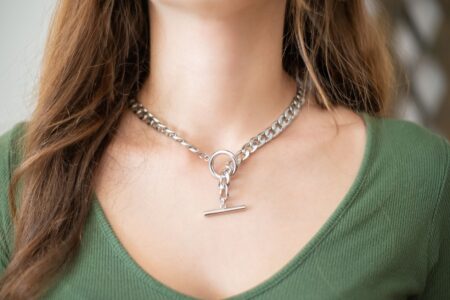


Polo club breastplate rings – the heavy, arched chest hardware originally designed to secure saddle straps on competition horses – have quietly migrated from the equestrian supply aisle into fine jewellery collections, body chain editorials, and runway accessory stacks. The transition is not accidental. It is a direct product of fashion’s sustained appetite for functional objects reframed as adornment.

From Tack Room to Torso: How the Hardware Crossed Over
A polo breastplate ring is, at its core, a load-bearing connector. Traditionally cast in solid brass or stainless steel, the ring anchors the chest strap of a horse’s breastplate to the girth billets, distributing tension across the animal’s chest during fast, physical play. The geometry is deliberate: wide, rounded arches, reinforced welding points, and a smooth interior that won’t chafe under pressure. That same geometry, it turns out, reads as sculpture when lifted off a horse and placed against human skin.
The initial crossover happened through vintage markets rather than designer studios. Collectors buying secondhand tack for their aesthetic value – heavy, aged brass fittings with a patina no industrial process can replicate – began incorporating the rings into DIY body harnesses and layered chain arrangements. From there, the visual spread through editorial photography, which has always been quicker than the runway at absorbing objects from unexpected categories. A single image of a breastplate ring worn as a sternum pendant or laced into a body chain can do more to shift perception than a season of lookbook styling.
What the jewellery world found attractive was the ring’s proportion. Most fine jewellery operates at a small scale – the drama comes from material rarity. The breastplate ring inverts that logic. Cast in metals that are mundane by jewellery standards – mild steel, nickel-plated brass, even galvanized iron – the drama comes entirely from size and shape. A ring that spans four inches across the sternum commands attention without needing a gemstone. That is a different kind of luxury, one that prioritizes presence over preciousness.
Several independent jewellers have already begun producing breastplate ring interpretations in sterling silver and recycled brass, often preserving the functional connector loops of the original as decorative details rather than removing them. The loops become attachment points for chains, leather cord, or secondary rings, allowing the piece to function as the structural anchor of a full body jewellery arrangement. The equestrian logic – one central ring organizing multiple straps – maps cleanly onto body chain construction.
The Sculptural Logic Behind the Silhouette
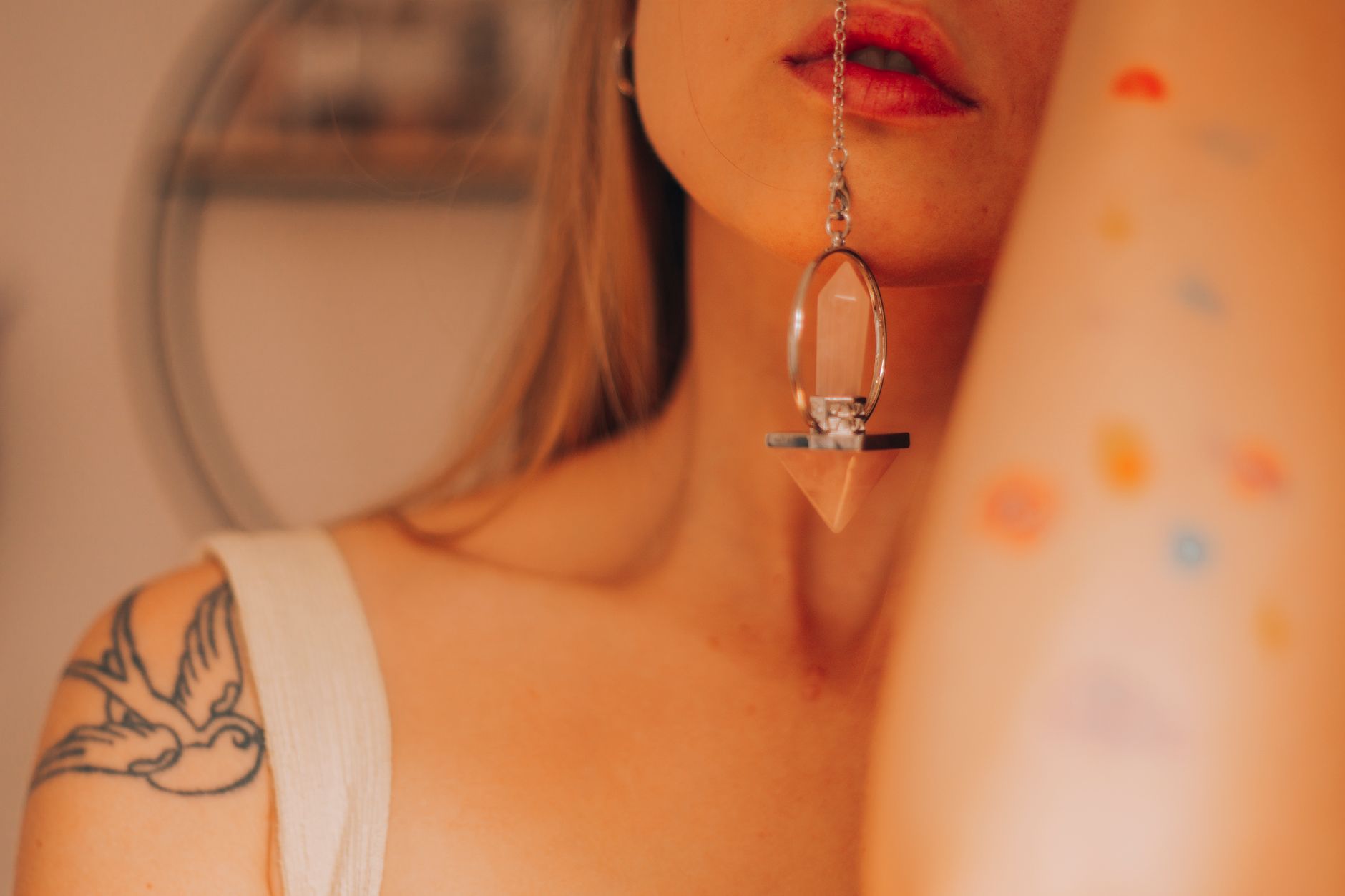
Body jewellery has always negotiated a tension between the ornamental and the structural. A necklace sits on the body. A body chain moves with it. A breastplate ring, worn as a sternum centerpiece or a chest connector, does something closer to what armour does – it defines the architecture of the torso, drawing the eye to the sternum line in a way that functions almost like tailoring. Fashion has been circling back to that idea repeatedly, through corset detailing, through harness straps, through the resurgence of visible underwear structure as outerwear. The breastplate ring is the most distilled version of that impulse: pure hardware, no textile required.
The styling vocabulary that has grown around these rings is specific. They work best against bare skin or under open-front clothing – sheer organza, unbuttoned linen shirts, low-cut evening pieces – where the ring is visible as an intentional layer rather than hidden beneath fabric. Worn at the sternum, a wide breastplate ring creates a focal point that pulls the shoulders back and draws attention to posture. That posture effect is not incidental. The equestrian world has always understood that the gear worn around the chest changes how the body carries itself; the same principle applies to the person wearing the derivative piece.
Layering is where the trend gets genuinely interesting. A single breastplate ring functions as a statement piece. Two or three, connected by lightweight chains or leather cord and arranged vertically down the torso, create a look that references both medieval plate armour and contemporary body chain design without directly quoting either. The visual language is its own thing: equestrian in origin, sculptural in execution, and modern in proportion. Designers working with this hardware tend to resist over-finishing it. Visible welding seams, slightly irregular casting, surfaces that show the manufacturing process – these qualities are kept rather than polished away, because they are what distinguish a breastplate ring from a conventional jewellery hoop.
The colour palette the hardware imposes is worth considering. Raw brass reads warm and slightly antique, pairing naturally with camel, rust, deep green, and ivory. Stainless steel and nickel plate read cooler and more industrial, sitting well against black, white, slate, and cobalt. Silver-cast interpretations bridge both worlds, with enough warmth to work against earth tones but enough brightness to hold against minimal colour. The range of tonal options is wider than most single-object jewellery trends offer, which partly explains why the breastplate ring has attracted interest across different styling communities – equestrian-adjacent fashion, avant-garde evening dressing, and maximalist everyday layering are all finding a version of this piece that works for them.
There is also a practical durability argument that body jewellery enthusiasts tend to appreciate. Hardware designed to hold under the physical strain of polo competition is overbuilt for decorative use. The rings do not bend, the connecting loops do not stretch, and the surface finishes – particularly on brass and stainless pieces – resist the oils and friction that destroy most fashion jewellery within a season. For a category of accessory that sits directly against skin and moves constantly with the body, that structural integrity is genuinely relevant rather than incidental.
Where the Trend Is Landing
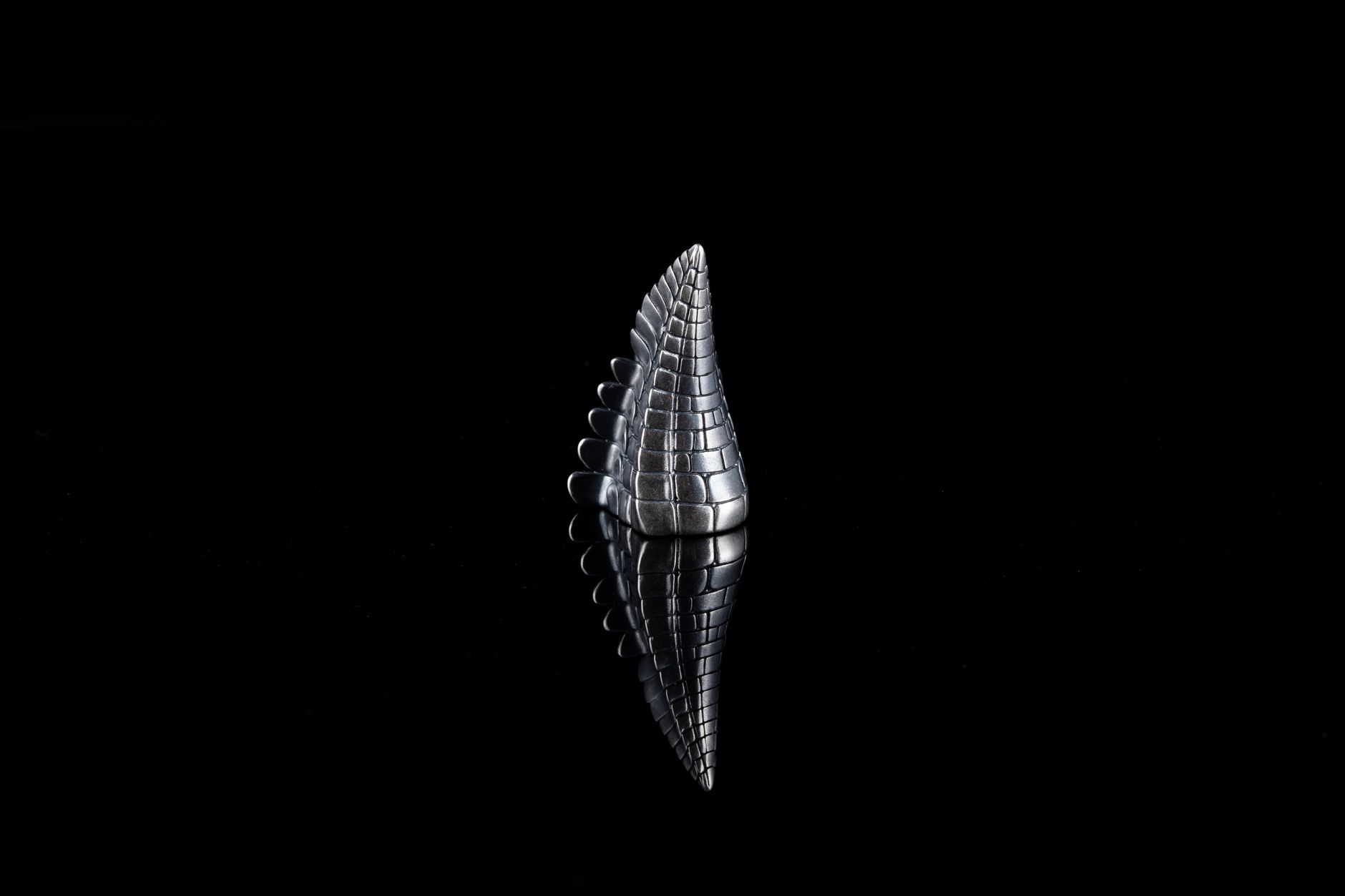
The market currently shaping around polo breastplate ring jewellery occupies a middle space between bespoke equestrian metalwork and accessible fashion hardware. A growing number of small independent studios – particularly those already working with mixed-material body jewellery, leather, and reclaimed metal – are producing breastplate ring pieces at price points that reflect the handmade labour without requiring fine jewellery budgets. At the higher end, a few bespoke jewellers have begun casting custom versions in solid brass or sterling silver, sometimes incorporating polo-specific detailing like buckle impressions or strap slot profiles as surface texture.
The unresolved question for the trend is longevity. Body jewellery has a history of cycling through intense editorial attention and then narrowing to a committed niche rather than achieving broad mainstream adoption. The breastplate ring may follow the same arc – or it may find staying power in the fact that it is rooted in functional hardware with a long manufacture history, rather than being a purely aesthetic invention. Objects with a prior life outside fashion tend to resist the obsolescence cycle more effectively, because their identity does not depend entirely on a seasonal context. Whether that is enough to move the breastplate ring from editorial novelty to wardrobe staple is the question the next two or three seasons will answer.