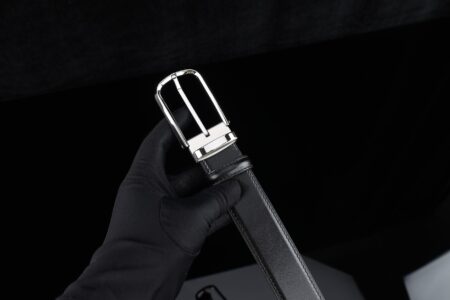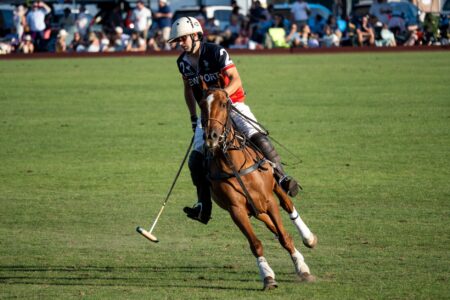


Equestrian tack has always had an uncomfortable relationship with fashion – too functional to feel decorative, too niche to go fully mainstream. Crupper straps, the leather loops that run beneath a horse’s tail to keep a saddle from sliding forward, sit at the far end of that obscurity. Yet a growing number of accessories designers are lifting exactly this hardware and routing it directly into belt collections, and the results are anything but accidental.
The Anatomy of a Crossover
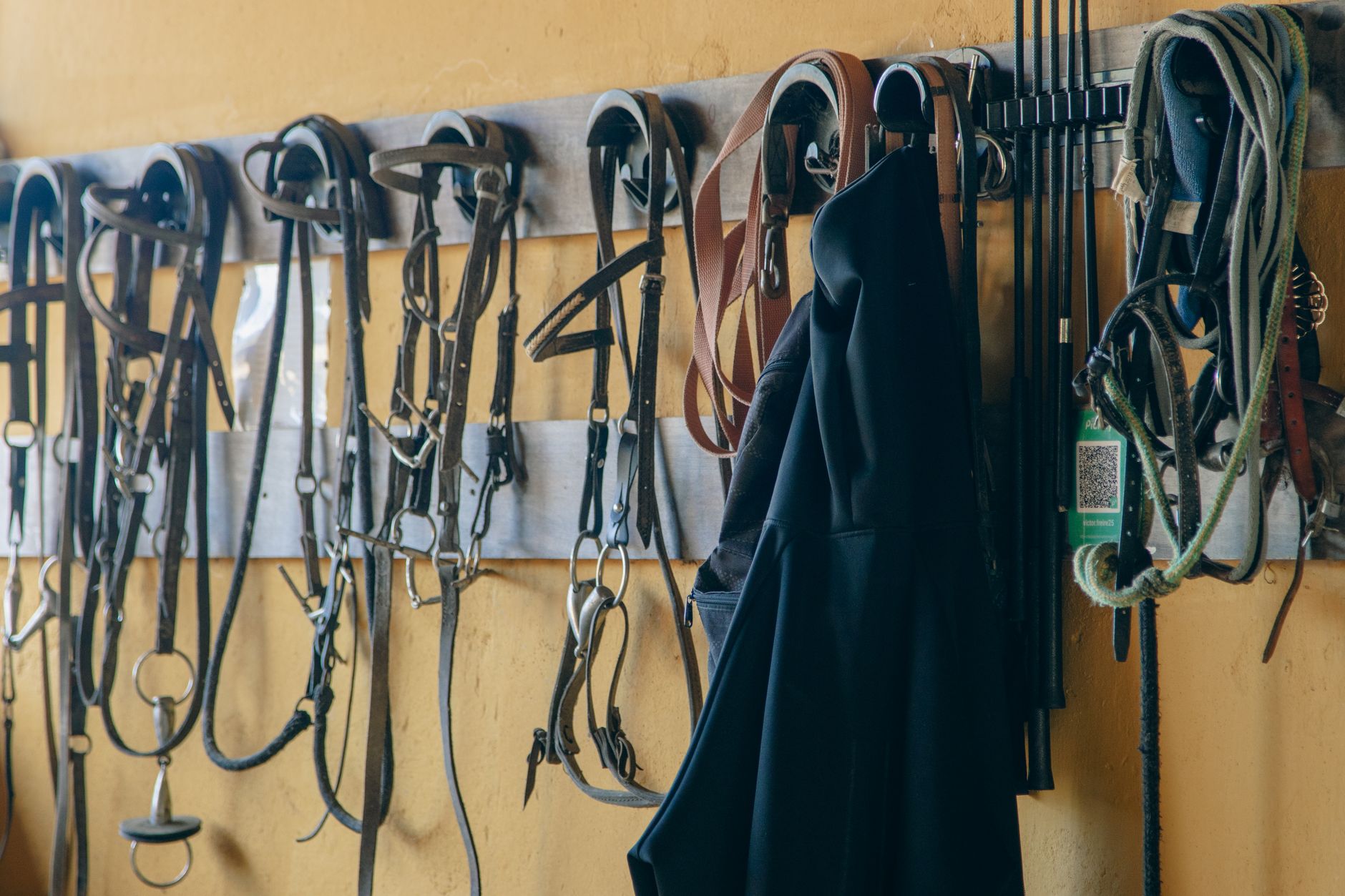
To understand why crupper strap construction translates so well into belt design, the mechanics matter. A crupper strap is built around a continuous loop – typically a ring or D-buckle at one end and a soft leather dock at the other, with a long adjustable strap connecting both. That loop-through construction, when stripped of its equestrian context, reads as architectural. It creates visual tension and a sense of movement that flat-panel belts simply cannot replicate.
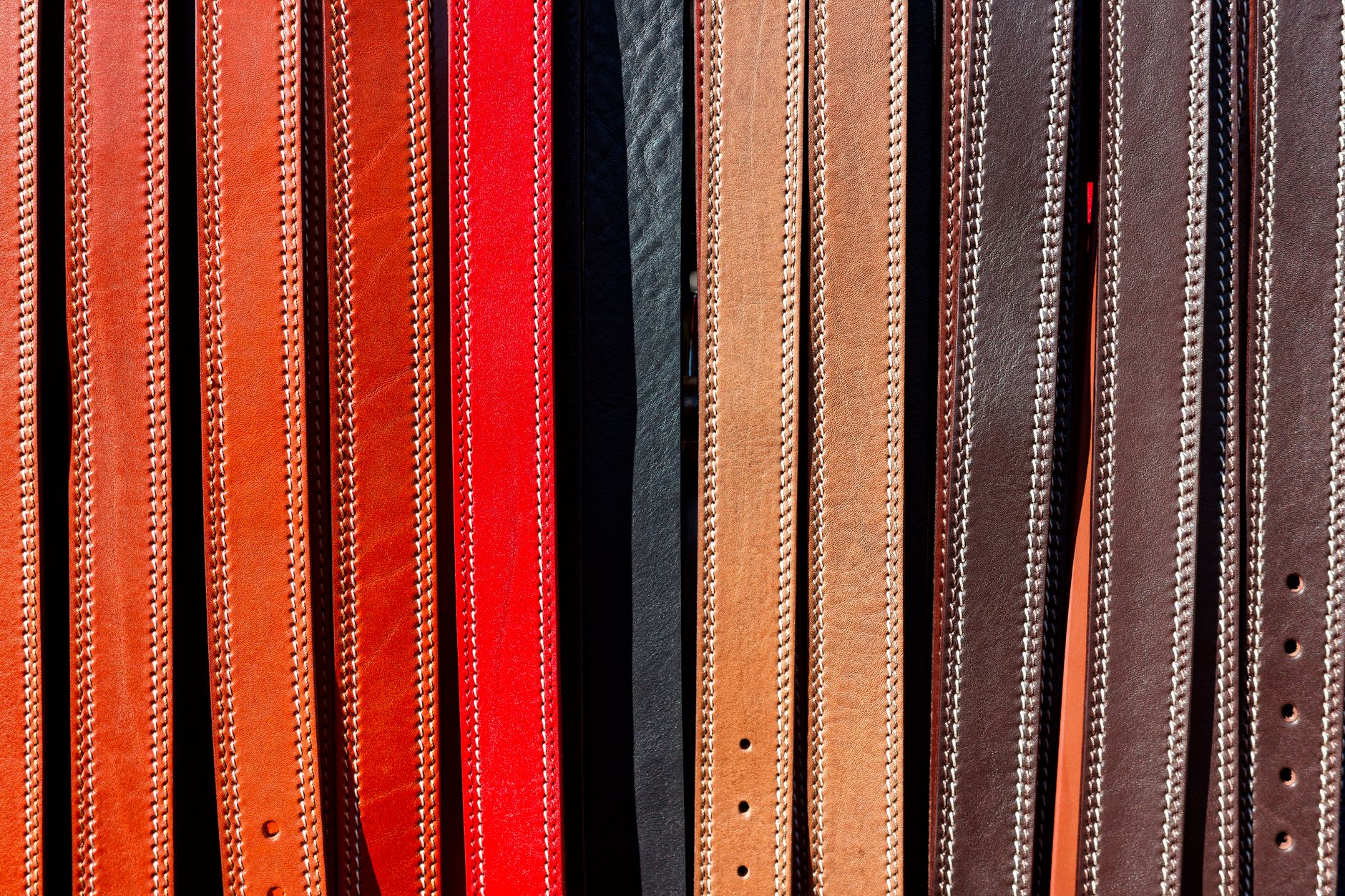
Polo club leather, specifically, is finished to a standard that most belt manufacturers never bother reaching. The hides used in saddle and tack construction are vegetable-tanned for durability, conditioned against sweat and weather, and stitched with thread counts that outlast the garments they’re paired with. When that same material and stitching discipline gets applied to a waist accessory, the quality difference is immediate and tactile. You feel it before you see it.
The aesthetic borrowing is deliberate. Designers pulling from polo club references are not simply copying a shape – they are importing a value system. Polo tack exists in a world of understated wealth, of gear that costs more than most people’s monthly rent but carries no logo, no branding, no performance of status. That quietness is exactly what accessory design has been chasing through several cycles of logomania and backlash.
The loop itself – that defining ring at the crupper’s center – becomes the focal point in belt translations. Some versions render it in brass, some in oxidized silver, some in the same leather as the strap itself, folded back on a rivet. Each interpretation changes the formality register of the accessory. A brass ring reads more traditional, closer to the tack room source. A wrapped leather loop reads softer, closer to a fashion-forward minimalism that works across both tailored and relaxed wardrobes.
How the Drop Is Being Executed
The current wave of crupper-inspired belt drops is landing in small quantities, priced in the range where serious accessories buyers expect to see craftsmanship justify cost. These are not mass-market pieces. They are arriving as limited runs through independent leather goods studios and, in a few cases, through the accessories lines of brands that also produce equestrian gear – making the translation literal rather than purely referential.
Styling these belts requires understanding what makes them structurally different from a conventional buckle belt. The loop element sits forward on the body, usually centered at the front of the waist, which means it functions as a focal point rather than a background detail. Pairing a crupper-loop belt with a heavily patterned outfit buries the hardware. The strongest pairings are with plain, structure-forward pieces – a straight-cut trouser in a neutral, a longline coat worn open, a simple column dress that lets the belt read as the only ornamental element.
Waist sizing and adjustment work differently, too. Many crupper-translated belts use a slide or roller mechanism rather than a standard tongue-and-hole setup, borrowed directly from tack’s need for micro-adjustment under pressure. This gives the wearer more precise fit control, but it also means the belt sits differently on the body – there is no visible hole pattern, no worn groove, just a clean line of leather. That cleanliness is part of the appeal, and part of why these pieces photograph so distinctly compared to traditional belts.
The color palette arriving with these drops skews predictably toward the tack room: cognac, dark havana, bridle black, and a warm chestnut that photographs amber in direct light. A smaller group of studios is running the hardware in lighter leathers – natural veg-tan with minimal finishing, meant to age visibly and develop a personal patina over years of wear. That aging quality is central to the pitch. These belts are designed to look better at five years than they do on day one, which is a fundamentally different proposition than trend-cycle accessories.
The migration of polo club construction details into mainstream fashion is not limited to one category – it is showing up across outerwear, footwear, and now belts with enough consistency to read as a directional shift in how equestrian references get absorbed. What makes the crupper belt specifically interesting is how load-bearing its design logic feels. It is not a decorative borrowing. The loop is structural, and that structural origin shows.
What Actually Makes This Work Long-Term
Trend longevity for accessories borrowed from functional equipment depends on one thing: whether the borrowed detail has a life independent of its original context. Crupper loop hardware passes that test. Worn without any other equestrian signaling, a belt built on this construction reads simply as a well-made leather accessory with unusual hardware. It does not require the wearer to perform an equestrian identity, which is precisely why it can travel further than, say, a riding boot or a polo collar into wardrobes with no connection to the sport.
The harder question is whether the loop detail stays interesting once volume catches up to the idea. Right now, these belts are found rather than bought – you discover them through a small studio’s drop email, through a boutique buyer’s edit, through someone wearing one and being asked where it came from. The moment the loop appears in a fast-fashion accessory run, the detail becomes ordinary. That tension – between the quality of the original and the inevitability of imitation – is exactly what keeps the early adopter market moving to the next tack room shelf before the rest of fashion has finished catching up to this one.
Frequently Asked Questions
What is a crupper strap and how does it relate to belt design?
A crupper strap is a loop of leather used in horse tack to keep a saddle in place. Its loop-through hardware and high-grade leather construction translate directly into distinctive belt designs with architectural detailing.
How should I style a crupper-inspired loop belt?
These belts work best with clean, structure-forward pieces like straight-cut trousers or a simple column dress, since the loop hardware functions as a focal point and gets lost against heavily patterned outfits.