

Where Equestrian Gear Meets Runway Edge
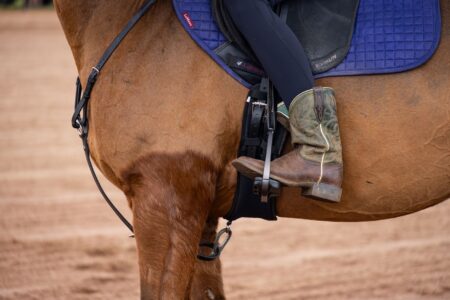
The fly veil – that fringed browband worn by polo ponies to keep insects away from their eyes – has quietly crossed over from the paddock into fashion’s minimalist headband conversation, and the timing makes complete sense.
The Fringe Detail That Caught Designers’ Attention
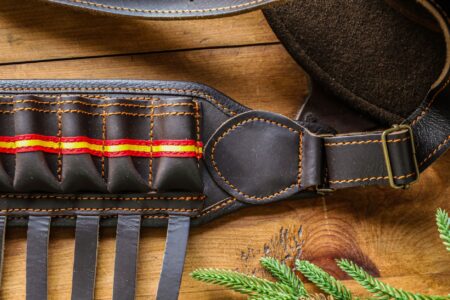
Polo fly veils are purpose-built accessories: a fitted browband, usually crocheted or woven, with a row of fringe dropping just below the horse’s eye line. The fringe moves constantly, creating a visual rhythm that is both functional and almost hypnotic to watch. That movement – controlled, deliberate, decorative within a structured frame – is exactly what certain accessory designers started noticing as a construction concept worth borrowing.
The equestrian world has long been a quiet supplier of silhouettes to fashion. Riding boots, jockey caps, stirrup leggings – each made the transition from stable to street by way of the same logic: the gear looks good because it was built to perform under physical stress, which means clean lines, considered proportions, and materials that hold their shape. The fly veil browband follows that same reasoning. Its structure is precise, its fringe placement calculated, and the overall form reads as both graphic and restrained.
What separates the fly veil browband from generic fringe accessories is the way the fringe is anchored. On a traditional fringe headband, the hanging strands are often sewn along the top or draped loosely. On a polo veil, the fringe attaches to the lower edge of a firm, fitted band – meaning the movement happens below a clean horizontal line. That distinction matters for the minimalist aesthetic, where chaos and clutter are the enemies. The fringe becomes a deliberate architectural detail rather than an afterthought.
A growing number of independent accessory labels are working with this construction, producing human-scale browband headpieces where a slim leather or woven band sits flat against the forehead, with a short row of fringe – suede, cord, or fine chain – falling just to the brow line. The look is surprisingly wearable, landing somewhere between a hair accessory and a statement piece without fully committing to either category.

How the Trend Builds on Minimalist Headband Culture
Minimalist headbands have held steady as an accessory category for several years, functioning as the quiet alternative to oversized hats or embellished hair clips. The appeal is their ability to signal effort without overwhelming an outfit – one clean band and the styling reads as intentional. The fly veil browband detail layers onto that established preference by adding movement without adding volume, which is an almost impossible balance to achieve in accessories design.
The fringe length is everything. Too long and the piece reads as costume – festival wear or theatrical rather than polished. The fly veil proportion, which keeps fringe short enough to stay above the eye line, keeps the accessory in the realm of wearable refinement. Designers adapting this for fashion are being careful about that measurement, treating it the way a tailor would treat a hem allowance: a matter of millimeters that determines the entire tone of the piece.
Material choice is where the trend diversifies. Suede fringe on a raw-edge leather browband skews toward a Western-inflected minimalism, the kind that works with a high-neck column dress or wide-leg tailoring. Fine cord fringe on a crocheted band keeps the equestrian reference closer to the surface. Brass chain fringe on a smooth satin browband pushes the silhouette into evening territory, where it reads alongside structured visor brims and other sport-derived accessories that have found their way into formal dressing.
The color palette being applied to these pieces reflects the sport’s visual language – cream, navy, caramel, forest green, black – but some designers are breaking from that restraint entirely, using the browband fringe concept as a vehicle for bold, single-color statements in red or cobalt. This signals that the construction detail has genuinely separated itself from its equestrian origin and is operating as a standalone design idea rather than a direct reference or costume homage.
There is also a texture conversation happening within this trend that sits adjacent to broader discussions about seam and edge construction in fashion. The way a fly veil browband frames the face – with a clean upper edge and a textured lower fringe – mirrors the logic behind certain structural decisions in garment design, where a clean panel transitions into a deliberate edge treatment. The headpiece essentially wears that transition on the forehead, making it visible in a way that most garment construction keeps hidden.
Who Is Actually Wearing This
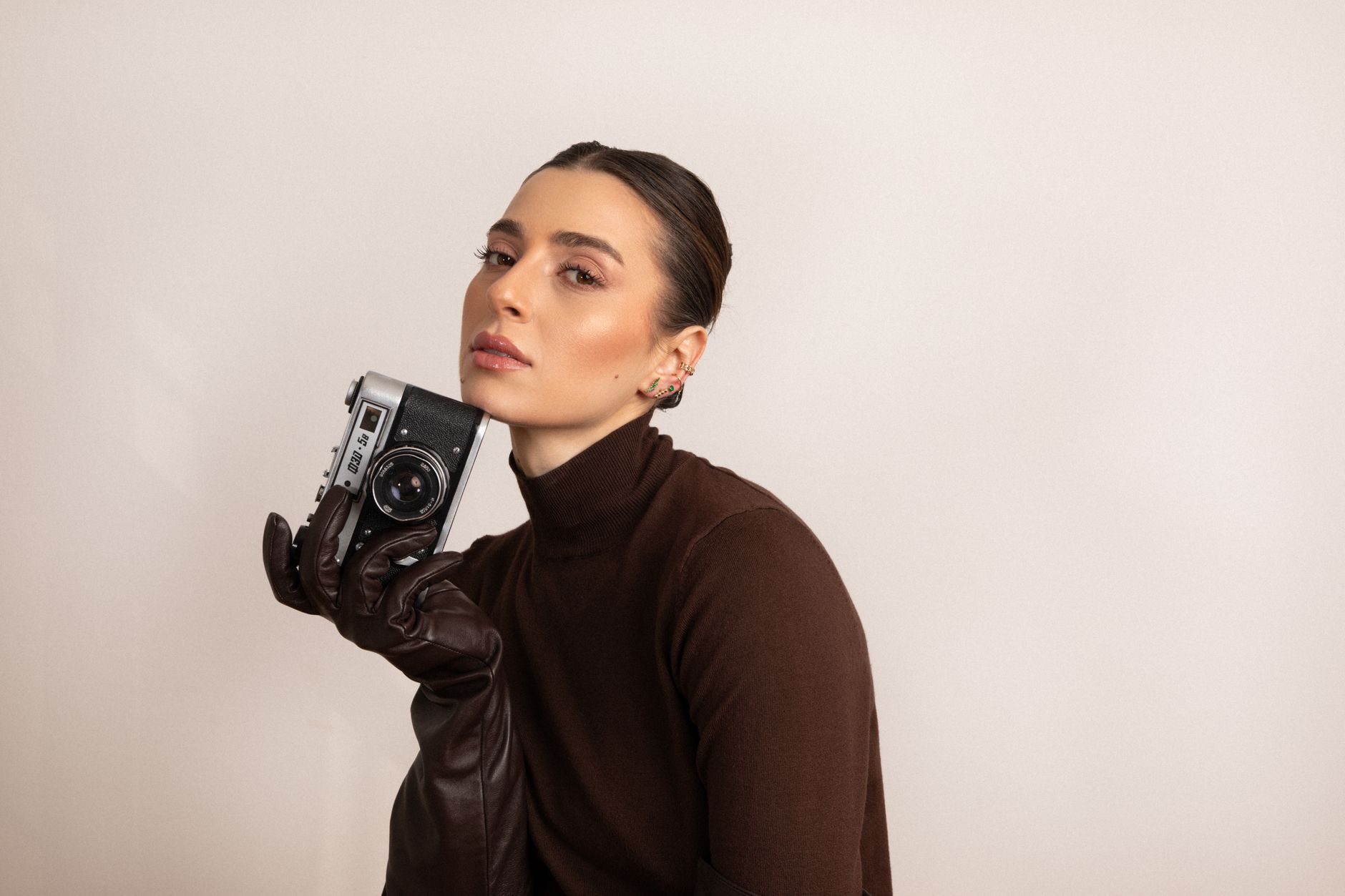
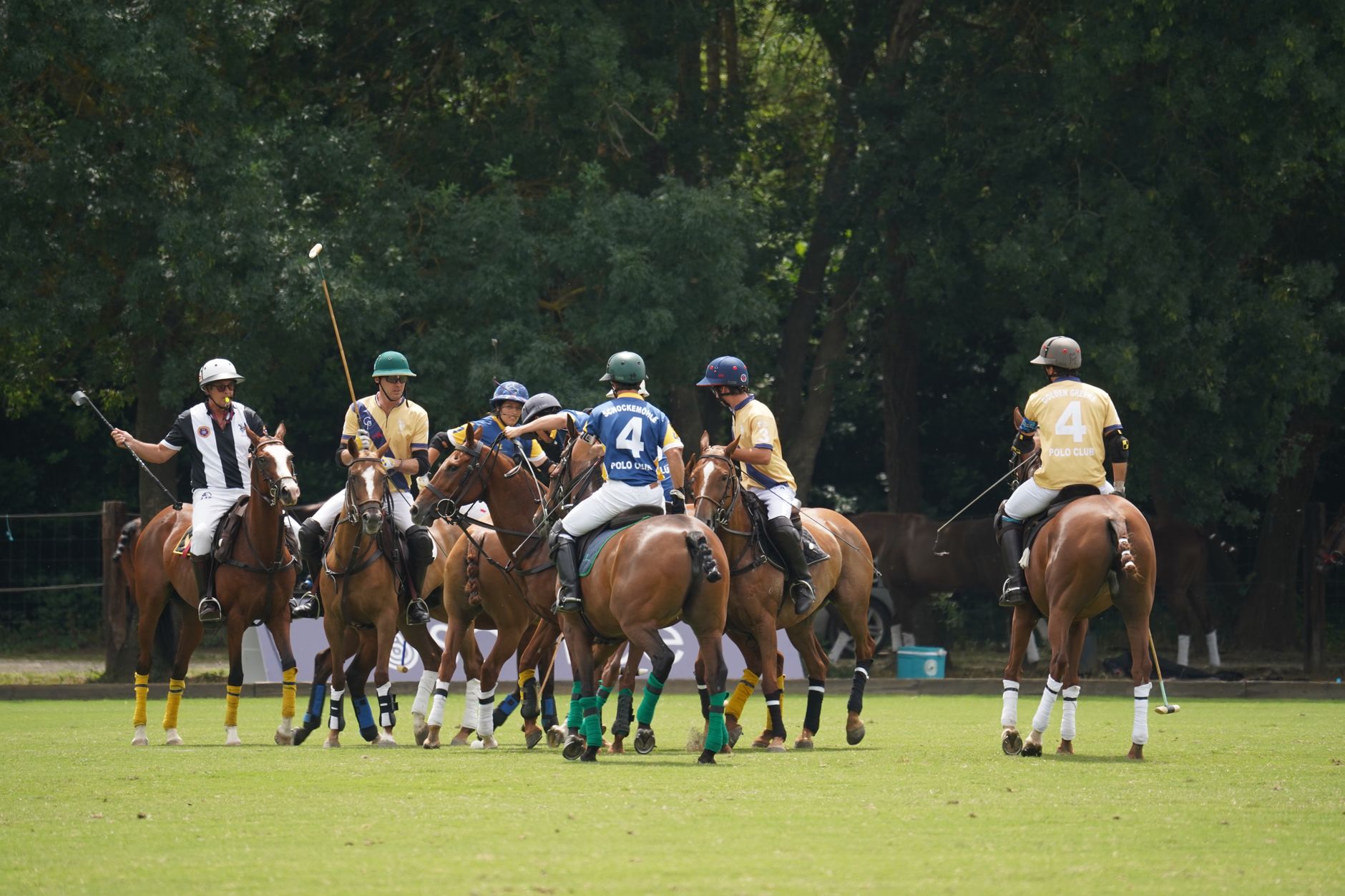
Early adopters tend to be dressage spectators, equestrian-adjacent creatives, and the accessories-forward crowd that treats headpieces as the primary statement in any look rather than a finishing touch. The polo club context gives the trend an aspirational social register without the barrier of actual sport participation – someone can engage with the aesthetic purely through the accessory, no horse required.
The more interesting question is whether the fly veil browband detail migrates from the fringe of accessory culture into mainstream production – and what it loses if it does. The current version of the trend works partly because it is unfamiliar to most people, which gives it a specificity that mass production tends to sand away. Right now, the piece reads as knowing. Once it appears on every fast-fashion headband rack at the same width, the same chain fringe, the same four colorways, the thing that made it interesting – its precision and its deliberate restraint – will be the first thing to go.
Frequently Asked Questions
What is a polo fly veil browband?
It is a fitted band worn on a horse’s forehead during polo, featuring a short row of fringe that keeps insects away from the horse’s eyes. The structured browband-plus-fringe construction has been adapted into human wearable headpieces.
How does fly veil fringe differ from standard fringe headbands?
The fringe anchors to the lower edge of a firm, fitted band rather than draping loosely, creating movement below a clean horizontal line – a detail that suits minimalist styling by keeping decoration controlled.