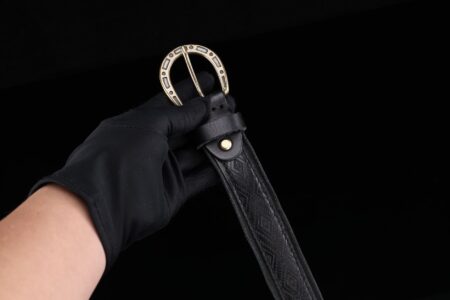


When Equestrian Hardware Crosses Into Western Boot Design
The rowel – the spinning, spoke-radiating wheel at the tip of a spur – has spent centuries attached to the heel of a riding boot. Now, that same geometric logic is migrating forward, landing as decorative and structural hardware directly on the toe box of high-fashion and heritage-influenced boots.
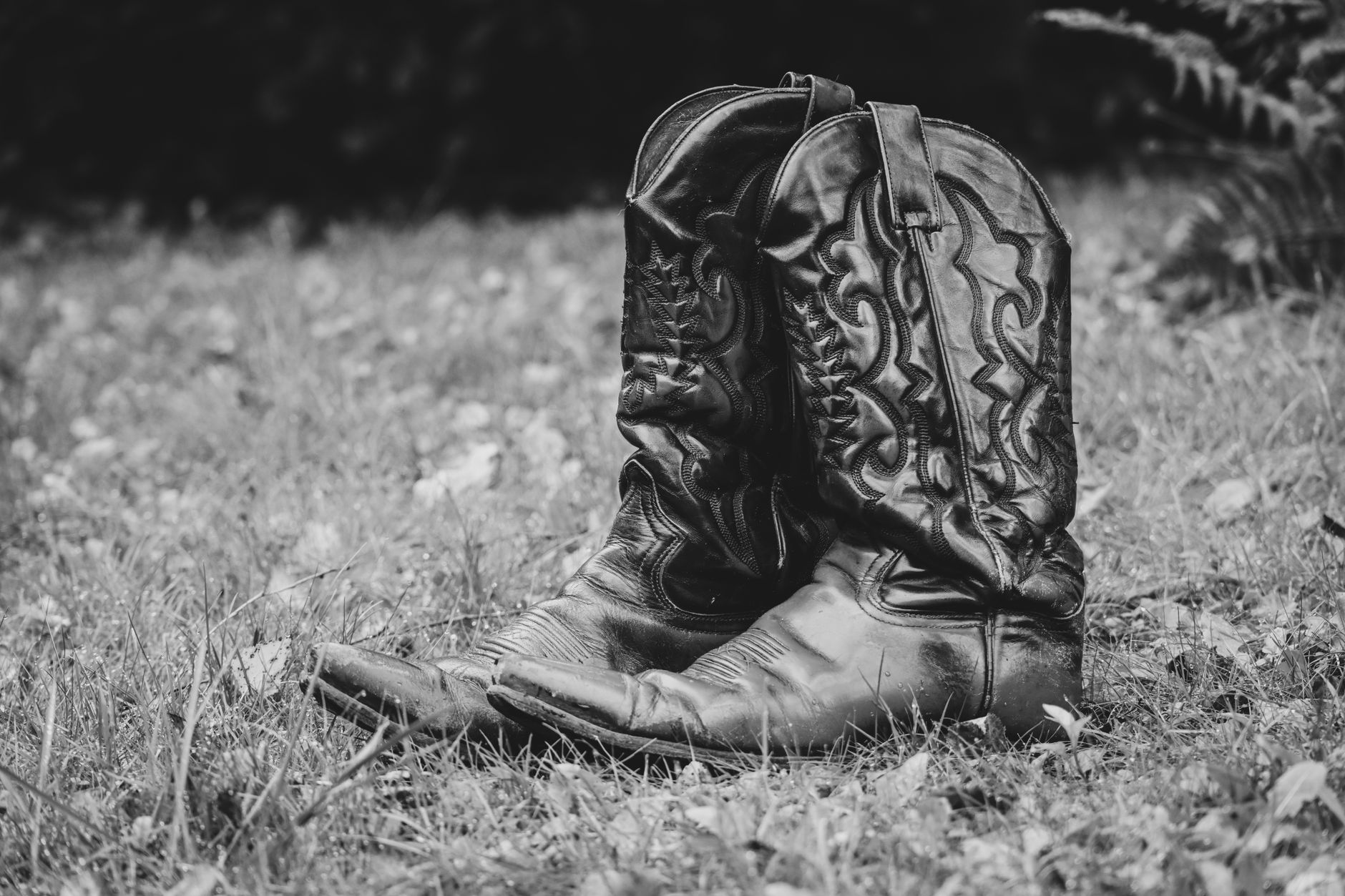
The Geometry That Makes Rowel Hardware Work on a Toe Box
A polo club spur rowel is not simply a decorative circle. It is a precision object: multiple thin spokes radiating from a central hub, each one catching light at a slightly different angle as the wheel rotates or sits fixed. That radial geometry, when lifted off the heel and applied flat against a boot’s toe cap, creates something architecturally different from a simple buckle or rivet. It distributes visual weight evenly from a center point outward, which makes a narrow toe look deliberately structured rather than just pointed.
Boot toe hardware has historically been minimal – a metal tip protector, a few rivets, occasionally a stamped medallion on a Western toe cap. Rowel-spoke detailing pushes that vocabulary into new territory because the spoke arrangement has inherent directionality. The spokes draw the eye inward to the hub, then radiate outward, which optically widens the toe without adding physical material. That visual trick is exactly why structured boot designers are drawn to the motif right now: it solves an aesthetic problem without changing the last.
The polo club connection matters beyond pure aesthetics. Polo as a sport carries a specific class and heritage code – one that sits between rugged outdoor activity and formal sporting dress. That dual identity maps cleanly onto the current Western-meets-tailored boot trend, where buyers want footwear that reads as both hardworking and refined. Borrowing spur hardware from the polo context rather than the rodeo context shifts the reference slightly upmarket, which is a meaningful distinction when a boot is priced at the upper end of the market.
Structurally, applying rowel-derived hardware to a toe requires engineering decisions that simpler hardware avoids. A flat spoke medallion needs to sit flush enough not to catch on fabric or flooring, while maintaining enough dimensional relief to read as three-dimensional from a standing distance. Some brands are solving this by pressing the spoke pattern directly into the leather as a relief stamp with a metal center pin, while others are attaching full cast-metal rowel discs using a recessed mounting system. Both approaches produce distinctly different finishes – one graphic and integrated, the other sculptural and proud of the surface.
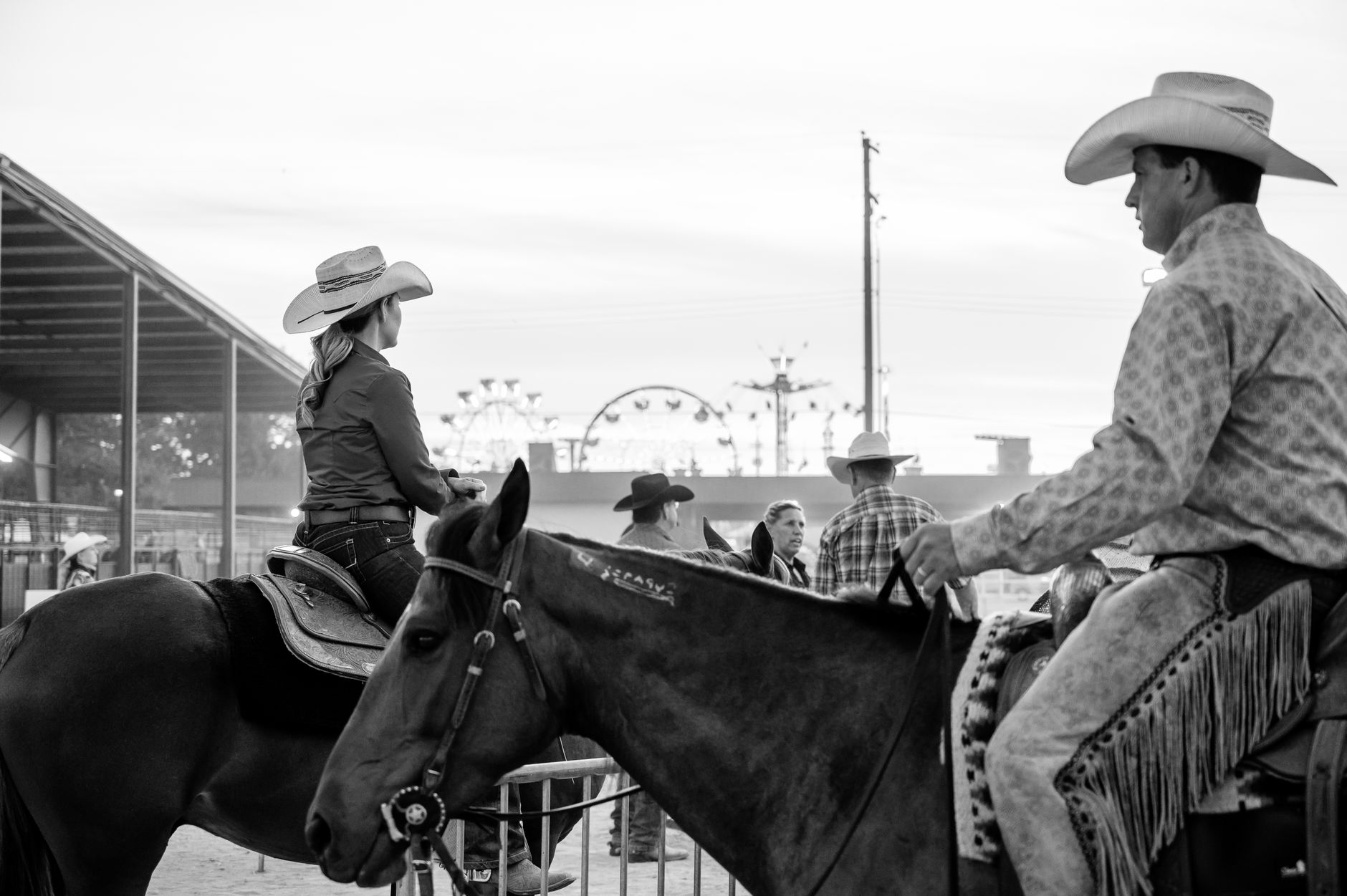
How the Trend Is Moving Through the Market
The clearest early signal of this direction appeared in runway interpretations of Western footwear where spur hardware was repositioned – moved from the heel counter area to the vamp and toe. That repositioning initially read as a styling quirk, but once the silhouette photographs circulated widely, the toe-forward hardware logic became visible as a repeatable design decision rather than a one-off moment.
Small-batch boot makers working in Texas, Spain, and Portugal have been among the first to apply the motif at production scale. The appeal for smaller makers is practical as well as aesthetic: rowel-spoke hardware is already manufactured for the equestrian market in standardized sizes and finishes, which means sourcing existing components and adapting mounting systems is faster than commissioning entirely new hardware. Antique brass and oxidized silver are the finishes moving fastest, both because they age naturally with worn leather and because they reinforce the heritage reading that makes equestrian-derived details feel earned rather than applied.
The boot styles absorbing the detail most naturally are squared and chisel toe silhouettes with a strong, flat cap – shapes where a central hub placement sits geometrically justified rather than randomly placed. Round-toe boots are being used too, but the spoke radiation reads more dynamically on a flat plane than on a curved one. Designers working with pointed toes have largely kept the rowel hardware smaller in diameter, using a tight eight-spoke or six-spoke configuration that doesn’t overwhelm the narrow toe profile.
Structured boot toe hardware has always carried a signal about the wearer’s relationship to craft and tradition, and rowel spokes extend that signal into equestrian territory without requiring the wearer to be a rider. That disconnect – wearing the iconography of a practice without participating in it – is entirely standard in fashion, and the polo spur reference is legible enough to carry meaning while remaining abstract enough not to feel costumed. It works the same way brass eyelet hardware borrowed from institutional dress codes works on contemporary collar design: the source is specific, the application is generalized.
Color is playing a supporting role in how the hardware reads. Boots in dark chocolate, cognac, and near-black leathers let antique metal hardware sit with maximum contrast, making the spoke geometry clearly legible. Lighter leathers – oatmeal, bone, sand – are being paired with brushed or matte silver rowel hardware, which creates a more tonal, less assertive effect. The choice between those two approaches essentially determines whether the boot reads as statement footwear or as a quietly detailed wardrobe staple.
What Comes Next for Structured Toe Hardware
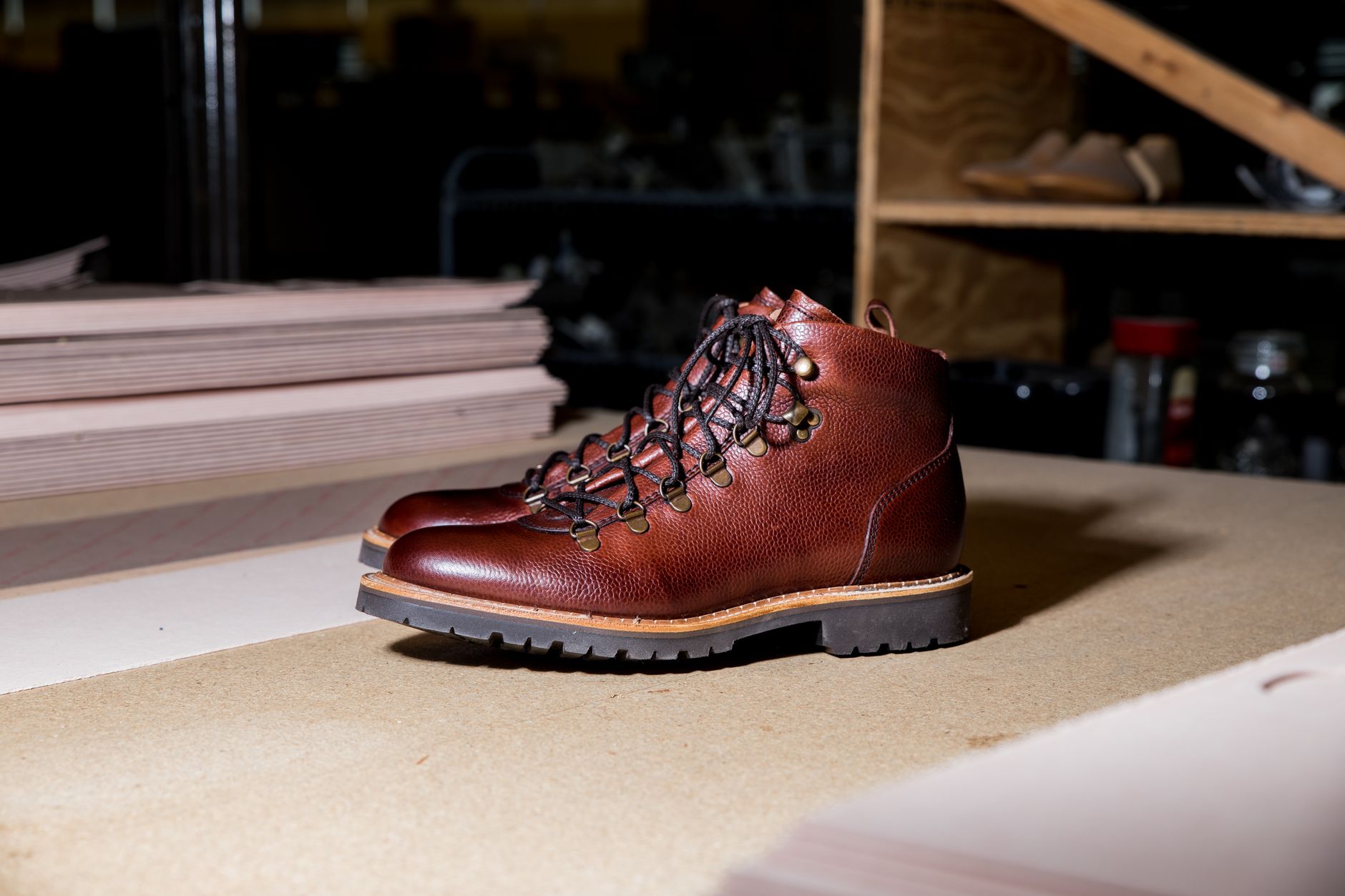
The rowel spoke motif is narrow enough in its reference that saturation is unlikely to happen quickly. This is not a broad trend like chunky soles or contrast stitching – it is a specific hardware vocabulary that requires a deliberate design commitment and a production partner willing to source or fabricate the correct components. That friction keeps the detail from spreading indiscriminately.
The more interesting question is whether the radial geometry migrates beyond the toe cap into other boot hardware positions – heel plates, shaft medallions, pull-loop tips – or whether designers hold it at the toe where the equestrian logic of forward-facing ornamentation makes its clearest argument. A rowel on a spur faces backward, toward the horse. Moved to the toe, it faces forward, which changes the whole meaning of the object it came from.
Frequently Asked Questions
What is rowel spoke hardware on boots?
Rowel spoke hardware adapts the radial, multi-spoke wheel from equestrian spurs into flat or dimensional metal medallions applied to the toe cap of structured boots.
What boot styles work best with rowel toe hardware?
Squared and chisel toe silhouettes with flat cap areas carry the detail most naturally, as the central hub placement reads as geometrically intentional on a flat plane.