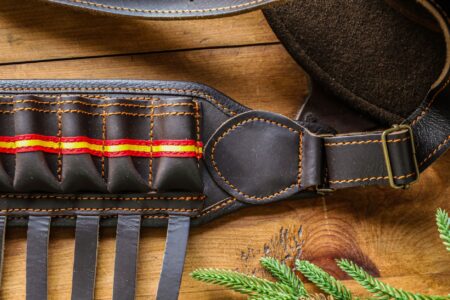


Equestrian gear has long operated as a quiet supplier to fashion’s structural vocabulary, and right now, polo club surcingle girth webbing is the latest piece of tack to cross over. The dense, load-bearing textile bands used to secure saddles and blankets on polo ponies are showing up on structured tote straps – not as costume or decoration, but as a genuine engineering choice that changes how a bag carries and holds its shape.
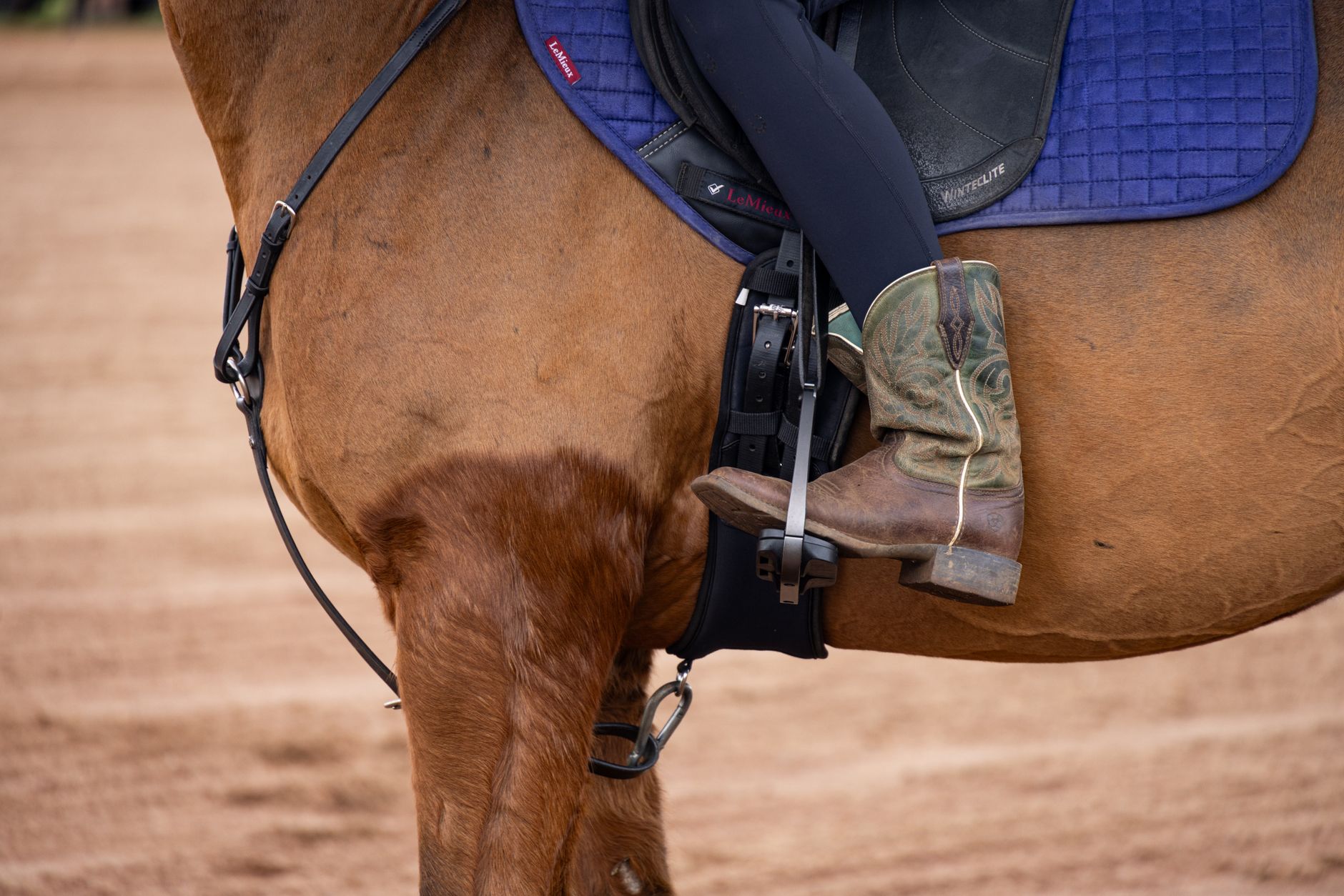
Why Girth Webbing Works Beyond the Stable
Surcingle girth webbing is built for one unforgiving condition: it has to hold a saddle in place on a moving horse without stretching, fraying, or losing tension. The weave pattern – typically a dense herringbone or plain interlocked grid – distributes pressure evenly across a wide surface rather than concentrating it at a single load point. That same property is exactly what makes it ideal for tote straps, where a narrow, soft strap digs into a shoulder under weight while a wider, structured band spreads the load and keeps the bag’s silhouette from collapsing.
The material composition matters too. Polo girth webbing is almost always a cotton-polyester blend or a synthetic flat weave treated for moisture resistance and surface durability. It does not pill, does not soften excessively with use, and maintains a firm edge that keeps stitched seams crisp. For structured totes, particularly those designed in a boxy or barrel silhouette, this means the strap becomes part of the architecture rather than an afterthought attached to a frame. The webbing holds its own geometry, contributing to the bag’s overall rigidity without the need for internal boning or additional stiffening materials.
Visually, girth webbing reads as sporty but refined – a combination that has been difficult to achieve with conventional canvas or leather straps. The tight grid pattern catches light differently depending on weave direction, creating a subtle texture that reads as intentional design detail rather than functional necessity. A growing number of independent bag designers are treating this texture as a surface element in its own right, leaving the webbing exposed and unlined so the weave pattern sits flush against the tote’s exterior panels.
Colorwork is another advantage the equestrian source material brings along. Polo surcingle bands traditionally come in bold club colors – multicolor stripes, contrasting welt edges, and team-coded patterns – which translate directly into fashion without any additional treatment. Designers can source webbing in stripe configurations that would take considerable custom production work to achieve in leather or woven canvas, then apply them straight to a structured tote with minimal modification. The stripe pattern, when used vertically along a tall tote strap, has a lengthening optical effect that breaks from the horizontal banding more common in casual canvas bags.

The Construction Logic Behind the Crossover
What separates this from simple trend borrowing is the way girth webbing integrates with structured tote construction at a technical level. Most conventional tote straps are cut from the same material as the bag body or sourced as a secondary fabric that gets sandwiched and topstitched. Girth webbing, by contrast, arrives with its own finished edges and a dimensional thickness that sits above the surface of the bag panel rather than lying flat against it. That raised profile creates a visual seam line along the strap attachment point, which reads as a design detail in finished bags rather than a construction joint that needs to be hidden.
The attachment method has also evolved alongside the material choice. Traditional webbing-on-canvas attachment relies on box-X stitching – a rectangular stitch with an X through the center that distributes stress across a wider area than a simple straight seam. Designers working with girth webbing on leather or structured nylon totes are applying the same box-X technique, but scaling it up proportionally to match the wider webbing band. The result is a visible, repetitive stitch pattern at the strap attachment point that looks deliberate and well-finished. Some makers are going further, using contrast thread colors that echo the webbing’s stripe palette.
Hardware choices are shifting alongside the webbing. Equestrian girth hardware – particularly the stainless steel roller buckles and D-rings used in actual saddle fitting – has a heavier gauge and a more utilitarian finish than the decorative brass or nickel hardware typical of fashion bags. Designers pairing girth webbing straps with equestrian-grade roller buckles get a functional adjustability that most fashion totes lack entirely. A single buckle on each strap allows the drop length to be changed without tools, which changes how the bag positions against the body for different carrying contexts.
There is also a structural benefit to how girth webbing behaves at corners and folds. Soft leather and canvas straps tend to crease or kink where they pass through a D-ring or over a shoulder, eventually developing permanent set lines that distort the strap’s flat profile. Girth webbing, because of its dense interlocked weave, resists permanent creasing – it bends under load but returns to a flat position when unloaded. Over the lifespan of a well-used tote, this means the strap retains its appearance and its structural contribution to the bag’s silhouette for considerably longer than softer alternatives.
The weight question is one place where the crossover requires actual design consideration. Girth webbing is denser and heavier per inch than most fashion strap materials. On a lightweight linen or canvas tote, a wide girth webbing strap can skew the weight distribution so that the empty bag already feels front-heavy or pulls unevenly. Designers solving this correctly are matching webbing width to bag panel weight – using narrower girth webbing on lighter body materials and reserving the widest equestrian-grade bands for bags built from structured nylon, full-grain leather, or coated canvas where the body weight can balance the strap density.
Where the Market Is Moving
The appeal of girth webbing as a strap material sits at a particular intersection: it signals craft knowledge without requiring explanation, and it performs better than its fashion-forward appearance suggests. Buyers who recognize the equestrian reference get a layered reading; buyers who do not still get a bag that carries well and holds its shape. That dual legibility is rare in accessories design, where materials with strong sport or function associations often read as costume to anyone outside the source activity’s community. Girth webbing clears that hurdle because its visual signature – the dense stripe grid, the stiff edge, the heavy-gauge hardware – looks intentional in a fashion context without requiring the polo club backstory to make sense.

Independent designers working in small production runs are currently the primary adopters, sourcing webbing directly from equestrian supply wholesalers where the material is available in bulk at comparatively low cost with immediate access to a wide stripe palette. The open question is what happens when larger accessories brands begin sourcing the same webbing at scale – whether the material retains its considered, craft-adjacent quality or begins to read as a mass signifier the way logo canvas did when it saturated the market. Girth webbing is not infinitely scalable in its current form; the mills that produce polo-grade webbing are a limited group, and the specific weave density that makes the material structurally useful is not the same product as the decorative nylon webbing that floods general accessories trim markets.