The Garment Nobody Expected to Go Architectural
The tabard is one of fashion’s most enduring orphans – a garment with a medieval pedigree that spent decades hovering at the edges of workwear and costume, never quite finding its place in serious style conversation. That is changing. A growing number of knitwear designers are fusing the tabard’s open-sided, tunic-like construction with a high polo neck, producing something that functions less like a layering piece and more like wearable sculpture. The result sits somewhere between a vest and a statement top, structured enough to hold its own shape and strange enough to stop you mid-scroll.
What makes the polo neck tabard formally interesting is the tension it creates between exposure and coverage.
The neck rises high and close, often in a thick ribbed knit that frames the face with deliberate architectural intention. But then the body opens laterally – no sleeves, no side seams, just fabric falling in a clean vertical plane from shoulder to hip. Worn over a long-sleeve base layer or left almost bare underneath, the garment reads as intentionally unresolved. That unresolved quality is exactly what sculptural knitwear designers have been chasing for the better part of a decade, and the polo neck tabard gives them a new structural problem to solve.
Why Knitwear Is the Right Medium for This Silhouette
Woven fabric would struggle to deliver what this silhouette demands. A rigid textile would make the open sides look unfinished rather than considered. Knit, by contrast, has inherent memory and weight distribution – it can hold a structured collar without external boning, and it can allow the body panel to drape or stand depending on the yarn weight chosen. Designers working in heavy-gauge wool or felted merino are finding that the polo neck tabard behaves almost like a soft-bodied breastplate: protective at the core, open at the flanks.
Yarn choice is doing a lot of narrative work here. Chunky undyed wool carries a rawness that references craft and utility, nodding back to the tabard’s functional origins. Smooth-spun lambswool or alpaca in muted earth tones lifts the same construction into something quieter and more refined. Some designers are working with structured cotton-linen blends to push the garment into warmer-season territory, which extends the commercial life of what might otherwise read as a purely winter piece. The versatility of knit construction is what keeps this from being a one-season curiosity.
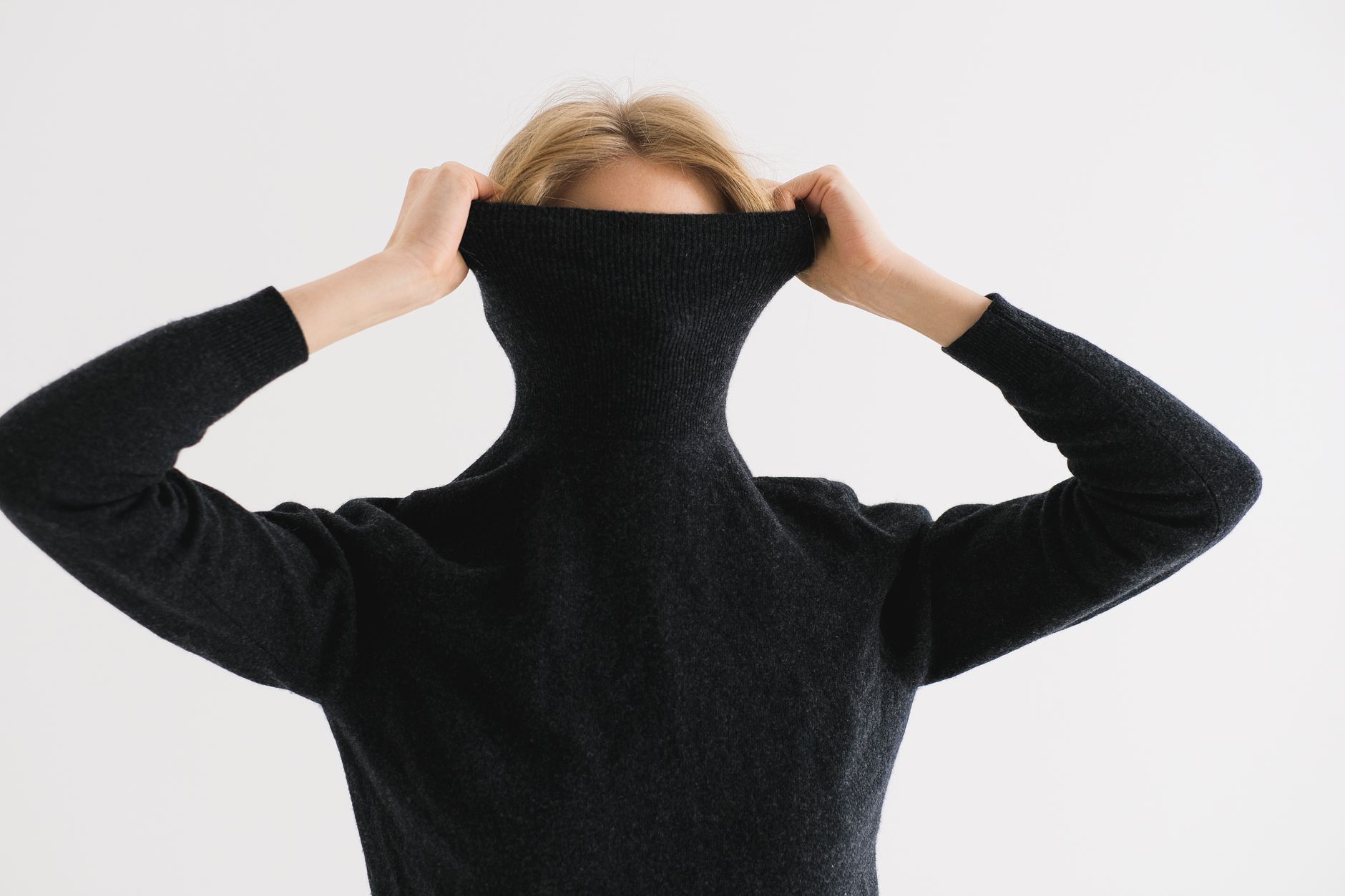
The polo neck itself is carrying its own aesthetic momentum right now. After several seasons of turtleneck styling as a background layer, the high collar is being treated as a focal point – exaggerated in height, sculptural in ribbing, occasionally contrasted in color against the tabard body. When the collar is the most finished element of the garment, the open sides stop reading as incomplete. They start reading as deliberate negative space, which is the grammar of sculptural design.
How It Is Being Worn and Who Is Wearing It
Early adopters are treating the polo neck tabard as a statement middle layer – placed over a fitted long-sleeve top or lightweight turtleneck, with tailored trousers or wide-leg pants below. The open sides mean proportions matter more than usual. A very oversized tabard body worn over slim trousers creates a strong graphic contrast. A closer-cut tabard in a heavy knit over wide-leg trousers reads as more monolithic, less graphic – closer to the kind of architectural dressing associated with Japanese minimalism.
The garment is also being picked up by people who find conventional layering too bulky. Because the sides are open, there is no trapped heat and no fabric stacking at the torso. It gives the visual weight of a layered outfit without the physical weight. For anyone who has wanted the look of a complex layered silhouette without spending the day adjusting a shirt tucked under a vest under a jacket, the polo neck tabard offers a kind of structural shortcut.
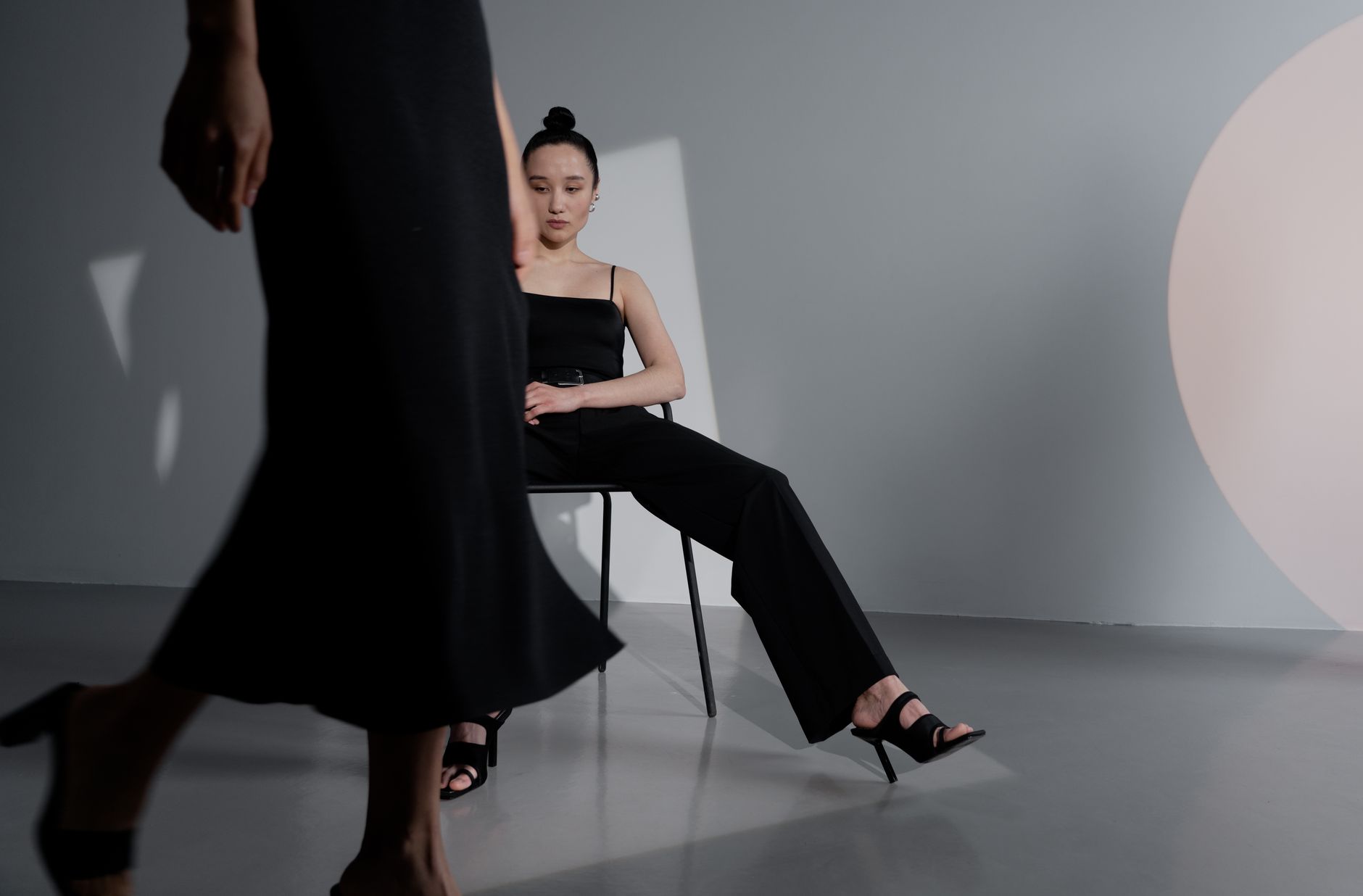
Styling it without a base layer is the more challenging and more interesting approach. Worn directly against skin, the open sides create a deliberately raw, almost armor-like effect. This is where the sculptural knitwear context becomes most obvious – the garment is no longer about warmth or practicality, it is about form. A number of designers showing at smaller fashion weeks and in independent presentations have been pushing this direction, pairing the polo neck tabard with wide-leg trousers and no visible underlayer, letting the knit structure carry the entire visual argument.
The Garment That Refuses to Be Finished
What polo neck tabards are exposing, more than anything, is an appetite for garments that feel genuinely unresolved – not half-finished, but structurally open in the way a question is open. The fashion conversation around knitwear has spent years circling the idea that a garment can be architectural without being stiff, expressive without being costume. The polo neck tabard does not answer that question so much as sit squarely inside it, and right now, that is exactly where the most interesting dressing is happening.