

The Lawn Game That Quietly Rewrote the Summer Dress Code
Croquet whites have a specific visual grammar – pressed linen trousers, crisp polo shirts, wide-brimmed hats, and a general air of unhurried privilege. For most of the twentieth century, that aesthetic stayed exactly where it belonged: on manicured lawns at country house weekends. What’s shifted this summer is that the codes of croquet dressing are showing up in a very different context, absorbed into minimalist tailoring collections that have nothing to do with mallets or hoops and everything to do with how clean, restrained dressing reads right now.
The crossover isn’t accidental. A growing number of designers working in the slim-margin space between sport-adjacent and quiet luxury are reaching toward the visual vocabulary of lawn sports – specifically the all-white or tonal-white palette, the structured-but-relaxed silhouette, and the sense that clothing should look effortless without being casual. Croquet whites deliver all three at once, which is why the aesthetic is migrating so effectively into summer suiting and tailored separates.
Why White Works Differently in a Tailored Context
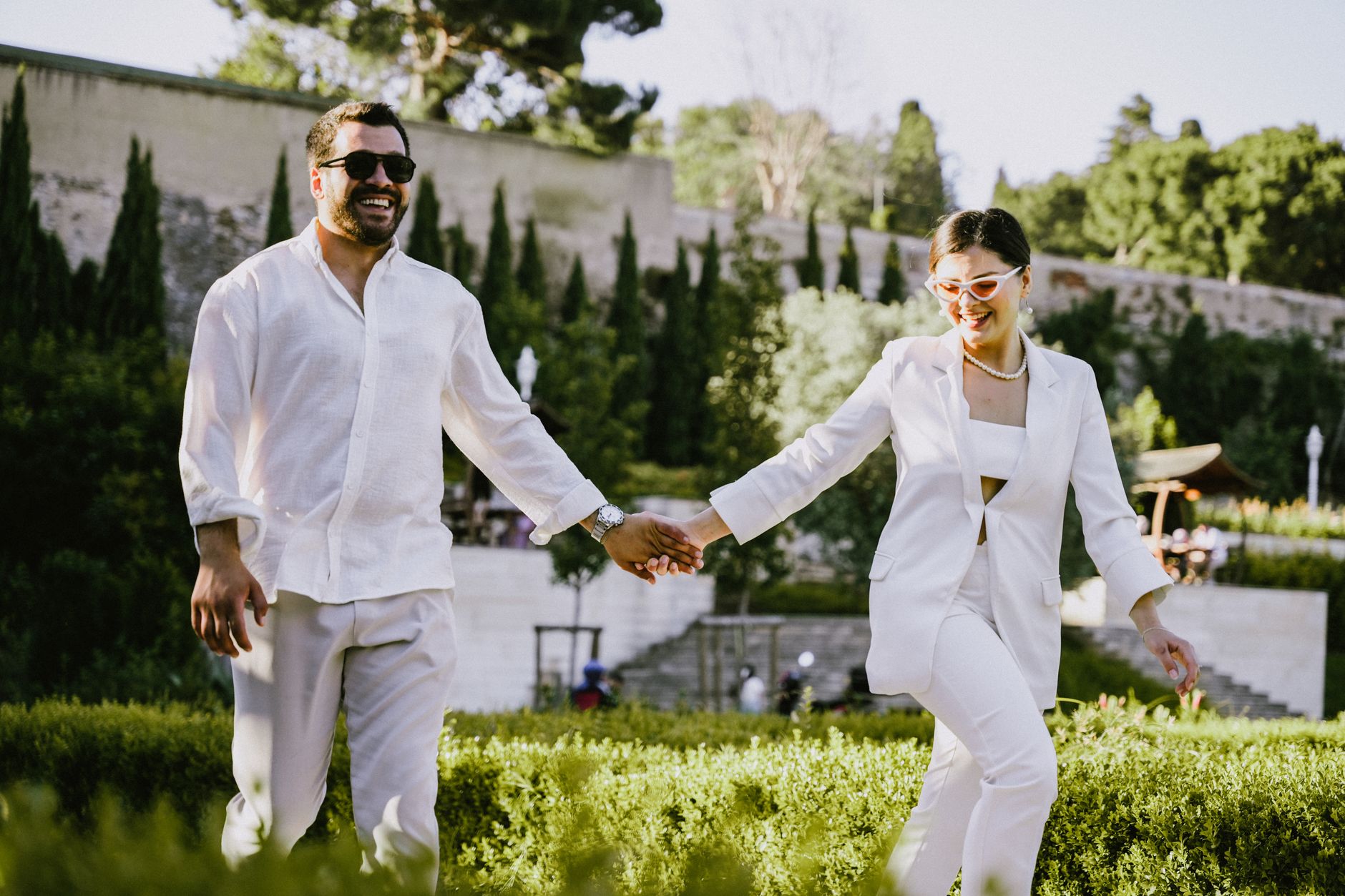
White as a fashion choice has always carried layered meanings. In the croquet context, it signals leisure, cleanliness, and social ease. Translated into tailoring, those same signals get restructured. A white blazer with a clean lapel and a relaxed shoulder doesn’t read as sportswear – it reads as intentional restraint, which is exactly the register that minimalist dressing aims for. The absence of pattern or color forces the cut to carry all the weight, which is a demanding ask and one that well-constructed pieces meet more visibly in white than in any other shade.
The reason white tailoring is particularly well-suited to the croquet influence is proportion. Traditional croquet dress codes favor slightly fuller trousers, easy-fitting shirts, and outerwear that doesn’t constrict movement. Those proportions translate naturally into the kind of relaxed, wide-leg tailoring that has dominated minimalist collections for the past several seasons. The silhouettes are compatible in a way that, say, tennis whites aren’t – tennis dressing is cut for speed and agility, whereas croquet dressing was always about looking composed while standing still, which is precisely what tailoring does.
How the Codes Are Being Translated
The most direct translation is happening in suiting. White or off-white suit sets – usually in linen, cotton twill, or lightweight wool blends – are being styled with the same tonal discipline that croquet whites require. Nothing disrupts the palette. Shirts sit at ivory or chalk. Accessories pull toward natural materials: woven leather belts, straw bags, suede loafers in cream or tan. The overall effect is monochromatic without being stark, which is a balance that traditional suiting in other colors rarely achieves.
Separates are following the same logic. Croquet-inflected tailoring doesn’t demand a matched suit – it demands tonal coherence. An ecru linen blazer over wide-leg white trousers and a cotton knit top hits the same visual register without requiring the formality of a coordinated set. That flexibility is one reason the aesthetic is traveling so well beyond its original sporting context. It’s modular in a way that works for the way people actually dress for summer.
Fabric choice is doing a lot of structural work here. The croquet whites reference lands most convincingly in natural fibers that hold a crease but breathe. Performance fabrics and synthetic blends push the aesthetic back toward sportswear, undercutting the quiet formality that makes the reference work. Linen and cotton poplin are carrying most of the weight this season, with lightweight wool gauze and silk-linen blends showing up in higher-end iterations. The slight texture of these fabrics adds depth to an all-white palette that would otherwise flatten.
Detailing is deliberately minimal across the board. The croquet-to-tailoring pipeline depends on restraint – any excess decoration breaks the spell immediately. That means clean stitching, unfussy pockets, and hardware kept to a functional minimum. Some pieces are eliminating exterior hardware entirely, closing with concealed buttons or simple hook fastenings that keep the surface uninterrupted. It’s an approach that owes as much to the discipline of high tailoring as to any sporting aesthetic, but the croquet reference provides the cultural shorthand that makes the look legible.
The Accessories Layer
No translation from sport to street works without the accessories reading correctly, and croquet whites are no exception. The hat question is particularly interesting: the wide-brimmed straw hat that defined lawn sport dressing for a century has quietly become one of the more versatile pieces in summer wardrobes, and it sits with tailored white linen in a way that feels considered rather than costumey. The key is scale – an oversized brim tips into theatrical territory, while a mid-brim reads as practical and composed.
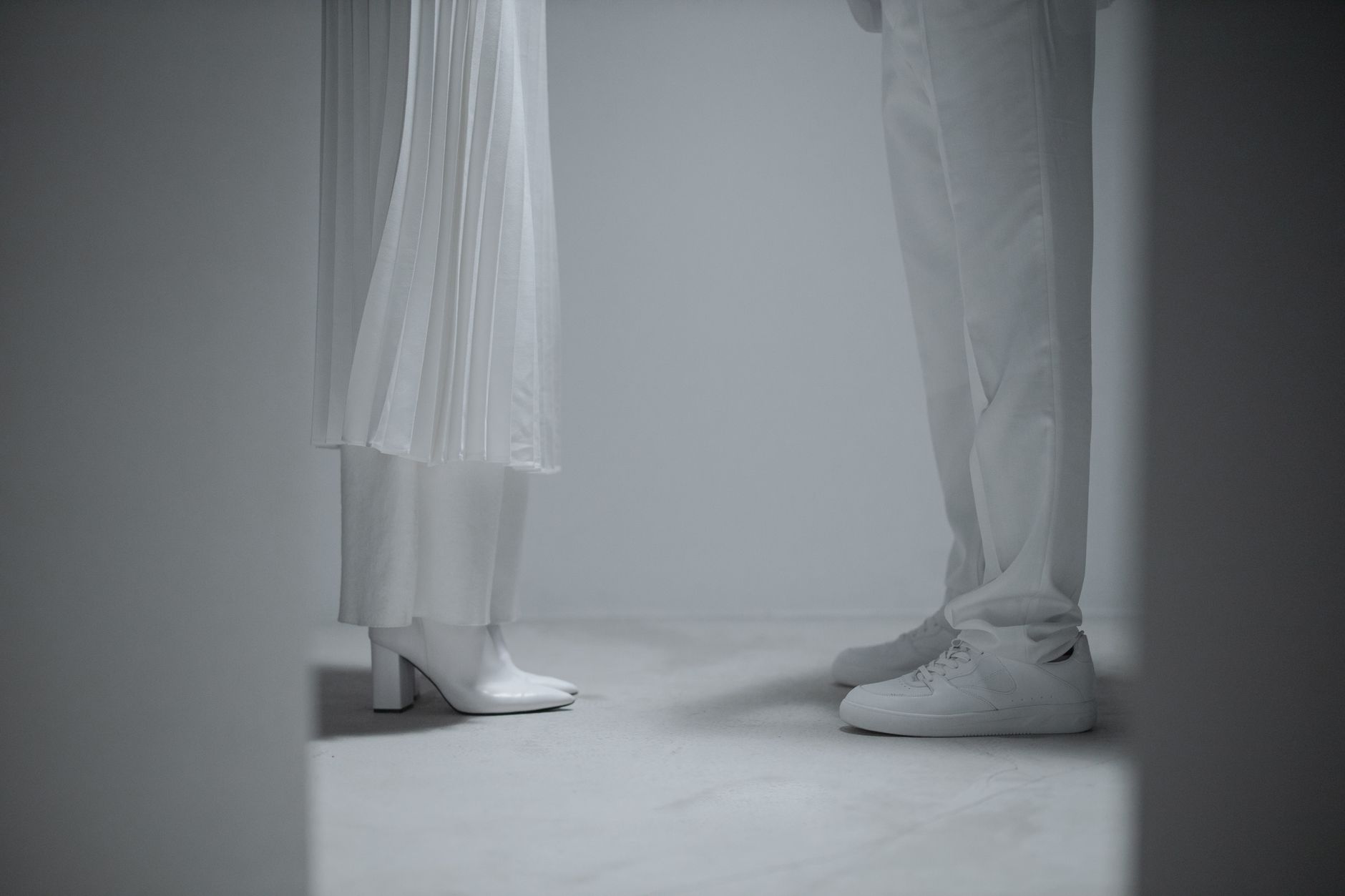
Footwear is where the aesthetic gets its most useful update. Croquet traditionally meant white canvas shoes or spectator brogues, and both of those references are translating into current wearable forms. Low-profile leather sneakers in white or cream maintain the tonal integrity without signaling sport. Strappy sandals in natural leather provide the barefoot formality that works with tailored trousers when the occasion is warm-weather but still structured. The original canvas shoe itself – the kind associated with lawn sports throughout the mid-twentieth century – is circling back in cleaned-up versions that sit comfortably with wide-leg tailoring.
The Practical Question Nobody Asks
White tailoring has one obvious obstacle: it shows everything. This is worth addressing directly, because it’s the reason many people steer away from the aesthetic regardless of how appealing it looks on a rack or on a runway. The solution that’s emerging isn’t some special fabric treatment – it’s cut. Pieces that don’t pull across the body, sit close to the underarm, or bunch at the waist avoid most of the situations where white becomes problematic. Generous proportions aren’t just a style choice in this context; they’re practical engineering.
Layering strategy matters too. The croquet tradition of wearing a knit or cardigan over a shirt – which makes obvious sense for early-morning lawn sport – translates into a layering approach that keeps the most vulnerable pieces slightly insulated from contact with food, bags, and the general hazards of a day outside. An overshirt or a lightweight blazer worn open becomes the outer layer that absorbs the risk.

What makes this particular aesthetic migration interesting is how little it relies on nostalgia as its primary appeal. The croquet reference is there for people who recognize it, but the tailoring works without that context entirely. A white linen suit with relaxed proportions and natural accessories reads clearly as considered summer dressing whether or not the viewer has any association with lawn sports at all. The aesthetic has essentially been extracted from its original setting and made freestanding – which raises the question of how many other sporting dress codes are sitting on a similar threshold, waiting for the right silhouette to make them portable.