


When Rowing Gear Shapes Bag Architecture
The saxboard – the long, reinforced strip running along the outer hull of a rowing shell – exists for one reason: to absorb lateral impact without compromising the hull’s structural integrity. It takes repeated docking hits, oar clashes, and boathouse scrapes, holding its shape under conditions that would buckle a softer surface. Bag designers have noticed. A growing number of accessories labels are pulling directly from this kind of functional hardware, and the saxboard’s ribbed, linear profile is beginning to show up at the base and lower perimeter of structured totes where traditional rigid inserts once lived.
This is not a case of sportswear crossover in the usual sense – no logo lifts, no colorway mimicry.
What’s happening is more architectural. The saxboard’s construction logic – a dense, impact-resistant strip that reinforces without adding significant bulk – translates directly into tote design as a replacement for the molded plastic or cardboard base panels that have long defined the category. Where those inserts stiffen a bag from the inside, saxboard-derived rubbing strips work along the exterior edge, distributing pressure outward and giving the tote a defined perimeter that holds under load. The result is a bag that reads as structured without requiring an internal skeleton.

The Problem With Traditional Tote Bases
Rigid base inserts have been the standard solution for structured totes for decades because they work – up to a point. Drop a fully loaded bag and the insert absorbs the shock. Set it on a wet surface and the base keeps contents elevated. But the tradeoffs accumulate. Internal panels add dead weight, complicate cleaning, and create a fixed geometry that fights the natural give of leather or canvas. Worse, they age badly: cardboard warps, plastic cracks, and the whole internal architecture of a carefully constructed bag quietly fails over years of use.
Rubbing strips derived from rowing hull design sidestep most of those problems by moving the structural work to the exterior. A strip bonded along the bottom edge and up the lower corners of a tote creates a rigid perimeter frame rather than a rigid floor. The bag’s base can still flex slightly – which is actually better for load distribution – while the outer strip prevents the side walls from collapsing inward when the tote is set down. It handles impact from the outside rather than bracing against it from within, which is exactly what a saxboard does when a shell scrapes a dock at speed.
The material options expand considerably once you leave the interior-insert paradigm behind. Rubbing strips in rowing are typically made from a high-density polyethylene or a reinforced rubber compound – materials that are light, weather-resistant, and bonded rather than stitched. Translated to bags, this means designers can work with strips that don’t require the same labor-intensive internal construction as traditional bases, and can surface them in ways that become a visible design element rather than something hidden beneath the lining.

How This Shows Up in Design Right Now
The aesthetic shift is subtle but consistent across several collections appearing this season. Totes are arriving with a pronounced lower trim – sometimes in a contrasting material, sometimes tonal – that sits proud of the bag’s main body rather than flush with it. That slight protrusion is the functional tell. It reads visually as a design detail, a frame or border treatment, but its real job is load-bearing. Some designers are leaning into the industrial reference by using matte rubber or coated canvas for the strip against a softer main body in pebbled leather or waxed cotton, making the layering explicit.
Color-blocking between the strip and the body is one direction. Another is material contrast – a rigid nylon or rubberized strip against unstructured linen, where the strip’s stiffness does all the structural work the fabric cannot. A third approach keeps everything tonal and lets the slightly raised edge profile speak for itself, targeting buyers who want the functional benefit without the visual complexity. All three strategies are showing up, which suggests this is less a single trend moment and more a genuine structural rethinking of how totes hold their shape.
The conversation around functional hardware finding its way into accessories has been building for a while – flat water kayak hull geometry is doing something similar in shoe sole design – and the pattern in both cases is the same: a piece of sporting equipment engineering solves a longstanding construction problem better than the existing fashion solution does, and designers start borrowing the logic rather than just the look.
Why This Holds Up Beyond the Trend Cycle
Rubbing strip construction has a durability argument that most bag trend moments don’t. An exterior strip can be replaced if it wears through, the same way a damaged saxboard can be repaired on a hull without rebuilding the whole shell. That replaceability is not a feature that structured tote bases have traditionally offered. Internal plastic panels and cardboard inserts are essentially disposable – once they fail, the repair path is complicated enough that most owners simply live with the degraded structure. A bonded exterior strip changes that calculation entirely.
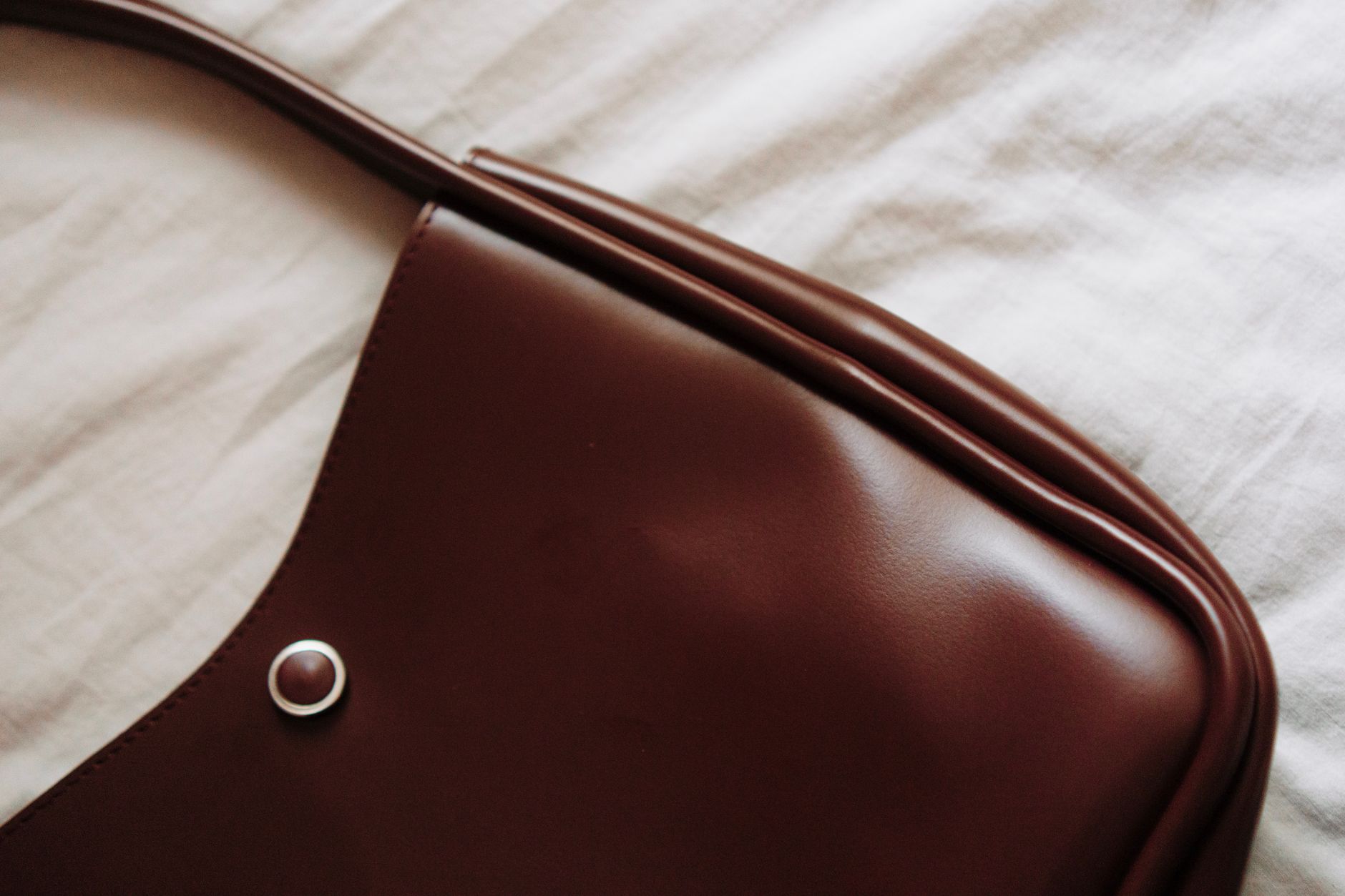
There’s also a weight argument. Removing a full rigid internal base and replacing its structural function with a perimeter strip can reduce a tote’s empty weight noticeably, which matters in a category where leather construction already starts heavy. The bag carries less of itself, which means it carries more of what you actually need it to carry – a straightforward tradeoff that doesn’t require any particular aesthetic preference to appreciate.
The question worth sitting with is whether the visual language of the rubbing strip survives contact with the mainstream. Right now the detail reads as considered and technical, a signal that the designer thought about construction rather than just silhouette. That signal dilutes fast once the profile becomes familiar – and if every tote base gets a rubber perimeter strip, the functional logic remains intact but the design intelligence disappears into the background. How long that window stays open is what the next two seasons will actually decide.
Frequently Asked Questions
What is a saxboard rubbing strip?
A saxboard rubbing strip is a dense, impact-resistant strip bonded along the outer hull of a rowing shell to absorb lateral impact without compromising structural integrity.
How does a saxboard rubbing strip improve tote bag design?
It replaces heavy internal rigid base panels by creating a structural perimeter on the exterior, reducing weight and allowing easier repair while maintaining the bag’s shape under load.