


LeBron James stepped off his private jet wearing what looked like a second skin. The black compression sleeves covering his arms weren’t hidden under a hoodie or jacket – they were the statement piece, paired with designer jeans and luxury sneakers. Within hours, the paparazzi photos were viral, and a new trend was born.
Professional athletes have quietly transformed compression gear from hidden medical necessity into bold fashion statements. What once stayed buried beneath jerseys now commands center stage on red carpets, shopping trips, and social media posts. The shift represents more than just athletic wear evolution – it’s a complete reimagining of how performance technology intersects with everyday style.
The trend spans across sports and celebrity status levels. NBA stars like Russell Westbrook and Ja Morant regularly showcase compression sleeves as focal points of their tunnel walk outfits. NFL players post Instagram photos wearing compression tights with designer streetwear. Tennis professionals like Naomi Osaka have made compression shorts visible elements of their off-court fashion choices.
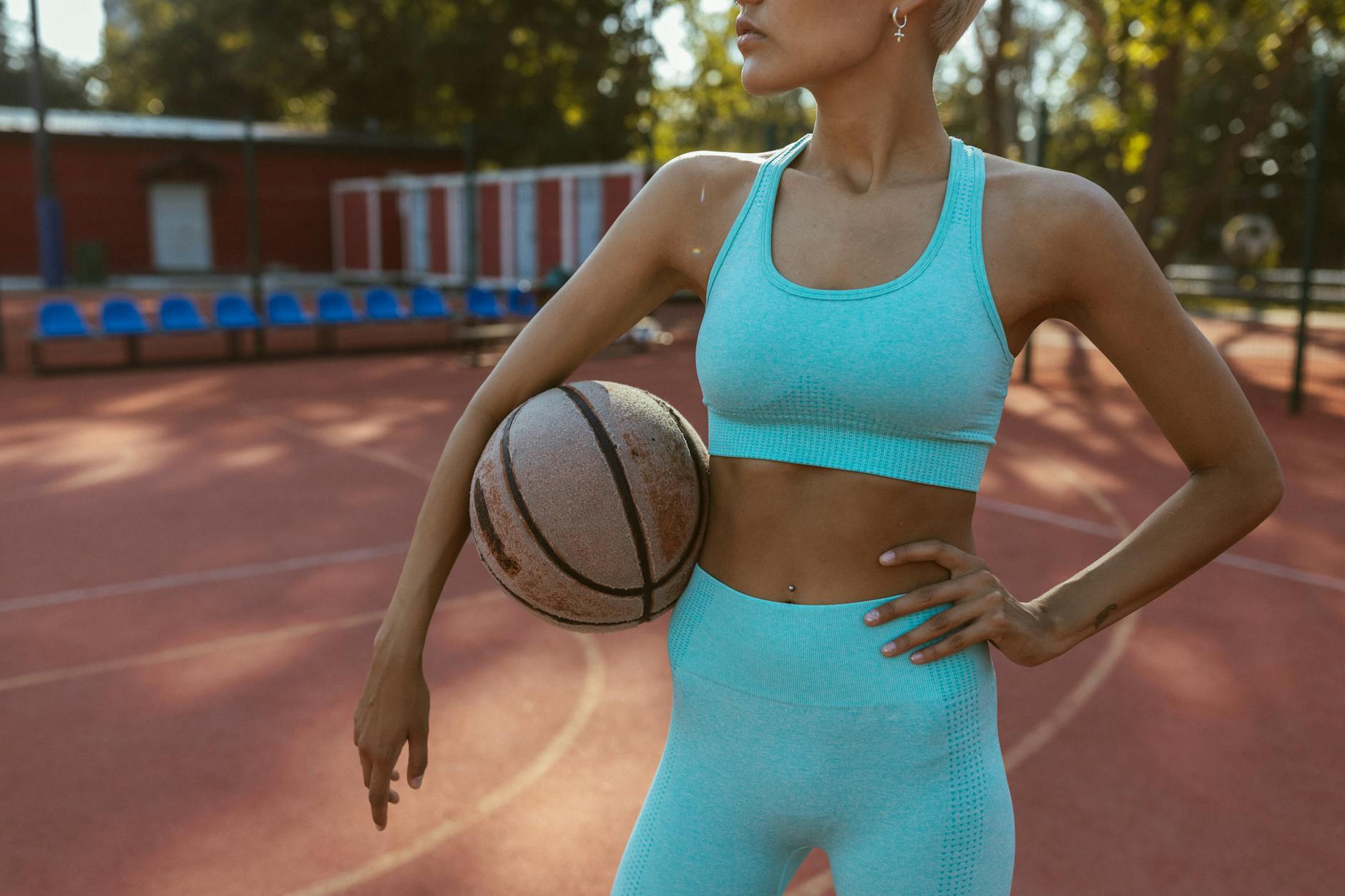
From Medical Need to Fashion Statement
Compression gear originally served purely functional purposes in professional sports. The tight-fitting garments improve blood circulation, reduce muscle fatigue, and provide joint stability during intense physical activity. Athletes wore them out of necessity, not choice, often covering them completely with regular clothing once they left the field or court.
The transformation began when athletes started recognizing the aesthetic appeal of compression technology. The sleek, form-fitting designs created clean lines that complemented modern streetwear silhouettes. High-end compression gear from brands like Nike, Under Armour, and Lululemon began incorporating fashion-forward elements – bold patterns, metallic accents, and premium materials that looked intentionally stylish rather than purely functional.
Social media accelerated the shift dramatically. Athletes realized their massive followings were paying attention to every detail of their personal style, including what they wore to and from games. Airport fashion became as scrutinized as red carpet appearances, creating opportunities to showcase athletic wear as legitimate fashion choices.
The customization aspect proved crucial to the trend’s growth. Professional athletes began commissioning bespoke compression pieces that matched their personal brands. Custom colorways, personalized graphics, and luxury material upgrades transformed basic athletic gear into exclusive fashion statements. These one-of-a-kind pieces generated significant social media engagement and established compression wear as premium streetwear.
The Technology Meets Style Revolution
Modern compression gear incorporates advanced materials and construction techniques that blur the line between athletic equipment and fashion accessories. Brands now use moisture-wicking fabrics with four-way stretch, seamless construction methods, and temperature-regulating technologies that make the pieces comfortable for all-day wear.
The fit revolution changed everything. Current compression gear provides support without the restrictive feeling of earlier versions. Athletes can wear compression sleeves, tights, and shirts throughout their daily routines without discomfort or mobility limitations. This comfort factor enabled the transition from gym-only gear to street-appropriate clothing.
Color and pattern innovation transformed compression wear from basic black and white options to bold fashion statements. Gradient designs, geometric patterns, and collaboration colorways with high-end fashion brands created pieces that demanded attention rather than hiding in the background.
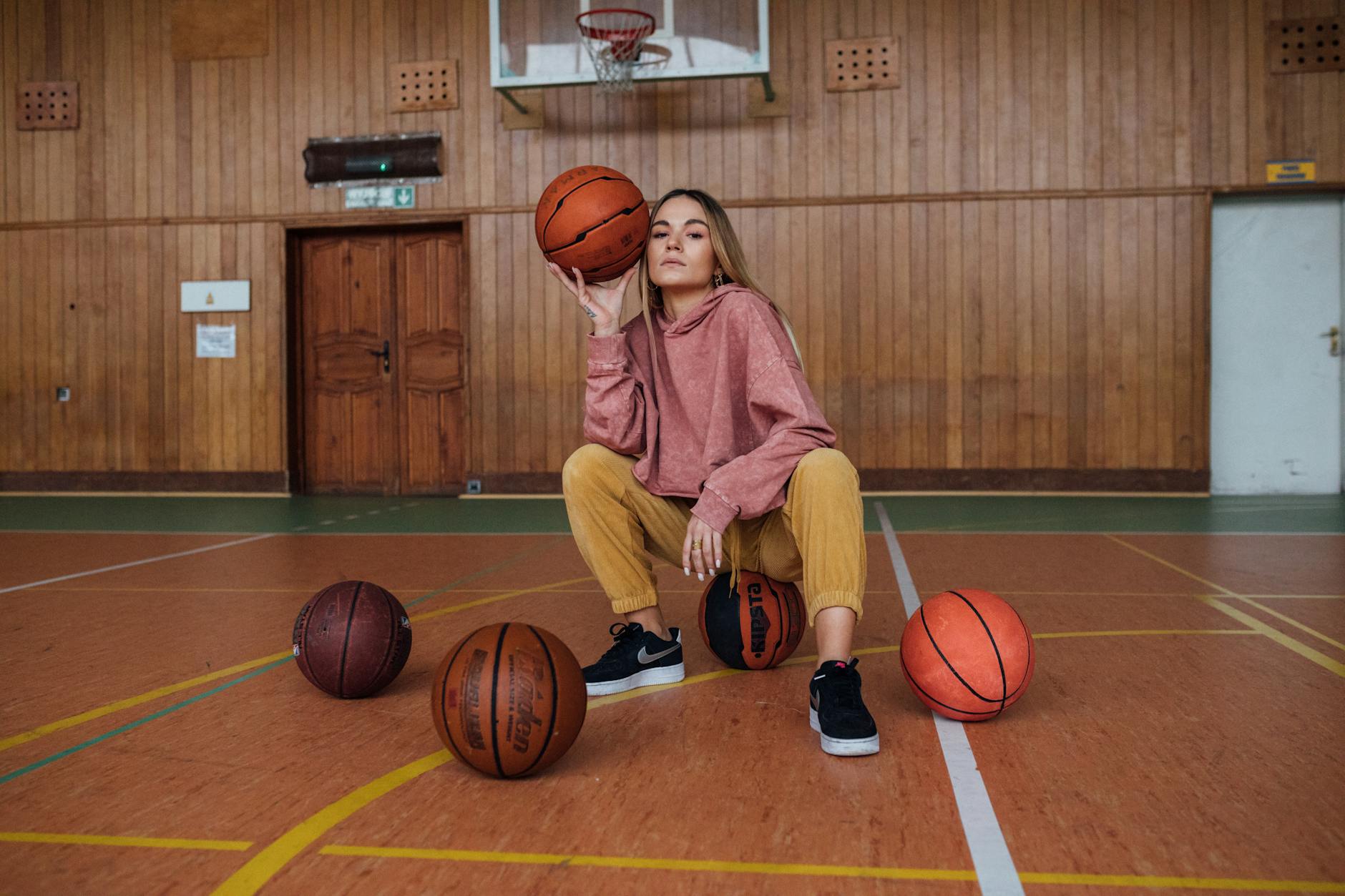
Premium materials elevated compression gear’s status significantly. Brands began incorporating recycled ocean plastic, organic cotton blends, and even luxury fibers like merino wool into compression designs. These sustainable and premium material choices aligned with athletes’ growing environmental consciousness while justifying higher price points that positioned compression gear as luxury items.
Cultural Impact and Mainstream Adoption
The athlete-driven compression fashion trend resonated beyond sports culture into mainstream fashion consciousness. Young consumers, particularly Gen Z, embraced the utilitarian aesthetic of compression gear as part of their broader interest in functional fashion. The trend connects to how Gen Z approaches fashion differently, prioritizing authenticity and functionality alongside style.
Celebrity endorsement expanded the trend’s reach exponentially. When athletes with millions of followers consistently showcase compression gear as fashion choices, it legitimizes the aesthetic for broader audiences. The visibility creates demand among non-athletes who want to emulate their favorite players’ style choices.
The athleisure market embraced compression fashion immediately. Retailers began dedicating significant floor space to compression wear displays, positioning pieces alongside traditional streetwear rather than hiding them in athletic sections. High-end department stores now carry compression gear in their contemporary fashion departments.
Fashion collaborations between athletic brands and luxury designers brought compression gear into high fashion conversations. Limited edition releases and runway appearances established compression technology as legitimate fashion innovation rather than purely athletic equipment.
The Business Behind the Trend
The compression wear market experienced explosive growth as athletes transformed the category from niche athletic equipment to mainstream fashion. Industry reports show significant increases in compression gear sales, particularly in premium price segments where customization and luxury materials command higher margins.
Athlete partnerships became crucial to brand strategies. Companies now offer extensive customization programs specifically for professional athletes, knowing their fashion choices influence consumer purchasing decisions. These partnerships generate valuable marketing content while driving sales of both custom and retail compression pieces.
The trend created new business opportunities for specialized compression wear brands focusing exclusively on fashion-forward designs. These companies target athletes and fitness enthusiasts who want performance benefits without compromising style. The market now supports numerous brands offering compression gear designed specifically for street wear rather than purely athletic use.
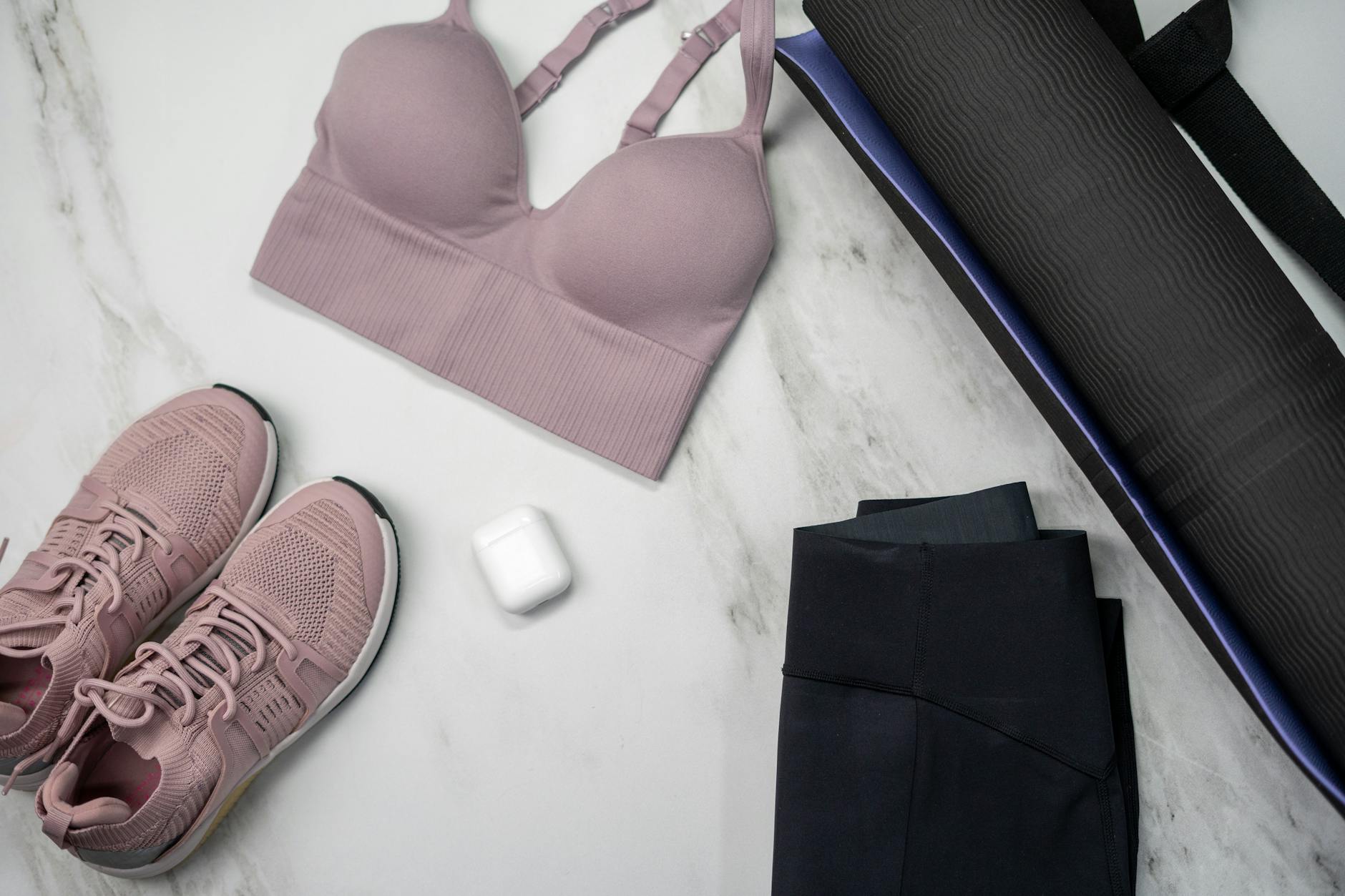
Retail strategies evolved to accommodate the trend. Brands now present compression gear alongside traditional fashion items rather than segregating it in athletic sections. This merchandising approach reinforces compression wear’s legitimacy as everyday fashion rather than specialized athletic equipment.
Future of Athletic Fashion Integration
The compression gear trend signals broader changes in how athletic technology integrates with everyday fashion. Athletes continue pushing boundaries by incorporating other performance technologies into their street style, from cooling fabrics to impact-resistant materials originally designed for sports protection.
Innovation in compression technology promises even more fashion-forward options. Brands are developing compression pieces with integrated smart technology, color-changing capabilities, and adaptive fit systems that respond to environmental conditions. These advances will likely maintain athlete interest while attracting tech-savvy consumers.
The trend’s sustainability aspect will likely drive future development. As athletes increasingly prioritize environmental responsibility, compression gear made from recycled and sustainable materials will become more prominent. This focus aligns with broader fashion industry sustainability trends while maintaining the performance benefits athletes require.
Fashion collaborations between athletic and luxury brands will continue expanding as both industries recognize the commercial potential. These partnerships introduce athletic technology to high fashion audiences while bringing luxury design sensibilities to performance wear. The result benefits both markets by creating innovative products that serve multiple consumer needs.
Professional athletes transformed compression gear from hidden necessity to visible fashion statement, proving that performance technology can seamlessly integrate with contemporary style. The trend reflects broader shifts in fashion culture that prioritize functionality alongside aesthetics, suggesting that athletic innovation will continue influencing mainstream fashion in unexpected ways.
Frequently Asked Questions
Why are athletes wearing compression gear as streetwear?
Athletes discovered compression gear’s sleek aesthetic complements modern streetwear while providing comfort and performance benefits for daily wear.
What makes compression gear suitable for street fashion?
Modern compression gear uses advanced materials, offers comfortable all-day wear, and comes in fashion-forward designs that work as standalone style pieces.