The Lawn Comes Indoors
Polo croquet stripes have always carried a specific visual grammar – wide, evenly spaced, saturated bands of color that read as leisure made permanent. For decades, those stripes belonged to the blazer hung on a garden chair, the deckchair fabric, the awning over a members-only clubhouse. What is shifting now is their migration off the lawn and into the structured vocabulary of spring tailoring, where they are appearing on suiting separates, wide-leg trousers, and collarless jackets with an authority that feels nothing like novelty.
The move makes sense when you consider what spring tailoring has been reaching for over the past several seasons. Softer construction, looser silhouettes, fabrics that suggest ease without sacrificing polish – these are the exact properties that croquet-stripe cloth has always possessed. A wide stripe in a warm ivory and sage combination, cut into a single-button blazer with a relaxed shoulder, does not look like a costume. It looks like a considered decision.
Spring 2025 collections made the case clearly.

How the Stripe Translates to the Fitting Room
The technical distinction worth understanding is the difference between a sporting stripe and a formal stripe. Thin pinstripes read as boardroom. Chalk stripes suggest heritage tailoring. Croquet and polo lawn stripes – typically running between one and three centimeters wide, with high contrast between bands – read as confident, unhurried, and faintly aristocratic without the stuffiness. That is a useful combination for spring dressing, which tends to resist anything that feels too severe.
The color pairings driving this trend are not arbitrary. Ivory against bottle green, warm white against dusty terracotta, cream against French navy – these are combinations pulled directly from the visual history of private lawn sports, where club colors and grass stains and afternoon light all fed into a very specific aesthetic. When those same pairings appear in a well-cut trouser, they carry that reference without requiring any literal connection to the sport itself. The stripe does the storytelling.
What designers are doing with structure is equally deliberate. Croquet-stripe blazers this season are consistently appearing with open construction – unlined, with wide lapels or no lapels at all, often worn over a plain white or ecru knit rather than a dress shirt. The informality of the building method counterbalances the boldness of the stripe. Wear a fully canvassed, heavily structured jacket in a three-centimeter ivory-and-green stripe and it tips into pageantry. Wear the same fabric cut soft and boxy and it reads as spring dressing done with real intention.
Styling the Stripe Without Costuming It
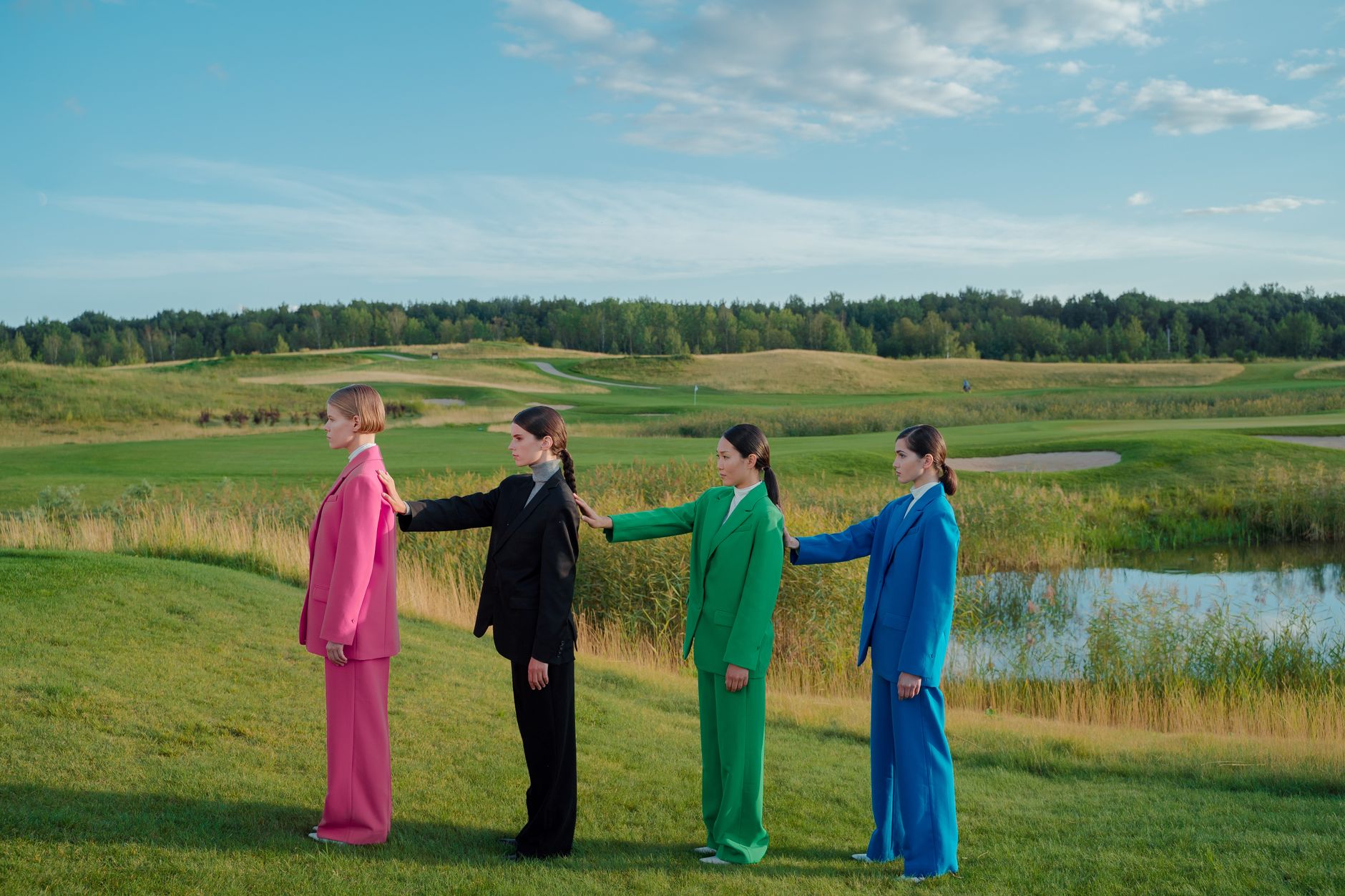
The risk with any strong reference in tailoring is over-commitment. Croquet stripes tip into costume territory fast if you match a striped blazer with matching striped trousers, particularly in high-contrast colorways. The stronger instinct being taken up by early adopters this season is to split the stripe: a striped wide-leg trouser worn with a plain blazer in one of the constituent colors, or a striped jacket paired with solid tailored shorts or a straight midi skirt.
Footwear is doing significant work in keeping these looks grounded. The associations that would push a croquet-stripe outfit toward theme dressing are white bucks, espadrilles, and anything woven. The associations that pull it toward actual spring tailoring are clean leather loafers, pointed mules in a neutral tone, or even a low block-heeled boot. The shoe becomes the arbiter of whether the stripe reads as fashion or as fancy dress.
Accessories follow the same logic. A straw bag or a wide-brimmed hat alongside a croquet-stripe suit confirms every sporting reference the fabric contains – which may be entirely intentional for a weekend or outdoor event, but which narrows the outfit’s range. Structured leather goods, simple gold jewelry, and a slick low bun move the same striped tailoring into a register that works across more contexts. The stripe is bold enough that restraint everywhere else is not a concession; it is the correct edit.
The Tailoring Moment That Made This Possible
This trend is arriving at a specific moment in tailoring’s broader evolution. For the past three seasons, relaxed suiting has been rebuilding the definition of what a tailored piece is allowed to look like. Power shoulders gave way to dropped seams. Single-button closures replaced double-breasted formality. Fabric choices expanded from wool worsted into linen blends, cotton canvas, and textured weaves that would have been considered too casual for structured clothes five years ago. Croquet stripes are a logical arrival in that expanded territory – a print that carries inherent authority and inherent ease in the same weave.
The wider polo aesthetic has been threading itself into multiple categories of spring dressing this season. Polo club whites have found their way into coastal wedding dressing, carrying that same blend of refinement and relaxed occasion-dressing that makes the lawn sports reference so adaptable. The tailoring context is simply the most structured application of the same visual language.
What gives the croquet-stripe tailoring trend staying power beyond a single spring is that it is not a micro-trend built on a single silhouette. The stripe works in a blazer, a trouser, a suit separates context, or a tailored dress – and it works across different colorways, from the high-contrast traditional pairings to more muted tonal takes using dusty green against warm stone. The question for next autumn is whether the stripe migrates into heavier fabrications, whether it holds its identity in flannel or twill, or whether it turns out to belong specifically to the open-air lightness of spring cloth.
Frequently Asked Questions
What makes polo croquet stripes different from regular suit stripes?
Croquet and lawn stripes are wider – typically one to three centimeters – and use high-contrast color pairings rooted in sporting heritage, which gives them a more relaxed, confident tone than pinstripes or chalk stripes.
How do you style a croquet-stripe blazer without it looking like a costume?
Split the stripe by pairing a striped blazer with solid trousers in one of the constituent colors, and choose structured leather footwear rather than espadrilles or woven shoes to keep the look in tailoring territory.