

The Quiet Rebellion Happening in Office Wardrobes
Cargo trousers – the utilitarian staple once banished to weekends and warehouse floors – are now showing up in conference rooms, hot-desking offices, and client-facing roles across industries. The shift is not a fluke of a single season. It signals something more durable: the formal trouser’s grip on professional dress codes is genuinely loosening.
How Cargo Trousers Earned Their Office Credentials
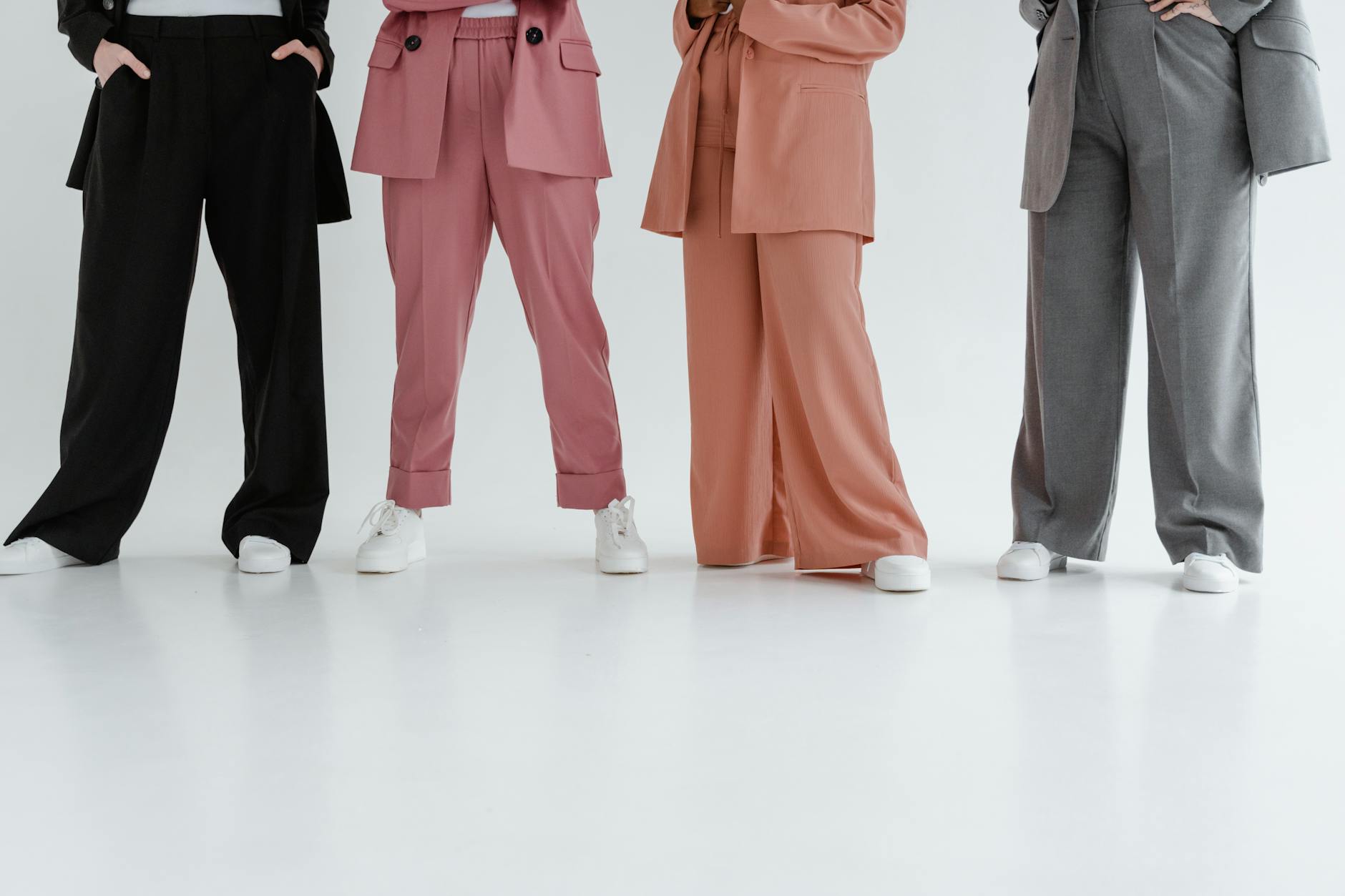
The cargo trouser’s reputation problem was always about excess. Too many pockets, too much fabric, too much association with gap-year backpacks and builder’s yards. That reputation made the garment easy to dismiss as workwear. What changed is not the trouser itself – it’s the silhouette. Contemporary cargo trousers are cut straighter, worn higher at the waist, and finished in fabrics that read closer to suiting than to canvas workwear. Stone, slate, and olive in a matte technical weave look considerably more polished than their predecessors.
Styling is doing a lot of the heavy lifting here. Paired with a fitted blazer, a structured knit, or even a crisp Oxford shirt, cargo trousers absorb the formality of what surrounds them. The pockets – still present, often still functional – become a design detail rather than a liability. This is how a garment crosses the invisible line from casual to acceptable, and eventually to expected.
There is also a generational argument at play. Younger professionals entering the workforce now grew up wearing cargo-adjacent silhouettes as standard – wide legs, utilitarian details, pockets as a functional priority rather than an afterthought. For this group, swapping into a slim tailored trouser to satisfy an older dress code reads as costume, not professionalism. The cargo trouser, to them, is not rebellious. It simply fits how they already move through the world.
The category has also benefited from a broader casualization cycle that accelerated across office dress codes over the past several years. Once chino trousers, jogger-adjacent trousers, and wide-leg styles cleared the path, cargo followed with less resistance. Each relaxation of the dress code made the next one easier to absorb. Cargo trousers are not breaking down the door – they are walking through one that was already open.
What Tailored Trousers Are Losing – and Why It Matters
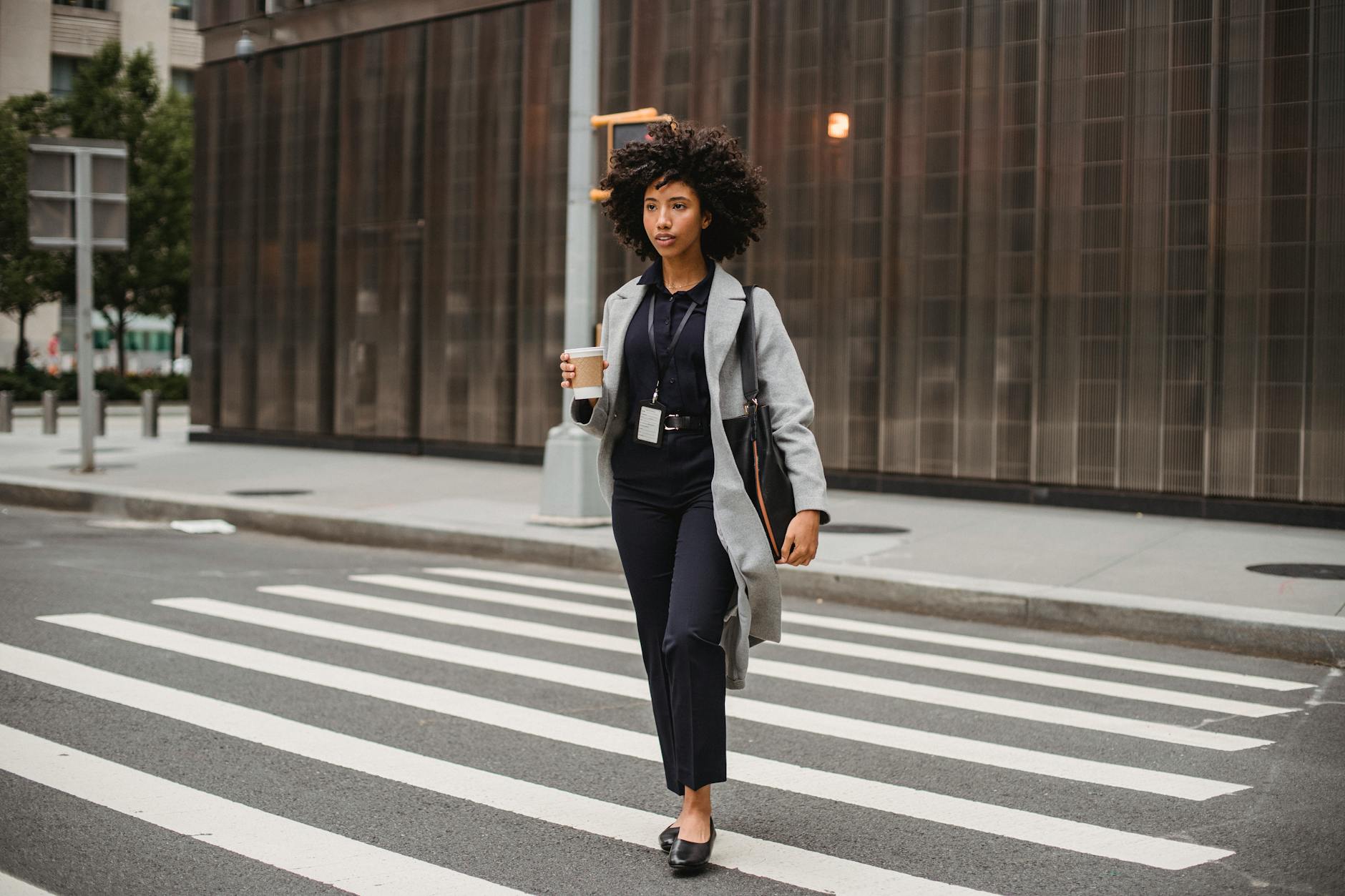
Tailored trousers are not disappearing. They are, however, losing their automatic status as the default. For decades, the tailored trouser operated as a kind of baseline signal – wearing them communicated that you understood the rules of professional dressing without needing to be told. That function has weakened because the rules themselves are no longer universally agreed upon.
The practical argument for cargo trousers in the office is straightforward and hard to dismiss. Remote and hybrid working patterns changed what people carry between spaces – a laptop, a phone, a keycard, earbuds, a portable charger. Blazer pockets were never designed for this inventory, and bags add friction. Cargo trousers solve a genuine logistical problem that tailored trousers simply do not address. When a garment is functionally superior for how someone actually works, the aesthetic argument in favour of the tailored option has to work harder to win.
This is also where cargo trousers are picking up ground in industries that would have resisted them five years ago. Creative sectors adopted them early, but tech offices, media companies, and even some professional services environments are now tolerating – and in some cases quietly endorsing – polished cargo silhouettes in team settings. The line being drawn is between cargo trousers that are styled intentionally and those that are not. A neutral-toned cargo trouser in a structured fabric, belted and worn with clean footwear, is passing muster in environments where it would have previously triggered a conversation with HR.
What tailored trousers offered was a kind of shared language – everyone agreed on what they meant, and that agreement made dressing for work simpler. Cargo trousers, by contrast, require more editorial judgment to wear correctly in a professional setting. The styling has to be deliberate. The fit has to be considered. That extra cognitive load is a real cost, and it explains why the tailored trouser retains its footing in more formal sectors – law, finance, senior client relationships – where ambiguity in dress still carries professional risk.
What makes this moment interesting is that cargo trousers are not being positioned as anti-establishment. They are being worn alongside traditional professional pieces – the blazer, the loafer, the button-front shirt. The garment is not rejecting the office wardrobe; it is inserting itself into it. That strategy is more effective than outright rebellion because it asks less of the observer. You are not being asked to abandon professional standards. You are being asked to update what those standards look like.
The Dress Code Is the Last Thing to Change
Official office dress codes tend to lag considerably behind what people are actually wearing. Policies written to prohibit jeans and trainers rarely anticipated having to rule on whether a slate-grey technical cargo trouser with a single thigh pocket counts as smart-casual. The gap between written policy and lived practice is where trends like this actually take hold – not through formal permission, but through enough people wearing something well enough that objecting to it starts to feel pedantic.
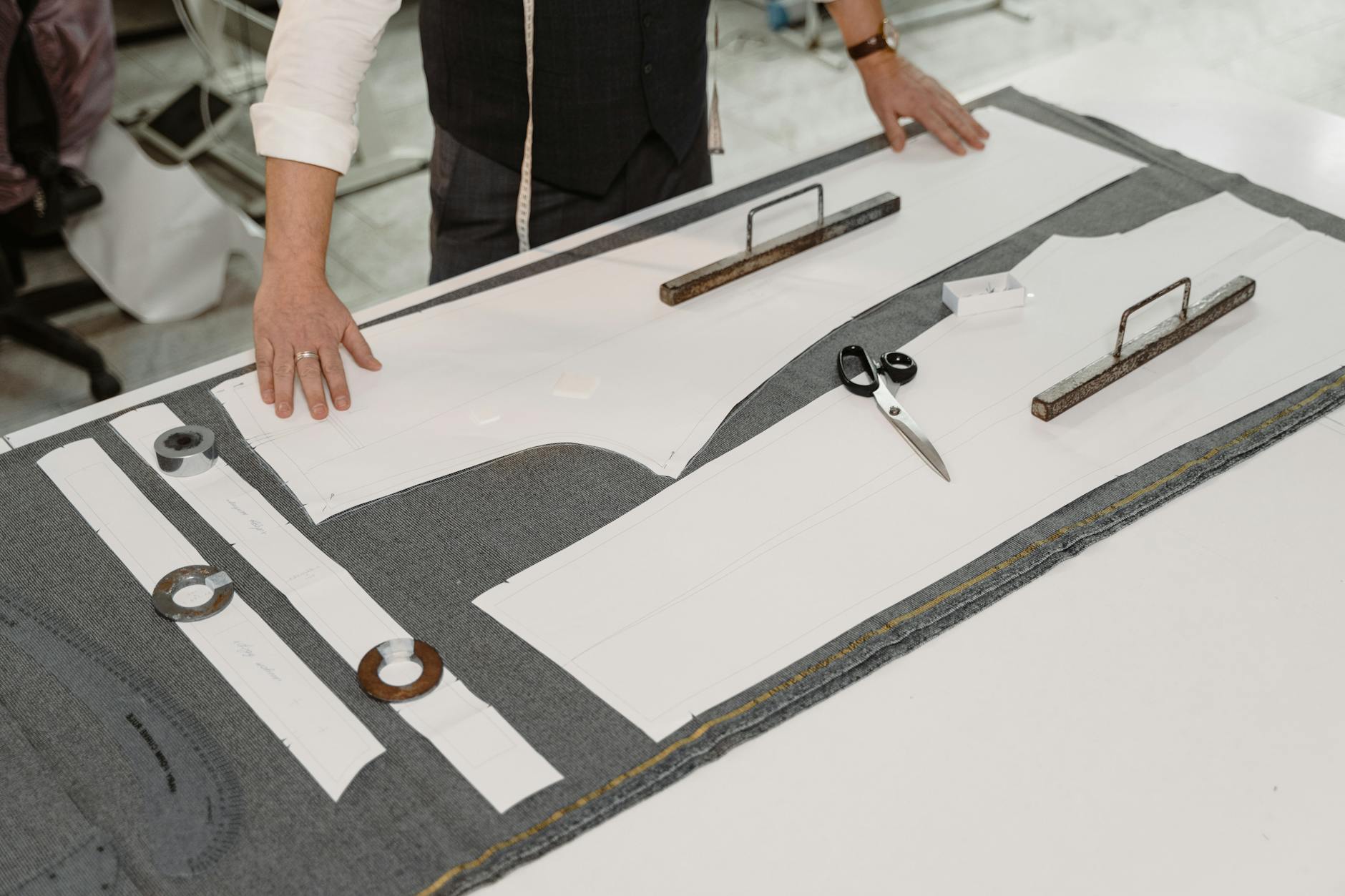
The question now is whether tailored trousers will reassert themselves as a marker of seniority and authority – the garment you graduate into rather than the one you start with – or whether they become genuinely optional across the board. Some fashion directors and stylists working with corporate clients are already noticing the latter pattern: tailored trousers worn as a choice rather than a default, picked on days when the meeting requires it, not simply because it is a workday. That re-framing may be the most telling development of all – not that cargo trousers are winning, but that tailored trousers are no longer assumed.