

From the Studio to the Table
Pilates reformer wear has a specific look: long-sleeved fitted tops in muted earth tones, high-waisted leggings with a barely-there sheen, grip socks peeking above low-profile sneakers. The silhouette is controlled, the palette deliberately quiet. What nobody anticipated is how well that combination translates to a Saturday morning table at a busy all-day cafe.
The crossover started happening without any official announcement from designers or retailers. Women were simply not changing after their 9 a.m. reformer class. They were walking directly into brunch, ordering lattes, and looking – by most social standards – completely put-together. The outfits worked. Nobody questioned them.
Now it’s a full aesthetic movement.
Why Reformer Wear Works Where Other Activewear Doesn’t
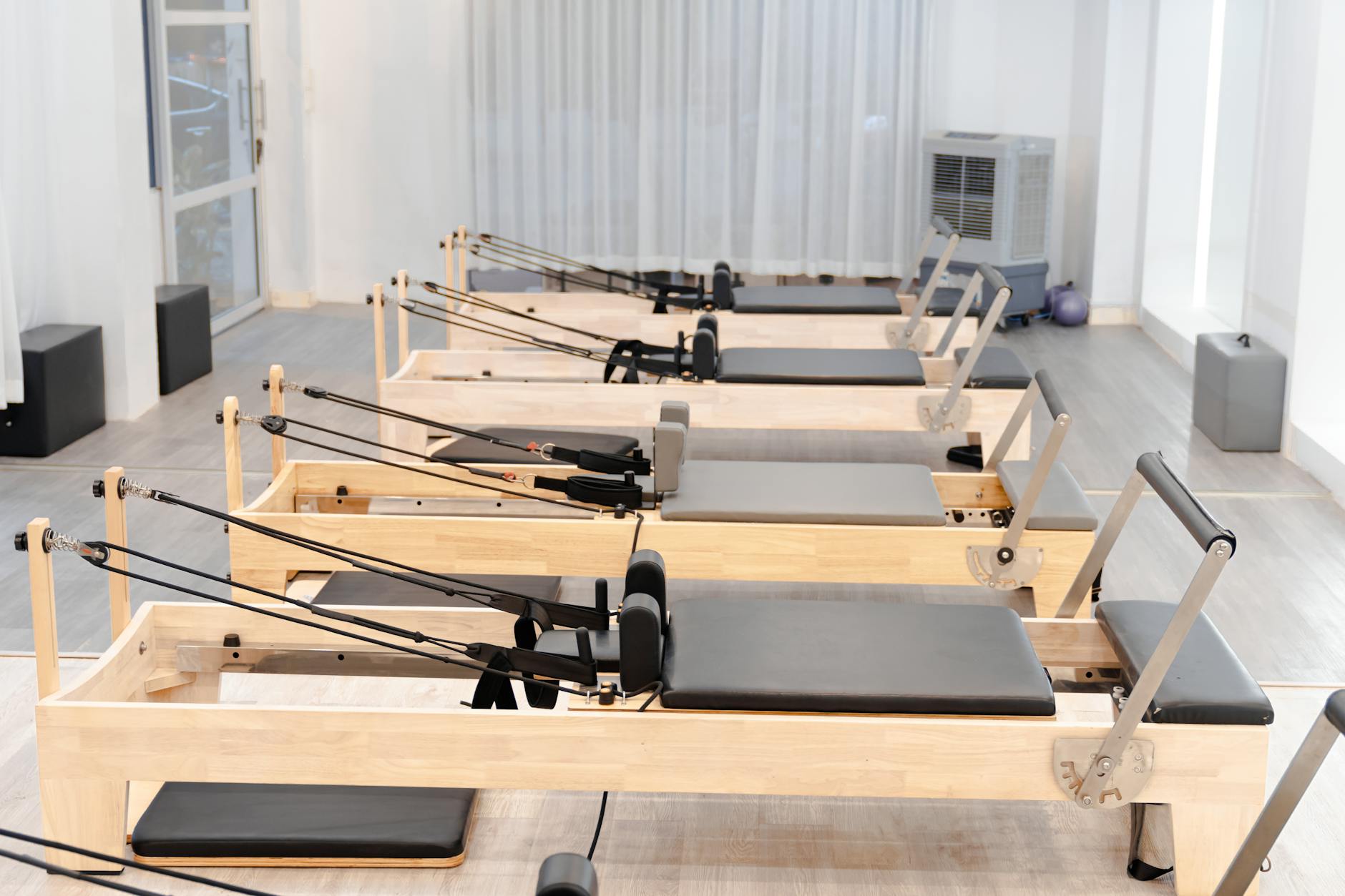
Standard gym wear – oversized moisture-wicking tanks, running shorts, athletic shoes built for serious mileage – reads as athletic even when worn off the treadmill. Reformer wear operates differently because its design requirements are so specific. The movements performed on a reformer machine demand clothes that stay close to the body, move with precision, and don’t bunch or shift. That technical demand produces a garment that looks almost sculptural when worn off the machine. There are no loose panels, no reflective strips, no logo architecture sprawling across the chest. The clothes are simply very clean.
The color language matters too. Reformer-focused brands have leaned hard into tones that feel closer to a fashion palette than a sportswear one – clay, oat, sage, slate, deep burgundy. These aren’t colors designed to be seen from the back of a spin class. They’re colors that happen to read beautifully in natural light, which is exactly the light flooding most brunch spots worth visiting on a weekend morning.
Fabric is the third factor. The materials used in high-quality reformer leggings and tops – dense, matte, often with a slight compression quality – photograph well and hold their shape across four hours of wear. By the time someone has finished a reformer session and settled into a two-hour brunch, the outfit hasn’t deteriorated. Compare that to a standard cotton athletic set, which typically shows wear and sweat within the first 45 minutes.

The Styling Details That Make It Brunch-Ready
The grip sock question is real, and the answer has become surprisingly stylish. A generation ago, athletic socks worn visibly above a low sneaker or slip-on would have read as accidental. Now the cropped sock moment – a ribbed ankle sock in a tone that nods to the rest of the outfit – is a deliberate choice. Reformer practitioners who wear grip socks throughout class have started treating them as accessories rather than functional tools.
Layering is where the transition from studio to table becomes most intentional. A fitted ribbed tank worn under a lightweight zip jacket, or a long-sleeved studio top styled with wide-leg linen pants for the walk over, creates an outfit that acknowledges the athletic origin without being defined by it. The key piece tends to be whatever goes over the reformer-specific base layer – something with enough structure to signal that this is a choice, not an afterthought. Oversized blazers are one route. Relaxed trench coats are another. Both work against the tight, minimal base that reformer wear provides.
Accessories are doing significant work in this aesthetic. A structured tote bag, small gold earrings, and a minimal watch transform the same reformer outfit worn at 9 a.m. into something that reads as downtown casual by 11. The restraint of the clothing itself creates room for the accessories to function clearly, without competing with print, pattern, or athletic branding. This is a dressing principle that sounds obvious and yet is surprisingly rare in activewear crossover styling, where the instinct is often to add more rather than edit carefully. This category of intentional sport-to-social dressing is finding traction in the same circles that have embraced athletic wear as a social statement in other contexts.
What’s Actually Driving This
Pilates reformer culture carries specific social weight right now. The class format, the equipment, the studio environments – all of it signals a particular relationship to wellness that reads as aspirational in a way that, say, a crowded group fitness class does not. Wearing reformer gear at brunch is partly a style decision and partly a legible social signal: it says something about how you spend your mornings and, by extension, your disposable time and income. The clothes are doing communicative work that goes beyond fabric and fit. Whether that subtext makes the trend more interesting or less depends entirely on how you feel about fashion as social performance – which has never stopped any trend from spreading.