


Martial arts armor was never meant to inspire fashion. The men, the rigid helmet of traditional kendo, and the do, the chest protector laced with cord across its vertical ribs, exist to absorb bamboo sword strikes at speed. But fashion has a long history of borrowing structure from protection, and right now, the cord lacing system that holds a kendo do together is appearing across structured bodice panels in ways that feel both deliberate and fresh.
The pattern is specific: vertical ribbed panels held under tension by horizontal cord running through or across them, creating a compressed, architecturally firm surface. It is not decorative embroidery or surface trim. The cord actually holds the panel’s structure in place, the same mechanical logic that makes kendo chest armor rigid enough to take a blow. When designers apply that same logic to bodices, the result is a garment that fits differently, moves differently, and reads differently from anything produced by traditional boning or underwire alone.

Why Kendo Armor Works as a Structural Model
A kendo do is built from either lacquered bamboo or hard plastic slats, bound vertically and then laced horizontally with braided cord. The cord tension pulls each slat into alignment, distributing force evenly across the chest surface. Remove the lacing and the panel collapses. Replace the slats with dense fabric or stiffened textile panels and the same principle holds. The cord becomes the load-bearing element, not decorative but functional in the most literal sense.
This is what separates the current trend from surface-level martial arts cosplay. The cord lacing on these bodice panels is not printed on, not glued down, and not running alongside structural boning hidden underneath. The cord is the structure. Designers working in this space are essentially engineering compression garments using textile cord tension, producing a fitted silhouette without a single traditional corsetry component in the construction.
How the Aesthetic Is Translating to Ready-to-Wear
The ribbed panel format is the key visual signature. Rather than a smooth fitted bodice, these garments present the chest and torso as a series of vertical channels, each one defined by the cord pulling across it. The panels read almost like contour lines, following the body’s curves and making them architectural rather than fluid. At a distance, the silhouette is clean and sleek. Up close, the construction is impossible to ignore.
Color choices so far have leaned toward monochrome, and for good reason. Black cord on black panels, or natural cord on undyed canvas, lets the texture carry the visual weight without pattern competing for attention. A small number of brands are experimenting with contrast lacing, running white or burgundy cord across dark panels, which brings the kendo reference closer to the surface. That version reads more costume-adjacent, while the tonal approach reads as ready-to-wear.
The silhouette works particularly well in structured suiting contexts, where the bodice panel replaces a traditional fitted jacket lining or a simple button-front closure. A blazer with cord-laced front panels carries an entirely different visual weight than one finished with lapels and buttons alone. The lacing adds a layer of tactile detail that buttons cannot replicate, and the resulting look sits somewhere between tailoring and armor without fully committing to either.
Fabrication choices matter significantly here. Heavy cotton canvas, bonded jersey, thick wool double-cloth, and technical nylon are all appearing as base materials for the ribbed panels. Lighter fabrics lose the structural intent entirely, the cord tension requires a base with enough body to hold its shape under compression. When the fabric is too soft, the panels simply gather rather than rib, and the kendo reference disappears into something that reads as casual shirring instead.
The Bodice Panel as Standalone Statement
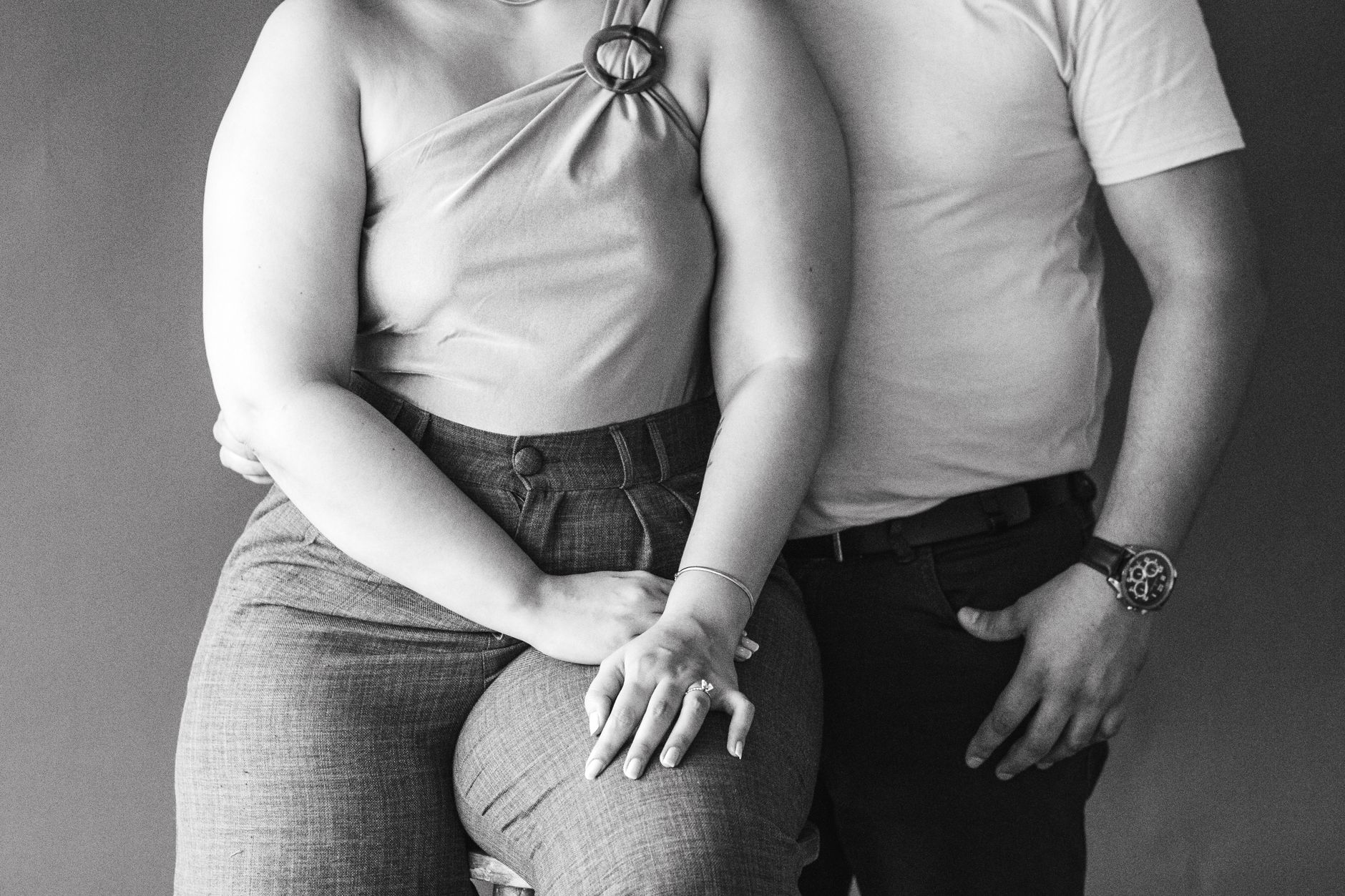
A growing number of designers are isolating the cord-laced panel as the primary garment element rather than embedding it within a larger piece. Cropped bodice styles built entirely from ribbed panels, worn over high-waisted trousers or layered beneath sheer outer pieces, put the construction logic front and center. There is no jacket around it to contextualize the armor reference, which forces the wearer to commit to the structural reading rather than absorb it into conventional tailoring.
This isolated bodice format also makes the lacing system legible as a design object. You can study how the cord runs, where it anchors, how the tension distributes across the panels. For fashion audiences increasingly interested in construction and craft, that legibility has its own appeal. The garment does not hide how it works.
Where This Sits in the Larger Conversation About Structured Fashion
Structured bodice dressing has been cycling back through fashion for several seasons now, driven partly by a broader interest in tailoring and partly by a reaction against the decade-long pull toward soft, draped silhouettes. The kendo-derived cord lacing approach is one specific direction within that larger structured moment, and it is distinct from the corsetry revival, the suiting revival, and the athletic compression trend running alongside it.
What makes the kendo influence different is the source of the structure. Corsetry structures from within using boning that pushes and shapes the body. Tailoring structures from without using interfacing, seams, and layering. Cord lacing structures through tension, pulling panels into a fixed configuration that depends on the cord remaining under load. It is an active structure in a way the others are not. The garment is, in a technical sense, always working.
The comparison point that keeps surfacing in discussions around this aesthetic is protective sportswear more broadly, the idea that armor and athletic gear carry a kind of functional legitimacy that purely decorative fashion sometimes lacks. This connects naturally to the interest in structured wrap silhouettes borrowing hardware logic from equestrian gear, where the functional origin of a fastening system lends the fashion version a credibility that pure decoration would not achieve. The kendo do lacing earns its place in bodice construction by the same logic: it works, and working is exactly the point.
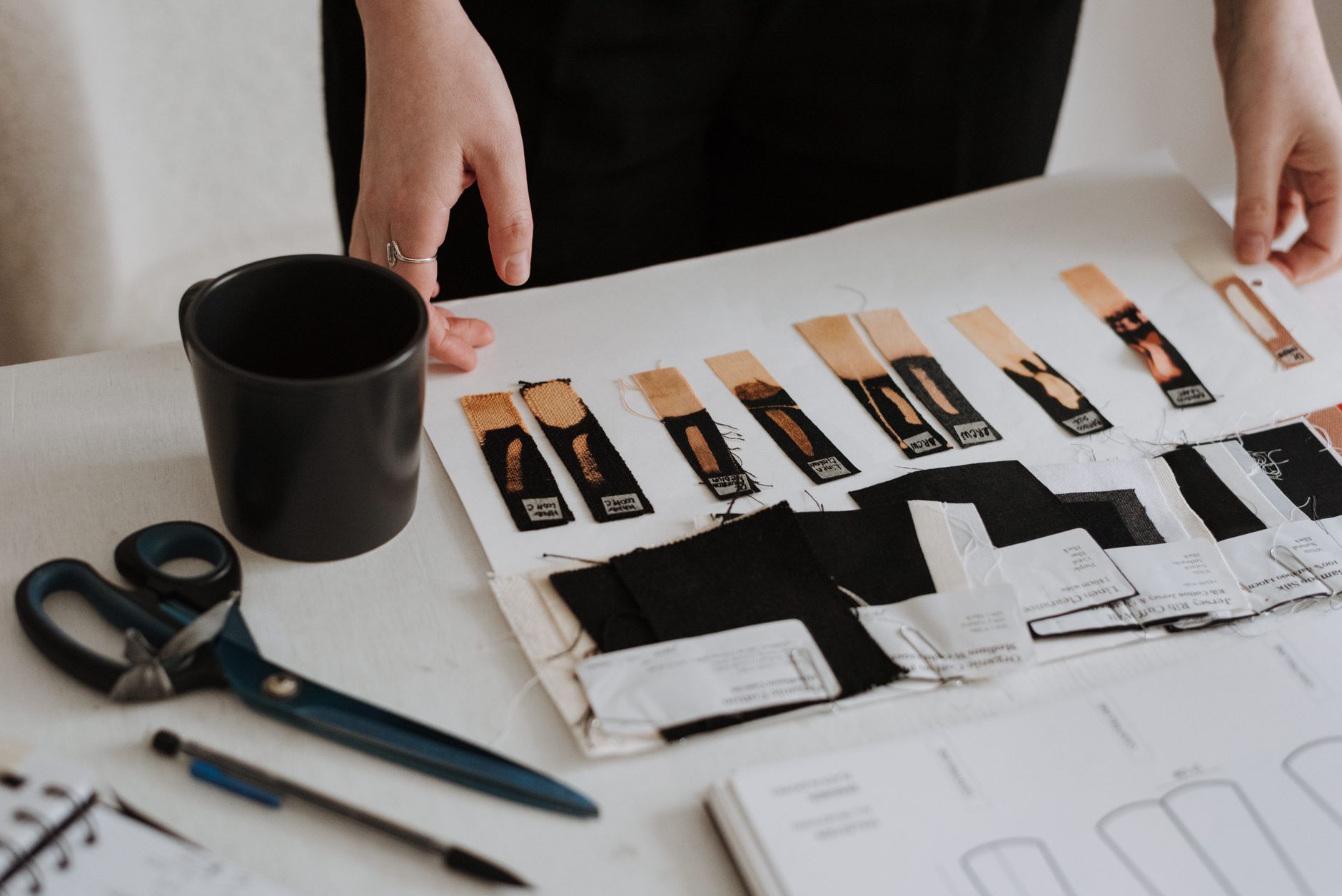
The unresolved question for this trend is scale. Cord lacing at bodice scale is labor-intensive to produce, anchoring points need reinforcement, tension needs to be calibrated so the panel does not distort under wear, and the cord itself needs to be durable enough to hold through repeated wearing without stretching out of tension. Mass production has not yet solved for all of that, which is why the most convincing versions of this look are still appearing at the smaller-label end of the market where garments are being individually constructed rather than run on industrial lines. What happens to the structural integrity of the cord lacing when a factory has to produce five thousand units of it is a question the trend has not yet had to answer.