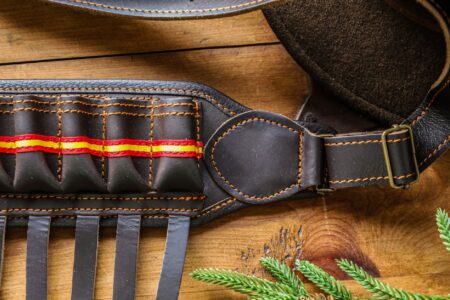


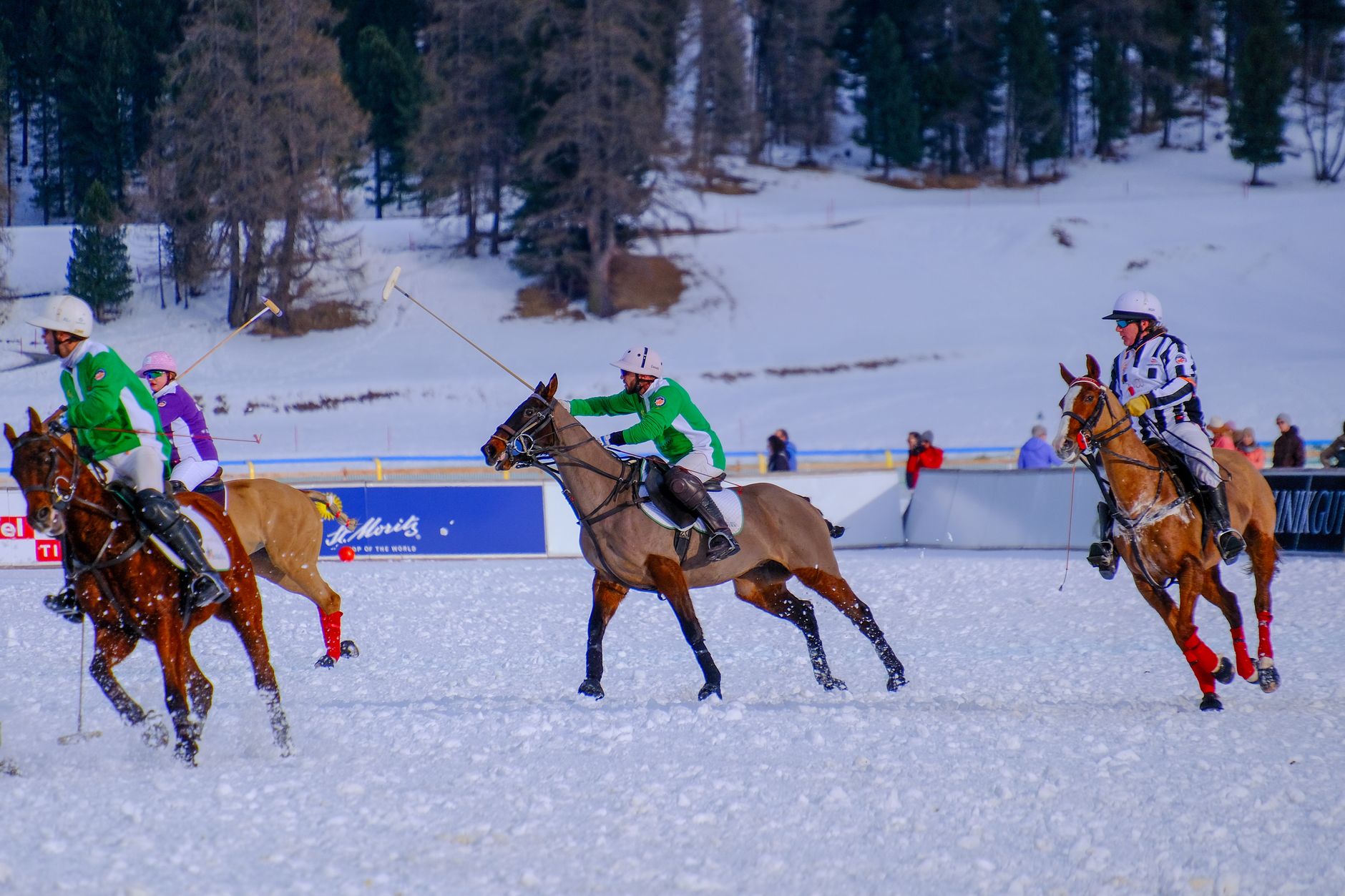
Polo browbands have always been about precision. Fitted across a horse’s forehead and often decorated with crystals, braided leather, or colored stitching, they sit at the intersection of sport and ceremony – functional equipment dressed up for competition. What nobody anticipated was that this specific aesthetic, crystals running in a clean horizontal line across a structured band, would migrate from the equestrian arena into everyday hair accessories.
The crossover is subtle enough that most people wearing these pieces have no idea where the design language originated. A slim barrette studded with a single row of rhinestones, a rigid half-moon clip edged in small clear stones – these are the visual descendants of the browband, stripped of context and repackaged for the minimalist dresser. The equestrian world has long fed fashion quietly, and this is the latest instance.
Where the Browband Design Comes From
Competition browbands in polo and dressage follow strict proportional logic. The crystals or colored stones run in a tight line, evenly spaced, without excess decoration above or below. The band itself is narrow – typically leather or synthetics – and the whole effect is restrained despite the sparkle. That restraint is what makes it distinctive: the ornamentation is contained, architectural, not exuberant.
This is fundamentally different from the crystal hair accessories that dominated the early 2000s, which were large, chunky, and maximalist. The browband influence is about ratio – a thin band, a modest stone size, consistent spacing. When contemporary accessory designers work in this idiom, whether consciously referencing equestrian gear or not, the result reads as elevated and considered rather than flashy.
How the Look Is Being Worn Now
The primary vehicle for this trend is the structured barrette: a flat, rigid clip with a slight curve to follow the head’s shape. Where a browband lies flat across a horse’s forehead, the barrette sits flat at the nape of a low bun or across the side of a sleek updo. The crystal line, one or two rows at most, catches light without dominating the look. It functions more like punctuation than decoration.
A growing number of small accessory labels are producing pieces in this format, often in gold or silver tones with clear, white, or champagne stones. Some use resin-set crystals for durability; others use glass stones for a higher light refraction. The material choice affects how closely the finished piece resembles its equestrian source – glass reads more formal, resin more casual, though both circulate in the same minimalist styling context.
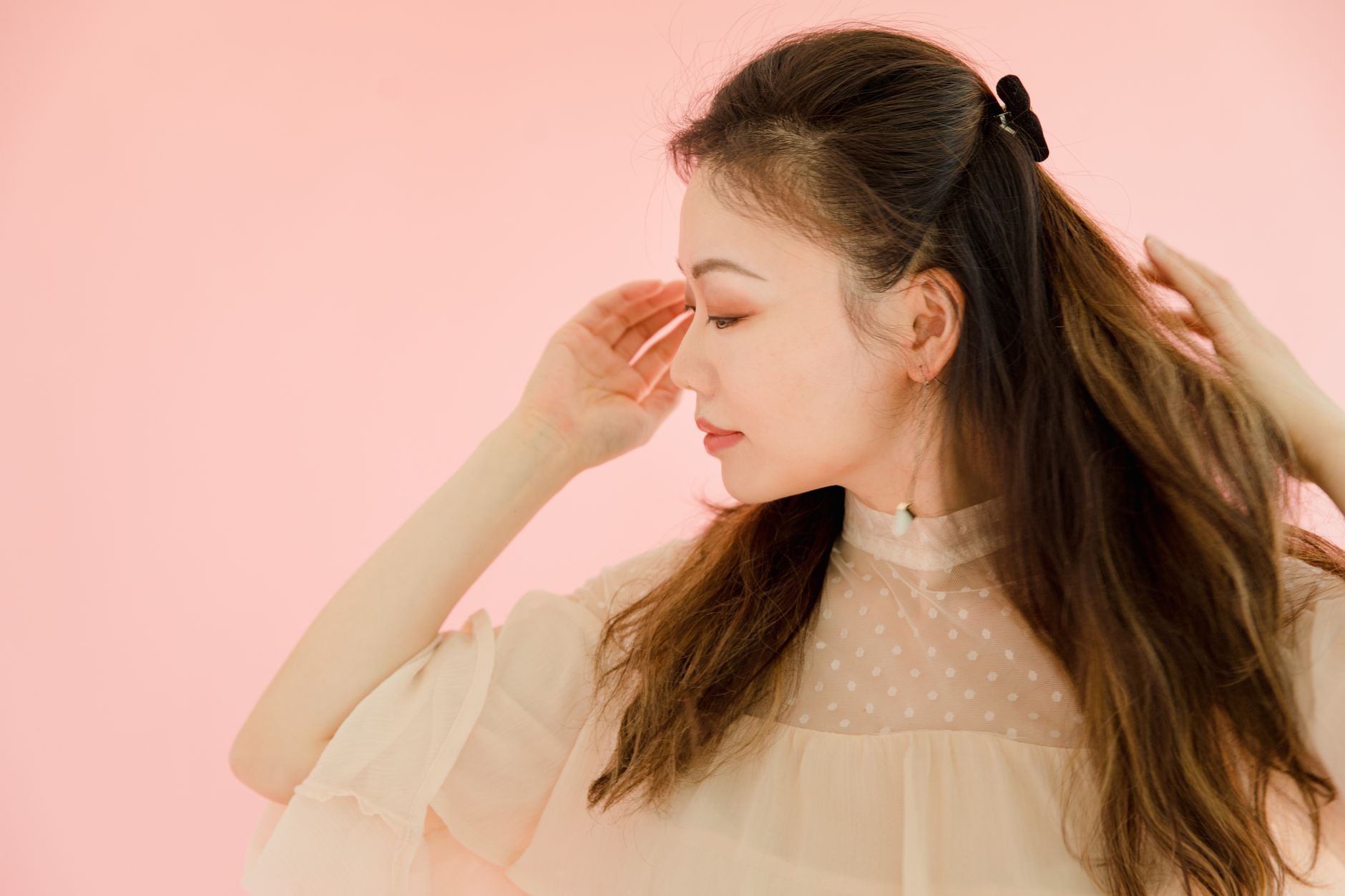
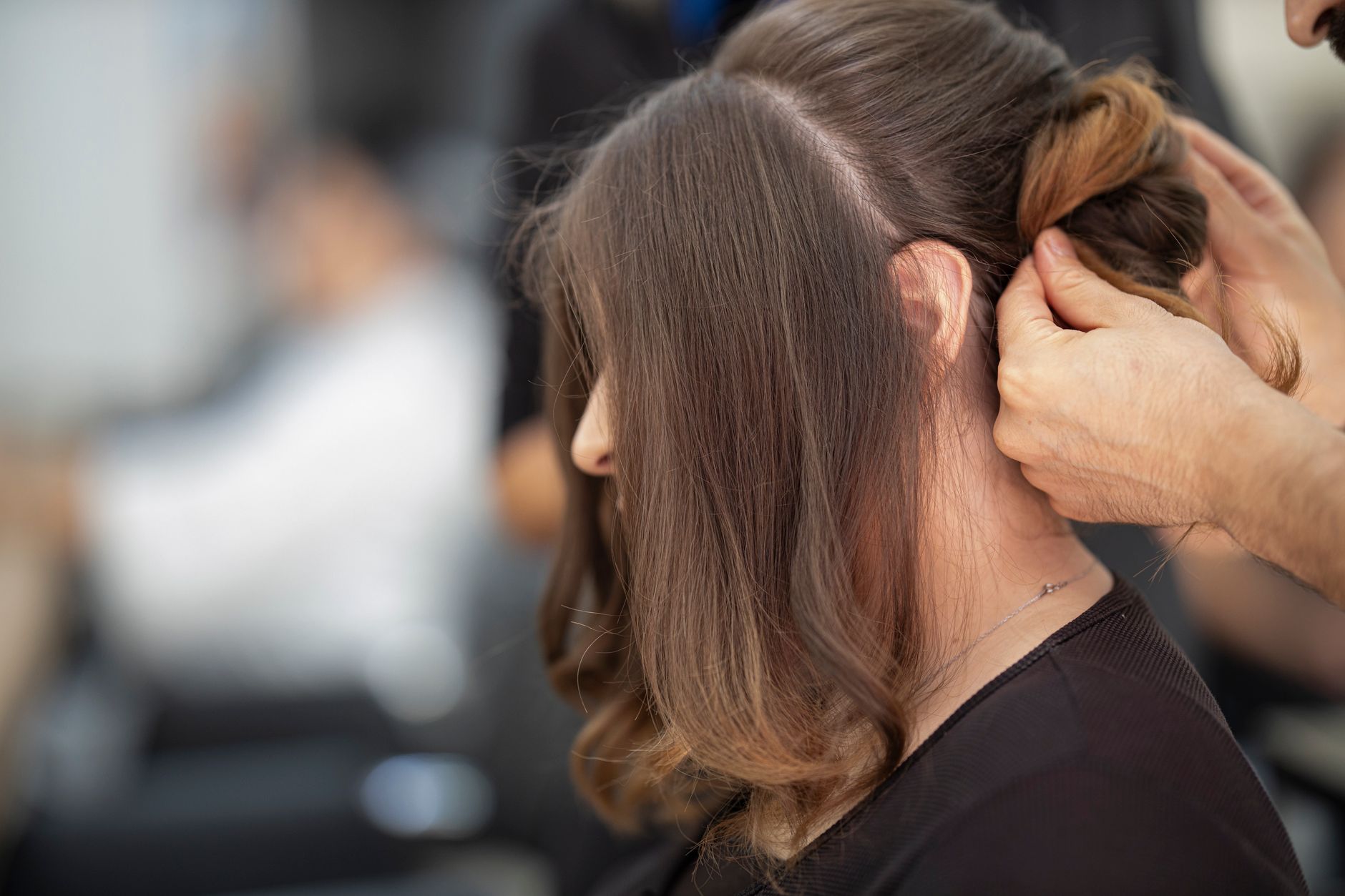
Styling conventions have settled around two uses. The first is the low bun anchor – the clip placed horizontally at the center back to secure a chignon, the crystal line visible from behind. The second is the side placement, worn at the temple or just above the ear to pull back one section of otherwise loose hair. Both approaches prioritize the clip as a visible design element rather than a hidden fastener, which is a shift from how utilitarian barrettes have historically been used.
Texture contrast is part of the appeal. The crystals against straight, sleek hair create a friction that makes both elements more visible. Against wavy or textured hair, the rigid horizontal line of stones provides a graphic interruption that reads as intentional. Either way, the effect depends on the hair being relatively calm around the clip – this is not a trend that works with frizz or volume competing for attention nearby.
The Minimalism Angle
What separates this from general crystal hair trends is the commitment to restraint. The browband template enforces a kind of discipline – one line, one width, one scale of stone. There’s no room for the impulse to add more, because adding more would break the logic of the design. This built-in limit is exactly what makes it compatible with the minimalist wardrobe that has dominated aspirational dressing for the past several years.
This aesthetic sits naturally alongside other equestrian design elements filtering into minimalist fashion, where the borrowed vocabulary is always stripped of its original context and reduced to its cleanest visual gesture. A single row of crystals on a slim band is about as reduced as ornamentation gets while still registering as ornament.
What to Look for When Shopping
The key variable is band width. Narrower bands – under a centimeter – read more closely to the original browband proportion and sit better against fine or medium hair. Wider bands start to move toward headband territory and lose the precision that defines the trend. Stone size matters in a similar way: anything larger than four millimeters tends to tip the balance toward statement rather than detail.
Metal finish affects versatility. Gold-toned hardware photographs warm and pairs naturally with autumn palettes and brown or red hair tones. Silver reads cooler and integrates more easily with grey, black, and platinum tones in both clothing and hair. Some pieces split the difference with a brushed or antique finish that reads as neutral across contexts.
The clip mechanism itself is worth examining before buying. French barrette mechanisms, with their pivoting bar, offer the most secure hold and the flattest profile – which matters because a protruding mechanism breaks the clean line the whole look depends on. Alligator clips work for lighter hair but can slip under tension. The best pieces treat the mechanism as part of the design, keeping the underside as considered as the crystal face.
Frequently Asked Questions
What is a polo browband and how does it relate to hair accessories?
A polo browband is a narrow, crystal-decorated band worn across a horse’s forehead in competition. Its restrained, single-row crystal design has influenced contemporary minimalist barrettes and hair clips.
How should I style a crystal browband-inspired hair clip?
Wear it horizontally at the nape of a low bun or at the temple over sleek hair. The clip works best when surrounding hair is smooth, letting the crystal line read as a deliberate design element.