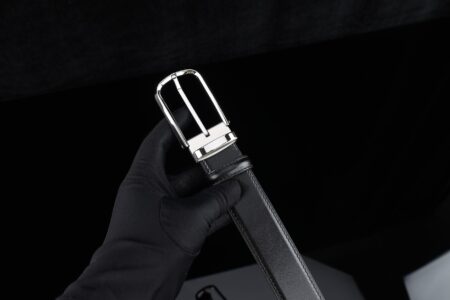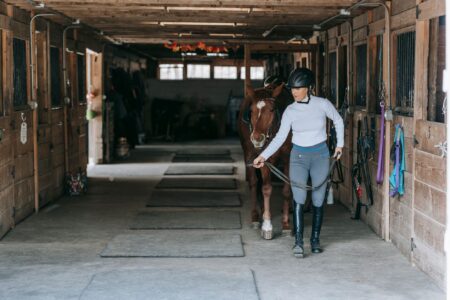


Equestrian gear has always operated on a kind of functional elegance – every strap, buckle, and panel exists for a reason, shaped by centuries of practical riding culture. But lately, the design logic buried inside polo equipment is finding its way into fashion accessories, and the crupper dock cover is the latest piece making that crossing. Thick, padded, contoured to protect a horse’s tailbone, this piece of tack is now informing the structured flap closures appearing on high-fashion clutches and evening bags.
The translation is not literal. No one is pulling actual horse equipment off the stable wall and calling it a handbag. What designers are borrowing is the construction language: the firm inner padding, the curved edge profile, the layered closure that sits flush against a surface without gapping or collapsing. Structured clutch flaps built on this logic hold their shape even when nearly empty, something softer envelope styles have never managed to do convincingly.
Where the Design Language Comes From
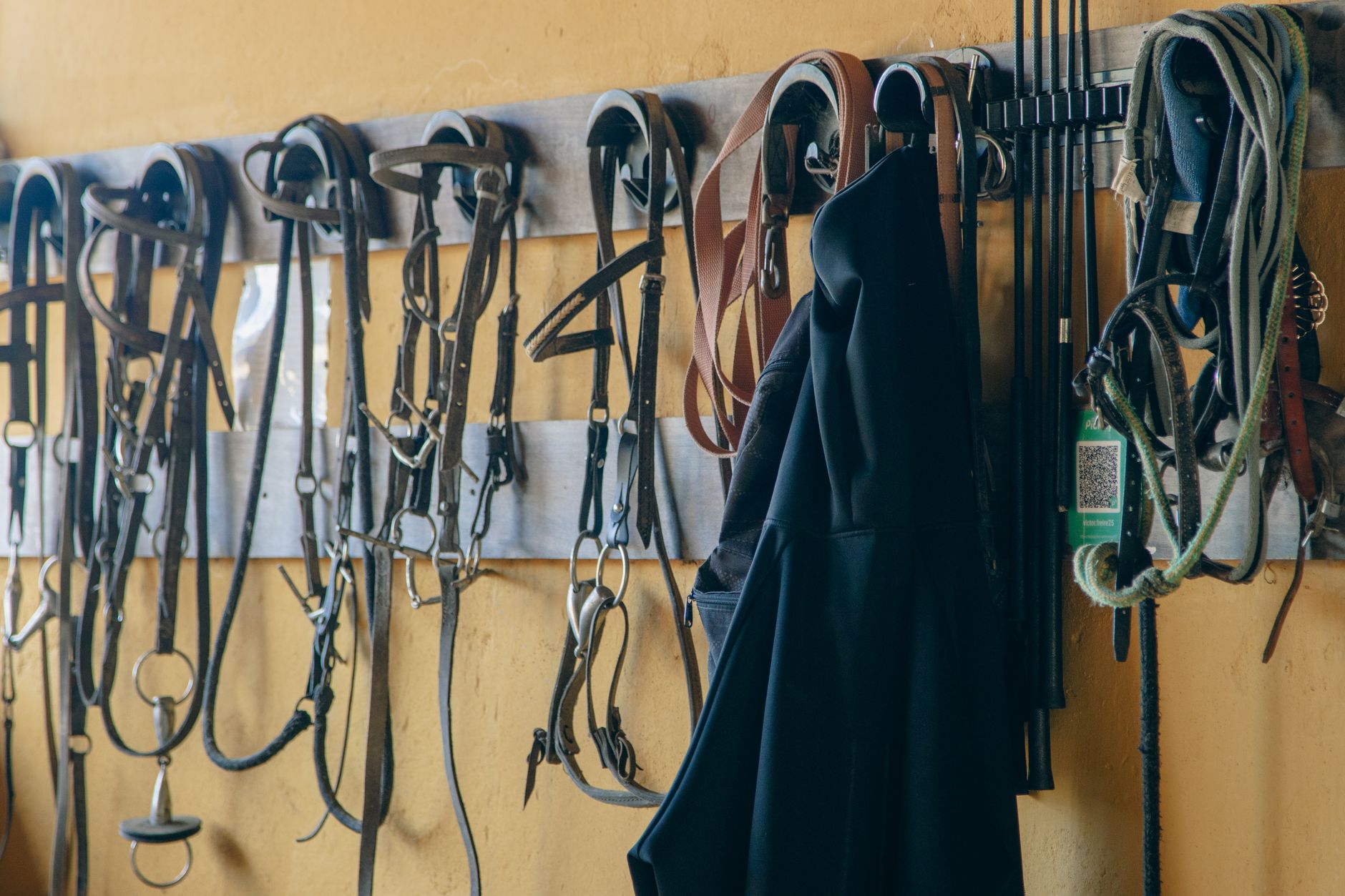
The crupper dock cover wraps around the base of a horse’s tail, securing the crupper strap used in harness and endurance riding. Because the area is sensitive and mobile, the cover has to be padded enough to prevent chafing while remaining rigid enough to hold its form through constant movement. Designers working in structured leather goods recognize that problem immediately – a clutch flap faces the same structural challenge every time it is opened, closed, or slid into a bag. It has to flex without losing its defined edge.
What makes the equestrian reference so useful here is the density of the construction. Crupper dock covers are typically built with a stiffened leather shell over compressed padding, then finished with stitched borders that reinforce the perimeter. When that same technique is applied to a clutch flap, the result is a closure that reads as intentional and architectural rather than merely decorative. The flap becomes a design statement before the bag is even opened.
How the Trend Is Showing Up in Accessories
A growing number of independent leather goods studios are experimenting with crupper-inspired padding on clutch closures, typically using vegetable-tanned leather over a compressed foam or felt core. The flap sits with a slightly raised profile – not so thick it reads as chunky, but dimensional enough to cast a shadow along its lower edge. That subtle relief is the whole point. It signals quality without announcing it.
The shape tends to run slightly curved rather than strictly rectangular, echoing the anatomical curve of the original dock cover. On a clutch, this means the flap follows the natural arc of the bag’s body rather than sitting as a flat geometric panel on top. The effect is a bag that looks tailored rather than constructed, even though the internal engineering is considerably more complex than a flat-flap design.
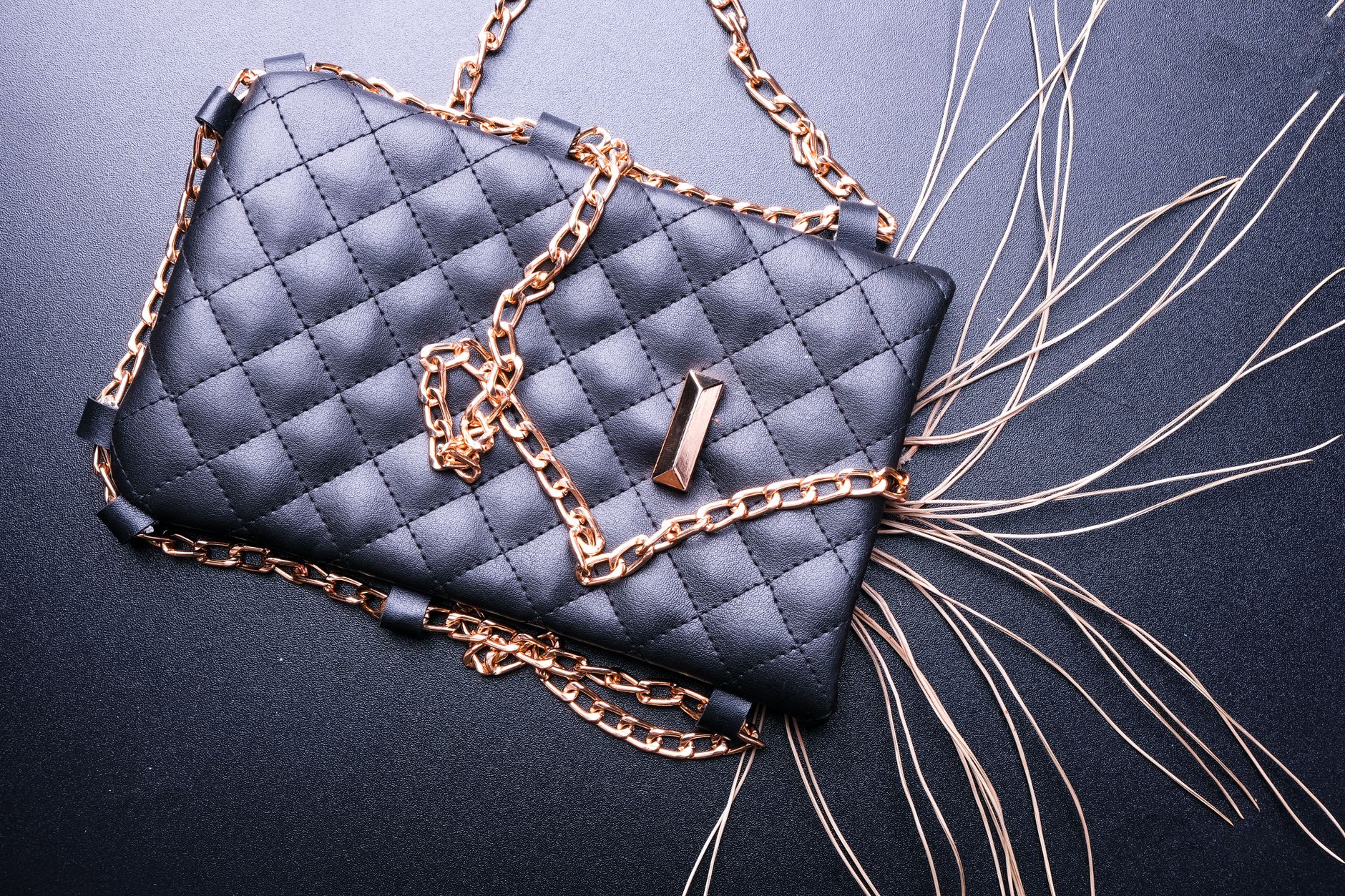
Hardware choices reinforce the equestrian connection without making it obvious. Turn-lock closures, simple snap bars, and recessed magnetic clasps all work well because they sit flush within the padded profile rather than protruding from it. Some studios are experimenting with bar-and-keeper closures that mimic harness hardware, though these tend to read as more directional than the cleaner turnlock versions.
Color choices in this aesthetic tend toward tack room naturals – cognac, dark chocolate, raw natural, and the deep navy occasionally found in show harness. Black is common but less interesting here; the padded flap reads best in warmer tones that show the dimensional shaping and the stitching detail along the reinforced border.
The Structural Problem This Solves
Soft clutch flaps have a persistent problem: they look polished in product photography and considerably less so after six months of real use. Leather without internal support creases along the fold line, eventually developing a permanent slouch that reads as wear rather than character. A crupper-style padded construction distributes the stress of repeated opening and closing across a wider area, which extends the life of the fold significantly.
This is not purely aesthetic logic. A clutch flap that holds its shape after two years of use is a better long-term investment than one that softens and distorts within the first season. The equestrian world has understood this for a long time – tack built for competition is built to perform consistently over years, not just look good in the paddock on day one. That same durability standard is exactly what structured bag buyers are starting to demand from fine leather goods.
Styling the Structured Flap Clutch
The dimensional flap clutch works best when the rest of the outfit gives it room. A clean column dress or a sharp trouser-and-silk-shirt combination lets the bag’s architecture read clearly rather than compete with surface pattern or layered texture. This is a bag that benefits from negative space around it. The saddle panel tailoring trend in structured trousers shares this same sensibility – equestrian references tend to work best when the surrounding pieces are restrained.
Evening styling presents an interesting tension. The clutch silhouette is inherently formal, but the padded equestrian construction carries a very specific kind of utility-derived confidence that reads differently from a beaded minaudiere or a satin envelope. It is dressed up but not delicate, which suits the current preference for formalwear that does not feel fragile or precious. Wearing it to dinner feels correct; wearing it to something more ceremonial requires pairing it carefully so the structural weight of the bag doesn’t undercut the occasion’s softness.
For daytime, the structured flap clutch carried under the arm rather than in the hand changes the register considerably. The padded profile reads as more architectural in that position, closer to a book or portfolio than a traditional evening bag. That ambiguity is part of its appeal. The bag signals effort and intention without specifying the occasion, which is exactly the kind of versatility that makes an accessory worth buying.
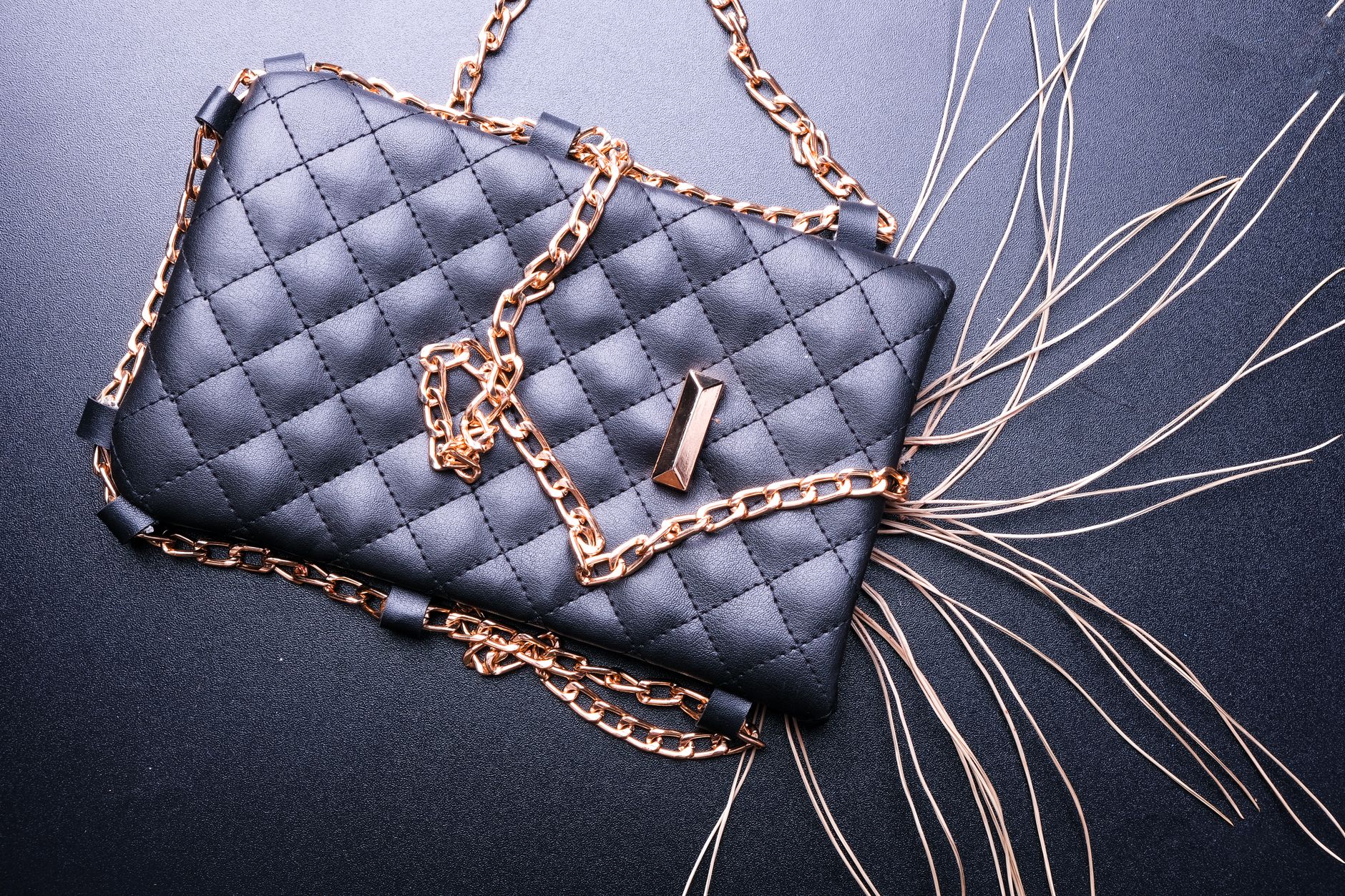
The real test of whether this construction becomes a lasting design direction rather than a seasonal curiosity is whether mass-market production can replicate the density of the original technique. Compressing genuine padding into a leather-covered flap at scale, with consistent edge stitching and stable internal construction, is not a cheap manufacturing problem to solve – and bags that attempt the look without the engineering behind it tend to reveal themselves quickly.