

When Equestrian Hardware Meets Handbag Design
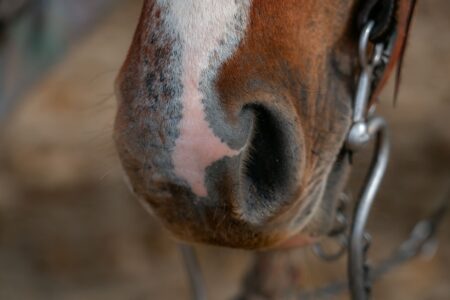
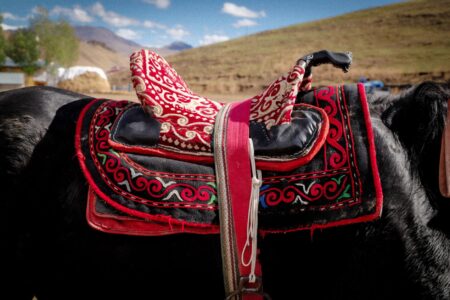
Polo club rein terrets – the small, looped metal guides that run along a driving harness to keep reins properly positioned – have long been dismissed as strictly functional objects, invisible to anyone outside the equestrian world. They exist to do one thing: control direction without friction. That same mechanical logic is exactly what’s drawing accessories designers to them now.
A growing number of structured bag designers are borrowing the terret’s core geometry – a rigid, elevated loop mounted on a flat base – to reinvent how handle loops are anchored to bag bodies. The result is a cleaner attachment point that distributes weight differently than a traditional D-ring or sewn loop, and reads as architectural rather than merely decorative.
The shift is quiet but deliberate.
Why the Terret Shape Works So Well on a Bag
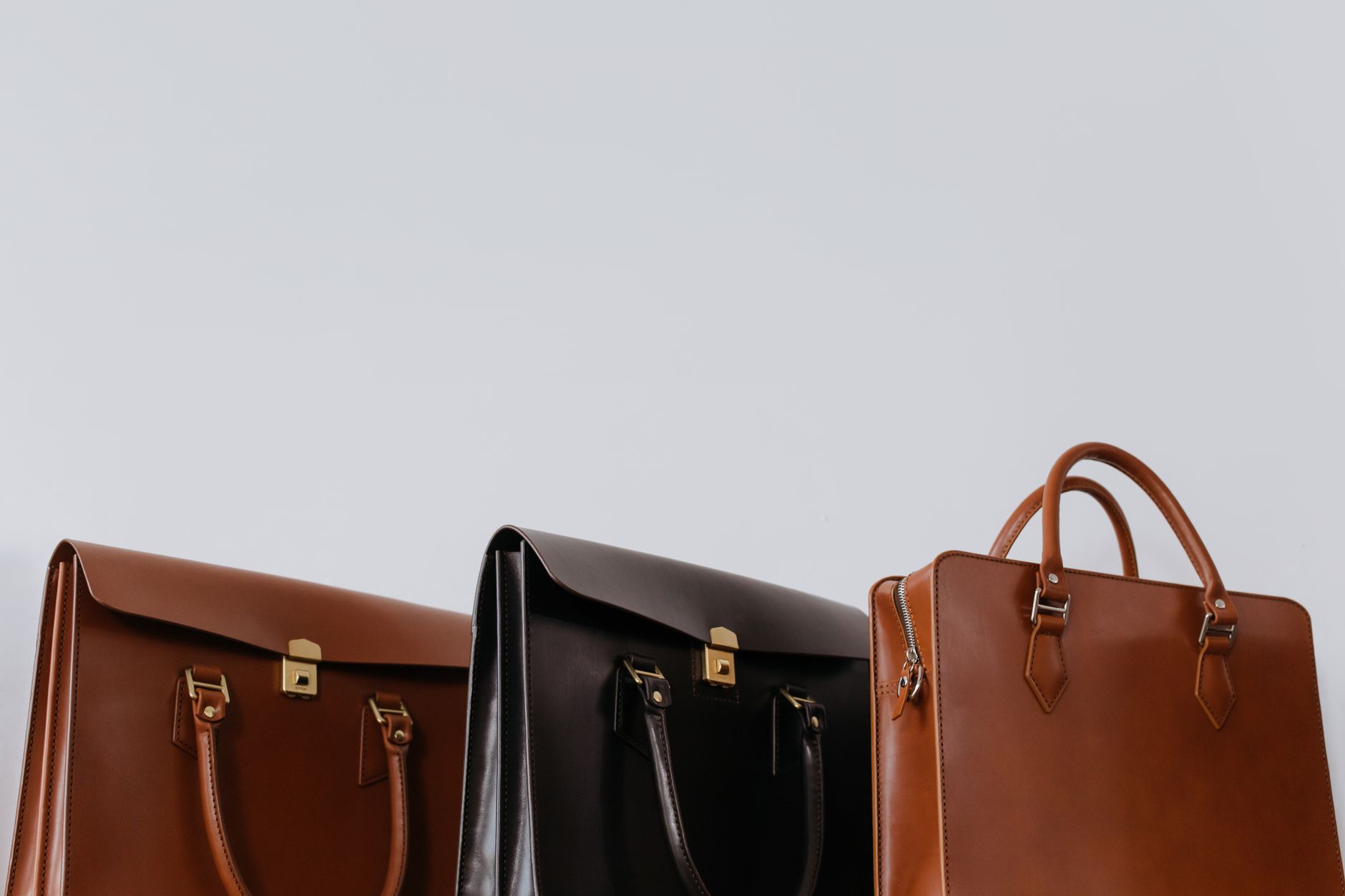
A standard bag handle loop does two things: it holds the handle in place and takes the load when the bag is carried. Most traditional solutions – flat riveted rings, sewn channel loops, or simple metal D-rings – are functional but visually flat. They disappear into the silhouette of the bag, which is fine for casual or unstructured styles but actively works against the intentions of a stiff-sided structured bag where every detail reads clearly at close range.
The rein terret solves this by standing proud of the surface. Its loop projects upward from a horizontal base plate, creating a small but distinct vertical form that catches light from multiple angles. On a boxy leather bag – especially one in a deep tan, burgundy, or matte black – this creates a subtle shadow line around the attachment point, giving the handle an almost architectural staging post rather than a simple anchor. Designers working in heavier bridle leathers or coated canvases find this especially useful, because those materials hold their shape and demand hardware with comparable presence.
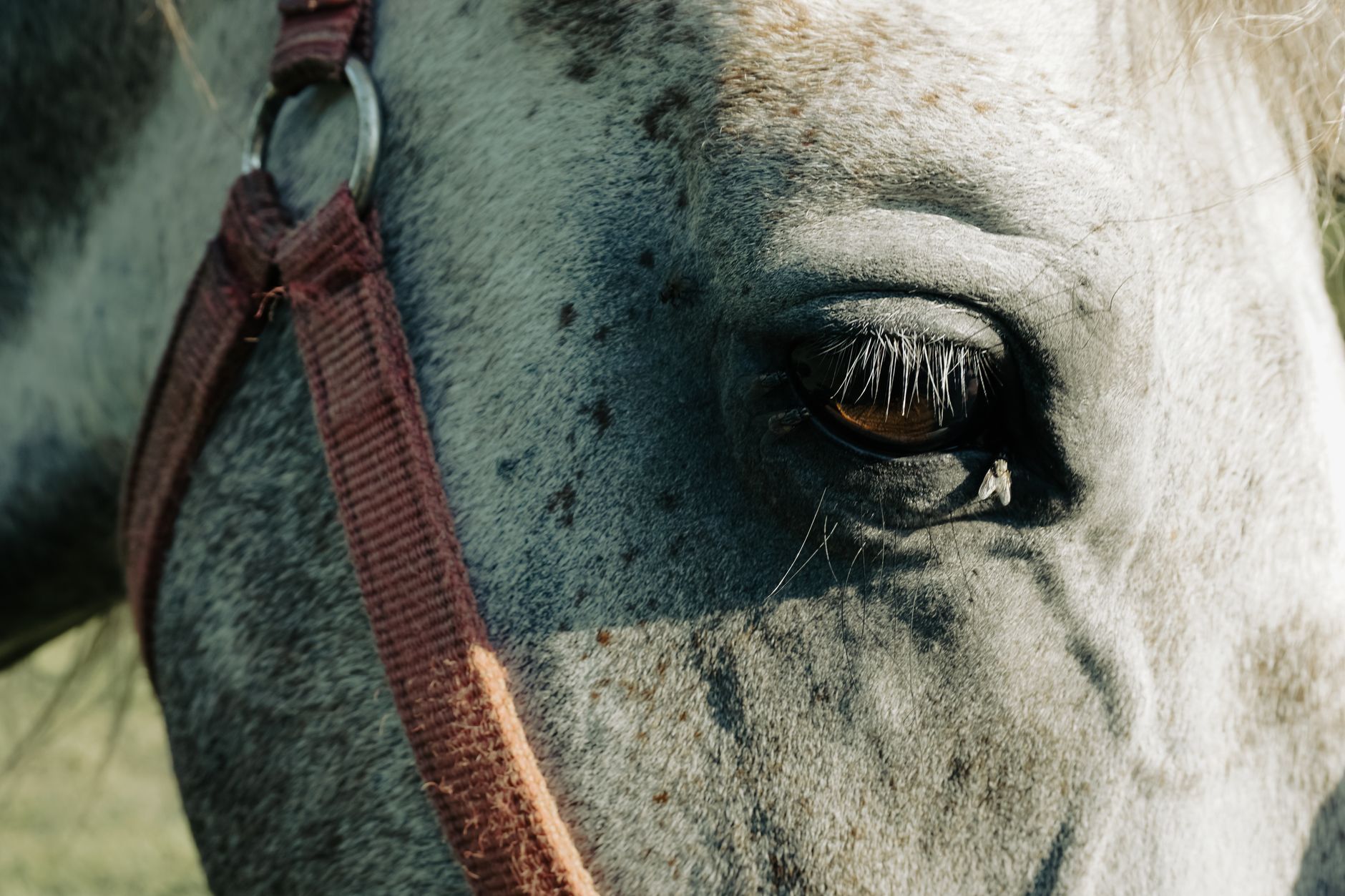
Weight distribution is the less-discussed advantage. Because the terret loop stands away from the bag wall rather than being sewn flat against it, the handle has a small amount of free movement – it can settle naturally in the hand without the rigid pull of a fully fixed attachment. This is the same reason harness makers developed the design to begin with: a driving horse generates uneven lateral force, and the terret allows the rein to move through it without binding. On a bag, the equivalent benefit is that the handle drapes more naturally and wears less aggressively on both the hardware and the leather over time.
How Designers Are Adapting the Detail
The adaptation isn’t always literal. Some designers are producing hardware that clearly references the terret’s upright loop-on-base form but scaled and refined for accessories use – polished brass versions with a squared base plate, or oxidized bronze castings with a slightly flattened loop that photographs well against structured sides. Others are working with the concept more loosely, using the terret as a starting point to design custom hardware that simply applies the same standing-loop logic without the equestrian references being immediately visible to a general audience.
Bag silhouettes that benefit most tend to be the ones already borrowing vocabulary from workwear and utility dressing: document bags with wide flat bases, boxy top-handle styles with clean side gussets, and hard-shell or semi-rigid pouches worn crossbody. These are bags designed to be read as intentional objects, and the terret-derived handle loop gives them a hardware detail that holds up to scrutiny. It’s the kind of thing that doesn’t announce itself loudly but rewards a closer look – the same principle behind cockpit rim toggles influencing minimalist bag pulls, where sport-derived hardware finds a second life in structured accessories.
Color and finish choices matter more with this hardware than with recessed or flat fittings, precisely because the loop is visible from multiple angles. Brushed gold reads as restrained luxury. Antique silver suggests archival or military-adjacent references. Raw or lightly lacquered brass leans into the equestrian origin without hiding it. Each finish sends a different signal about the bag’s intended register, and designers are making those calls consciously rather than defaulting to whatever matches the zipper pulls.
The Staying Power of Hardware Borrowed From Sport
Equestrian hardware has fed into fashion accessories before – the Hermès Kelly and Birkin are essentially formalized versions of saddle-making technique applied to personal luggage – but the rein terret represents something more granular than broad equestrian influence. It’s a specific functional component being adopted for a specific functional reason, and that specificity is what gives the detail longevity over a season. Hardware trends built on visual novelty alone tend to cycle out fast; hardware trends built on genuine mechanical logic tend to stick around long enough to become conventions, which is the more interesting outcome for the bags that adopt them early.