

The Equestrian Detail Reshaping Structured Bottoms
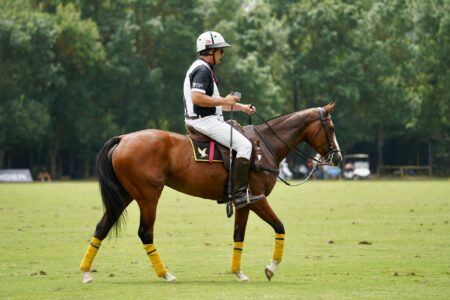
Polo club saddle cantle skirt vents – the narrow, reinforced slits originally cut into riding skirts to allow a clean seat in the saddle – are showing up in a very different context right now. Designers working in the structured midi space are borrowing this specific construction detail, using it to break the visual monotony of pleated panels without abandoning the tailored silhouette entirely. The result is a bottom half that reads disciplined from the front and surprisingly dynamic from behind.
The cantle vent has a precise origin. In equestrian dress, the back vent of a riding skirt had to accommodate the saddle cantle – the raised rear ridge of the saddle – so it was cut deeper and finished more cleanly than a standard walking vent. That engineering logic, stitched into generations of polo club attire, turns out to translate directly into the structural grammar of contemporary pleated midis. The depth is right. The finish is right. And the way it releases fabric tension is, by tailoring standards, almost too clean to ignore.
Why Pleated Midis Needed an Intervention
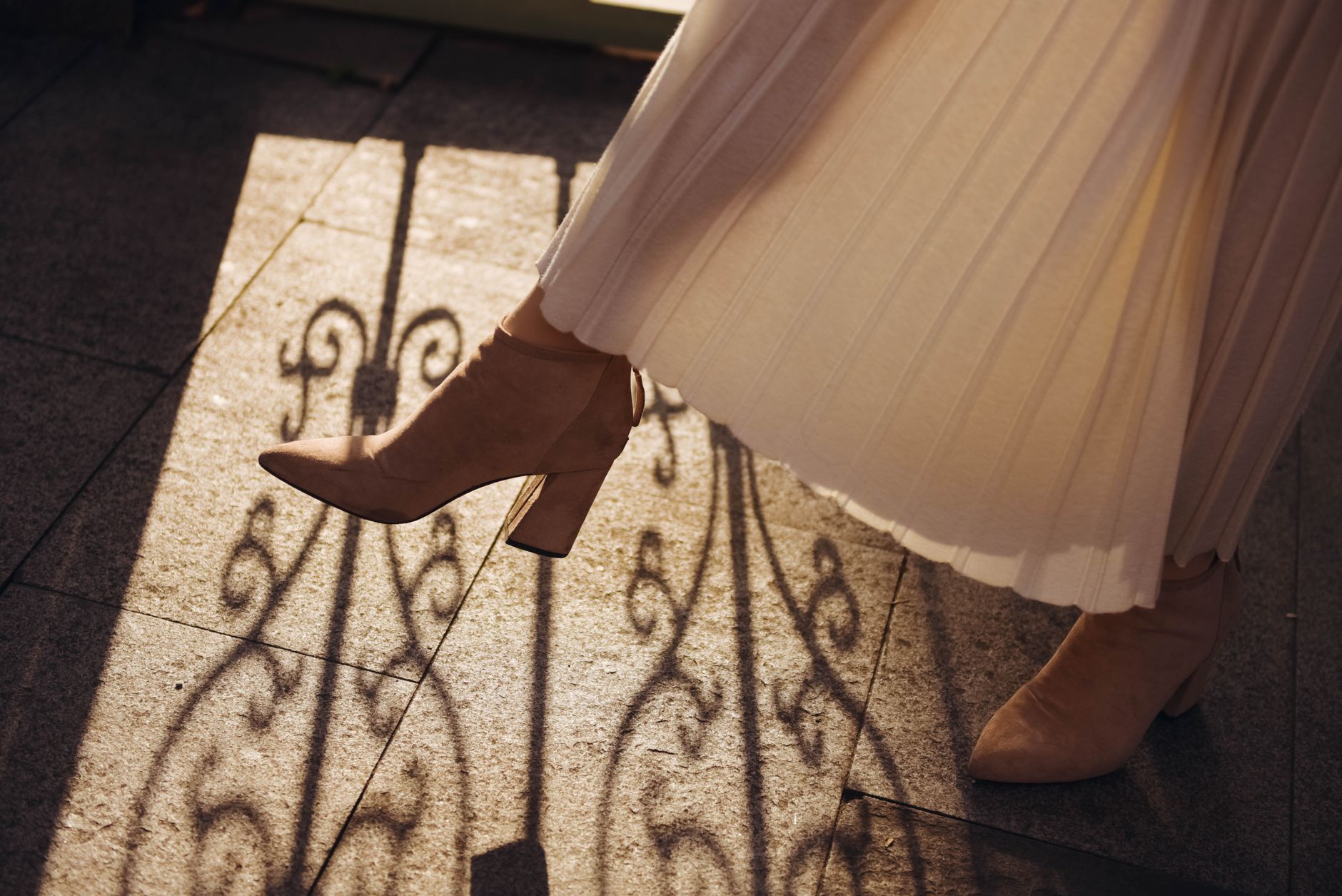
The structured midi pleat has dominated tailored wardrobes for long enough that its limitations are now visible. The silhouette is controlled, yes – but control without movement reads stiff, and stiff reads dated faster than almost anything else in tailoring. A box pleat or knife pleat running from hip to hem creates clean vertical lines, but it also locks the skirt into a single visual register. There is nowhere for the eye to travel, no moment of surprise.
Cantle venting solves this by introducing a functional break at the back seam. Rather than a decorative slit that merely suggests movement, the cantle-style vent is constructed with an inward fold and a reinforced edge, giving it structure of its own. When the wearer moves, the vent opens with a geometry that contrasts the pleats in front – the pleats compress and release in parallel lines, while the vent at the back opens in a single clean triangle. Two different kinds of tailored movement operating on the same skirt simultaneously.
This is not purely a visual trick. The cantle vent also changes how a structured midi behaves at the knee, which is the point where most pleated midis fail in practice. Standard pleats at midi length restrict stride unless they are cut very generously, and generous pleats can overwhelm a narrower frame. The vent at the back panel provides stride room without adding volume to the front, keeping the silhouette lean while making the skirt genuinely wearable.
It also changes the way the skirt interacts with tailored outerwear. A blazer or fitted riding-style jacket worn over a pleated midi with a cantle back vent creates a vertical line from shoulder to hem that reads as one coherent outfit rather than two separate pieces stacked together. The equestrian proportion – long torso, clean hip, released hem – is already embedded in the vent’s construction history. Pairing it with structured suiting simply makes that lineage explicit.
The Fabrication Difference
Getting a cantle vent right in a non-equestrian context requires more precision than a standard back vent. The original polo club version was cut in heavy wool suiting or cavalry twill – fabrics with enough body to hold the inward fold without pressing. When the same construction moves into lighter fabrics like crepe, duchess satin, or ponte, the inner fold has to be interfaced or the vent loses its geometry the moment it is worn for more than an hour.
A growing number of smaller tailoring houses are approaching this by treating the vent as a structural element rather than a finishing detail – interfacing not just the fold but the entire back panel, sometimes reinforcing the vent opening with a narrow binding in contrast fabric. That contrast binding, barely visible in wear, is itself borrowed from polo dress: the binding on a cantle vent was traditionally done in bridle leather or grosgrain, materials chosen for durability rather than decoration. Translating that into a fashion context with grosgrain ribbon or a tone-on-tone satin binding keeps the structural intent intact while pushing the detail into something that reads as intentional design.
Styling the Split Against the Pleat
The tension between the cantle vent and the pleated front panel is the detail that makes this construction worth understanding as a styling problem. Worn with a tucked shirt and nothing else, the contrast is subtle – the pleats do their job in front, and the vent is invisible until movement reveals it. That restraint suits office dressing, boardroom dressing, any context where the visual information should stay controlled.
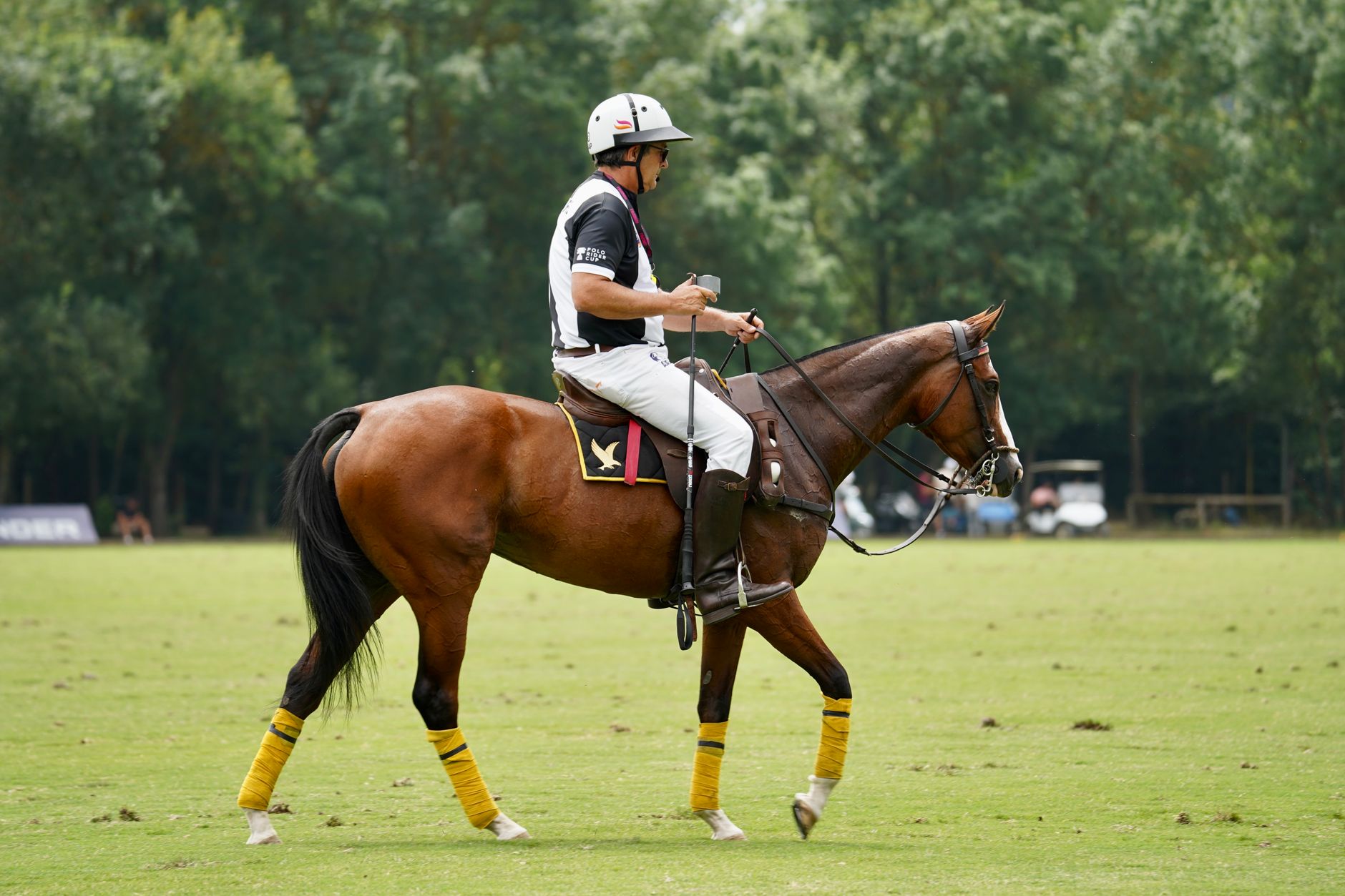
The styling shift happens when the back vent is treated as the intentional focal point rather than the hidden one. A cropped jacket that ends at the hip and leaves the full back panel visible changes the equation entirely. The vent becomes the statement. This is where the equestrian lineage becomes most legible – the outline reads polo club without requiring any literal horse imagery, and that specific kind of old-money athleticism is exactly the register a lot of tailored dressing is working toward right now.

Footwear choices either sharpen or soften the equestrian read. A riding boot, even a low-heeled or chelsea version, pulls the entire look into explicit polo territory. A pointed-toe pump or a flat loafer keeps the silhouette in tailored territory while letting the vent register as a construction detail rather than a costume reference. The distinction matters because the cantle vent’s current relevance is built on specificity – this is not a general equestrian trend but a precise tailoring detail that works because it solves a real structural problem, and styling that underscores the solution rather than the reference keeps it from tipping into theme dressing.
The real question for the wider tailoring market is whether this construction can survive mass production. The cantle vent’s effectiveness depends on a level of interfacing and finish that adds time and cost to the cut. Scaled up and simplified, it risks becoming an ordinary back slit with some extra stitching – functional enough, but stripped of the structural logic that makes it interesting in the first place.