

When Equestrian Engineering Meets Minimalist Design
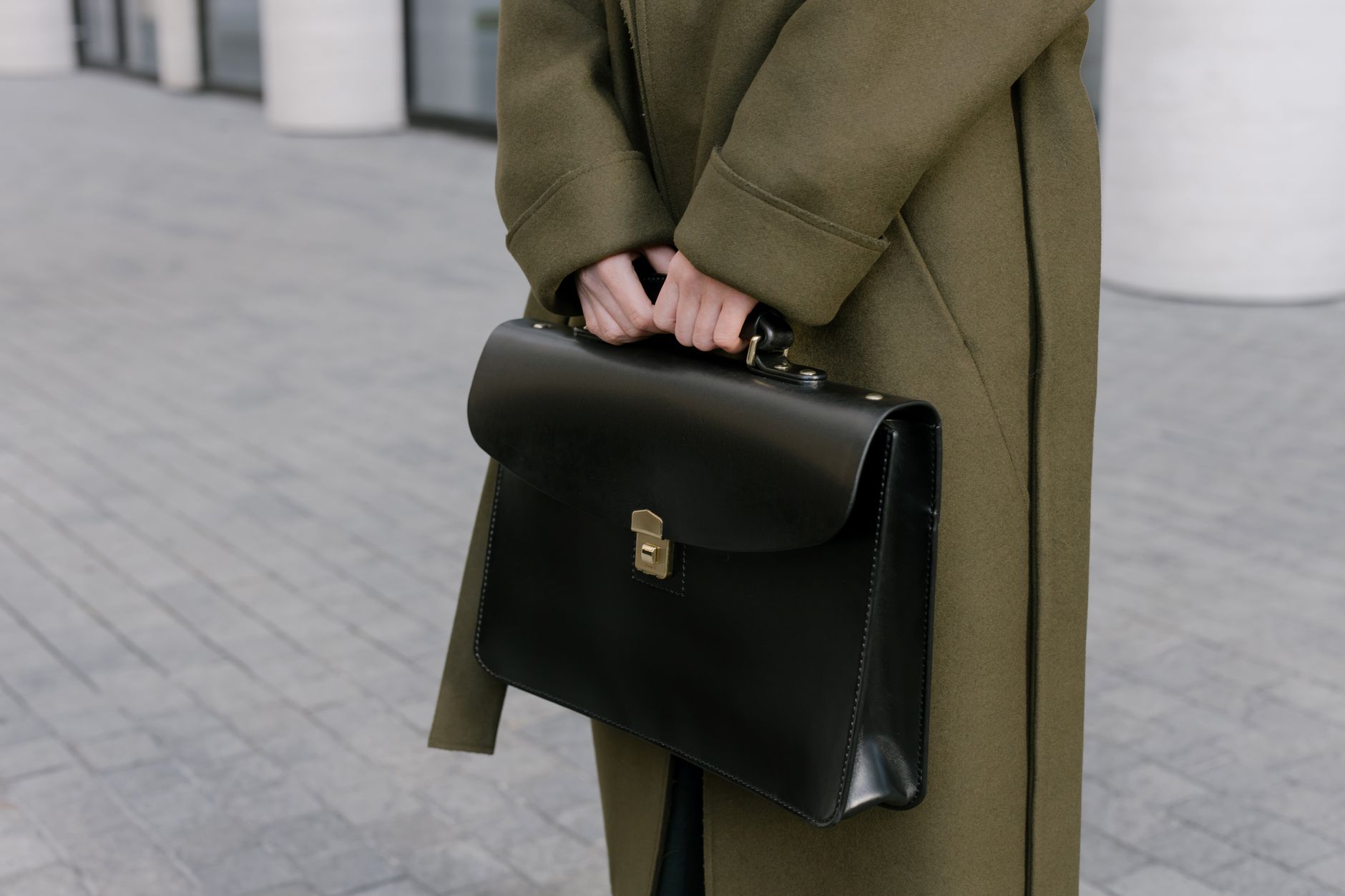
The saddle gullet channel – the rigid spine running beneath a polo saddle that distributes a rider’s weight while protecting the horse’s back – has spent centuries doing its job in silence. Now, a growing number of bag architects are borrowing its structural logic and applying it to something far smaller: the spines of minimalist leather bags.
The Anatomy Behind the Trend
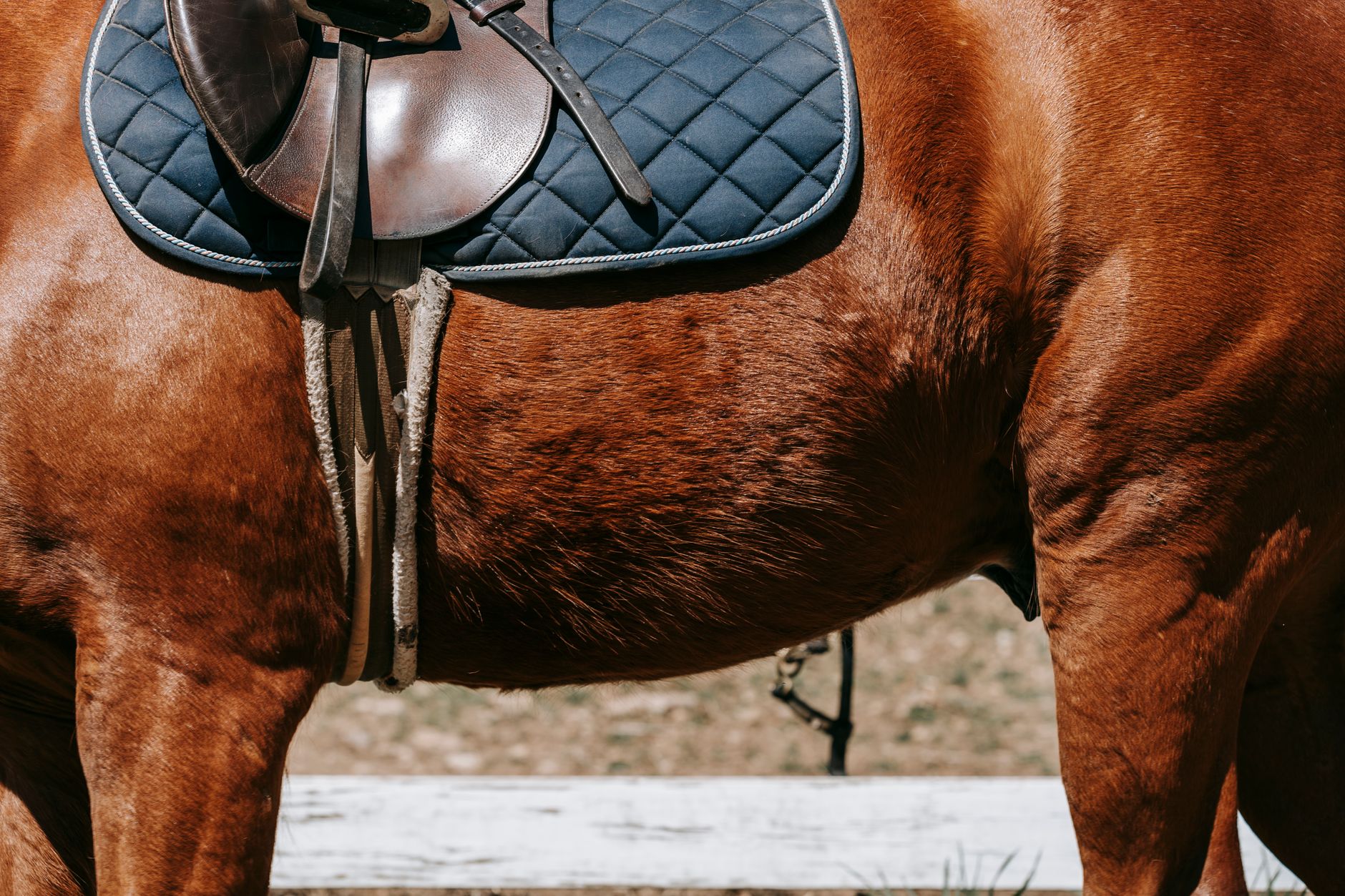
A traditional polo saddle gullet is built around one governing principle – it must hold its shape under pressure without collapsing inward. The channel is typically formed from reinforced leather layered over a rigid tree, creating a hollow spine that bears load while remaining breathable and pliable along its edges. It is not decorative. It exists entirely to perform. That functional purity is exactly what is drawing designers who have spent years fighting the war against bag sag.
Minimalist bags – the kind that rely on clean lines, flat faces, and a deliberate absence of hardware – have always had a structural problem. Without visible zippers, buckles, or frame hardware doing the work of keeping form intact, the bag depends entirely on the quality of its internal architecture. A well-cut exterior means nothing if the spine buckles the first time you load it with a laptop and a water bottle. This is the gap that saddle gullet logic fills so neatly.
The specific borrowing happening right now involves replicating the channel geometry: a hollow, reinforced corridor running along the bag’s spine, often constructed from vegetable-tanned leather bonded over a lightweight composite core. The channel does not add visible bulk. It reads, from the outside, as a clean seam or an intentional crease. What it actually provides is an internal load-bearing column that keeps the bag’s walls from folding toward each other when weight is applied.
Some leatherworkers constructing bags in this style are also incorporating the gullet’s ventilation logic – leaving the channel slightly open at either end to prevent moisture buildup inside thick leather panels. It is a detail borrowed entirely from equestrian function, where saddle fit against a horse’s back depends on airflow as much as pressure distribution. Translated into a bag, it means the spine stays drier and more structurally stable over years of daily use, rather than softening from trapped humidity.
Why Minimalism Needs This Kind of Structure Now
The appeal of the minimal aesthetic has never been about frailness – but a certain generation of minimal bags built in the mid-2010s earned a reputation for exactly that. Soft-sided totes and envelope clutches with no internal support became synonymous with bags that looked beautiful on a shelf and looked tired after three months of actual carrying. Consumers who paid serious money for those pieces have become skeptical, and that skepticism is driving demand for bags that can actually hold their silhouette under the weight of a real life.
The saddle gullet channel answers that demand without compromising the visual language of minimalism. Because the structure is entirely internal, the exterior face of the bag remains unbroken. There are no visible rivets, no external frame lines, no hardware that reads as industrial or tactical. The bag still looks like a quiet, refined object. It just no longer collapses like one.
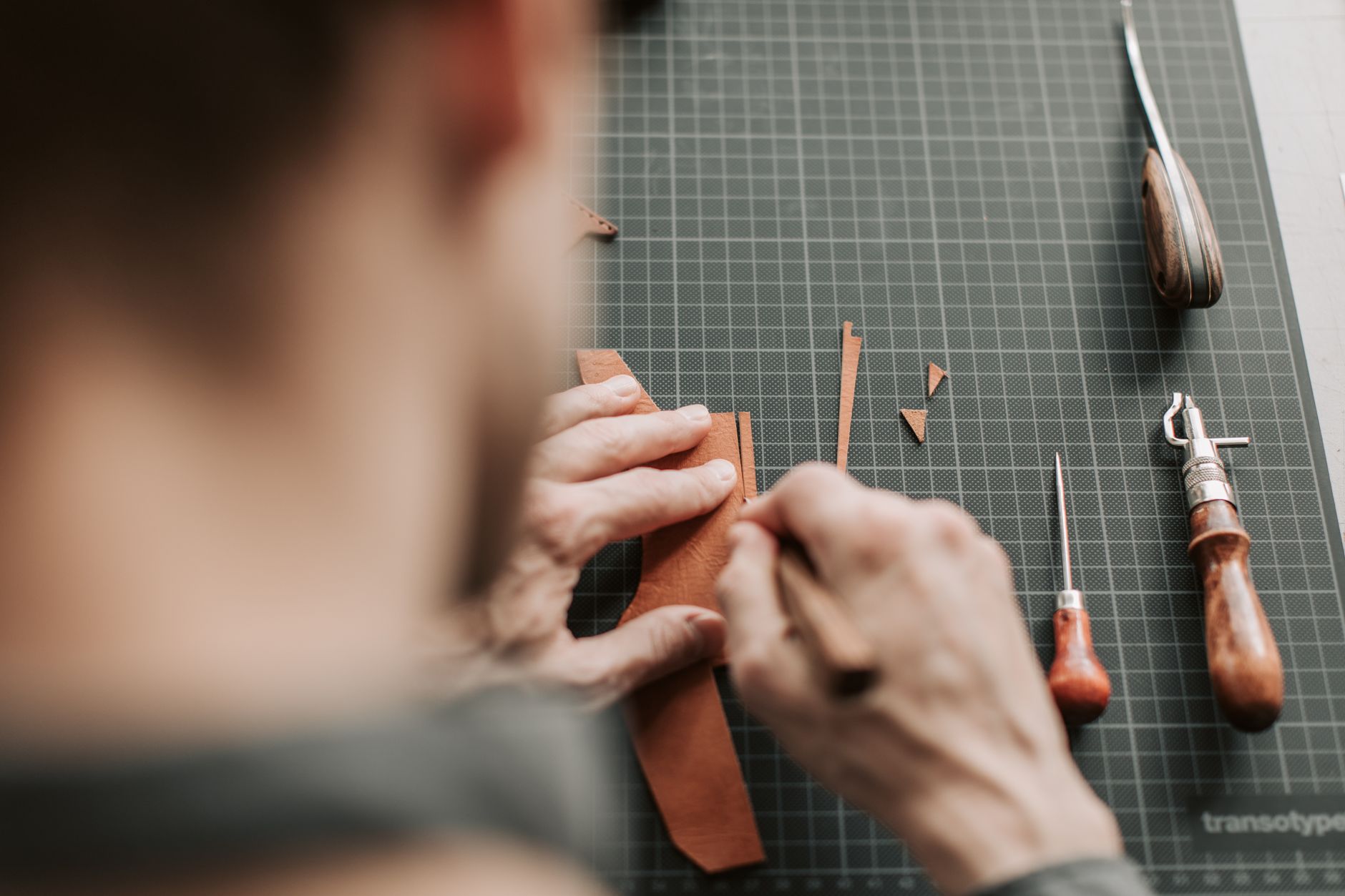
There is also a craft argument being made here. Leatherworkers who train in equestrian saddlery spend years learning how to build structures that bear weight, flex under movement, and recover their shape over decades of hard use. That knowledge base – which sits almost entirely outside the mainstream fashion industry’s training pipeline – is now finding its way into small-batch bag production through makers who crossed over from saddle-making or trained directly under saddlers. The bags that result carry a different kind of quality signal than those built from standard pattern-cutting techniques alone.
This matters to a specific buyer: the person who has grown tired of the fashion industry’s version of “investment dressing,” where a high price tag does not guarantee structural longevity. A bag built with saddlery-grade internal architecture will not age the same way as one built to a seasonal production schedule. The gullet channel, in particular, is a structure designed to outlast the saddle it supports – horses are ridden hard, and the gullet must hold through that. Scaled to a bag, the same engineering means the spine survives years of daily commuting without losing its posture.
For those already drawn to equestrian hardware crossovers – the kind of detailing explored in polo club rein stops finding their way into minimalist ring hardware – the saddle gullet channel represents the same instinct applied to function rather than decoration. It is equestrian knowledge operating below the surface, invisible until you understand what you are holding.
The Silhouette Question
What the gullet channel ultimately produces – structurally and visually – is a bag with a spine that reads as deliberate. The back panel of a well-constructed channel bag does not bow outward when carried against the body or slump inward when set down. It holds a consistent geometry that photographs cleanly and wears cleanly, which matters in a market where the bag you carry is expected to read as intentional from every angle.
The tension the trend leaves unresolved is one of accessibility. Saddle-channel construction is slow. The hollow spine requires careful layering, precise bonding, and a level of interior finishing that adds hours to the build time of a single bag. As demand for this structural language grows, the question is whether it can scale beyond small-batch makers without losing the engineering integrity that makes it worth doing in the first place.