

The Spur Strap Gets a Second Life
The polo spur strap – a narrow band of leather buckled around the ankle to secure a rider’s spur – has spent most of its existence doing exactly one job on the equestrian circuit. Functional, unadorned, and built for the saddle, it was never supposed to be fashion. And yet, a growing number of footwear designers and accessories labels are lifting this very silhouette off the stable floor and applying it to everything from leather mules to minimalist sandals to clean white sneakers.
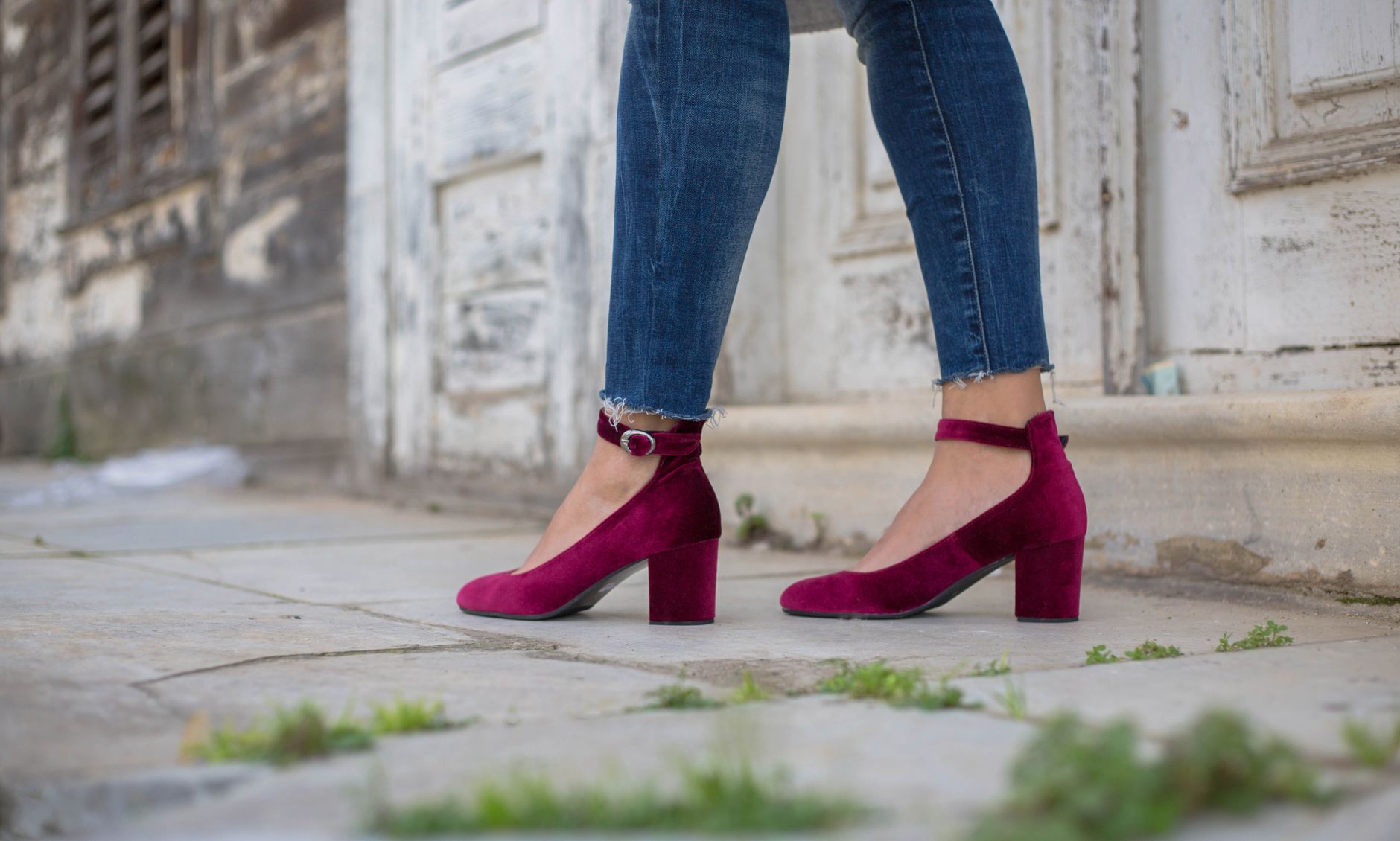
The appeal is specific. The spur strap sits low on the ankle, draws a thin horizontal line across the foot, and closes with a small, deliberate buckle – usually centered or slightly offset. That geometry happens to work beautifully in the current minimalist moment, where a single hardware detail carries more weight than a full pattern. It is not decorative for decoration’s sake. It earns its place.
What Makes the Silhouette Work
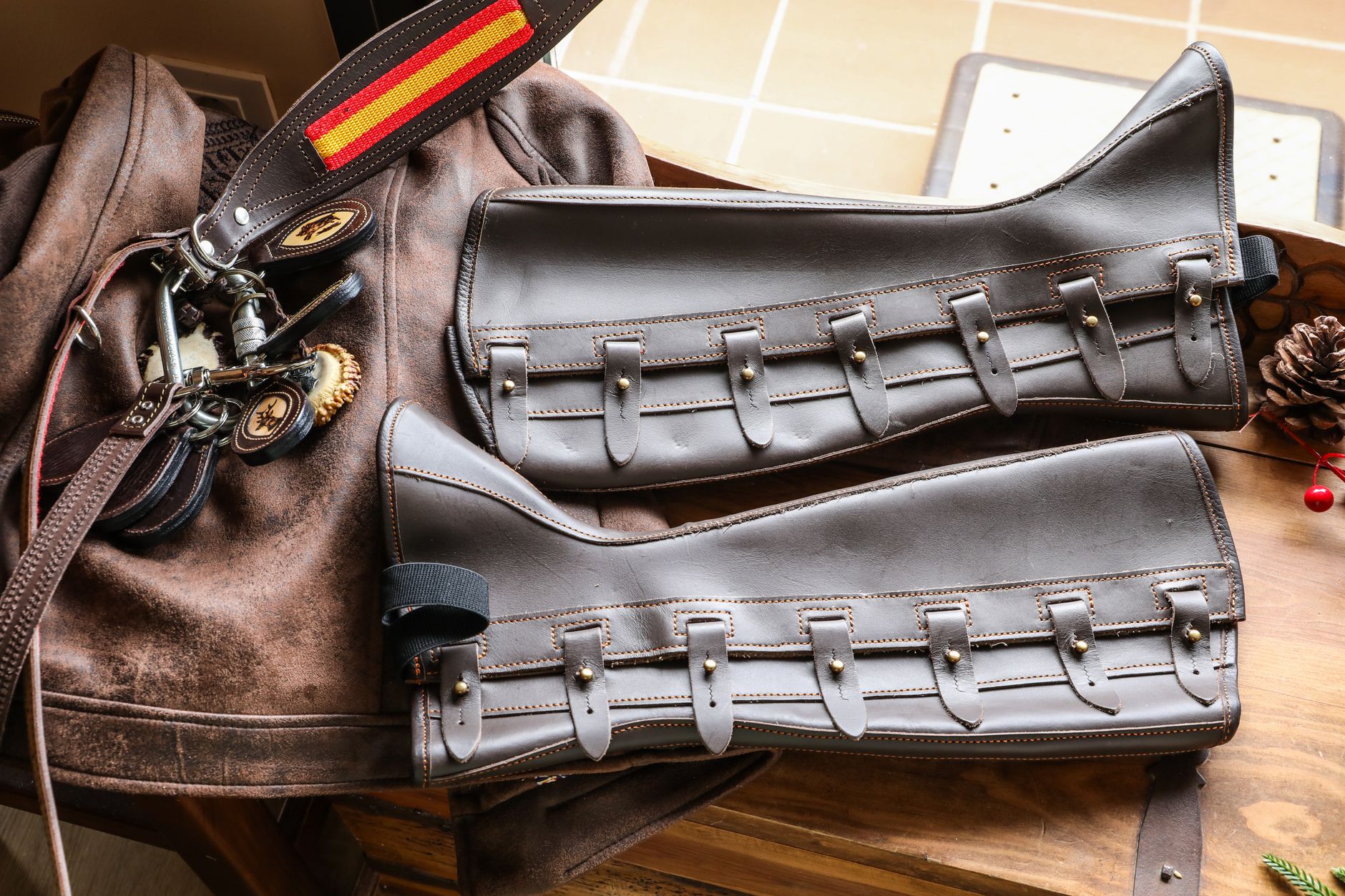
The original polo spur strap is almost always made from bridle leather – stiff, smooth, and cut to a consistent width of roughly half an inch to three-quarters of an inch. That uniformity is the key. Unlike ankle straps on traditional heeled sandals, which tend to be proportionally heavier or embellished, the spur strap reads as architectural. It frames the ankle joint without competing with the shoe beneath it.
Designers working with the silhouette are largely preserving that restraint. The buckles appearing on current interpretations lean toward raw brass, aged silver, or blackened steel – nothing lacquered or oversized. Some versions add a second, thinner keeper strap running parallel, mimicking the layered leather construction riders use for durability. On a flat mule or a low boot, that doubled line creates a subtle visual rhythm that stops short of fussiness.
The strap’s placement also does real styling work. Positioned at the narrowest point of the ankle, it creates the optical illusion of length in the leg – a trick normally associated with pointed toes or nude shoes. The spur strap achieves the same result through proportion rather than color-matching, which means it holds up across a wider range of footwear and skin tones.
Where It’s Showing Up
The clearest sightings are on minimalist leather sandals, where a single spur-style strap replaces the more common gladiator cage or the delicate ankle tie. The shift is meaningful because a buckled strap reads as more deliberate than a tie – it suggests structure and intentionality rather than ease. That tonal difference matters in how an outfit lands, even when the shoe itself is simple.
Low ankle boots are the second obvious vehicle. A spur strap applied just above the boot opening adds detail to a silhouette that can otherwise read as flat when worn with cropped trousers or wide-leg denim. The hardware catches light without requiring embroidery, cutouts, or a contrasting panel. For brands operating in the quiet luxury register, this is a welcome solution – a way to signal craft without loudness.
The Minimalist Logic Behind the Trend
There is a clear reason this particular equestrian reference is gaining traction now rather than, say, the more theatrical elements of polo dress – the boot spur itself, the tall field boot, the embroidered knee guard. The spur strap is the smallest, most reducible piece. It strips the equestrian aesthetic down to a single line and a single piece of hardware, which is exactly what minimalist dressing asks of any ornament it allows in.
Fashion’s ongoing negotiation between sport utility and luxury tailoring keeps finding new source material in specialist equipment, and equestrian gear has long been a reliable well. Polo club browband plaits have already made their way into sculptural hair jewellery, which shows that the sport’s visual vocabulary is being read closely and translated piece by piece, not as a wholesale aesthetic lift. The spur strap follows the same logic: isolated, refined, and repositioned for a different context.
The strap also solves a practical friction point in minimalist footwear. Completely plain shoes – no buckle, no seam, no textural variation – can read as underworked or costless when photographed or seen at close range. A spur strap resolves that without overcrowding the silhouette. It gives the eye somewhere to settle. Designers working with slim leather goods understand this dynamic: a single, well-placed detail signals more about construction quality than a busier surface ever could.
What remains unresolved is whether the spur strap’s appeal depends on its unfamiliarity. Part of what makes it feel considered right now is that it has not yet been reproduced at mass-market volume. Once the buckle-at-ankle silhouette saturates fast fashion lines – and it will, if the current trajectory holds – the restraint that makes it work becomes just another template. The designers who move quickly enough to define the detail before it gets flattened into a trend cycle will get the credit. The ones who arrive second will be selling something that already looks like it has a name.