

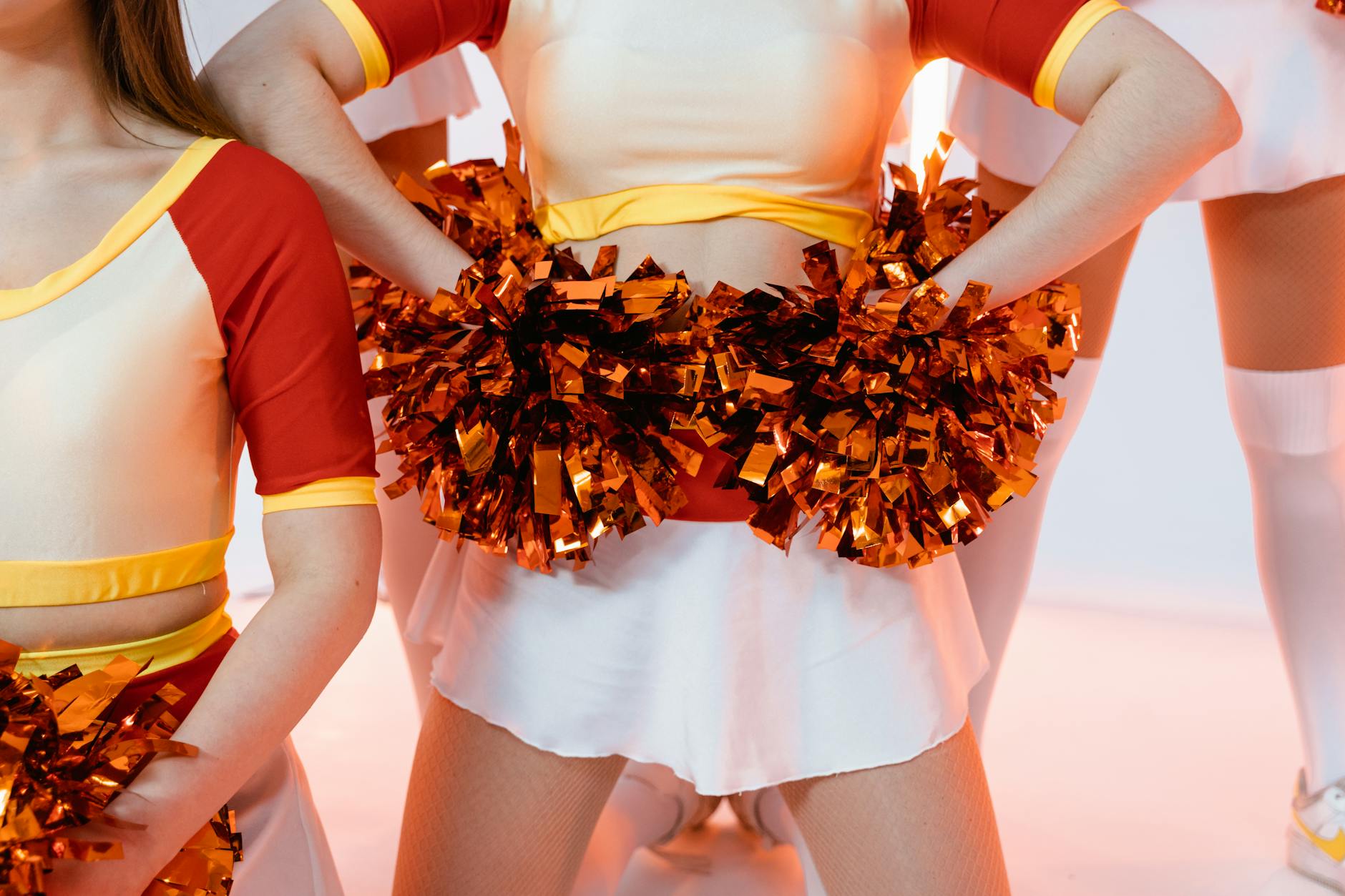
Cheerleading uniforms have always carried a distinct visual language – structured bodices, pleated skirts, bold lettering, and a palette built around school colors. What’s changed is where that language is showing up: not on sidelines, but on city streets, in coffee shops, and scrolling endlessly across social media feeds.
From the Sideline to the Style Cycle
The cheer aesthetic didn’t arrive in fashion without warning. Sporty silhouettes have been cycling through runway collections and fast fashion alike for years, with athletic references pulling from tennis, cycling, and swimming. Cheerleading is simply the latest sport to get the full cultural reappraisal treatment – and it’s proving to have more staying power than a single-season trend.
The core elements driving the look are easy to identify. Cropped shell tops with contrast trim, V-neck bodices in heavyweight jersey, and high-pleated micro-skirts are appearing in collections that have no formal connection to sport. The silhouette is structured but playful, and it photographs exceptionally well – a quality that counts for a great deal in how trends accelerate now.
Color blocking is central to the appeal. Traditional cheer uniforms rely on two or three high-contrast colors arranged in bold graphic bands, and that exact formula translates directly to a street style aesthetic that has been building momentum since the broader Y2K revival began pulling early 2000s references back into conversation. The visual shorthand is immediately legible – and that legibility is part of what makes it attractive to wear outside its original context.
Fabric choice has also shifted the wearability equation. Contemporary designers interpreting the look are swapping out performance polyester for cotton-blend jerseys, ribbed knits, and even satin finishes that feel less like activewear and more like considered dressing. That material upgrade is what allows a pleated cheer-style skirt to work at dinner in a way that a standard athletic skort simply would not.
How the Aesthetic Is Being Worn Now
The most common street-ready interpretation keeps the cheer silhouette intact but strips away the team-specific iconography. A solid-color pleated skirt in navy or burgundy, worn with a cropped rib-knit top in white and finished with chunky white sneakers, reads as fashion-forward rather than costume. The cheer DNA is present in the proportions and palette, but nothing about it signals Halloween or spirit week.
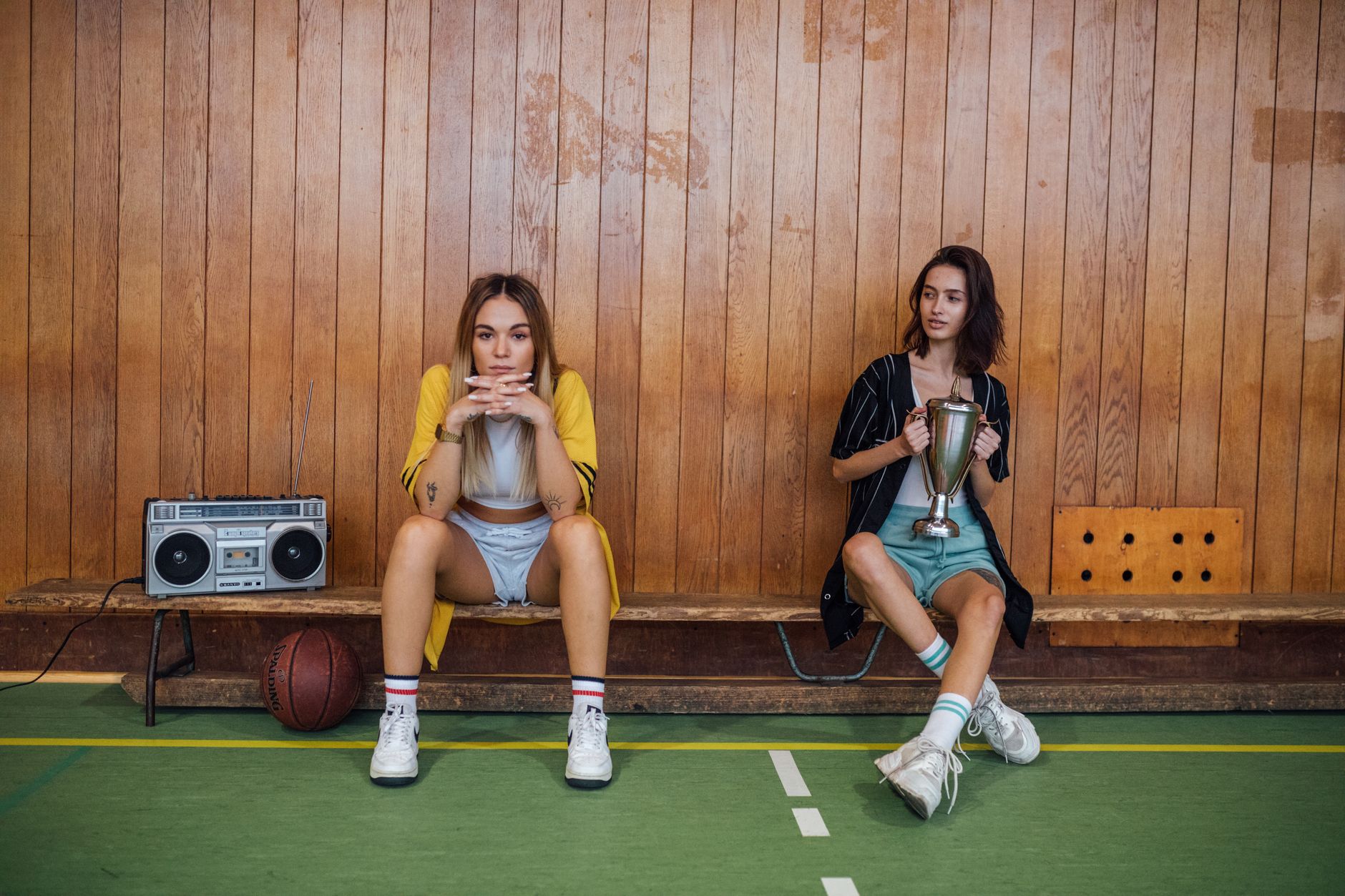
Layering has opened up the trend considerably. Wearing a cheer-style shell top under an oversized varsity bomber or a cropped crewneck sweatshirt creates an outfit that draws on athletic heritage without committing fully to any one sport’s visual code. The result sits comfortably alongside the broader court-dressing movement that has been migrating athletic silhouettes into everyday wardrobes for several seasons running.
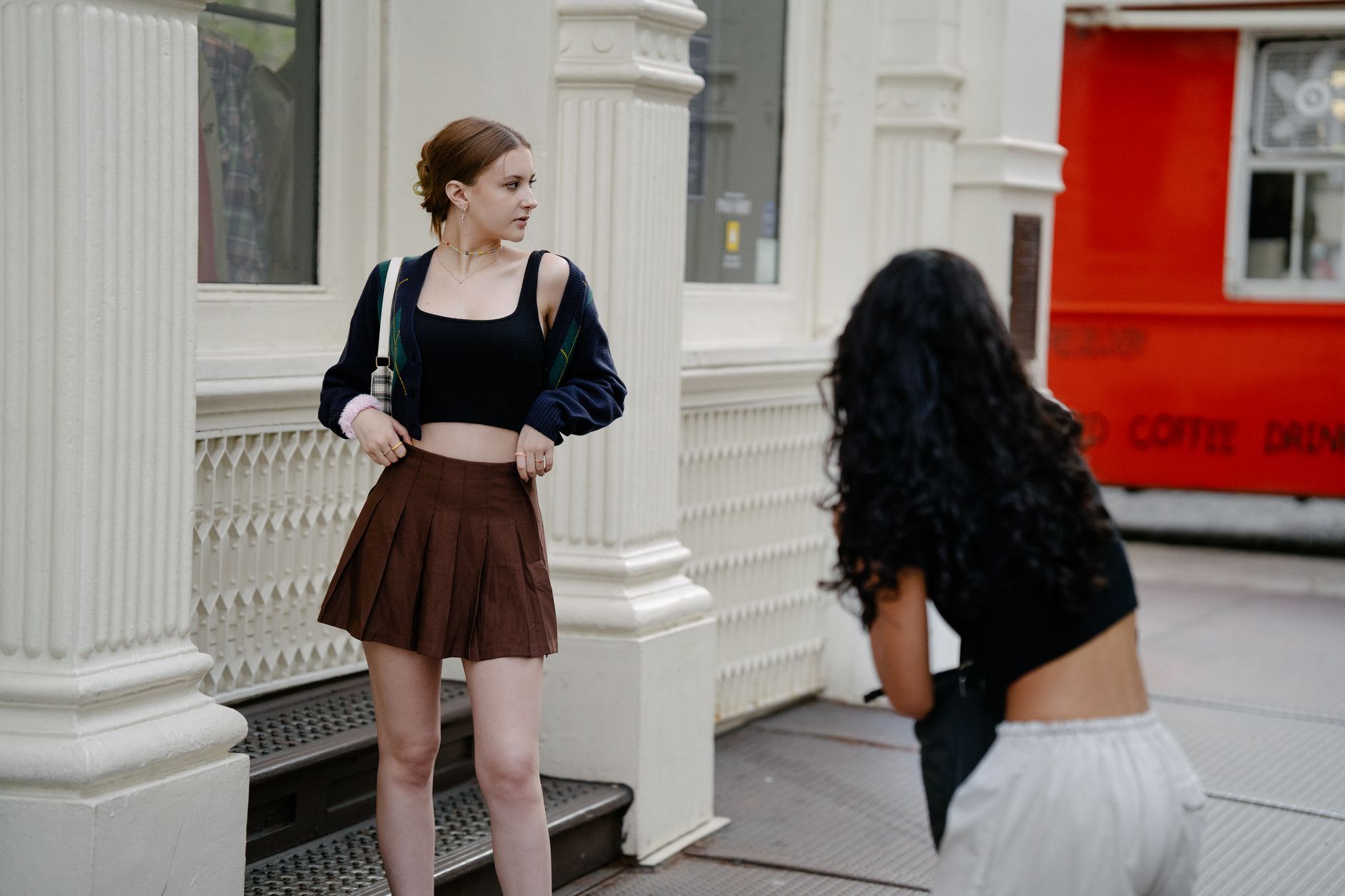
Accessories are doing significant work in legitimizing the look. White ankle socks worn with platform loafers or Mary Janes bring a feminine, slightly retro finish to cheer-adjacent outfits. Hair ribbons – wide, grosgrain, tied in an oversized bow – have been appearing consistently in street style photography in New York, London, and Seoul, functioning as a single cheer-coded accent that anchors an otherwise conventional outfit to the trend without going all-in on the aesthetic.
The men’s fashion adjacent to this trend is taking a slightly different shape. Rather than adopting skirts or shell tops directly, male dressers are pulling from the cheer-adjacent prep universe – lettered varsity-style tees in heavyweight cotton, color-blocked shorts in team-color combinations, and oversized crewnecks that reference athletic typography. The connection is oblique but genuine, drawing from the same visual well without mirroring the womenswear interpretation directly.
What keeps this from tipping into novelty is restraint. The wearers making it work are generally choosing one cheer-coded piece per outfit – the skirt, the crop top, the hair ribbon – and building the rest of the look in neutral or complementary tones that let the statement piece read clearly. Stacking too many references at once collapses the effect into something theatrical rather than considered.
Where the Trend Has Room to Go
Several contemporary brands are experimenting with cheer-specific details on pieces that would not traditionally carry them – adding contrast piping to tailored shorts, using block-letter embroidery on sweatshirts, cutting bodysuits with the deep V-neck geometry of a cheer shell. These details function as quiet signals for people who recognize the reference and as simply good design for those who don’t, which is the exact quality that allows a trend to broaden beyond its initial audience.
The more interesting question is whether the trend holds once autumn collections push harder into it. Cheer aesthetics work partly because they still carry a degree of novelty – the moment they appear on every high street rack simultaneously, the original appeal fades. For now, the look sits in a productive middle ground: recognizable enough to read as intentional, rare enough that wearing it still signals something deliberate about the wearer’s relationship to sportswear history and current fashion. How long that window stays open is less certain than the fact that it is, right now, very much open.
Frequently Asked Questions
How do you style a cheer-inspired outfit for everyday wear?
Keep it to one cheer-coded piece – a pleated skirt or cropped shell top – and build the rest of the outfit in neutrals to avoid a costume effect.
What makes the cheerleading aesthetic work as casualwear?
Updated fabric choices like cotton-blend jersey and ribbed knit, combined with restrained styling, lift the silhouette out of athletic territory and into considered everyday dressing.