

When Equestrian Sport Becomes Bag Hardware
The polo whip handle – traditionally a grip of wrapped leather, polished wood, or braided cord designed to flick signals to a horse mid-gallop – has no obvious business appearing on the clasp of a structured evening bag. And yet, that is exactly where designers are placing it. The silhouette is unmistakable: a tapered cylindrical form, slightly curved, often finished in burnished brass or oxidized silver, sitting where a conventional push-lock or turn-clasp would normally live.
This is not a polo logo printed on a canvas tote or a horseshoe motif stamped into leather lining. The whip handle is being used as the hardware itself – a functional architectural element that opens, closes, and defines the shape of the bag. The equestrian reference is built into the mechanics, not the branding.
Where the Reference Actually Comes From
Polo whips – called mallets by some, though technically distinct – have a handle anatomy that lends itself surprisingly well to hardware design. The grip section is typically 4 to 6 inches of tightly wound leather or rubber over a rigid core, finished with a flared pommel cap at the top. That pommel cap, when rendered in metal and scaled down to bag proportions, functions as a push-release mechanism. Press the cap, rotate it, and the clasp disengages. The engineering logic was already there in the sport.
Polo clubs have long maintained an aesthetic that fashion circles find irresistible: monied restraint, technical precision, materials that age well. The sport’s visual language – white breeches, padded boots, helmets with chin guards – has filtered into ready-to-wear for decades. What is new is the migration of the equipment itself, specifically its hardware geometry, into accessory design. A growing number of independent bag makers and emerging accessories labels are sourcing or commissioning custom hardware that directly references whip handle construction, down to the winding pattern on the grip.
The trend sits adjacent to the broader physio-chic bracelet movement pulling from polo pony bandaging tape, where the sport’s utilitarian materials are being reframed as fashion objects. The whip handle hardware follows a similar logic: take something made for function under pressure, strip it of its original context, and let the form speak on its own terms.

The Sculptural Argument
Bag hardware has always been a design conversation about tension – between decoration and utility, between the precious and the industrial. The whip handle handle enters that conversation with a very specific vocabulary. It is elongated where most clasps are compact. It is tactile in a way that flat push-locks are not. When you reach for a bag with this kind of hardware, your hand wraps around a form that was engineered for grip, and that grip reads differently than pressing a button or sliding a bar.
That tactile dimension is part of what makes the handle sculptural rather than merely decorative. Sculpture, in the functional design sense, is about form that rewards physical engagement – something that changes meaning as you move around it or touch it. A standard bag clasp is an instruction: press here. A whip handle reinterpreted in hardware is a question about what your hand is doing and why.
The color palette running through pieces using this hardware skews heavily toward materials that oxidize or develop patina: raw brass, bronze, blackened steel, occasionally horn or dense resin. These are finishes that look more interesting after six months of use than they did new, which aligns with how polo equipment itself ages. A well-used whip handle darkens at the grip from the oils in a rider’s glove. The same patina logic applied to bag hardware gives a piece an argument for longevity that polished chrome or plated gold simply cannot make.
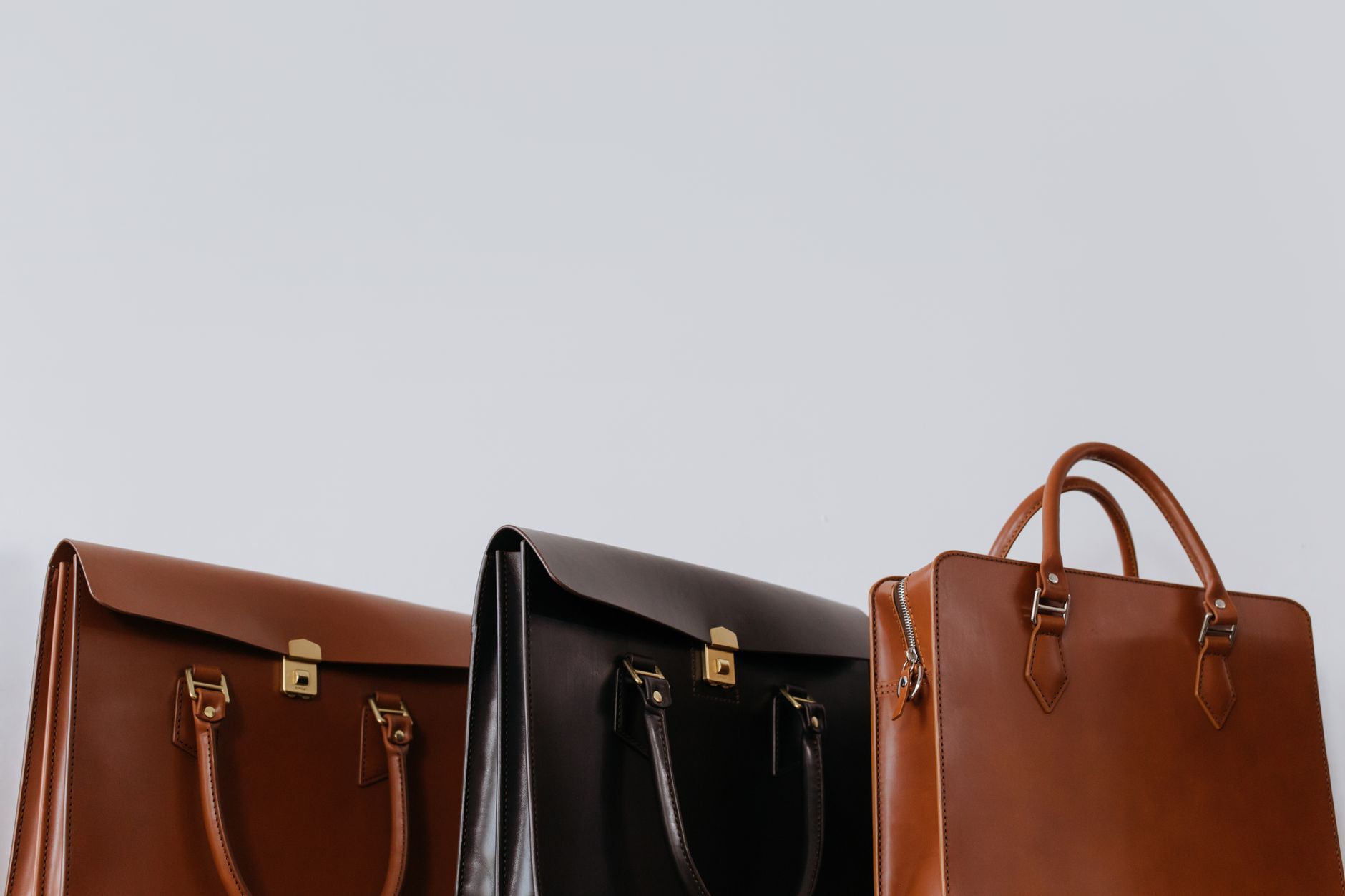
Structured bags – the kind with rigid frames and deliberate silhouettes – are the natural home for this hardware. A slouchy hobo or a soft pouch would undercut the severity the whip handle suggests. The bags appearing with this hardware tend toward the boxy and the architectural: top-handle frames, doctor bags, small trunks with corner reinforcement. The hardware is not a contrast to the structure; it extends it. The whole object reads as a single design decision rather than a body with accessories attached.

Why Hardware Becomes the Story
Accessory designers have been quietly shifting emphasis from surface decoration to hardware detail for several seasons. Embroidery, logo repeat patterns, and novelty prints are harder to own in a market where fast production can duplicate them within weeks. Hardware, particularly custom-cast hardware with a specific reference point, is more difficult to copy cheaply and more distinctive at a glance from across a room.
The whip handle, specifically, has the advantage of being obscure enough that it reads as knowledge rather than logo. Someone who recognizes the reference understands something about polo club culture, about the geometry of equestrian equipment, about why that particular form was ever designed at all. Someone who does not recognize the reference still sees a beautifully weighted, unusual clasp that functions with a satisfying click. The object works on both levels simultaneously.
The question that remains unresolved is whether the trend scales without losing what makes it interesting. Custom hardware casting is expensive and slow. The whip handle’s appeal is partly that it carries an implicit exclusivity – not a branded exclusivity, but a manufacturing one. If the form gets widely reproduced in cheaper zinc alloy at volume, the patina logic collapses, the tactile argument weakens, and what is left is just a cylindrical clasp that vaguely resembles something from a tack room.
Frequently Asked Questions
What is polo whip handle bag hardware?
It refers to bag clasps and closures designed to mimic the cylindrical, tapered grip of a polo whip handle, often cast in brass or bronze and used as a functional sculptural element.
What types of bags feature this hardware trend?
Structured styles – top-handle frames, doctor bags, and small trunks – are the most common carriers, since the hardware’s architectural quality suits rigid, deliberate silhouettes.