

When Outdoor Gear Crosses Into Footwear
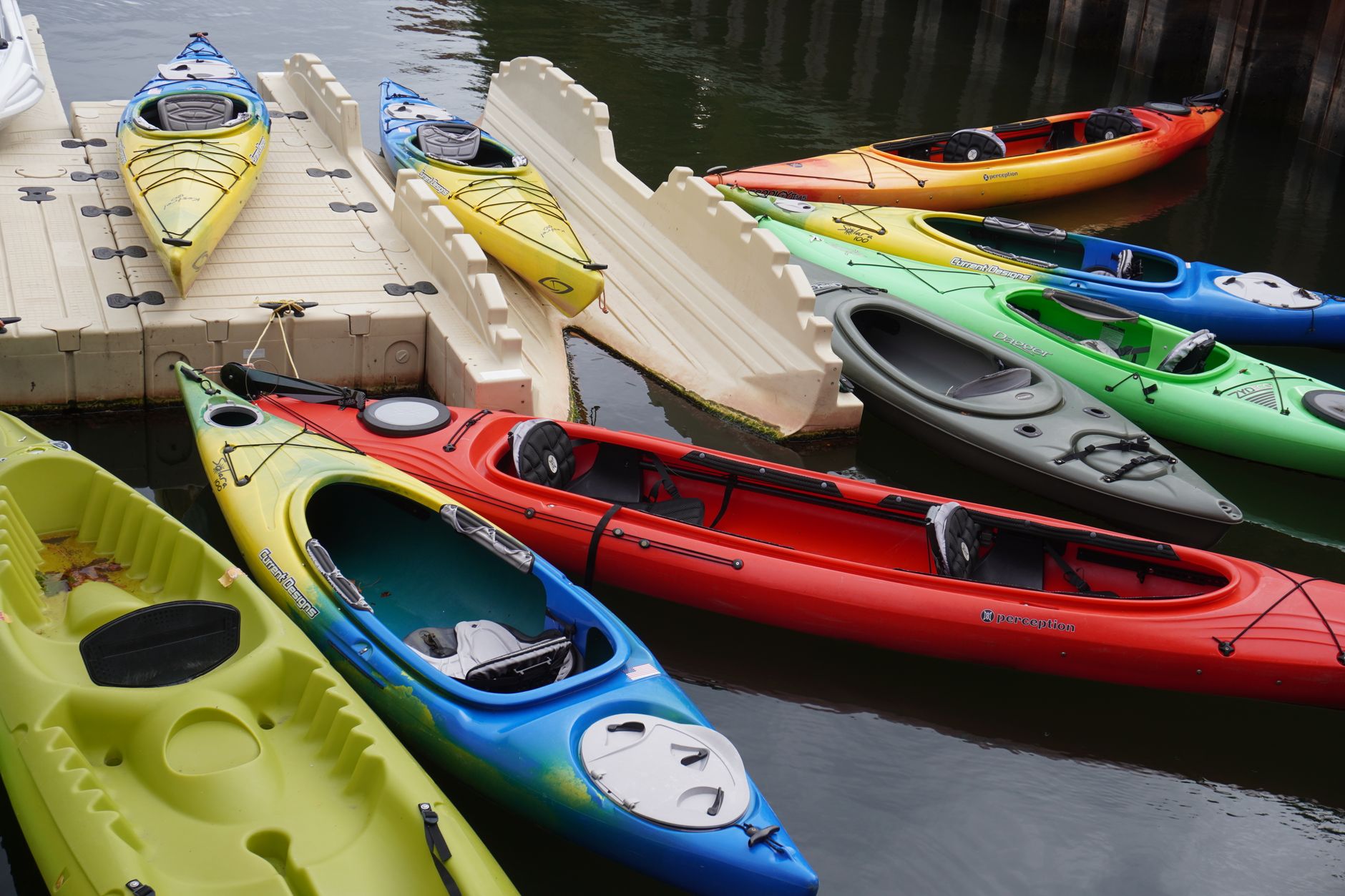
Flat water kayaking is a sport built on precision and practicality. Every piece of gear on a kayak deck serves a clear function – the bungee cord systems that crisscross the hull keep equipment secured through current and wind without adding bulk or mechanical complexity. Now, that same logic is finding a new surface: the boot. Designers working at the intersection of performance wear and street footwear have started routing elastic cord through metal eyelets, wrapping it across boot vamps, and finishing it with toggle locks or barrel clips borrowed directly from paddling outfitters.
The look is stripped down and unambiguous about its origins. It doesn’t attempt to disguise the reference. A kayak deck bungee system on a boot reads exactly as what it is – a fastening solution repurposed from water sport to pavement. That directness is part of the appeal, and it marks a shift away from the softened, plausibly-deniable athletic references that have dominated outdoor-inspired footwear for the past several seasons.
The Construction Logic Behind the Trend
Standard kayak deck bungees work through a system of anchor points, elastic cord threaded in a diamond or parallel pattern, and terminal fittings that hold tension without requiring manual knotting. The cord itself is typically a braided polyester sleeve over a rubber core – weather-resistant, UV-stable, and capable of sustaining repeated stretch without losing memory. When footwear designers pull this system onto a boot, they aren’t just referencing its visual language. They’re working with a genuinely functional fastening mechanism that can replace or supplement traditional lacing altogether.
The toggle-and-barrel closure that terminates most kayak bungee rigs translates particularly well to boot design. It allows one-handed adjustment, holds firm under movement, and doesn’t require the fine motor control that standard lace-tying demands. For functional footwear – workwear boots, hiking applications, urban styles built for long days on foot – this is a meaningful ergonomic upgrade dressed in an aesthetic that looks deliberately chosen rather than compromised.
How Brands Are Interpreting the Reference
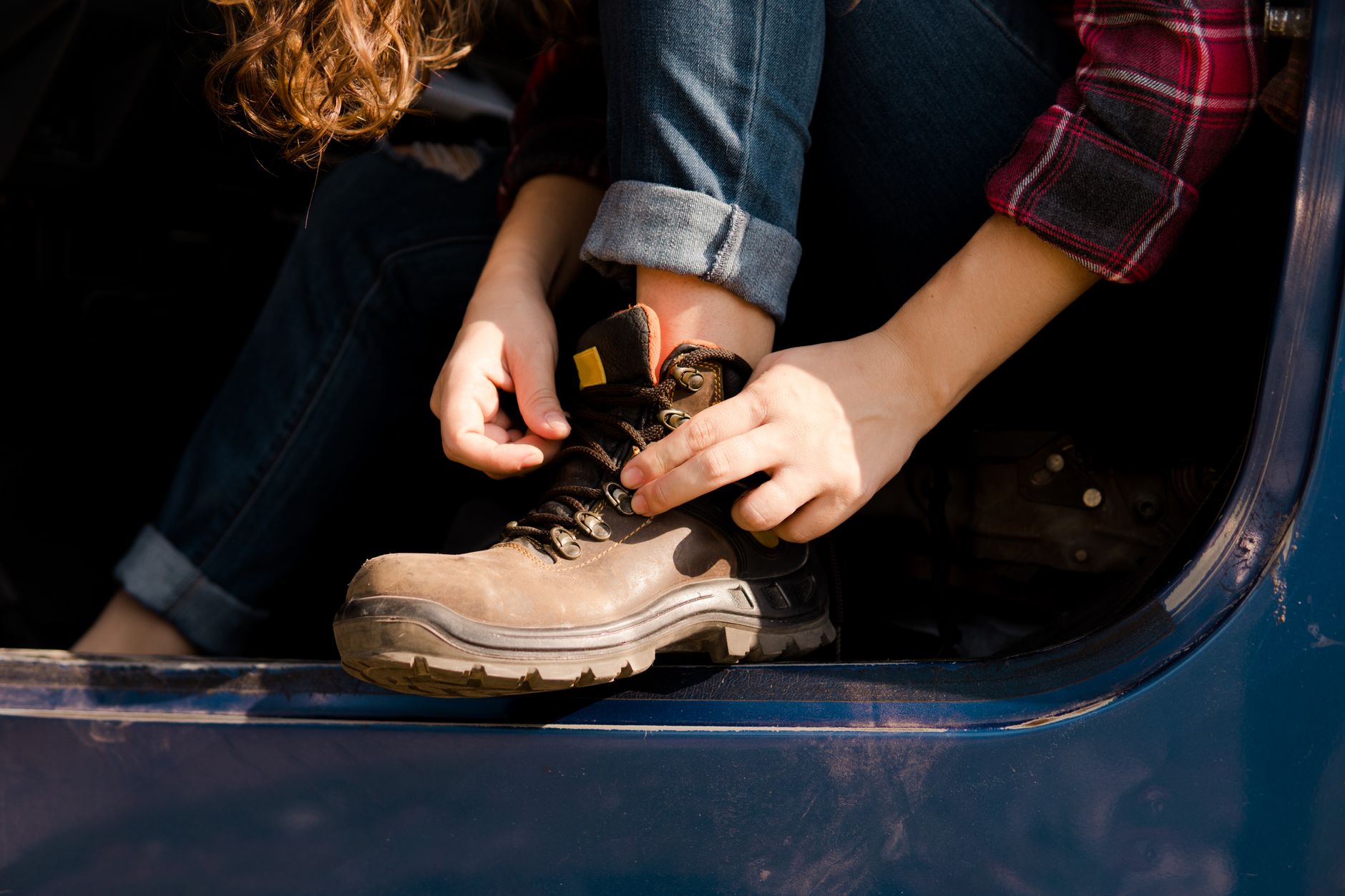
A growing number of independent footwear labels and smaller production runs are experimenting with bungee cord fastenings in ways that range from subtle to overtly technical. Some approaches integrate the cord as a secondary closure system alongside a hidden zipper or internal elastic panel, leaving the bungee visible on the boot’s exterior as a design feature. Others go further, removing traditional laces entirely and routing the cord through custom eyestay hardware that mimics the deck fittings found on touring kayaks.
The colorways follow a pattern rooted in the source material. High-visibility yellow, safety orange, and flat matte black are appearing as cord accent colors against leather and waxed canvas uppers – exactly the palette used for water sport gear where readability in low-visibility conditions matters. Against a tan or chocolate brown leather boot, a single run of orange bungee cord reads as a deliberate design line, not an afterthought.
Hardware choices are equally specific. Cord locks with spring-loaded gates, oval carabiners scaled down for footwear proportions, and stainless steel or anodized aluminum barrel fittings are all making appearances. These components have real material weight and a purposeful finish that distinguishes them from the plastic toggles that filtered through mainstream fashion in cheaper iterations. The tactility of working hardware – the click of a gate, the resistance of a properly tensioned bungee – gives these boots a sensory quality that standard lace-ups don’t offer.
This is a trend that rewards close attention to craft. The boots that execute it most convincingly treat the bungee system as structural, not decorative – meaning the cord runs are anchored to reinforced points in the upper, the hardware is rated for actual tension, and the overall build could theoretically perform the task its reference implies. The ones that don’t make that investment tend to look like costume rather than clothing.
Where the Styling Lands
Flat water kayak bungee boots are finding their clearest styling context in workwear-adjacent dressing – heavy trousers, raw denim, canvas overshirts, and technical outerwear. The utilitarian credibility of the fastening system anchors the boot in a functional register even when the surrounding outfit is considered and composed. Tucking a trouser into a boot that closes via bungee cord rather than lace introduces a detail-forward element at the ankle that rewards the kind of attention layered dressing attracts.
The trend also connects naturally to the broader pull toward water sport references in fashion. Rowing and paddle sport aesthetics have been surfacing across accessories and jewelry for several seasons, establishing a visual grammar that makes bungee fastenings on boots legible rather than random. When the reference has context, the styling becomes easier to carry.
What Makes This Hold Beyond a Single Season
Footwear trends rooted in functional hardware tend to outlast purely decorative ones because the object continues to justify itself in use. A buckle that doesn’t close properly eventually gets abandoned. A bungee fastening that actually secures the boot and adjusts in a split second gets worn again. The repeat-wear logic is built into the mechanism itself, which gives this trend more structural durability than its relatively quiet debut might suggest.
There’s also the question of who the early adopters are. The people gravitating toward bungee-fastened boots right now are coming from outdoor communities, from workwear collecting, and from the corner of streetwear that has always been drawn to purpose-built gear. These are not trend-chasing demographics. They’re audiences that buy slowly and wear consistently, which means the boots getting worn on their feet now will still be appearing in rotation two or three years from now.
The real test comes when the trend moves past its early-adopter phase into wider production. Mass market versions will almost certainly soften the hardware, swap the genuine bungee cord for a thinner elastic, and replace the functional terminal fittings with stamped plastic replicas. At that point, the boots that got the construction right the first time will read noticeably different from the category they technically share with cheaper interpretations – and that gap in execution will matter to anyone paying close enough attention to have noticed the trend in the first place.
Frequently Asked Questions
What are flat water kayak deck bungees?
They are elastic cord systems anchored across a kayak’s hull to secure gear without buckles or knots, now being adapted into boot fastening designs.
How are bungee fastenings different from traditional boot laces?
Bungee cord closures use toggle locks or barrel clips for one-handed, tool-free adjustment that holds tension under movement without conventional lace-tying.