

From GAA Pitches to Pavement
The hurling jersey, long confined to county grounds and Sunday afternoon matches across Ireland, is turning up in places its original designers never anticipated – on the backs of vintage hunters in Berlin flea markets, folded into the window displays of independent sportswear boutiques in Paris, and worn tucked into wide-leg trousers by people who couldn’t name a single GAA club. The crossover is quiet but unmistakable, and it’s accelerating.
What’s happening here isn’t costume or irony. The jerseys, traditionally made in vivid county colors with bold graphic panels and a collarless V-neck cut, happen to tick nearly every box that European streetwear currently values: bright regional identity, a clear connection to community, a functional silhouette borrowed from sport, and a backstory that feels genuinely earned rather than manufactured by a brand creative team.
Why the Silhouette Works
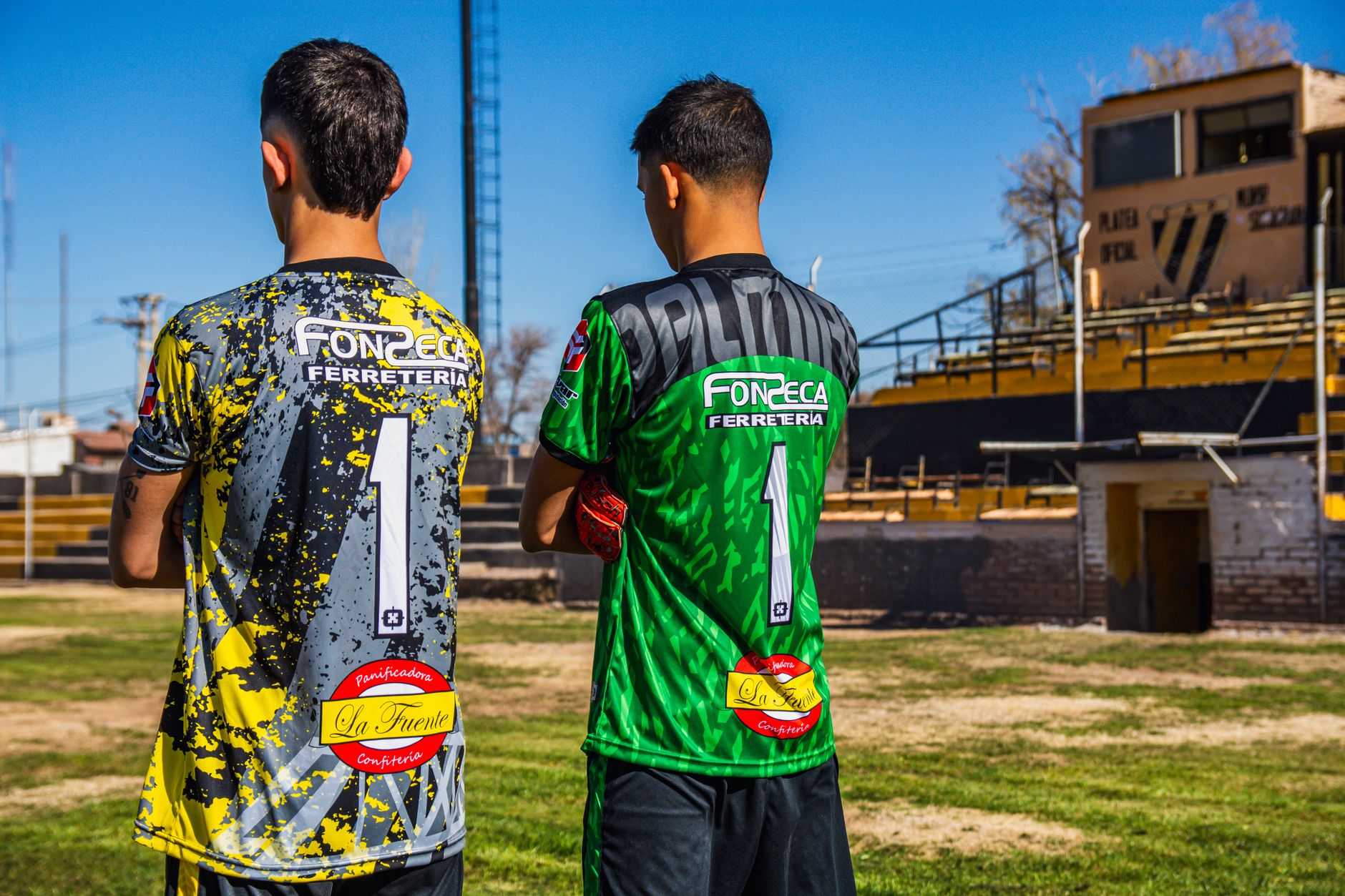
The construction of a hurling jersey is specific to the demands of a fast, physical game. The fabric is lightweight and slightly structured, the cut is close through the shoulders and looser at the waist, and the short sleeves sit with a slight cap that reads as athletic without looking overly fitted. Strip away the context and you have a garment that moves well, photographs cleanly, and holds its shape in a way that cheaper replica kits don’t. That’s a functional starting point that a lot of deliberately designed streetwear pieces fail to meet.
European streetwear in the mid-2020s has been gravitating toward what might be called earned aesthetics – clothing that looks like it came from somewhere real. The appeal of vintage football shirts, cycling jerseys from regional European races, and rugby training tops all follows the same logic. The hurling jersey fits naturally into that lineage. Its regional specificity – the way Kilkenny’s black and amber differs sharply from Tipperary’s blue and gold or Galway’s maroon – gives each piece its own visual identity, which is exactly what the market rewards.
How It’s Being Styled
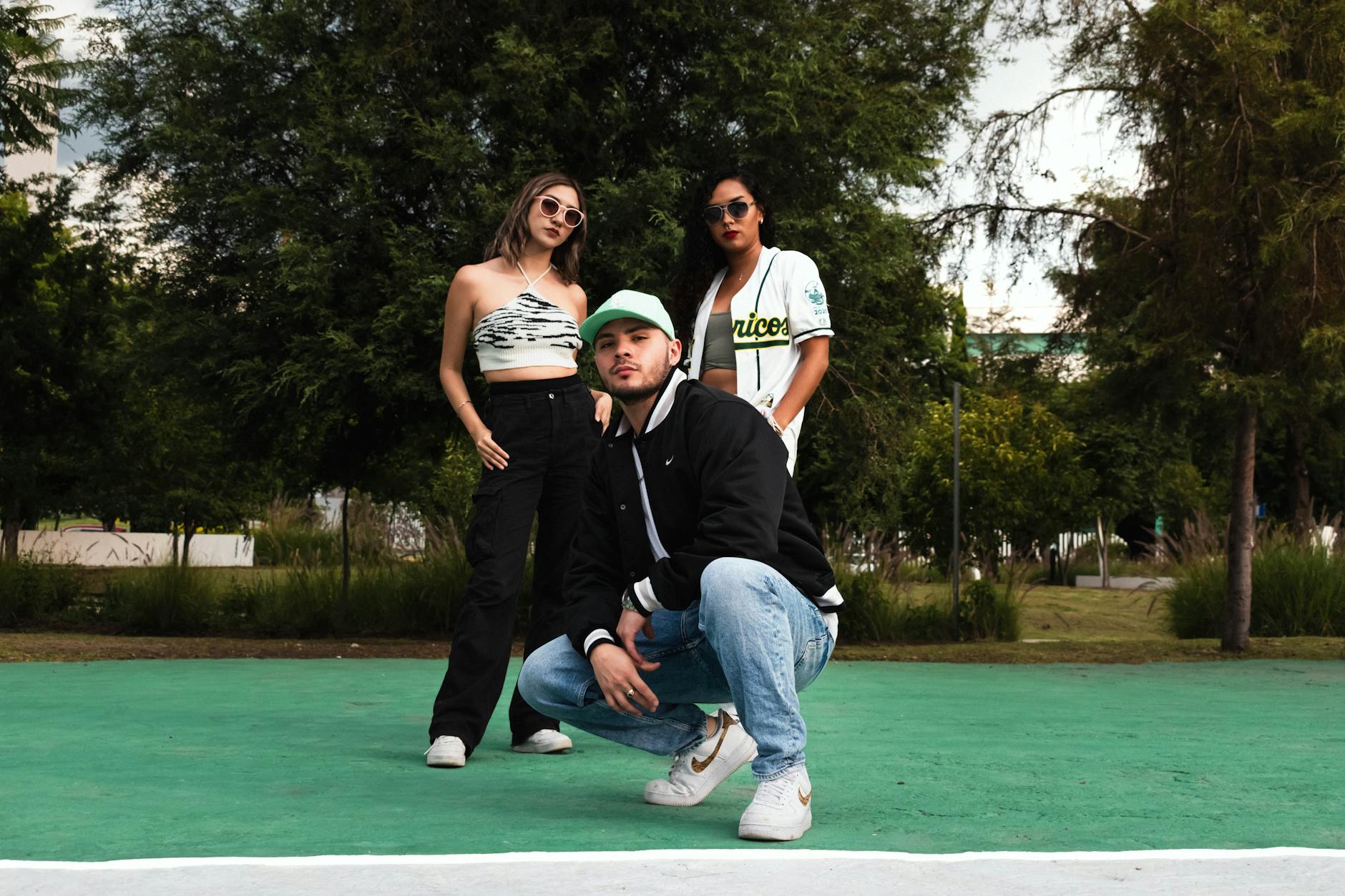
The most common styling approach circulating on European fashion accounts treats the jersey as a standalone top, worn with wide-leg trousers or loose denim and clean trainers. The V-neck reads as casual without being sloppy, and the graphic blocking on the chest does enough visual work that minimal accessories are needed. It’s a low-effort, high-impact combination that suits the current appetite for relaxed tailoring paired with sportswear references.
A more adventurous version layers the jersey under an oversized blazer or a washed denim jacket, letting the colored panels peek through at the collar and hem. This approach treats the jersey the way earlier streetwear generations treated football scarves – as a pop of color and texture inside an otherwise muted outfit. It works because the jersey’s structure is rigid enough to stay put under a heavier outer layer without bunching.
Some buyers are sourcing directly from county boards and club shops rather than hunting vintage markets, which means they’re getting current-season jerseys with updated fabrication rather than older versions with heavier, less breathable materials. Current GAA jersey suppliers have quietly upgraded their technical textiles over the past decade – moisture management, stretch panels, lighter base weights – so the jerseys that are landing in European fashion circles now actually wear better than the older stock that started the trend in the first place.
Sizing is worth noting as a practical consideration. GAA jerseys are cut for athletes, which means they run shorter in the torso and wider in the chest than a standard fashion top. European buyers who want the current looser silhouette are often sizing up two or three sizes, which changes the drape considerably and creates a relaxed, slightly boxy shape that reads very differently from the athletic fit intended by the original design.
The Authenticity Question
Any conversation about this trend eventually runs into the question of whether wearing a Wexford or Clare jersey as fashion constitutes something taken from the communities that produced it. The answer is genuinely complicated. Hurling is deeply tied to Irish county identity, and the jerseys carry real meaning for the people who play and follow the sport. That meaning doesn’t disappear when the jersey moves to a Berlin wardrobe.
What separates the hurling jersey crossover from more fraught appropriation debates is largely commercial structure. The jerseys are sold openly through official club merchandise channels, the money flows back to GAA clubs and county boards, and there’s no obscuring of the origin. A Parisian buyer purchasing a Limerick jersey is, functionally, funding a Limerick hurling club. That’s a cleaner exchange than the one that usually accompanies fashion’s appetite for subcultural dress.
Where It Goes From Here
The risk with any trend that starts organically is the moment a major brand decides to produce its own version. A fashion house releasing a “GAA-inspired” jersey without GAA involvement would strip out everything that gives the original its appeal – the specific county identity, the club history, the straightforward commercial chain back to the sport itself. That hasn’t happened yet at any visible scale, but the trend is now prominent enough that the conversation is worth having.
A growing number of Irish sportswear manufacturers and smaller design studios have begun producing limited runs that play with the jersey template while maintaining explicit links to the GAA ecosystem – updated cuts, premium fabrics, colorways that don’t belong to any existing county but reference the visual language clearly. These sit in a productive middle ground between replica kit and fashion piece, and they’re finding buyers outside Ireland who want the aesthetic without the complexity of wearing an actual county’s colors.

The more durable question is whether the hurling jersey becomes a fixture in European streetwear’s rotation the way the football shirt has – accepted, collected, and eventually so normalized that its sporting origin becomes a secondary detail – or whether it stays specific enough to its source that it never fully detaches from the GAA world it came from. Given how much of the jersey’s current appeal depends on that specificity, full absorption into generic sportswear fashion might actually kill what makes it worth wearing in the first place.