

The judo gi has spent decades on the mat, designed for grip resistance, throw absorption, and the kind of structural integrity that survives a full-contact session. Now it’s moving off the dojo floor and into the conversations happening at luxury fashion weeks, where its deep lapels, heavy cotton weave, and wrap-front silhouette are being treated not as athletic references but as primary design language.
What makes this particular crossover worth watching is how literal it’s becoming. This isn’t a soft nod to martial arts aesthetics via a loosely tied belt or an oversized collar. Designers are pulling the actual construction logic of the gi – the double-layered chest panel, the wide-mouth sleeve, the deliberate weight of the fabric – and translating it directly into coats, toppers, and structured jackets priced at the premium end of the outerwear market.

Why the Gi Silhouette Works as Outerwear
The judo gi was engineered to stay on a body under extreme physical pressure. That engineering – the cross-front closure, the reinforced collar that sits flat and wide, the dropped shoulder construction – produces a silhouette that reads as simultaneously relaxed and architectural. On the mat, those details serve function. On a city sidewalk, they produce exactly the kind of effortless volume that luxury outerwear has been chasing through draped wool and oversized blazers for several seasons now.
The wrap closure is doing particular work here. Unlike a buttoned coat, the wrap-front gi silhouette creates a diagonal line across the torso that is both slimming and dynamic. Belted versions reference the obi directly, producing a high, defined waist against a wide upper body. Unbelted versions fall open with the kind of careless authority that makes a garment look expensive without trying.
The Fabric Story
Traditional judo gis are made from a heavy, looped cotton weave called single weave or double weave depending on the competition level. That fabric profile – dense, slightly textured, with a matte finish that doesn’t shimmer – is proving to be the right answer for a luxury market that has grown skeptical of synthetic shine and performative technical materials.
Luxury adaptations are working with that cotton logic but elevating the fiber content. Raw, unbleached heavy cotton is appearing alongside silk-cotton blends that preserve the structural weight while adding the kind of drape that reads as premium. Some versions are arriving in boiled wool with a similarly matte, dense surface, keeping the gi’s visual vocabulary while swapping in a material that signals warmth and craft.
Color is staying close to the gi’s original palette. Ivory, off-white, and natural ecru are the dominant choices – referencing the standard white training gi without directly cosplaying it. Black versions are appearing as the obvious second option, nodding to the black belt without needing to say it out loud. What’s notably absent is the sports-bright palette that usually follows athletic crossovers into fashion. There are no neon gis making their way into luxury department stores.
The texture conversation matters because it separates this trend from the broader athleisure influence that has been running through fashion for years. Gi-inspired outerwear is not trying to look comfortable in a loungewear sense. It looks serious, weighty, and considered – which is a different register entirely from the stretch-fabric athletic silhouettes that have dominated casual dressing.
How Designers Are Adapting the Construction
The structural adaptations being made to bring the gi into luxury outerwear are more interesting than the surface aesthetics. The original gi uses a system of reinforced stitching at stress points – collar seams, sleeve attachments, chest panel junctions – because those areas take the most force during throws. Luxury versions are keeping that visible topstitching not because it’s functionally necessary but because it reads as honest construction detail, the kind of visible craft that justifies a high price point.
Sleeve construction is another area where the translation is direct. The gi sleeve is cut wide at the shoulder and tapers toward the cuff in a way that allows full arm rotation. In a luxury coat, that same cut produces a sleeve that feels generous and unhurried – the opposite of the fitted, structured sleeve on a traditional tailored overcoat. Worn pushed up, it gives the arm a specific kind of casual authority that has become a marker of relaxed dressing done deliberately.
The Market Positioning
Sports-to-luxury crossovers tend to follow a recognizable path: a sport gains cultural visibility, its visual codes get absorbed by streetwear, streetwear references get picked up by mid-tier fashion, and eventually luxury designers arrive with the most expensive version of the look. The gi is moving through that cycle, but at an accelerated pace – partly because the silhouette is inherently closer to existing luxury outerwear shapes than, say, a football jersey or a cycling jersey would be.
The consumer responding to gi-inspired outerwear already buys into the idea of athletic craft as luxury. This is the same person purchasing hand-stitched baseball gloves as home objects, or paying premium prices for selvedge denim that references workwear construction. The gi fits that framework because its construction language is legible as quality to someone who appreciates how things are made – even if they’ve never set foot in a dojo.
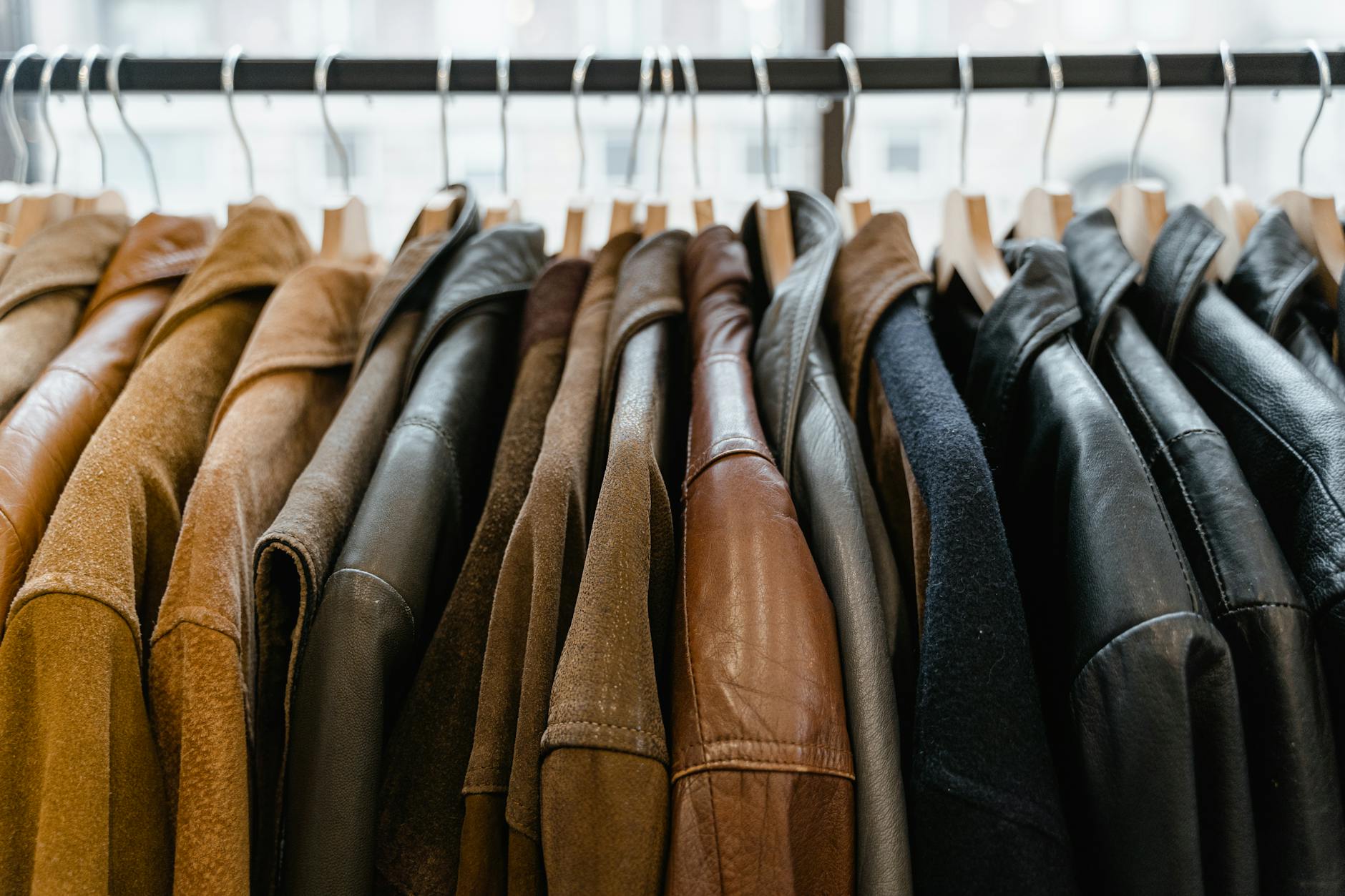
Retail positioning is reflecting this. Gi-influenced pieces are appearing in the tailoring sections of luxury department stores rather than in activewear or sportswear adjacencies. That placement is a deliberate signal about how the trend wants to be read – not as athletic crossover but as considered outerwear with an unusual structural reference point. A heavy ivory wrap coat with a wide collar and visible chest-panel stitching, priced alongside structured cashmere overcoats, is making an argument about craft rather than about sport. The argument, so far, appears to be landing. The sports-to-luxury crossover pattern has been running for a while – polo-derived accessories have been making the same jump with similar positioning logic – but gi outerwear carries a harder, more austere edge that sets it apart from equestrian references. Whether that austerity sustains across more than one or two seasons is the open question sitting at the center of the trend right now.
Frequently Asked Questions
What is a judo gi silhouette in fashion?
It refers to outerwear styled after the judo training uniform, featuring wrap-front closures, wide lapels, heavy cotton-like fabric, and visible reinforced stitching.
What fabrics are luxury designers using for gi-inspired outerwear?
Heavy cotton, silk-cotton blends, and boiled wool are the most common choices – materials that match the dense, matte texture of traditional gi fabric while reading as premium.