
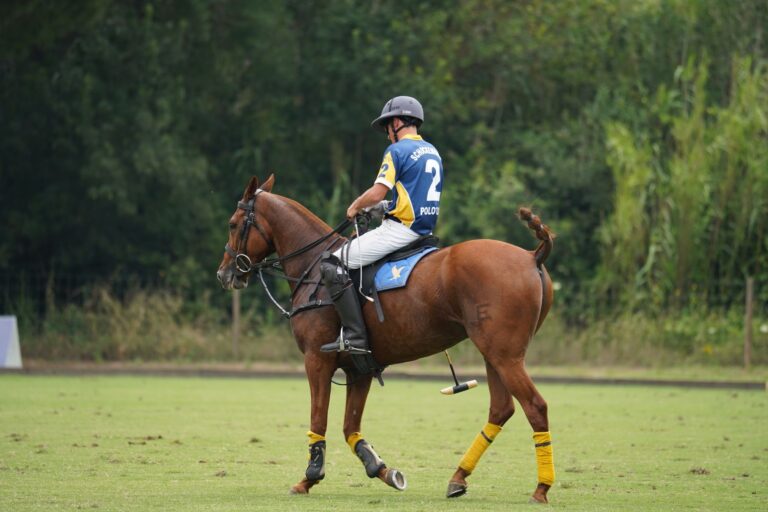

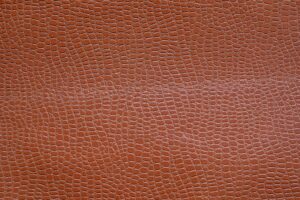

Polo club throat lash billet construction is influencing layered cuff tab design, bringing equestrian hardware logic into serious leather accessories.
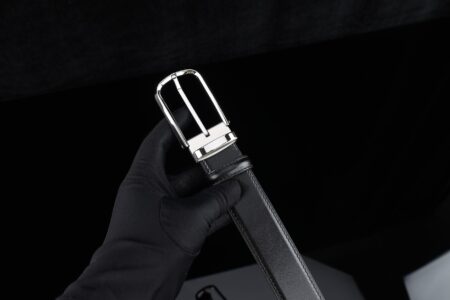
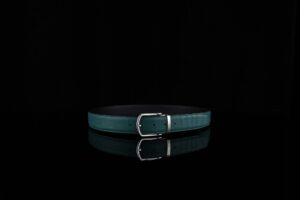
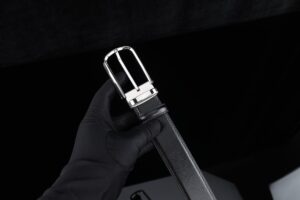
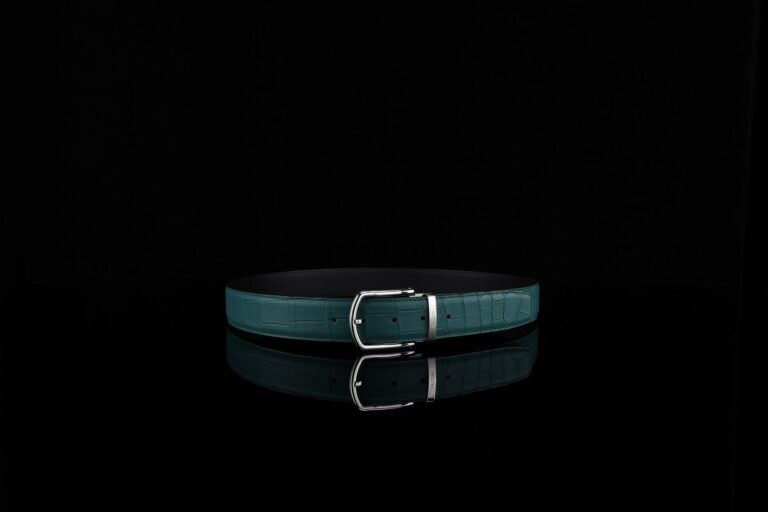
Polo club surcingle buckle tongues are influencing minimalist belt hardware design with their flat profile and functional geometry. Here’s why the detail is gaining ground.







Funeral directors nationwide are abandoning traditional black attire for colorful, contemporary professional wear that better serves grieving families.

Monastery-inspired minimalism transforms modern wardrobes as consumers embrace capsule collections that mirror monastic dress codes for simplicity and sustainability.

Food service uniforms have evolved from basic workwear to fashionable statement pieces that boost employee confidence and brand identity.

Architecture students are revolutionizing fashion by applying structural engineering principles to clothing design, creating durable garments built like buildings.
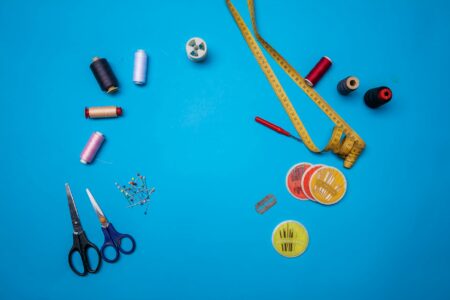
Luxury fashion embraces Depression-era mending techniques, transforming survival skills into high-end design statements and sustainability symbols.

Postal worker uniforms are inspiring spring’s biggest utilitarian fashion trend, from luxury runways to street style.


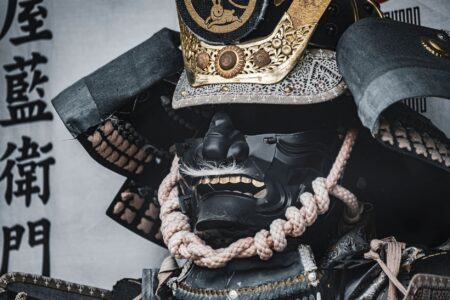

The cylindrical croquet mallet bag is being reinterpreted as a structured tote silhouette, with designers using its vertical proportions and rigid form to create a new kind of carry-all.

The Eton boater’s flat, rigid brim is appearing across summer millinery – from heritage ateliers to resort lookbooks – as designers rediscover its structural authority.

Polo exercise bandages are inspiring a new wave of structured arm warmers, borrowing the wrapping logic, layered volume, and club-specific color language of equestrian sport.

Polo tail bandages are crossing from the stable into minimalist wristwear, with designers using their ridged texture and neutral palette to build sculptural cuffs and stacked bracelets.