
Polo stirrup iron side bars are framing minimalist mule shanks – a functional equestrian detail becoming a design statement in quiet luxury footwear.

The polo club saddle knee block welt is moving from riding breeches into structured tailoring, bringing functional seam architecture to everyday trousers with surprising precision.



Funeral directors nationwide are abandoning traditional black attire for colorful, contemporary professional wear that better serves grieving families.
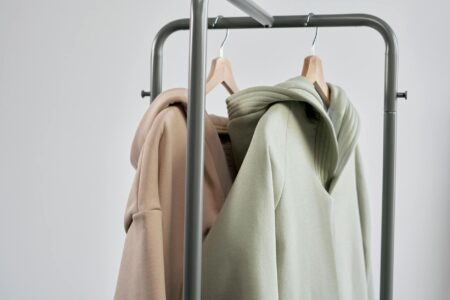
Monastery-inspired minimalism transforms modern wardrobes as consumers embrace capsule collections that mirror monastic dress codes for simplicity and sustainability.

Food service uniforms have evolved from basic workwear to fashionable statement pieces that boost employee confidence and brand identity.

Architecture students are revolutionizing fashion by applying structural engineering principles to clothing design, creating durable garments built like buildings.
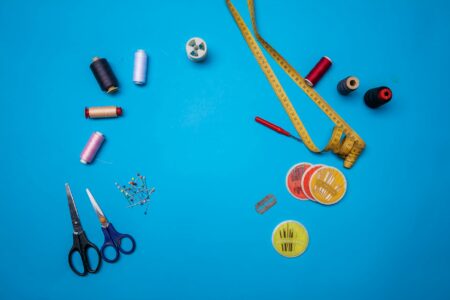
Luxury fashion embraces Depression-era mending techniques, transforming survival skills into high-end design statements and sustainability symbols.

Postal worker uniforms are inspiring spring’s biggest utilitarian fashion trend, from luxury runways to street style.
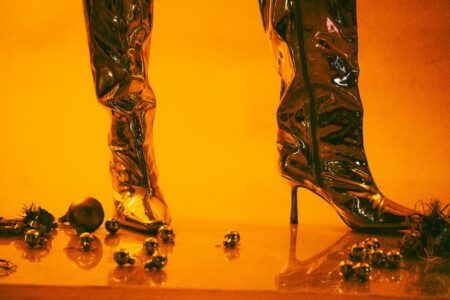
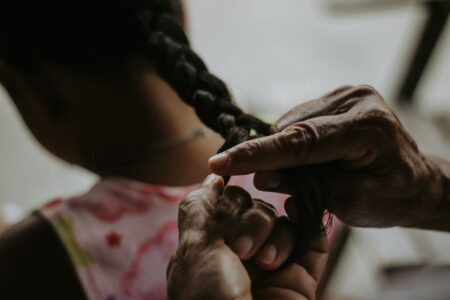
Throat lash braidss from polo tack are crossing into minimalist hair accessories, carried by small leather goods labels and editorial stylists drawn to its clean, functional geometry.
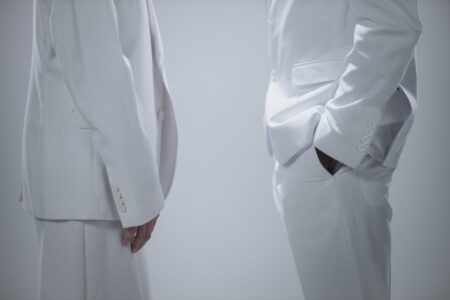
Saddle panels from polo riding breeches are crossing into tailored trousers, bringing equestrian construction logic and refined seam detailing to contemporary suiting.

Suede knee patches from polo breeches are moving into tailored blazer elbows – a quiet craft migration that changes how the entire garment reads.

Polo neck covers are shedding their rigid sporting origins and folding into relaxed collar drops – a construction-led shift rewriting equestrian dressing for contemporary wardrobes.